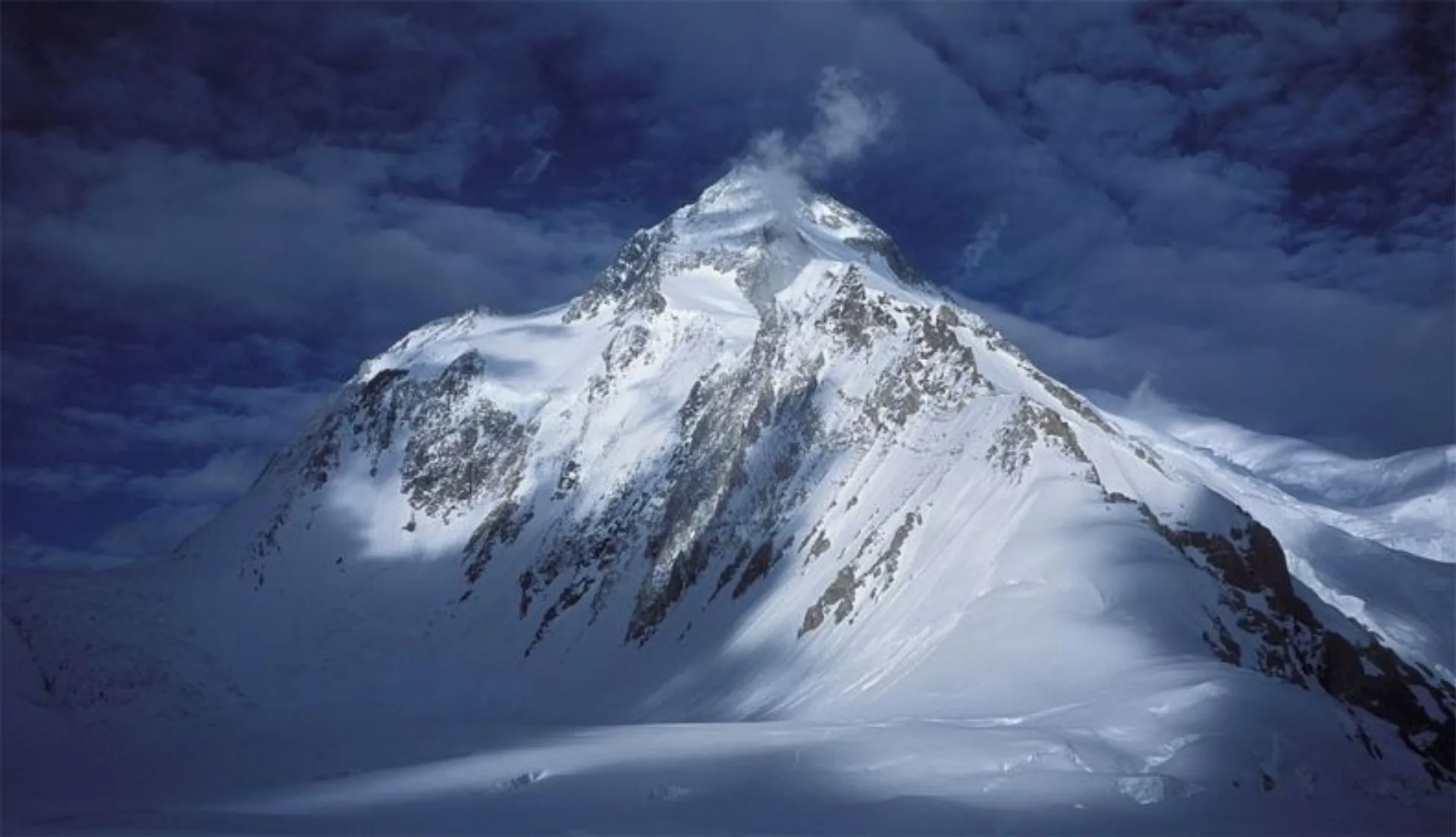
Gasherbrum I: Hidden Peak
Deep in the heart of the Karakoram
Last updated: · Reviewed by Javeed Iqbal, Founder
Elevation
8,080m
Difficulty
Extreme
Duration
50 to 60 Days
Best Season
Jun to Aug
Gasherbrum I Expedition: a complete guide to climbing Hidden Peak
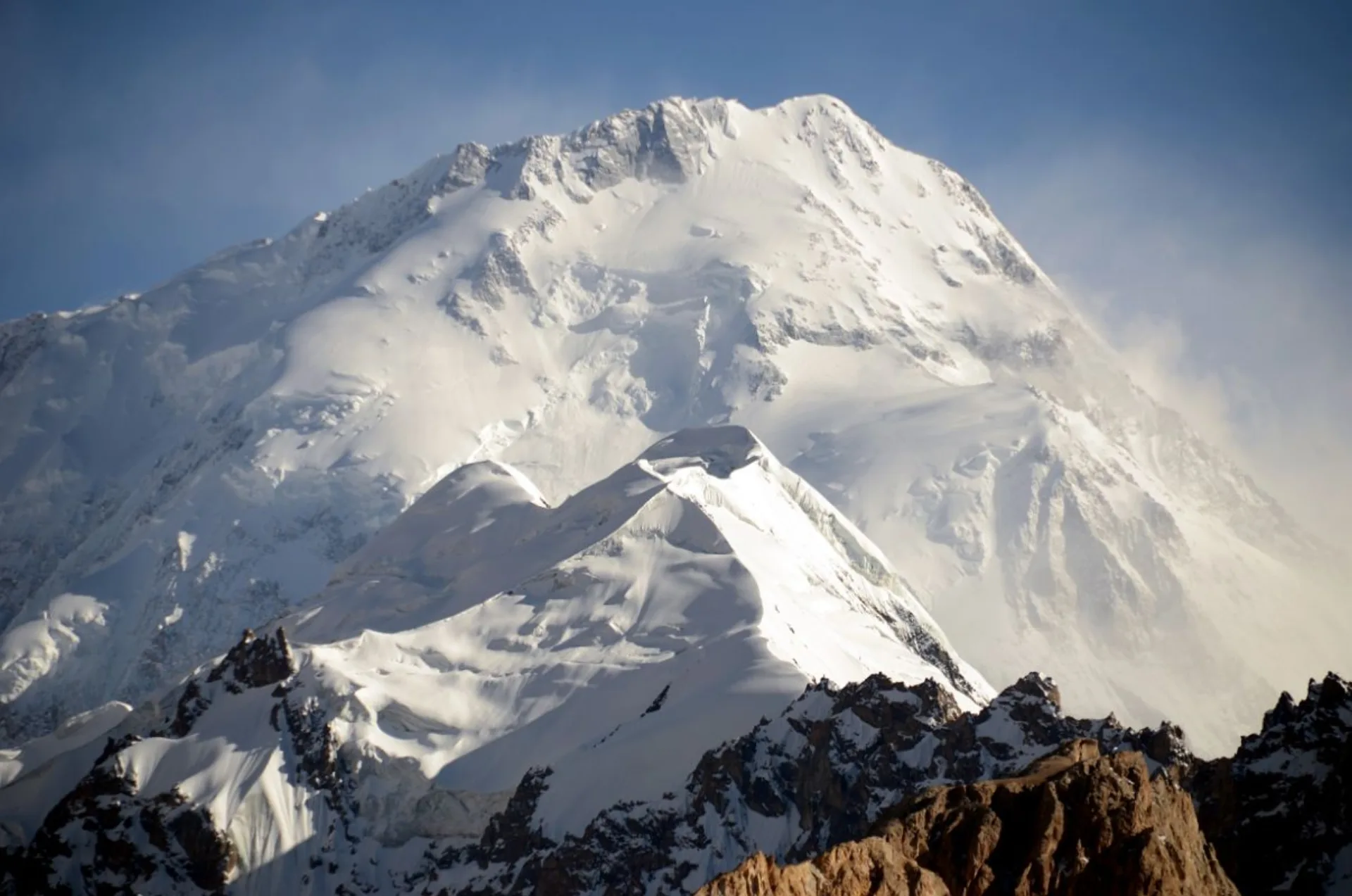
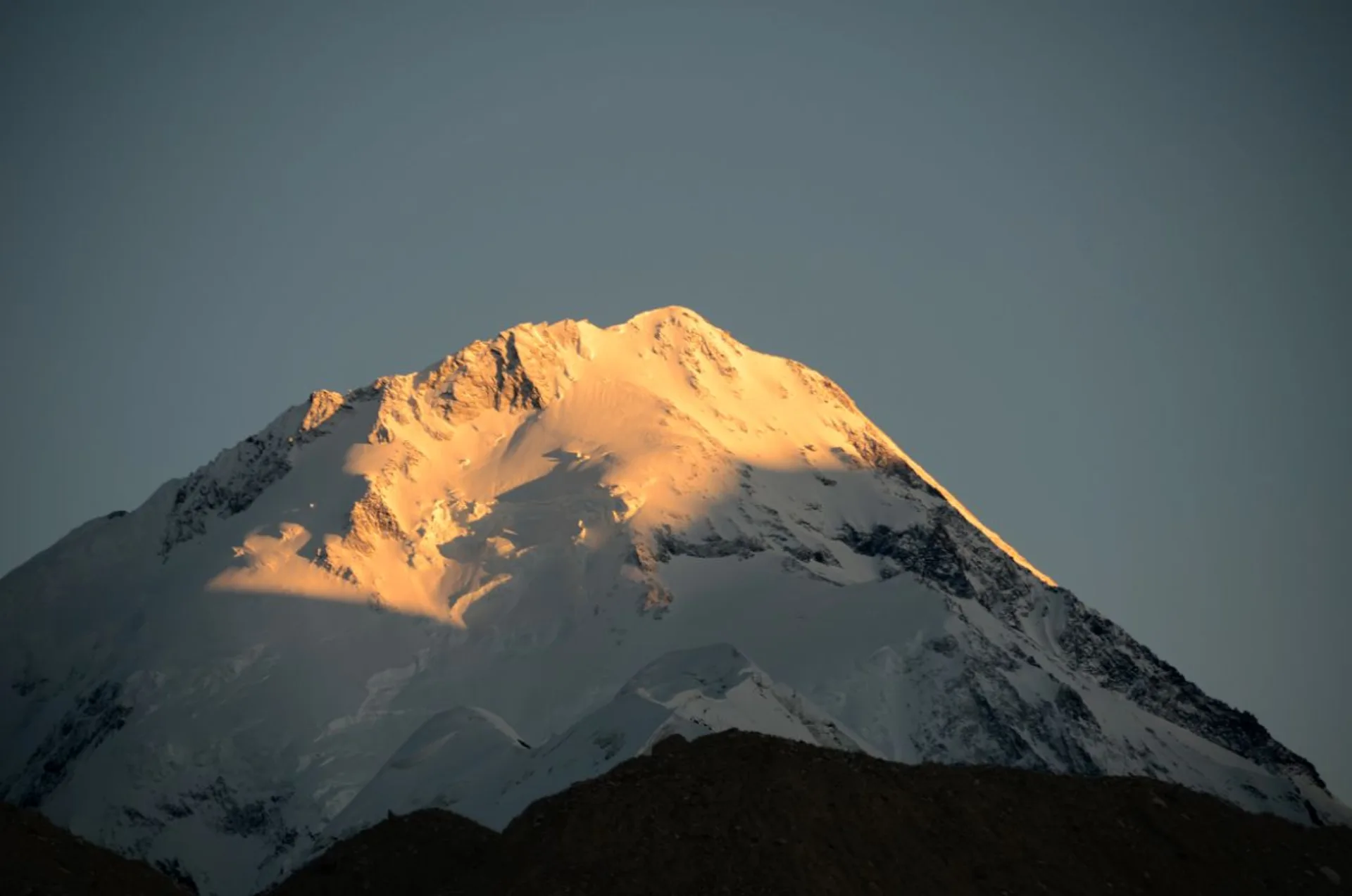
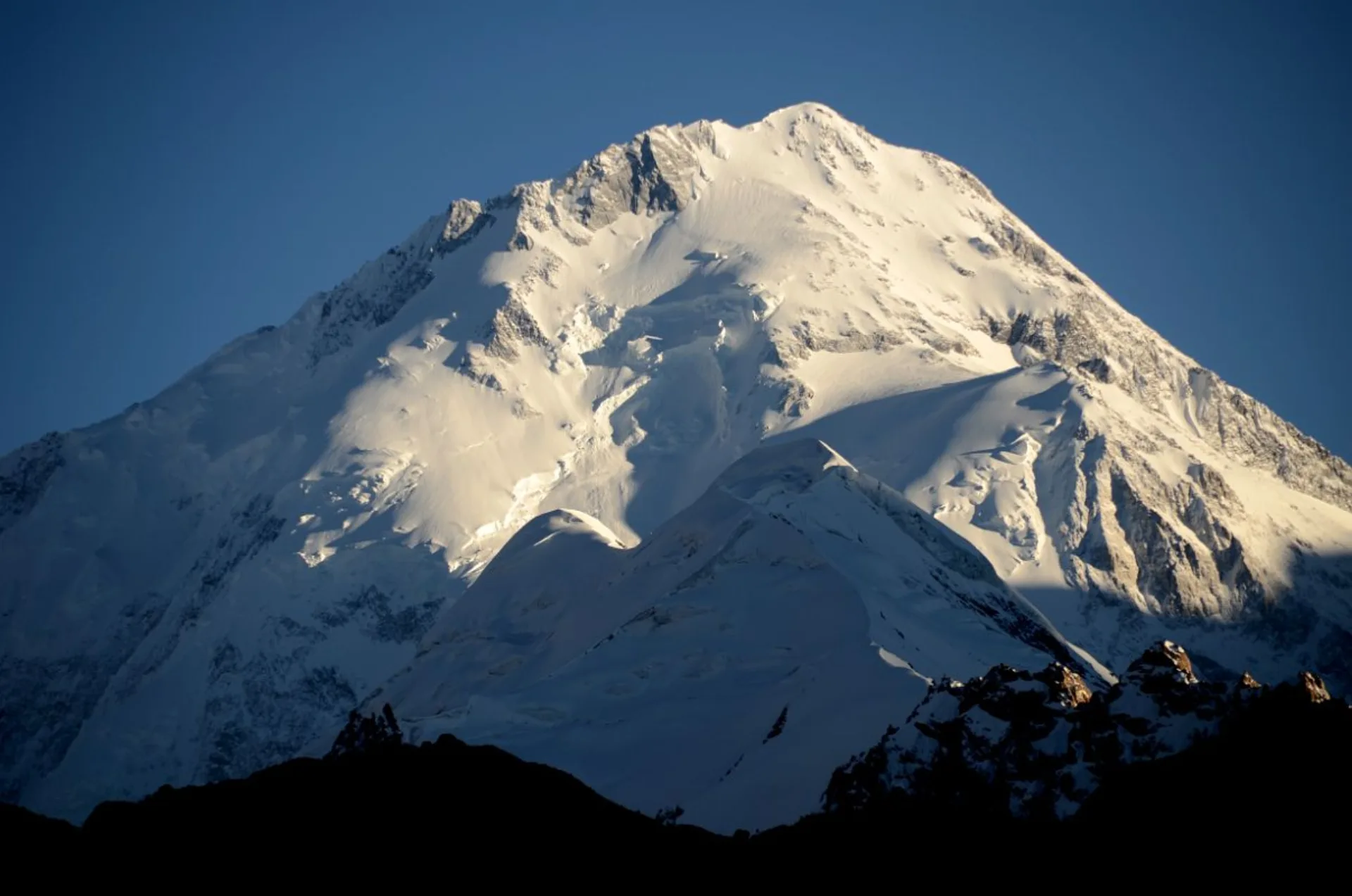
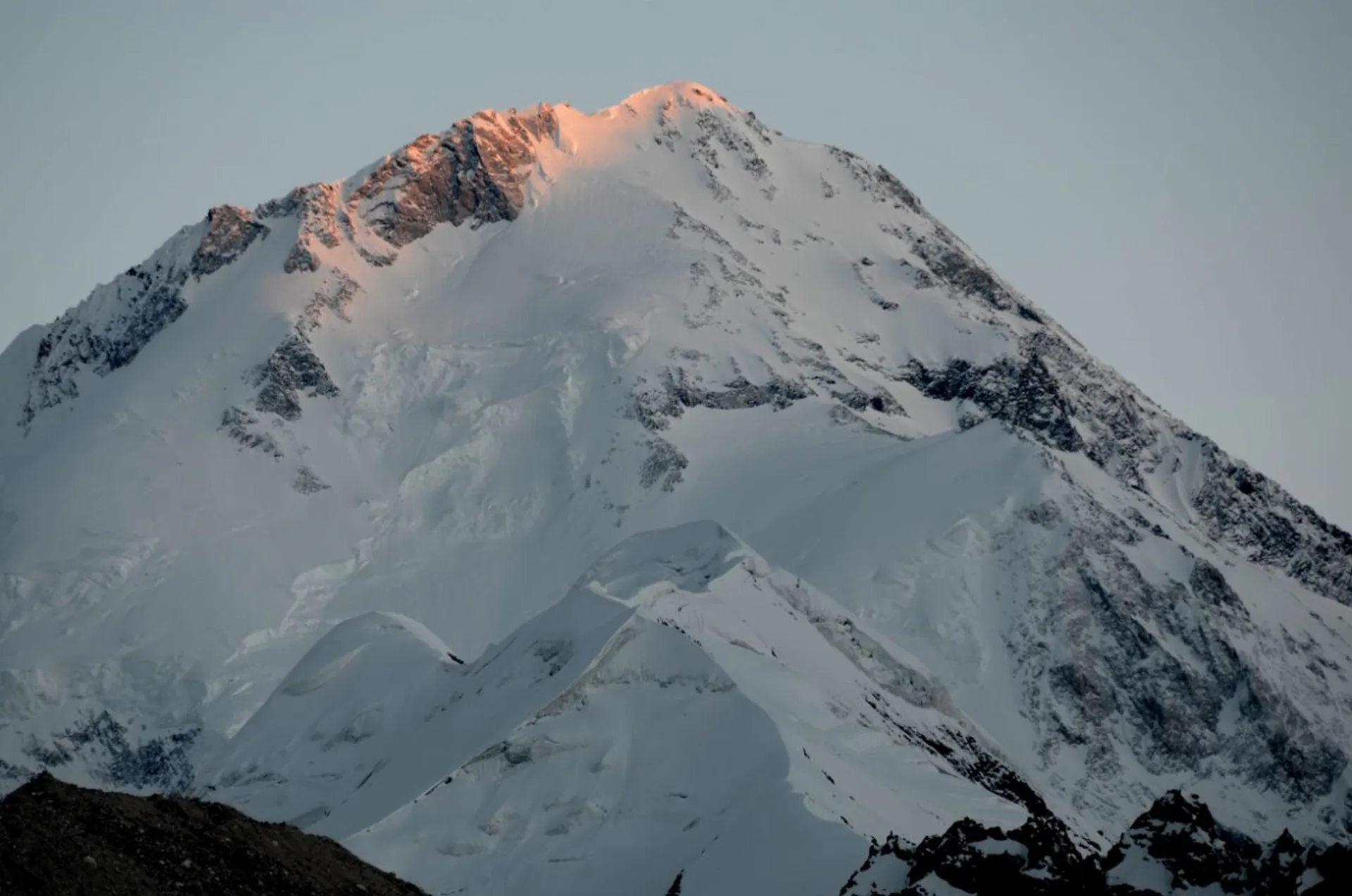
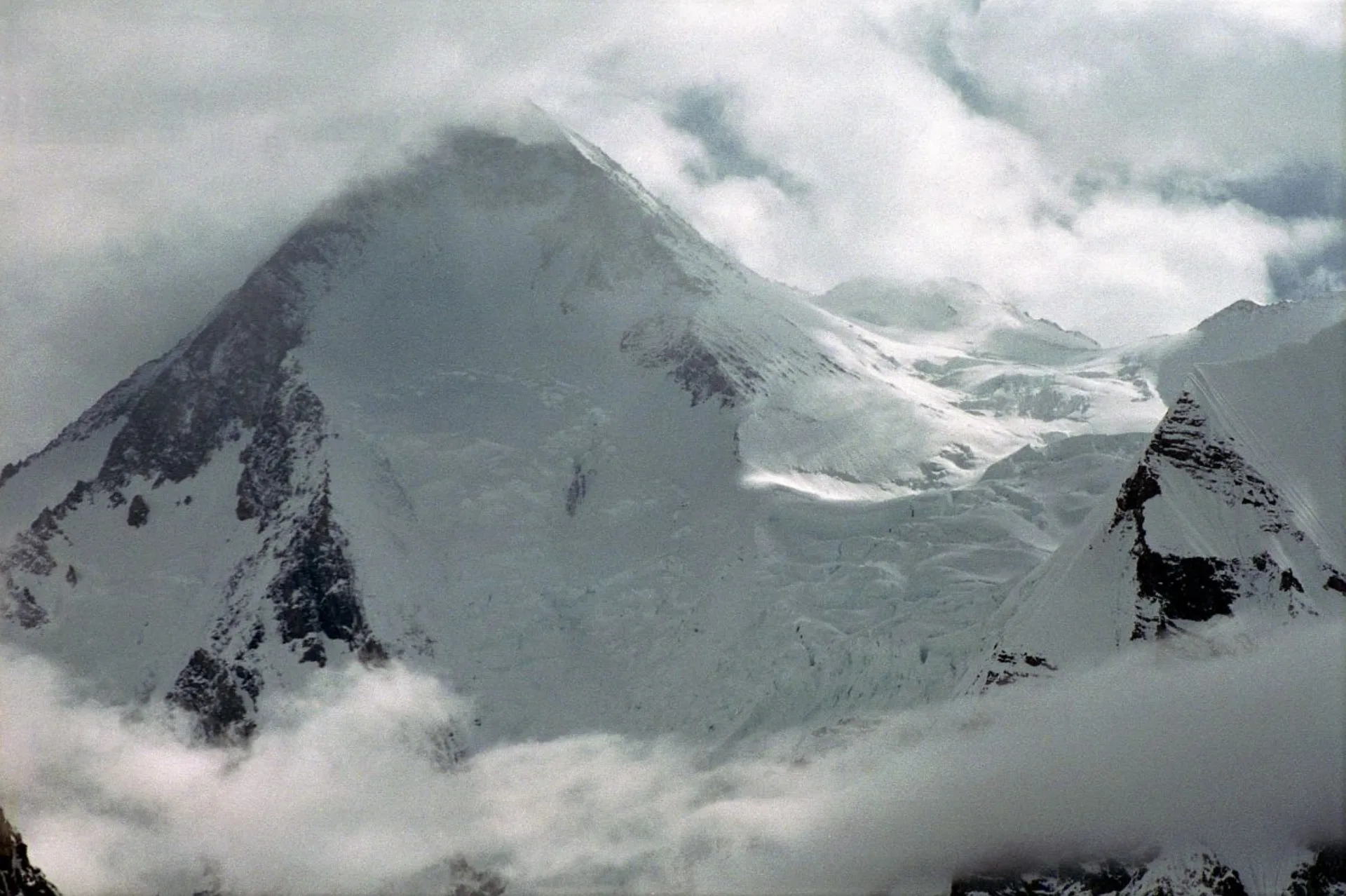
Gasherbrum I, also known as Hidden Peak, is the eleventh-highest mountain on Earth at 8,080 metres and the highest of the Gasherbrum group in the Karakoram, on the Pakistan-China border. It earned its name because it stays out of sight from every inhabited place, screened behind lower peaks and revealed only after days of trekking up the Baltoro Glacier. It is one of the less-frequently climbed eight-thousanders: steeper, more technical, and more committing than its popular neighbour, Gasherbrum II.
Where is Gasherbrum I?
Hidden Peak rises in the upper Baltoro region of the central Karakoram, part of the Gasherbrum massif alongside Gasherbrum II and within reach of Broad Peak and K2. Expeditions follow the Baltoro Glacier to Concordia and then branch south up the Abruzzi and South Gasherbrum glaciers, establishing base camp at roughly 5,000 to 5,300 metres. The name Gasherbrum is often translated as "shining wall", a fitting description of the group's gleaming ice faces.
The route: the Japanese Couloir
The modern normal route attacks the mountain from the northwest, climbing the steep Japanese Couloir to gain the upper peak before working up snow and mixed ground to the summit. It is a direct line but a demanding one, with sustained steep ice that calls for confident front-pointing and efficient rope work. Expeditions typically place three camps above base camp. The 1958 first ascent took a quite different line via the Roch ridge on the southeast side; today almost everyone uses the couloir.
How hard is it?
Gasherbrum I is graded extremely challenging. It is noticeably steeper and more technical than Gasherbrum II, with a heavily crevassed glacier approach and genuine avalanche and serac risk on the route, though it rewards climbers with a clean, direct ascent once the difficulties are passed. It is not recommended as a first eight-thousander; most climbers who attempt Hidden Peak already have solid experience on 7,000-metre peaks and at least one less technical 8,000er behind them.
The dangers and objective hazards
The principal hazards on Gasherbrum I are the crevassed glacier travel low on the route, avalanche slopes after fresh snow, and the steep, exposed ground of the couloir itself, where rockfall and ice are concerns. As on every Karakoram giant, the weather has the final say: storms can close the upper mountain for a week or more, and the death zone above 8,000 metres punishes any delay. Careful timing, conservative decisions, and a strong rope-fixing effort early in the season are what keep an expedition safe.
The first ascent, 1958
Hidden Peak was first climbed on 5 July 1958 by Pete Schoening and Andy Kauffman, part of an eight-man American expedition led by Nicholas Clinch. It is the only first ascent of an eight-thousander achieved by an American team, and it came via the Roch ridge rather than the couloir used by climbers today. The ascent was a milestone in a decade that saw most of the world's highest peaks climbed for the first time.
The Baltoro Glacier approach
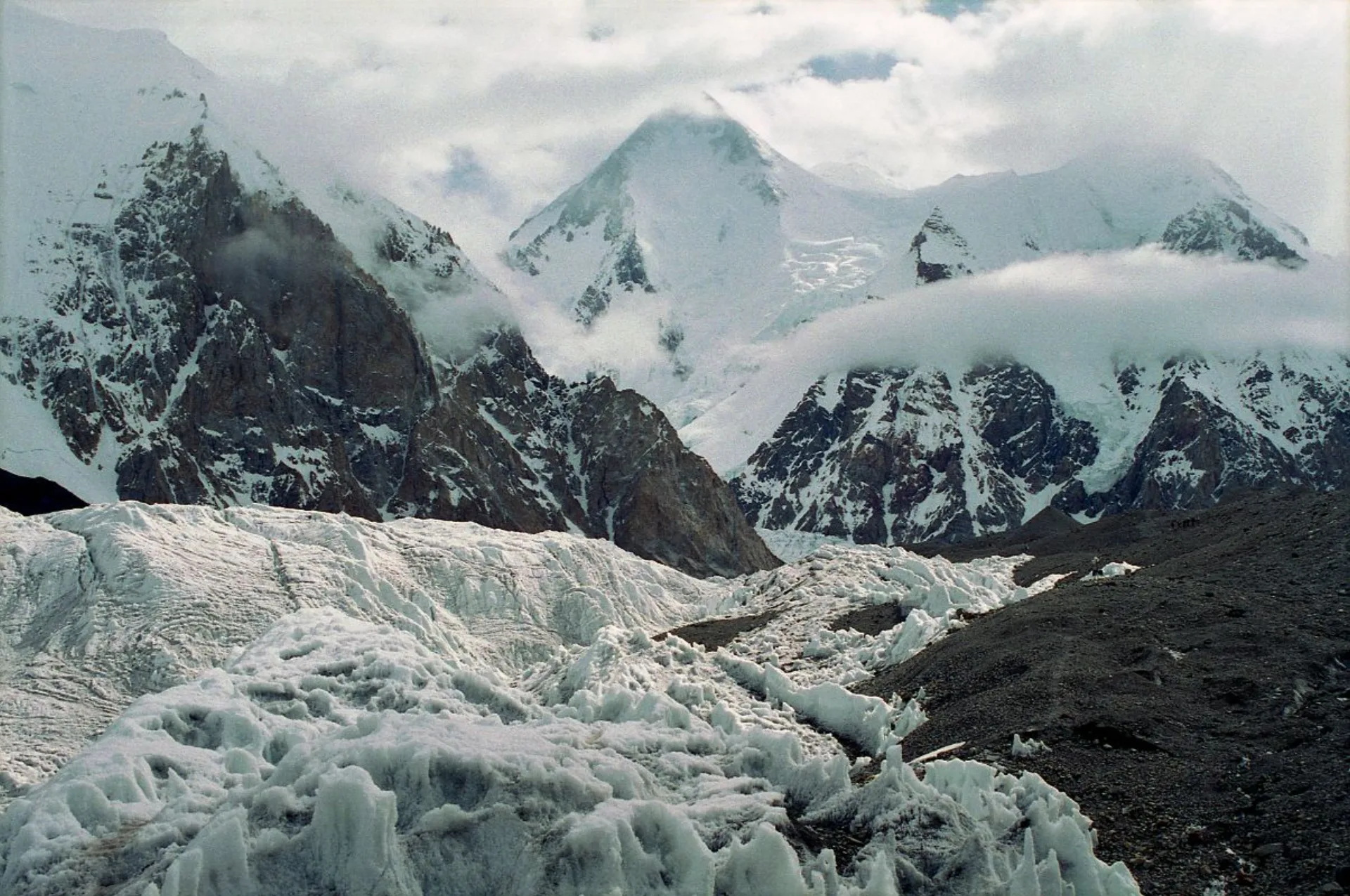
The walk-in is the same celebrated trek shared with K2 and Broad Peak: about seven days up the Baltoro from Askole, beneath the granite spires of the Trango Towers and the ice of Masherbrum to Concordia, then up the Gasherbrum branch to base camp. The long approach doubles as essential acclimatisation. Because base camp neighbours Gasherbrum II, the two peaks are very often climbed together, and many expeditions are built specifically around bagging both Gasherbrums in one season.
Best time to climb
June to August is the climbing season, with the most stable weather typically in July and early August once the Karakoram jet stream moves north of the range. Teams plan their rotations and summit window around the brief, hard-won spells of low wind that summer brings to the upper mountain.
Acclimatisation, cost and duration
Plan on roughly 55 to 60 days for a full expedition, including the long Baltoro approach, several acclimatisation rotations between camps, and the wait for a summit window. Gasherbrum I requires a Pakistan mountaineering permit, a Gilgit-Baltistan royalty, and a liaison officer; permit and royalty sit in the mid-range for Pakistani eight-thousanders, with total cost depending on operator and support level. Many climbers use supplemental oxygen high on the route. Pricing here is indicative; we quote each expedition individually.
What it takes
Gasherbrum I asks for prior 7,000-metre experience, confident steep-ice technique, and the fitness to handle a long Baltoro approach followed by technical ground high on the mountain. Climbers collecting both Gasherbrums frequently pair Hidden Peak with the easier Gasherbrum II in a single trip, using the shared base camp to attempt one after the other.
Go With Guide Pakistan runs fully supported Gasherbrum I expeditions with experienced high-altitude guides, the full Baltoro approach from Skardu, permit and liaison handling, fixed camps, oxygen, and base-camp support, including combined Gasherbrum I and II programmes for climbers attempting both peaks.
| Stage | Where | What to expect |
|---|---|---|
| Walk-in | Askole to Concordia | About 7 days up the Baltoro Glacier |
| Glacier branch | Concordia to base camp | Abruzzi and South Gasherbrum glaciers |
| Base camp | 5,000 to 5,300 m | Shared area with Gasherbrum II |
| Lower mountain | Crevassed glacier | Avalanche and serac risk after snow |
| Upper route | Japanese Couloir, northwest side | Steep ice, 3 camps above base camp |
| Summit | 8,080 m | Best windows in July and early August |
Climbing History
1934
First Reconnaissance
First Reconnaissance
An international expedition explored approaches via the Baltoro Glacier, mapping routes on the mountain.
1958
First Summit
First Summit
Pete Schoening and Andy Kauffman (USA) summited on July 5 via the Southeast Ridge, an incredible achievement by a small team.
1975
Messner's Alpine Style
Messner's Alpine Style
Reinhold Messner and Peter Habeler climbed a new route on the Northwest Face in pure alpine style, revolutionizing Himalayan mountaineering.
1984
First Traverse
First Traverse
Reinhold Messner and Hans Kammerlander completed the first traverse of Gasherbrum I and II without returning to base camp.
2012
First Winter Ascent
First Winter Ascent
Adam Bielecki and Janusz Gołąb (Poland) summited on March 9, the first winter ascent of any Karakoram 8000er.
Recommended Reading
A Walk in the Sky: Climbing Hidden Peak
by Nicholas Clinch (1982)
A Walk in the Sky: Climbing Hidden Peak
by Nicholas Clinch (1982)
Gasherbrum: Der leuchtende Berg
by Reinhold Messner (1984)
Gasherbrum: Der leuchtende Berg
by Reinhold Messner (1984)
What's Included
Not Included
Frequently Asked Questions About the Gasherbrum I Expedition
How high is Gasherbrum I and where is it?
How high is Gasherbrum I and where is it?
Gasherbrum I stands 8,080 metres high, the eleventh-highest mountain on Earth and the highest peak of the Gasherbrum group. It rises in the upper Baltoro region of the central Karakoram in Gilgit-Baltistan, on the Pakistan-China border, with Gasherbrum II beside it and Broad Peak and K2 within reach. It is better known to many climbers as Hidden Peak, because it cannot be seen from any inhabited place and stays hidden behind lower peaks until you are days up the glacier. The name Gasherbrum is often translated as "shining wall", which suits the gleaming ice faces of the group. It was first climbed on 5 July 1958 by Pete Schoening and Andy Kauffman of an American team, and it remains one of the less frequently climbed eight-thousanders. Base camp is reached from Askole on the same Baltoro approach as K2 and the other Gasherbrums.
How do you get to Gasherbrum I Base Camp?
How do you get to Gasherbrum I Base Camp?
You walk in along the Baltoro Glacier from Askole to Concordia, then continue up the Abruzzi and South Gasherbrum glaciers to base camp at roughly 5,000 to 5,300 metres. From Askole the trek to Concordia takes about seven days, and our expeditions run the full approach from Skardu. This is the same celebrated route used for K2, Broad Peak and Gasherbrum II, passing beneath the granite spires of the Trango Towers and the ice of Masherbrum. Hidden Peak itself stays out of sight for most of the way, screened behind lower peaks, and only shows itself after several days on the glacier. The long walk is not wasted time, because it is your first stage of acclimatisation before any climbing begins. Base camp sits close to Gasherbrum II base camp, which is why many teams plan to attempt both peaks from the same camp in one season.
Why is Gasherbrum I called Hidden Peak?
Why is Gasherbrum I called Hidden Peak?
Because it cannot be seen from any inhabited area; it stays screened behind lower peaks and only comes into view after several days of trekking up the Baltoro Glacier.
What is the standard route on Gasherbrum I?
What is the standard route on Gasherbrum I?
The modern normal route on Gasherbrum I is the Japanese Couloir on the northwest side, a steep, direct line that almost every team uses today. Expeditions walk about seven days up the Baltoro Glacier from Askole to Concordia, branch up the Abruzzi and South Gasherbrum glaciers to base camp at roughly 5,000 to 5,300 metres, then cross a heavily crevassed glacier where there is avalanche and serac risk after fresh snow. The couloir itself is sustained steep ice that calls for confident front-pointing and efficient rope work, with rockfall and ice as further concerns, before snow and mixed ground lead to the 8,080-metre summit. Teams usually place three camps above base camp, and many climbers use supplemental oxygen high on the route. The 1958 first ascent took a different line via the Roch ridge on the southeast side. Because of the couloir, we expect solid 7,000-metre experience and at least one less technical eight-thousander first.
How hard is Gasherbrum I compared to Gasherbrum II?
How hard is Gasherbrum I compared to Gasherbrum II?
Gasherbrum I is clearly the harder of the two, steeper and more technical, and we do not recommend it as your first eight-thousander. Gasherbrum II, at 8,035 m, is the more common first 8000er. On Hidden Peak the normal route climbs the Japanese Couloir on the northwest side, where sustained steep ice calls for confident front-pointing and efficient rope work. Below that you cross a heavily crevassed glacier, and there is real avalanche and serac risk after fresh snow, plus rockfall and ice in the couloir. Most climbers who attempt it already have solid experience on 7,000-metre peaks and at least one less technical eight-thousander behind them. You also need the fitness to handle a long glacier approach before the technical climbing even starts. Many climbers use supplemental oxygen high on the route, and the death zone above 8,000 m punishes any delay, so conservative decisions matter.
How long does the expedition take and how much does it cost?
How long does the expedition take and how much does it cost?
Plan on 50 to 60 days, and budget from $40,000 per person. The time covers the drive and walk-in from Skardu, about seven days up the Baltoro Glacier from Askole, several acclimatisation rotations between the camps, and the wait for a summit window, which can stretch for a week or more if storms close the upper mountain. The price is indicative, because we quote every expedition individually based on team size and the level of support you want. It includes experienced high-altitude guides, permit and liaison officer handling, fixed camps, oxygen and base camp support. Gasherbrum I needs a Pakistan mountaineering permit and a Gilgit-Baltistan royalty, and both sit in the mid-range for Pakistani eight-thousanders. International flights, travel insurance, personal climbing gear and personal expenses are not included, so add those to your own budget. Custom expeditions are available for groups of 2 or more.
When is the best season for Gasherbrum I?
When is the best season for Gasherbrum I?
June to August is the season, and July and early August usually give the most stable weather. That is when the Karakoram jet stream moves north of the range and the upper mountain gets its short spells of low wind. Most teams arrive at base camp early in the summer so the long Baltoro approach does double duty as acclimatisation, and so the rope fixing in the Japanese Couloir can start before the best summit weather arrives. Summit windows on Gasherbrum I are brief and hard won, and a storm can shut the upper mountain for a week or more, so the itinerary has spare days built into it. Arriving late in the season leaves you less room to wait. A winter ascent has been done, by a Polish pair in 2012, but that was a first for the whole Karakoram and is not something we run for clients.
Who first climbed Gasherbrum I?
Who first climbed Gasherbrum I?
Pete Schoening and Andy Kauffman in 1958, the only first ascent of an eight-thousander achieved by an American team.
Can I climb Gasherbrum I with Gasherbrum II?
Can I climb Gasherbrum I with Gasherbrum II?
Yes. Gasherbrum I and Gasherbrum II share the same Baltoro approach and base-camp area, so many expeditions are built specifically around attempting both peaks in one season, and we run combined Gasherbrum I and II programmes. The walk-in is about seven days up the Baltoro Glacier from Askole to Concordia, then up the Abruzzi and South Gasherbrum glaciers to base camp at roughly 5,000 to 5,300 metres. Climbers usually pair Hidden Peak with the easier Gasherbrum II, using the shared base camp to attempt one after the other. Bear in mind that Gasherbrum I is clearly the harder of the two, with the sustained steep ice of the Japanese Couloir, while Gasherbrum II at 8,035 m is the more common first 8000er. A Gasherbrum I expedition on its own runs 50 to 60 days and is budgeted from $40,000 per person, so ask us to quote the combined programme for your group of 2 or more.
Ready for Your Next Adventure?
Join our community of explorers and discover the journey of a lifetime. Our expert team is ready to help you plan your perfect expedition.