Gilgit-Baltistan Grand Tour: Hunza & Skardu | Go With Guide
Home
All Tours Cultural Tours Family Holidays Luxury Tours Camping Road Trips
K2 Treks Trending Treks High Passes Trekking Holidays All Treks
8000m Peaks 7000m Peaks 6000m Peaks High Passes
Cycle Touring Eco Tourism Motorcycle Touring Mountain Passes Festivals of Pakistan Ibex Hunting Snow Leopard International Travelers
About Us Vehicles Contact FAQs Blog
Plan Your Trip
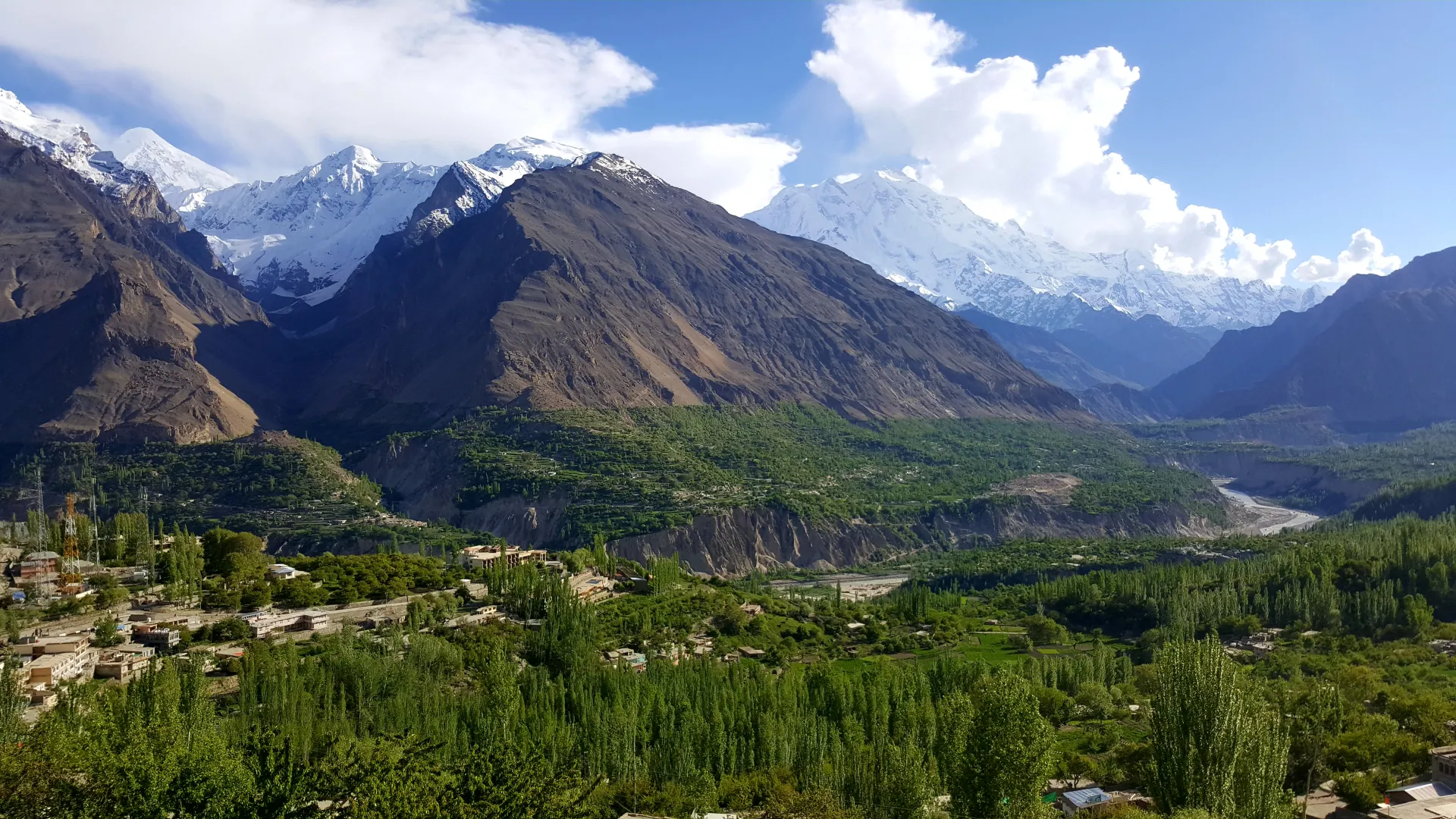
Rakaposhi towering over the Karakoram Highway in the Hunza Valley
Back to Tours
Cultural Gilgit-Baltistan

Gilgit-Baltistan Grand Tour: Hunza, Khunjerab, Skardu and Deosai

The whole north in one summer loop
Rakaposhi towering over the Karakoram Highway in the Hunza Valley
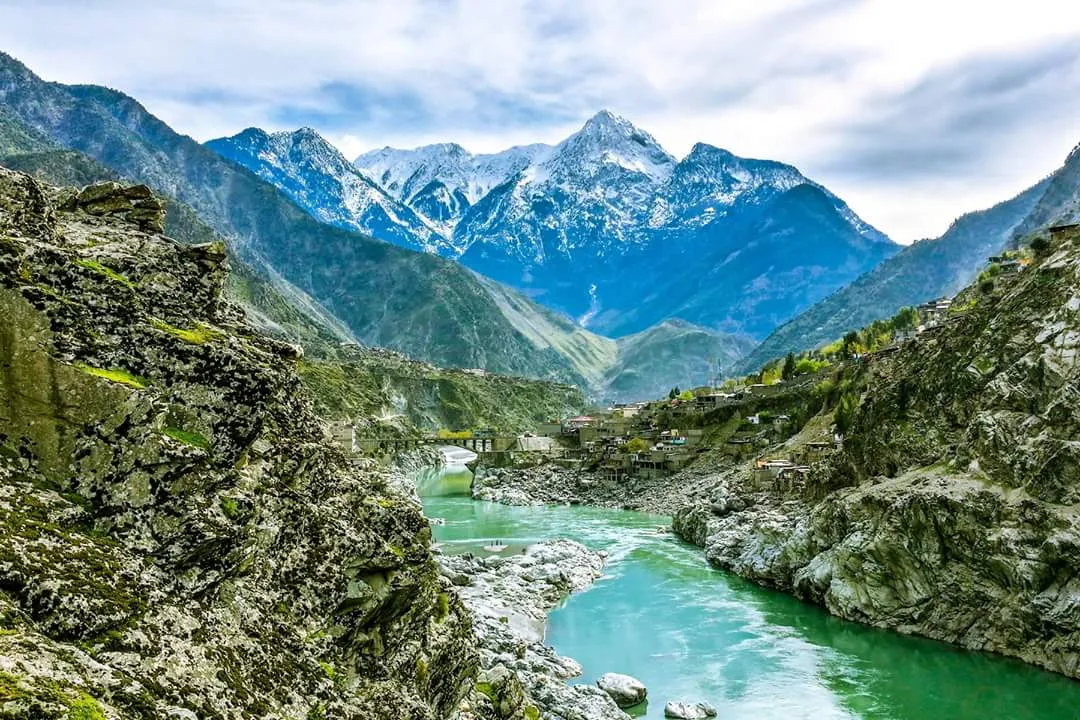
The green Indus River rushing through a Gilgit-Baltistan gorge
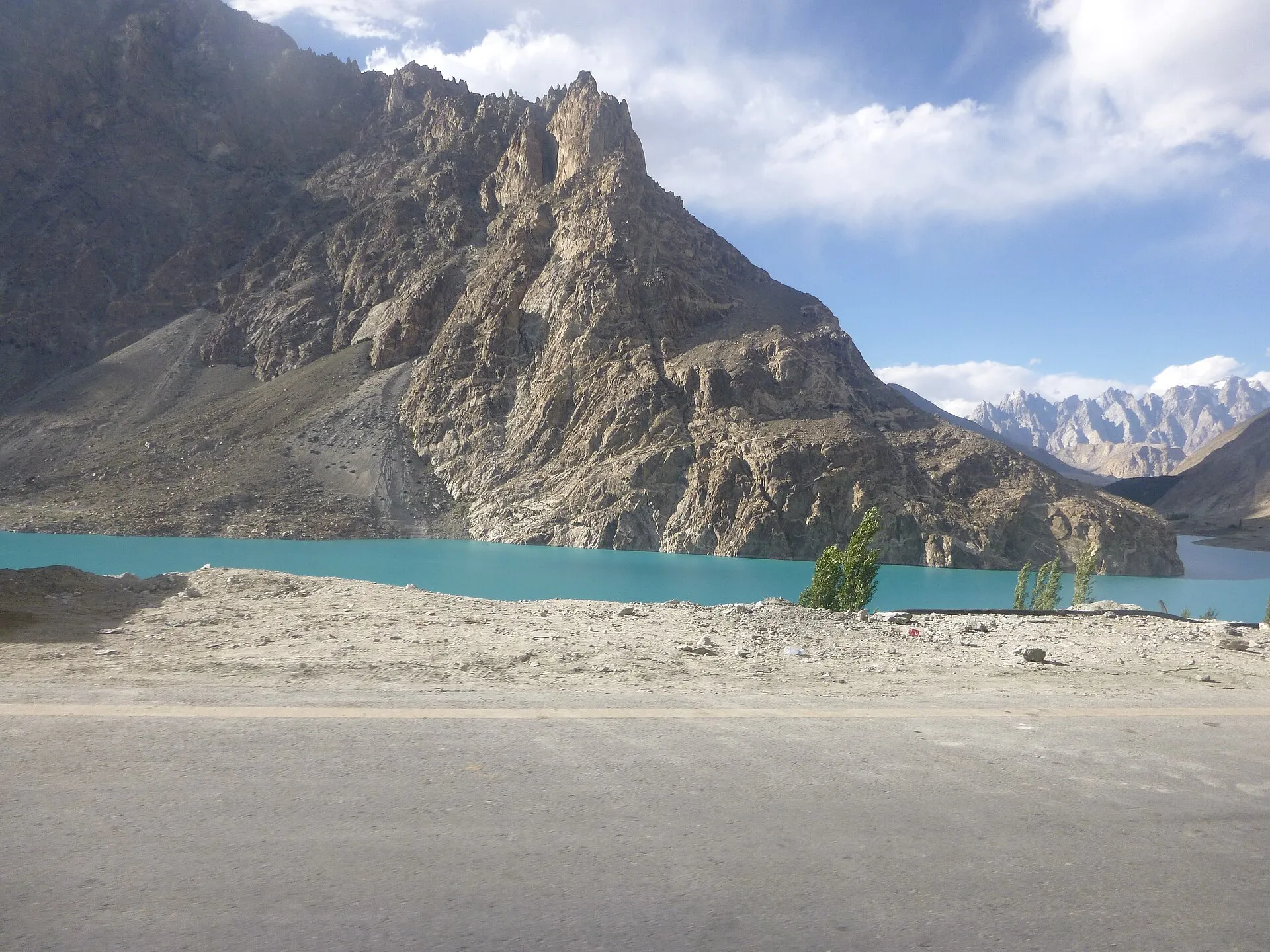
Turquoise Attabad Lake in the Hunza Valley
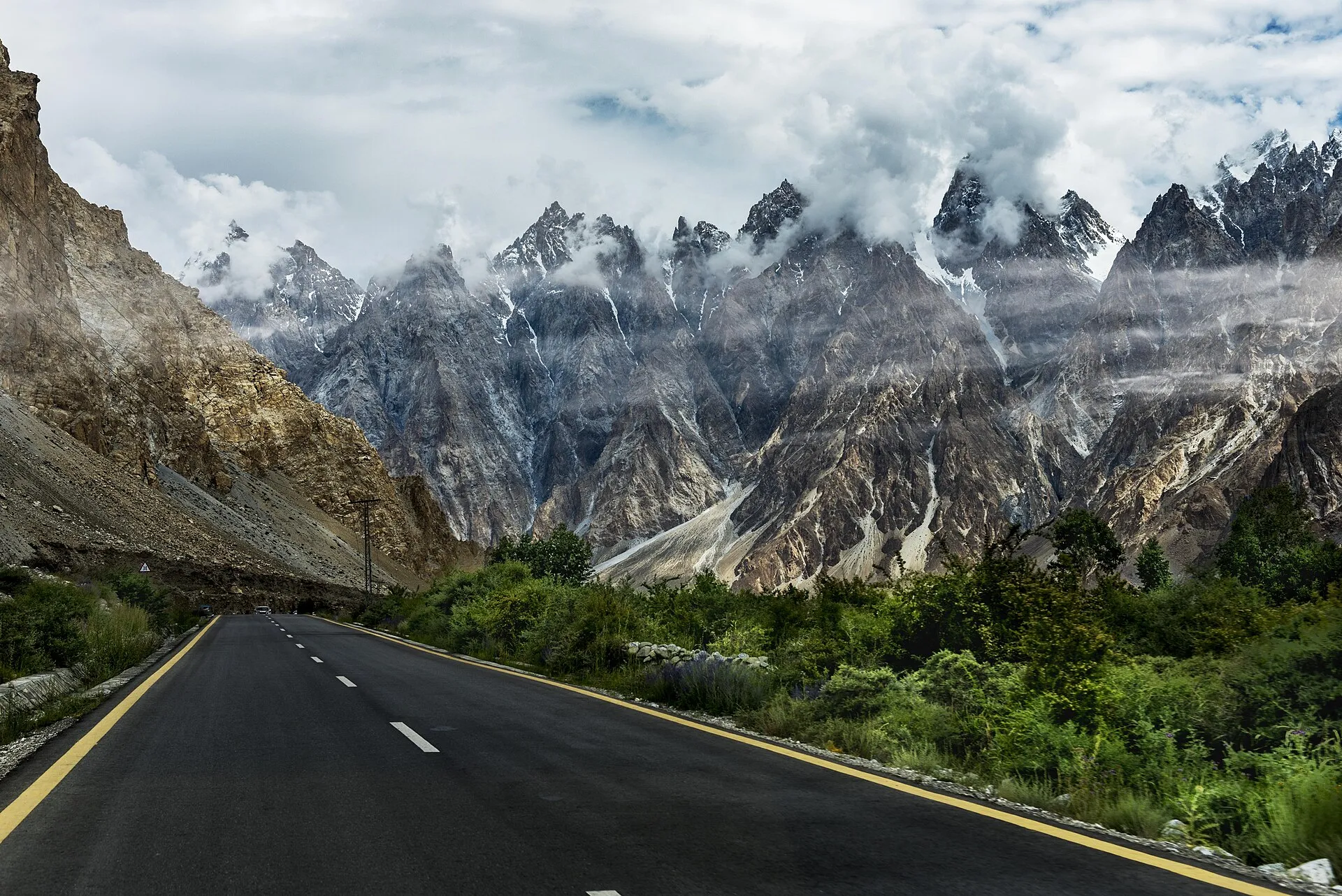
The Karakoram Highway below the Passu Cones
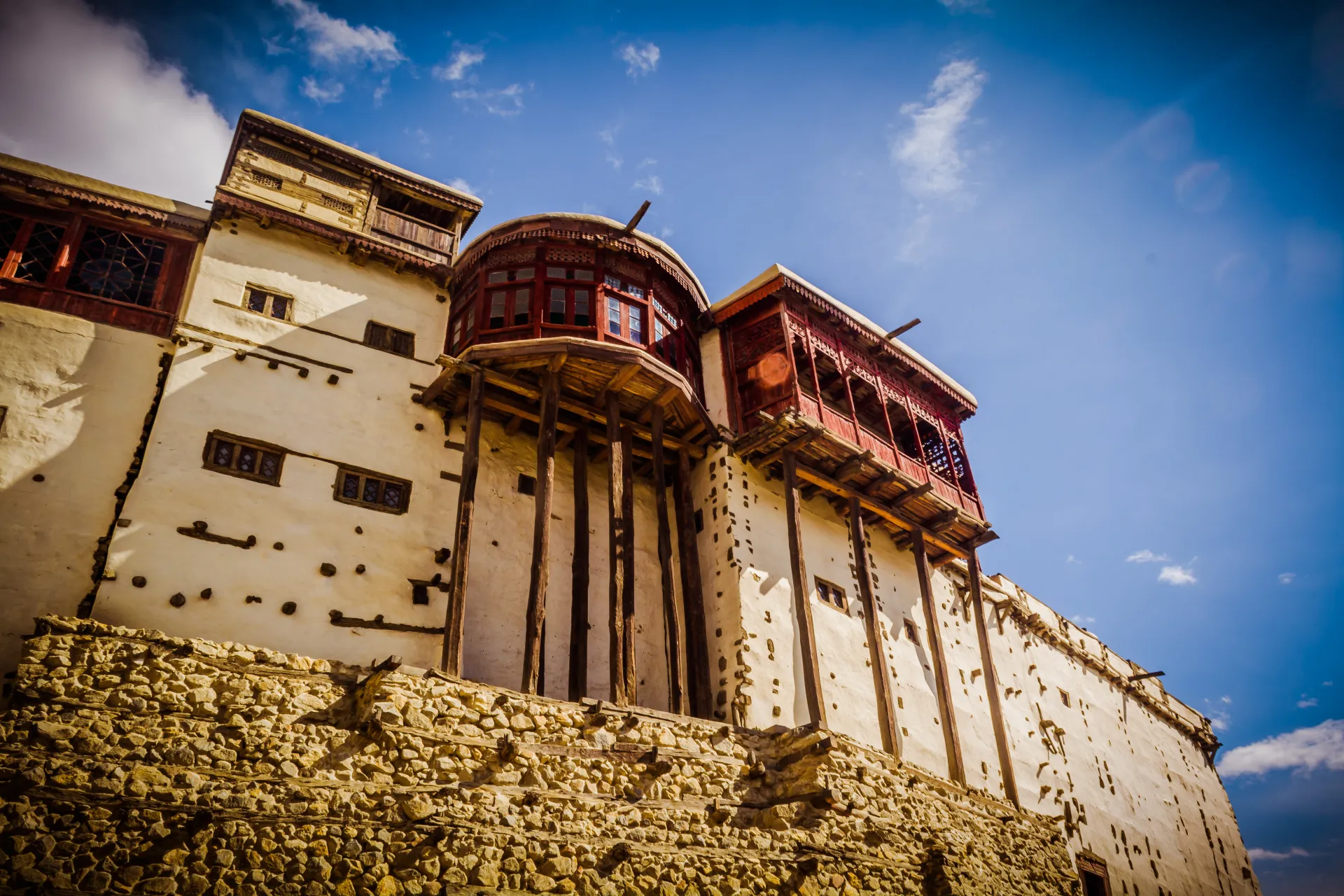
Baltit Fort above Karimabad in the Hunza Valley
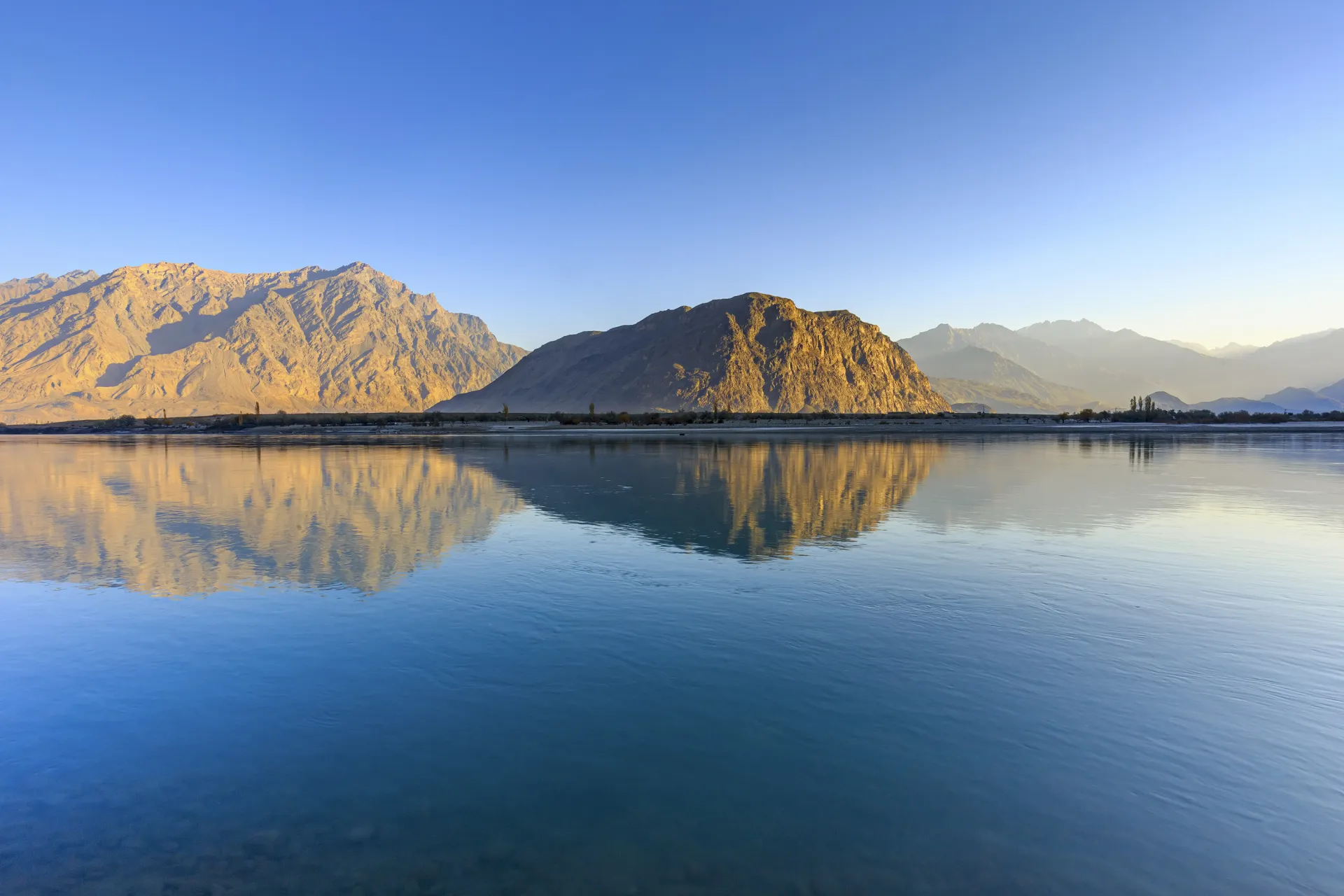
The Indus River at dawn near Skardu
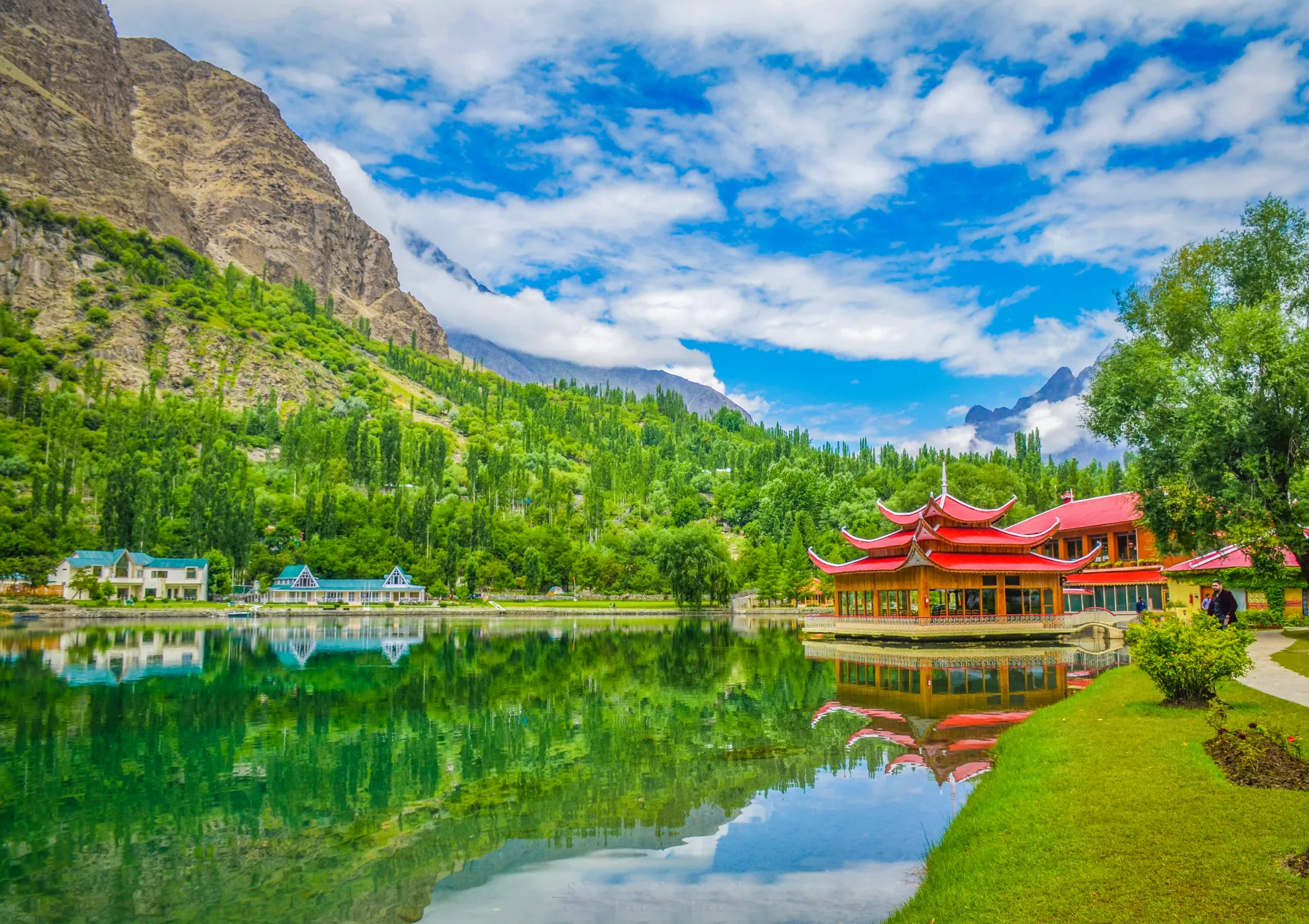
Shangrila Resort beside Lower Kachura Lake near Skardu
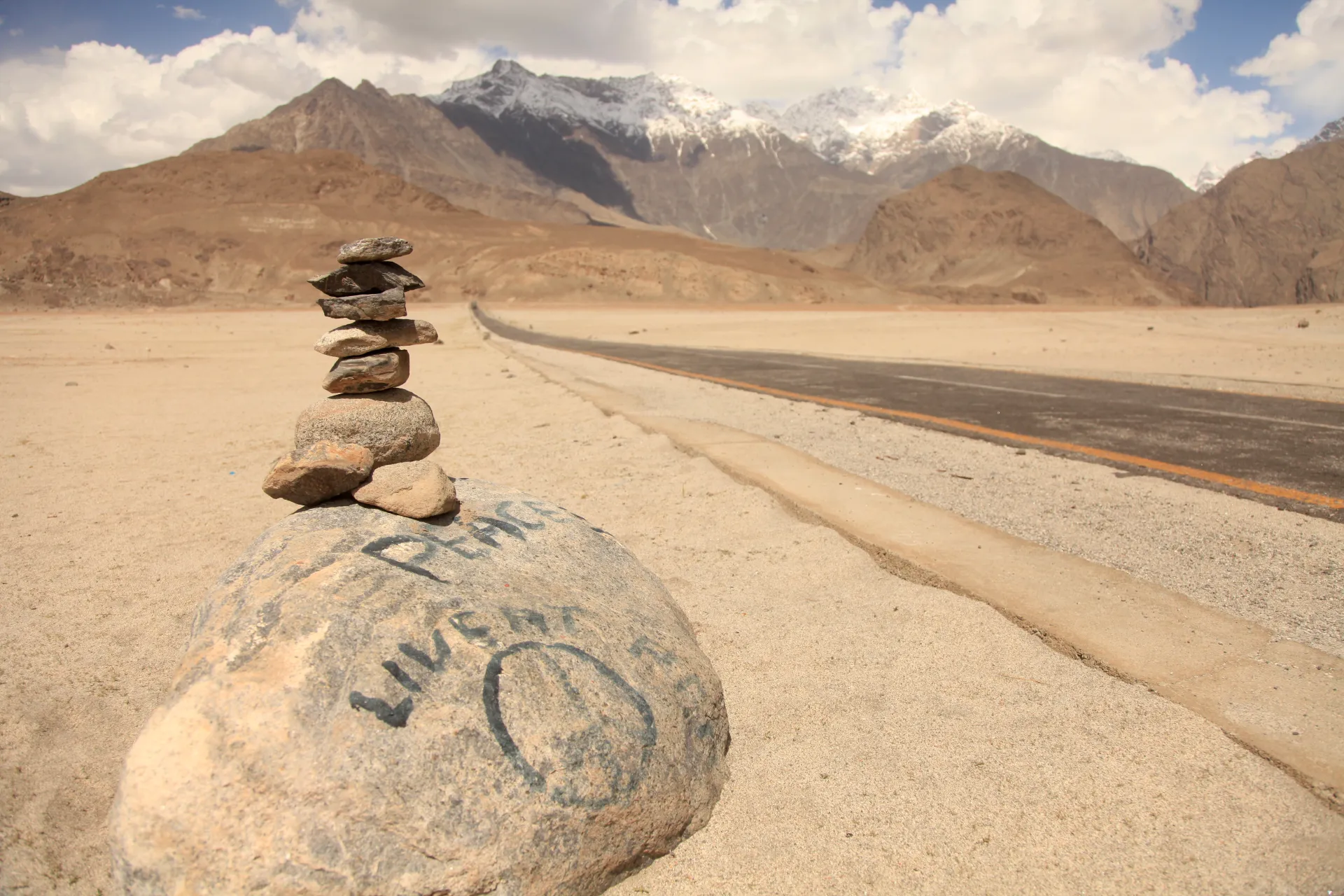
The Katpana Cold Desert near Skardu
The green Hunza Valley at Karimabad below the Karakoram peaks
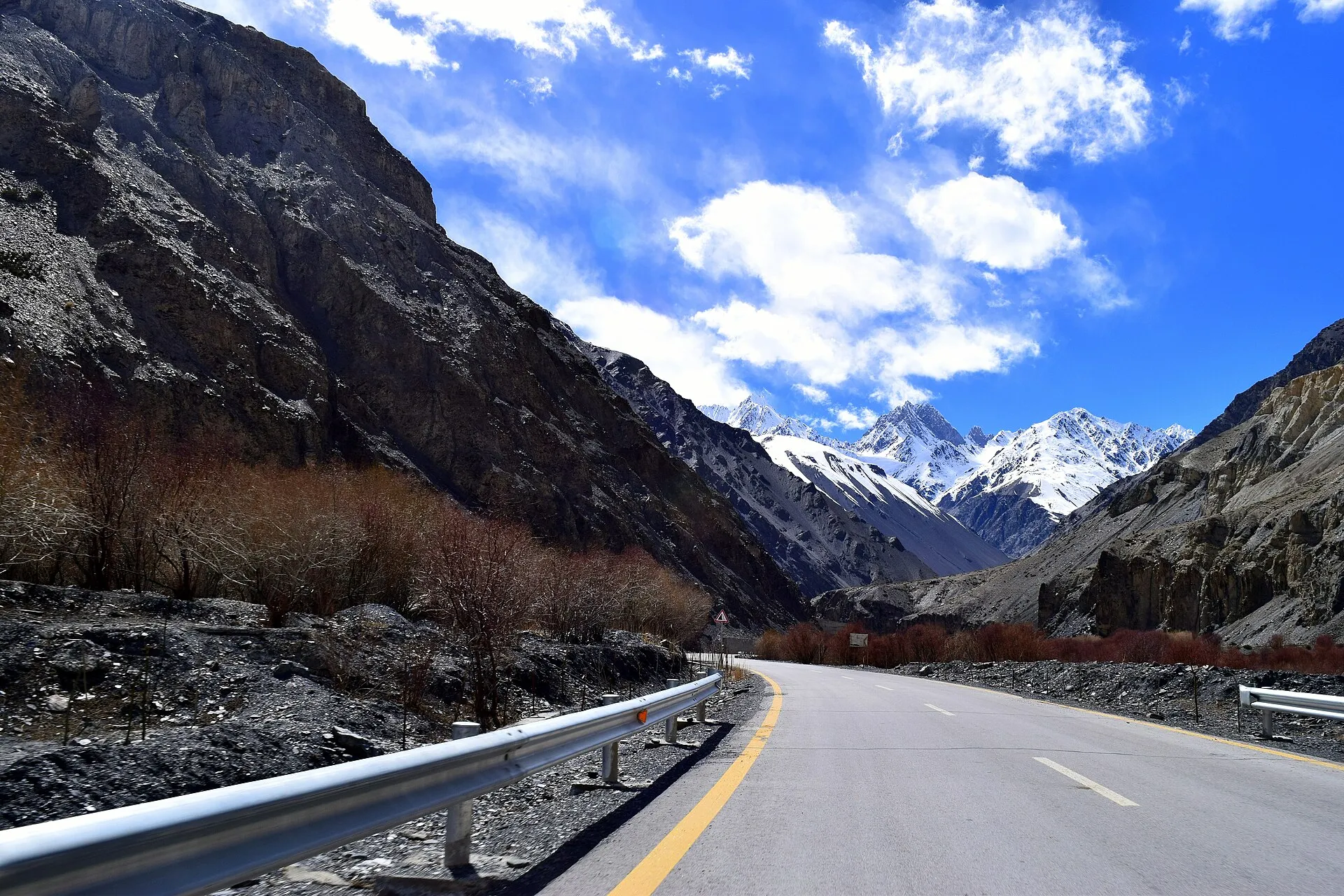
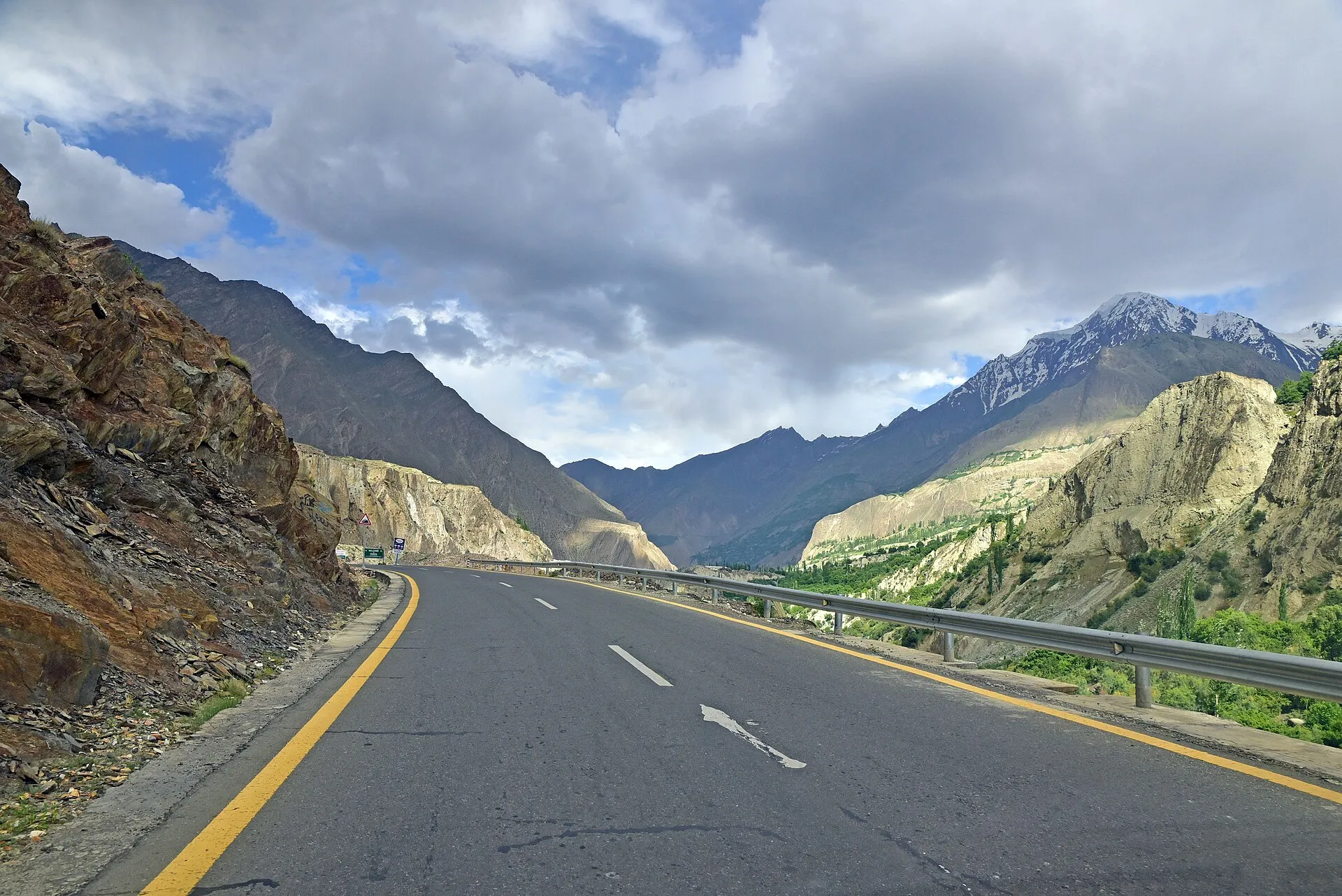
The Karakoram Highway curving beneath snow-capped mountains
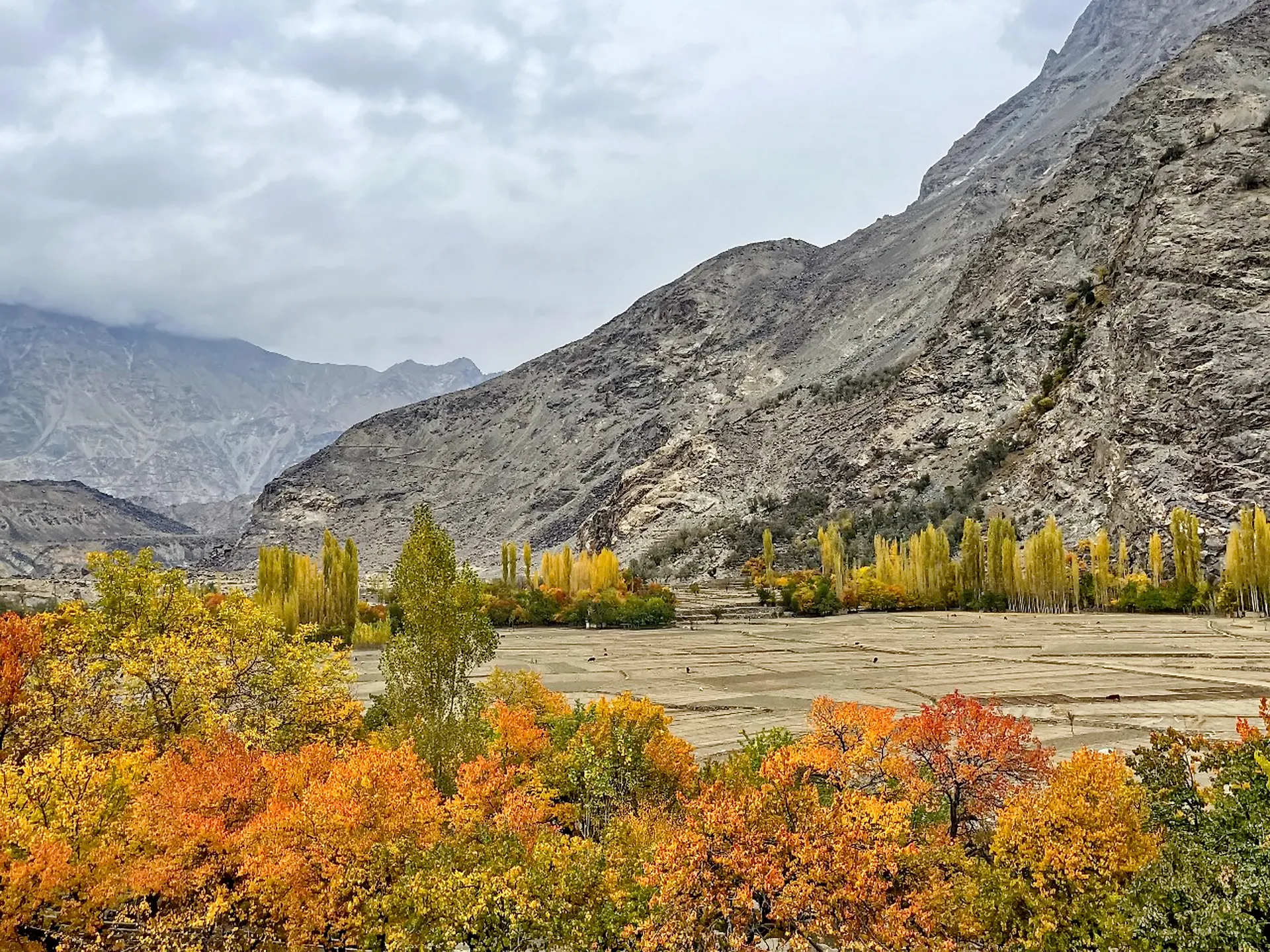
Golden autumn poplars in a Gilgit-Baltistan valley

Last updated: · Reviewed by Javeed Iqbal, Founder

Duration

12-14 Days

Difficulty

Easy

Group Size

2-8 Travelers

Best Season

Jul-Aug

About This Tour

The Grand Tour is the one trip that does the whole of Gilgit-Baltistan in a single loop. Over 12 days it strings together the four things people usually come north for on separate visits: the Hunza Valley, the Khunjerab Pass at 4,693 metres on the China border, the lakes and forts of Skardu, and the Deosai Plateau, the second-highest plateau on Earth. If you have one long trip to give northern Pakistan and want to see all of it done properly, this is that itinerary.

It runs through three mountain systems and an enormous range of country. In Hunza you get Karimabad at about 2,438 metres, the Baltit and Altit forts, Attabad Lake and the Passu Cones, then the full-day climb to the Khunjerab gate. In Baltistan you get Skardu at about 2,228 metres, the Kachura lakes and Shigar Fort. And between them, the centrepiece: Deosai, averaging 4,114 metres, a treeless high plateau of wildflower meadows and the Sheosar Lake at 4,250 metres, set aside in 1993 to protect the Himalayan brown bear.

Deosai is the reason this is a summer-only product. The plateau is snowbound most of the year and is only open roughly mid-June to mid-September, so the whole 12-day tour is gated to that window. July and August are the sweet spot: Deosai open and in flower, the Khunjerab Pass clear, and the warmest, most settled weather across the region. Outside that window the loop simply cannot run as designed.

Over 12 days we run it with a private 4x4 and a dedicated guide, sequencing the two high points, Khunjerab and Deosai, so that altitude builds sensibly rather than hitting you cold. It is graded easy in effort because you ride rather than trek, but it is a big trip with long drive days and two days above 4,000 metres, and we plan it as one continuous loop rather than a rushed checklist.

What the Grand Tour Covers

Hunza comes first. Karimabad at around 2,438 metres under Baltit Fort, the older Altit Fort below it, Attabad Lake formed by the 2010 landslide, and the Passu Cones viewpoint below the 6,106-metre Tupopdan ridge. From upper Hunza the tour makes the full-day run to the Khunjerab Pass at 4,693 metres, the highest paved international border crossing in the world, through Khunjerab National Park where marmots, ibex and, rarely, the snow leopard live.

Then Baltistan. The drive south crosses to Skardu at about 2,228 metres for the Kachura lakes, Shangrila on Lower Kachura, and Shigar Fort, the restored 17th-century Amacha palace an hour out of town. Skardu is the staging point for the plateau.

Deosai is the climax. Averaging 4,114 metres, it is the second-highest plateau on Earth after Tibet's Changtang, a vast treeless sweep of summer wildflowers, marmots and the Himalayan brown bear that the park was created to protect in 1993. At its far side lies Sheosar Lake at 4,250 metres, one of the highest lakes of its size in the region.

Day-by-Day Itinerary

1

Arrive Hunza Valley

Fly to Gilgit when the weather allows, or drive up the KKH, then continue to Karimabad in the Hunza Valley at about 2,438 metres. Settle in and head up to the Eagle's Nest viewpoint above the village for sunset over Rakaposhi and Lady Finger.
3

Karimabad Heritage Day

Slow the loop down for a full day on foot in Karimabad. Two forts sit one above the other here, Baltit on its rise and Altit lower toward the river, both brought back from ruin by the Aga Khan Trust, and the lanes between them still smell of apricot drying on the flat roofs. This is the cultural heart of the trip, before the high country takes over.
4

Attabad Lake and Passu

A short cruise on Attabad, the blue lake a 2010 landslide dammed into being, then on through the Friendship Tunnels that carry the highway past it. We end the day at Passu, where the saw-toothed Cones rear up under the 6,106-metre Tupopdan ridge, and sleep in upper Hunza to set up tomorrow's long climb to the border.
5

Khunjerab Pass

The loop's first big altitude day. We run up from upper Hunza past Sost and its customs post to the border gate at 4,693 metres, the world's highest paved frontier crossing, scanning the Khunjerab park slopes for marmots and ibex on the way. We hold the stop at the top brief, let nobody linger into a headache, and drop back down to sleep low.
6

Hunza to Gilgit

Drive back down the KKH to Gilgit, stopping at the Rakaposhi viewpoint café at Ghulmet beneath the 7,788-metre face. Explore the Gilgit bazaar and the Kargah Buddha rock carving on the edge of town.
7

Gilgit to Skardu

Turn off the KKH at the Jaglot junction and drive the repaved Indus gorge road to Skardu, roughly 2.5 to 3 hours from the turn-off. Arrive in Skardu at about 2,228 metres and check in near Shigar.
8

Shangrila and the Kachura Lakes

A lakes day around Skardu. Visit the Shangrila resort on Lower Kachura at about 2,500 metres, then walk or boat across to the deeper, clearer Upper Kachura Lake.
9

Deosai Plateau

The second high day: a full 4x4 crossing of the Deosai Plateau, averaging 4,114 metres, the second-highest plateau on Earth. Cross the summer wildflower meadows to Sheosar Lake at 4,250 metres and watch for marmots and the Himalayan brown bear the park was created to protect.
10

Skardu Forts and Cold Desert

Back at lower altitude in Skardu, visit Kharpocho Fort above the Indus, Satpara Lake in its bowl above town, and the Sarfaranga cold desert at around 2,300 metres. An easier day after Deosai.
11

Shigar Valley and Leisure

Explore Shigar Fort, the restored 17th-century Amacha palace, and the old village and orchards of the Shigar valley around it, with the afternoon left free to rest before the return.
13

Skardu to Gilgit

Drive back up the Indus gorge to Gilgit for the last night, with a farewell dinner. On a flight-out plan, this is a leisure day in Skardu instead.
14

Return to Islamabad

Take the scenic flight to Islamabad when the weather allows, or drive the KKH south. The tour ends in Islamabad.

Best Time for the Grand Tour and Deosai

July and August are the optimal months and the trip is summer-only. The hard constraint is Deosai, which is snowbound most of the year and only accessible roughly mid-June to mid-September. The Khunjerab Pass needs to be clear in the same window, which it reliably is from about May to October, so high summer is where the two overlap best.

We do not run this loop outside the Deosai window, because the plateau is the centrepiece and a Grand Tour without it is just two separate trips. Booking for July or August also gives you the warmest weather, the wildflower bloom on Deosai and the best odds on any flight legs.

How Hard Is It, and the Altitude

In effort it is easy: you are a passenger in a 4x4, not a trekker, and there is no climbing involved. The challenge is distance and altitude. This is a big loop with several long drive days, and it includes two days above 4,000 metres, the Khunjerab Pass at 4,693 metres and the Deosai crossing at over 4,100 metres.

We sequence the trip so that altitude builds rather than spikes, putting time in Hunza and Skardu at 2,200 to 2,500 metres before the high days, and we keep time at the very top short. Even so, the Khunjerab and Deosai double is demanding for anyone with heart or lung conditions, and we ask guests to be honest about their health before booking.

Prefer Just One Region?

The Grand Tour combines four of our trips into one summer loop, and any of them can be booked on its own if you have less time or want to go deeper in one place. If Hunza is the draw, the Hunza Valley tour gives you the forts, Attabad and the Passu Cones at a slower pace. For Baltistan on its own there is the Skardu scenic route with the lakes, the cold desert and the forts, and for the plateau alone there is the dedicated Deosai tour. And if the high border is what you came for, the Khunjerab Pass tour runs it as the headline. The Grand Tour is for travellers who want all of it on one trip.

Where Is Gilgit-Baltistan?

Gilgit-Baltistan is the northernmost region of Pakistan, a vast mountain territory where the Karakoram, the Himalaya and the Hindu Kush ranges meet, bordering China to the north, Afghanistan's Wakhan corridor to the west and Indian-administered Kashmir to the south-east. Its main hubs are Gilgit and Skardu, and its best-known valleys, Hunza, Nagar, Shigar and the Deosai Plateau, are the backbone of this grand tour. This is the high heart of the country: it holds K2 and four more of the world's fourteen 8,000-metre peaks, hundreds of glaciers and some of the highest road passes on Earth. Most travellers reach it either by the short flight from Islamabad to Gilgit or Skardu, or overland up the Karakoram Highway, the same route our tour follows through the mountains.

What Makes Gilgit-Baltistan Special

Not many places pack so much into one region. Gilgit-Baltistan has the greatest concentration of high peaks anywhere outside the Everest region, including K2, Nanga Parbat, Rakaposhi and the Baltoro giants, alongside the world's second-highest plateau at Deosai, the turquoise Attabad Lake and the Shandur polo ground. It was a crossroads of the ancient Silk Road, and that history shows in the Buddhist rock carvings along the Indus, the centuries-old forts of Hunza and a patchwork of languages, from Burushaski and Shina to Balti and Wakhi, that changes valley by valley. The result is a rare combination of mountain scenery and living culture, which is exactly why the grand tour strings Hunza, Khunjerab, Skardu and Deosai together rather than visiting just one.

Why Book With Us

We run every component of this loop in its own right, so the Grand Tour is not a stitched-together experiment: it is four trips we know cold, sequenced into one. We base the whole thing in summer for a reason, because Deosai only opens roughly mid-June to mid-September and we will not sell a Grand Tour that cannot reach its centrepiece. Our guides are local to Gilgit-Baltistan, we order the altitude so the Khunjerab and Deosai days build sensibly, and we hold road fallbacks for any flight leg. Twelve days is a lot of country, and we have run this exact ground often enough to pace it rather than race it.

What's Included

Premium accommodation throughout (Serena properties, boutique hotels)
Scenic mountain flights where weather allows, with private road fallback
Private luxury 4x4 with professional driver
All meals, from fine dining to curated local tables
Dedicated English-speaking luxury guide for entire tour
All entry fees, permits, boat rides, and VIP arrangements

Not Included

International flights
Travel insurance
Personal expenses and tips

Frequently Asked Questions

What does the Gilgit-Baltistan Grand Tour include?

It includes four regions in one 12-day loop: the Hunza Valley, the Khunjerab Pass at 4,693 metres, the lakes and forts of Skardu, and the Deosai Plateau. It is built for travellers who want to see all of Gilgit-Baltistan on a single trip rather than several. Hunza means Karimabad, the Baltit and Altit forts, a cruise on Attabad Lake and the Passu Cones, then a full day up to the Khunjerab border gate. In Baltistan we cover the Kachura lakes, Kharpocho Fort, Satpara Lake, the Sarfaranga cold desert and Shigar Fort, with a full 4x4 crossing of Deosai to Sheosar Lake in between. The price covers premium accommodation such as Serena properties and boutique hotels, a private 4x4 with a professional driver, all meals, a dedicated English-speaking guide, entry fees, permits and boat rides. Scenic flights are included where the weather allows, with a private road fallback. International flights, travel insurance, tips and personal expenses are not included.

When is the best time for the Grand Tour?

July and August, and the trip is summer-only. The limiting factor is Deosai, which is snowbound most of the year and only open roughly mid-June to mid-September; the Khunjerab Pass is also reliably clear in the same window. Khunjerab is usually passable from about May to October, so it is the plateau that really sets the calendar, and high summer is where the two overlap best. Booking for July or August also gets you the warmest and most settled weather across the region, with Deosai in full wildflower bloom. It gives you the best odds on the flight legs too, since the mountain flights to and from Gilgit and Skardu depend on clear skies. We do not run the loop outside the Deosai window. If your dates fall earlier or later, one of the single-region trips may suit you better, and we will tell you honestly which of them works in your month.

Why can't I do this tour in spring or autumn?

Because Deosai is the centrepiece and the plateau is only accessible roughly mid-June to mid-September. For most of the year it lies under snow, and outside that window the loop cannot reach it. We could sell a spring or autumn version that skips the plateau, but then the Grand Tour becomes two separate trips joined by a long drive, so we keep it strictly to high summer rather than sell a version that drops its highlight. The rest of the route is not the problem. The Khunjerab Pass has a wider season of roughly May to October, and the valleys are open for longer still. If spring blossom or autumn colour is what you are after, look at the single-region trips instead, such as the Hunza Valley tour or the Khunjerab Pass tour. Tell us your dates and we will say plainly which of them runs well in that month and what you would miss.

How hard is the Grand Tour?

In effort it is easy, since you travel by private 4x4 rather than trek, and there is no climbing at any point. The real demands are distance and altitude. This is a big loop with several long drive days, including the full-day run up to the Khunjerab gate and the Indus gorge road to Skardu, which is roughly 2.5 to 3 hours from the Jaglot turn-off alone. There are also two days above 4,000 metres: the Khunjerab Pass at 4,693 metres and the Deosai crossing, which averages 4,114 metres. We sequence those so altitude builds gradually, with time in Hunza and Skardu at 2,200 to 2,500 metres before each high day. Walking is limited to optional strolls, like the Karimabad lanes between the two forts or the walk across to Upper Kachura Lake. Easier days are built in as well, such as the Skardu forts day after Deosai and the free afternoon in Shigar before the return.

Will I have altitude problems on this tour?

Most guests are fine because we order the trip to acclimatise, putting days in Hunza and Skardu at 2,200 to 2,500 metres before the high crossings and keeping time at the very top short. At the Khunjerab border gate, 4,693 metres, we hold the stop brief so nobody lingers into a headache, then drop back down to sleep low. Deosai is crossed by 4x4 in a single day. It averages 4,114 metres, with Sheosar Lake at 4,250 metres, and the following day is spent back at lower altitude around Skardu, which gives your body a rest. The Khunjerab and Deosai double is still demanding for anyone with heart or lung conditions, so tell us about your health before booking. On the high days, drink plenty of water, move slowly and tell your guide early about any headache, nausea or poor sleep. Our guides are local to Gilgit-Baltistan and used to pacing these days.

Is Deosai worth visiting?

Yes. Deosai is the second-highest plateau on Earth after Tibet's Changtang, averaging 4,114 metres, and it is the single most distinctive landscape on the whole loop. In summer it is a treeless expanse of wildflower meadows and marmots, and the park was set aside in 1993 to protect the Himalayan brown bear, which you can watch for as you cross. Sheosar Lake lies at 4,250 metres at its edge, one of the highest lakes of its size in the region. We give the plateau a full day, crossing it by 4x4 from Skardu with time at Sheosar and stops wherever the wildlife shows. It is only reachable roughly mid-June to mid-September, which is why the whole Grand Tour runs in that window, and July and August are best for the flowers. If the plateau is your main reason for coming, we also run a dedicated Deosai tour that gives it more time than the loop can.

Can I book just Hunza or just Skardu instead?

Yes. Each region of the Grand Tour is also sold on its own: the Hunza Valley tour, the Skardu scenic route, the dedicated Deosai tour and the Khunjerab Pass tour. The Grand Tour is for travellers who want all four combined in one summer trip. A single region makes sense if you have less time or want to go deeper in one place. The Hunza Valley tour gives you the forts, Attabad Lake and the Passu Cones at a slower pace than the loop allows. The Skardu scenic route covers the lakes, the Sarfaranga cold desert and the forts of Baltistan. The Deosai tour is built around the plateau alone, while the Khunjerab Pass tour makes the high border crossing the headline rather than one day among twelve. Tell us your dates and interests and we will suggest the best fit.

How do I get to and from the tour?

We start in Hunza via a Gilgit flight or the KKH drive, and finish from Skardu by flight or road back to Islamabad. On day one you fly to Gilgit when the weather allows, or drive the Karakoram Highway, then continue to Karimabad at about 2,438 metres. At the end, the standard plan drives from Skardu back up the Indus gorge to Gilgit for a last night and a farewell dinner. On the final day you take the scenic flight to Islamabad or drive the KKH south, and the tour ends in Islamabad. On a plan that flies out of Skardu, that second-last day becomes a leisure day in Skardu instead. Because the PIA mountain flights are weather-dependent and often delayed, we hold a road fallback for every flight leg. Scenic flights are included where the weather allows. International flights are not, so plan to be in Islamabad before the start.

Where is Gilgit-Baltistan?

Gilgit-Baltistan is the northernmost region of Pakistan, where the Karakoram, Himalaya and Hindu Kush ranges meet. It borders China to the north, Afghanistan's Wakhan corridor to the west and Indian-administered Kashmir to the south-east. Its main towns are Gilgit and Skardu, and its famous valleys include Hunza, Nagar, Shigar and the Deosai Plateau, which together form the backbone of this tour. It is the high heart of the country, holding K2 and four more of the world's fourteen 8,000-metre peaks, hundreds of glaciers and some of the highest road passes on Earth, among them the Khunjerab at 4,693 metres on the China border. Most travellers reach it by the short flight from Islamabad to Gilgit or Skardu, or overland up the Karakoram Highway. Our Grand Tour uses both hubs. It starts in Hunza, north of Gilgit, and crosses to Skardu in Baltistan on the Indus gorge road, turning off the KKH at the Jaglot junction.

What is Gilgit-Baltistan known for?

Its mountains above all. Gilgit-Baltistan holds K2 and four more 8,000-metre peaks, Nanga Parbat, Rakaposhi, the Baltoro glaciers and the world's second-highest plateau at Deosai, plus Hunza's forts, Attabad Lake and the Shandur polo ground. It has the greatest concentration of high peaks anywhere outside the Everest region. It was also a hub of the ancient Silk Road, with rock carvings and a rich mix of cultures and languages. You can still see that history in the Buddhist carvings along the Indus, in the Kargah Buddha on the edge of Gilgit, which we visit on this tour, and in the centuries-old forts of Hunza. The languages change valley by valley, from Burushaski and Shina to Balti and Wakhi. For a visitor that means mountain scenery and living culture on the same trip, and it is the reason our Grand Tour strings Hunza, the Khunjerab Pass, Skardu and Deosai together instead of picking only one of them.

How do you get to Gilgit-Baltistan?

Two ways: fly from Islamabad to Gilgit or Skardu in about an hour, or drive up the Karakoram Highway, roughly two days with overnight stops. The flights are scenic but weather-dependent and often cancelled, so we always hold a road fallback. This tour uses whichever is running best on your dates. Flying is quicker and saves two long days on the road, but it needs clear weather over the mountains, and a cloudy morning can ground it. The KKH is slower and far more dependable, and the drive north has plenty to look at. Within the region, Gilgit and Skardu are linked by the repaved Indus gorge road, which leaves the KKH at the Jaglot junction, and that is how the Grand Tour crosses from Hunza to Baltistan. Scenic flights are included in the price where the weather allows. If one is cancelled, we switch to the road rather than lose a day waiting at the airport.

Is Gilgit-Baltistan safe for tourists?

Yes. Gilgit-Baltistan is one of the calmest and most welcoming parts of Pakistan for travellers, with very low crime and a strong tradition of hospitality. The genuine risks are mountain ones, altitude, weather and rough roads, rather than security. We travel with local guides and drivers who know the region and its conditions. On this tour we handle each of those directly. You travel in a private 4x4 with a professional driver, so you are never relying on public transport on mountain roads. We keep the two high days, Khunjerab and Deosai, short at the top and build altitude gradually beforehand. For weather, there is a road fallback for every flight leg, since the mountain flights are often delayed or cancelled. We also ask you to tell us about any heart or lung condition before booking, because the high crossings are demanding. Travel insurance is not included in the price, and we recommend a policy that covers travel at altitude.

From

$6,500

per person

* Prices may vary. Contact us for accurate, customized pricing.

Duration12-14 Days
DifficultyEasy
Group Size2-8 Travelers
Best SeasonJul-Aug
Max Altitude4,693m
Book This Tour Ask a Question

Free cancellation up to 30 days before departure

Ready for Your Next Adventure?

Join our community of explorers and discover the journey of a lifetime. Our expert team is ready to help you plan your perfect expedition.