ツアー一覧に戻る
文化 ギルギット・バルティスタン
ギルギット・バルティスタン グランドツアー:フンザ、クンジェラブ、スカルドゥ、デオサイ 北部全体を一つの夏の周回で
最終更新 : 2026年7月 · 監修:Javeed Iqbal(創業者)
ツアーについて
Grand Tourは、Gilgit-Baltistan全体を一つの周回で巡る唯一の旅です。12日間で、人々がふつう別々の訪問で北部を訪れる4つのものを一つにつなぎます。Hunza Valley、中国国境の標高4,693メートルのKhunjerab Pass、Skarduの湖と城塞、そして地球で2番目に高い高原Deosaiです。北部パキスタンに長い旅を一度だけ捧げ、そのすべてをきちんと見たいなら、これがその行程です。
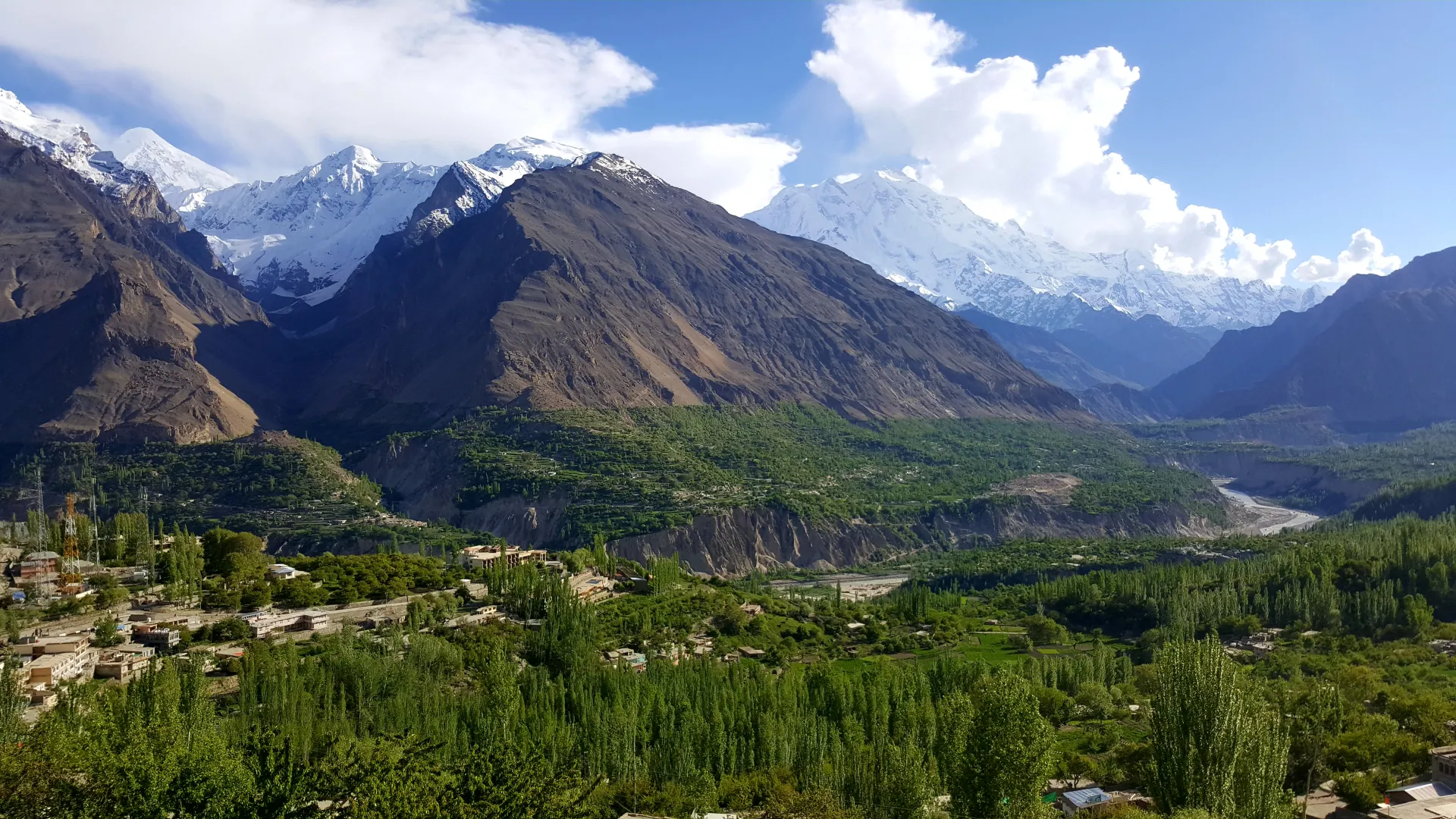
3つの山系と途方もなく広大な地を巡ります。Hunzaでは標高約2,438メートルのKarimabad、BaltitとAltitの城塞、Attabad LakeとPassu Cones、そしてKhunjerabの関門への丸一日の登り。Baltistanでは標高約2,228メートルのSkardu、Kachuraの湖々とShigar Fort。そしてその間に、目玉が。平均標高4,114メートルのDeosaiは、野の花の草原の広がる木のない高原で、標高4,250メートルのSheosar Lakeを擁し、ヒマラヤヒグマを守るため1993年に保護区とされました。
Deosaiこそが、これを夏限定の商品にしている理由です。高原は1年の大半を雪に閉ざされ、おおよそ6月中旬から9月中旬しか開かないため、12日間のツアー全体がその時期に縛られます。7月と8月が最適です。Deosaiが開いて花咲き、Khunjerab Passが晴れ、地域全体で最も暖かく安定した天候です。その時期以外、この周回は設計どおりには成立しません。
12日間、私たちは専用の4x4と専任ガイドで催行し、2つの最高地点であるKhunjerabとDeosaiを、標高が不意に襲うのではなく無理なく上がるよう順序立てます。トレックではなく乗るので労力は易しいと評価されますが、長い運転の日と4,000メートル超の2日間を含む大きな旅で、急いだチェックリストではなく一つの連続した周回として計画します。
Grand Tourがカバーするもの
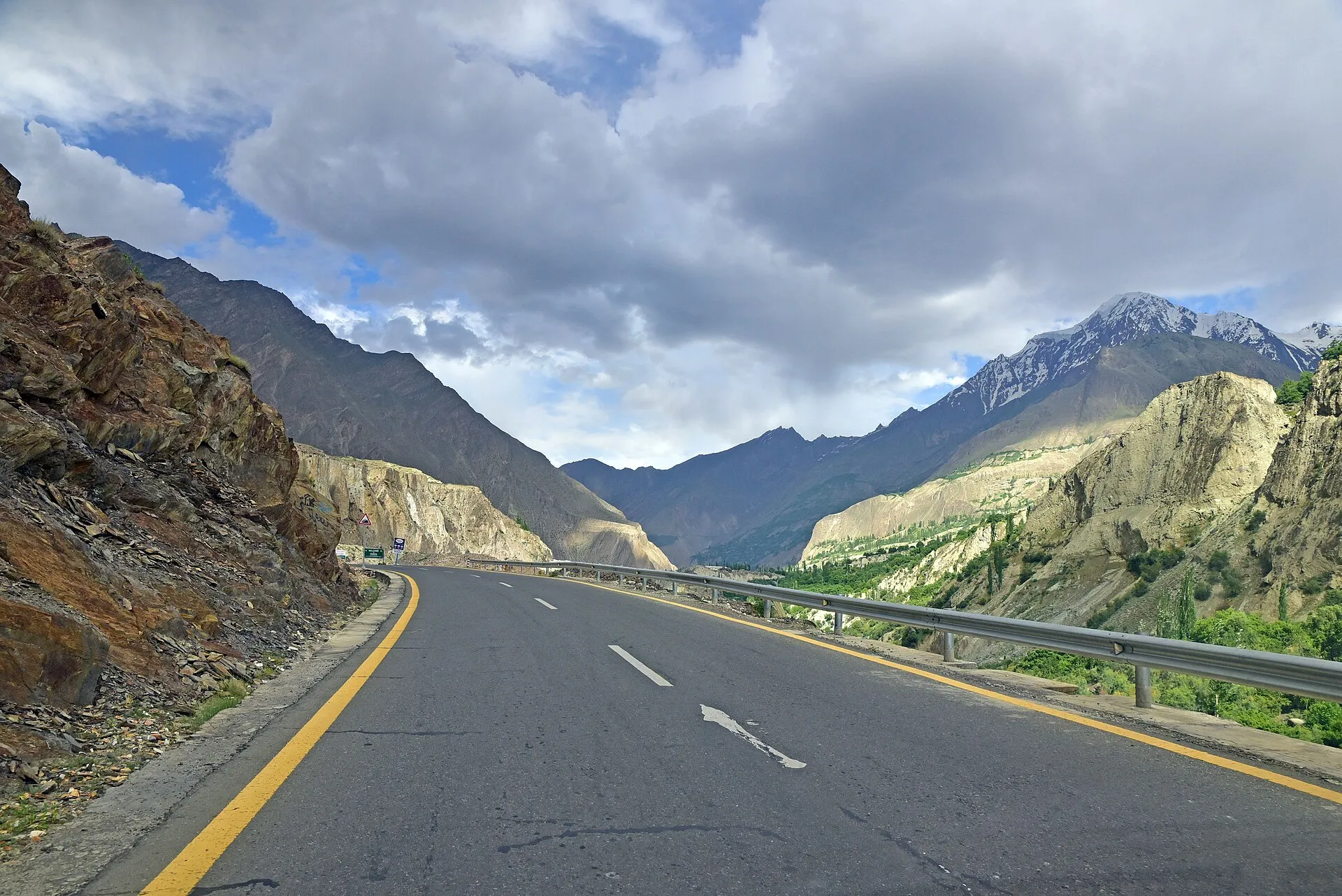
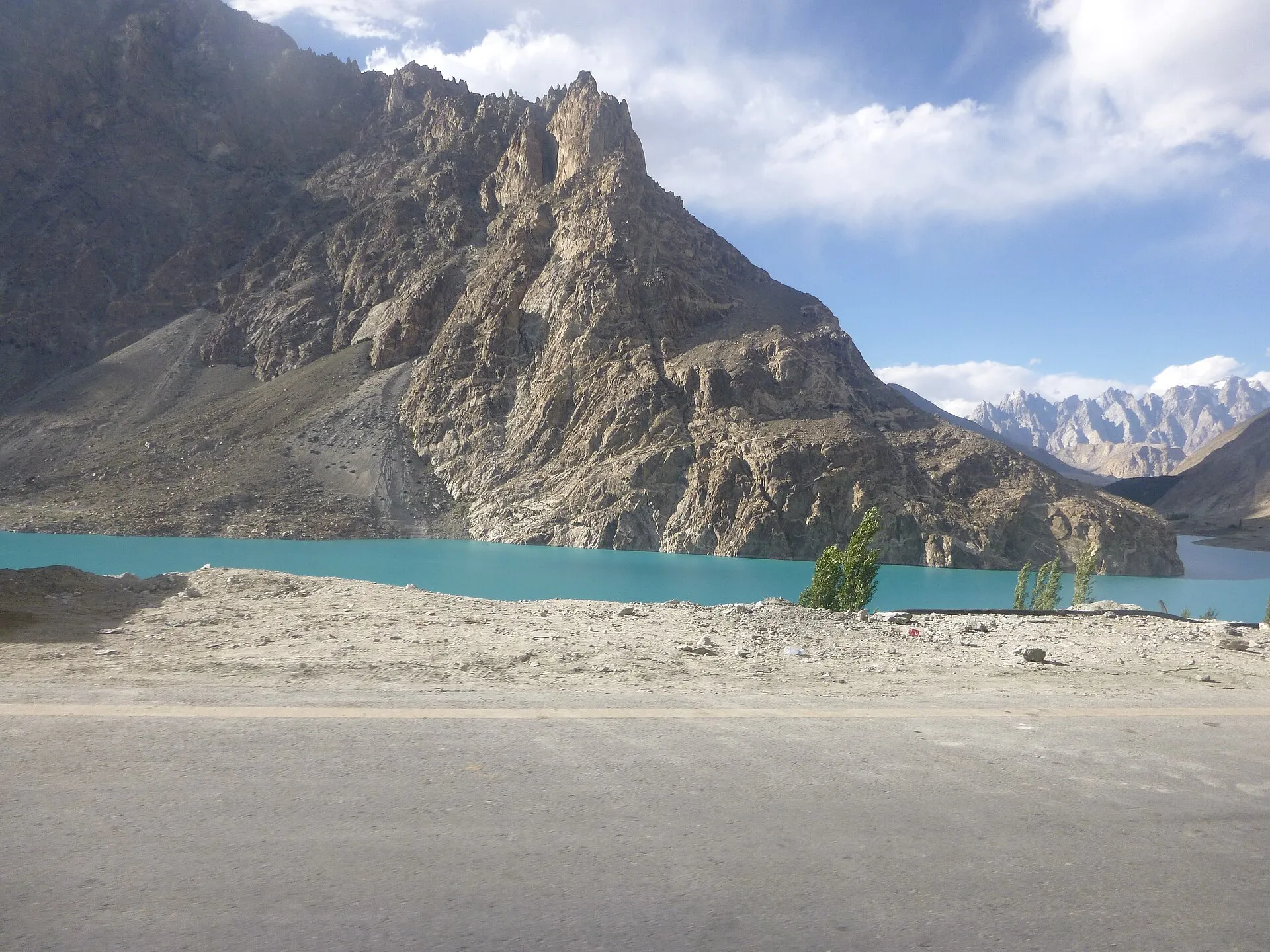
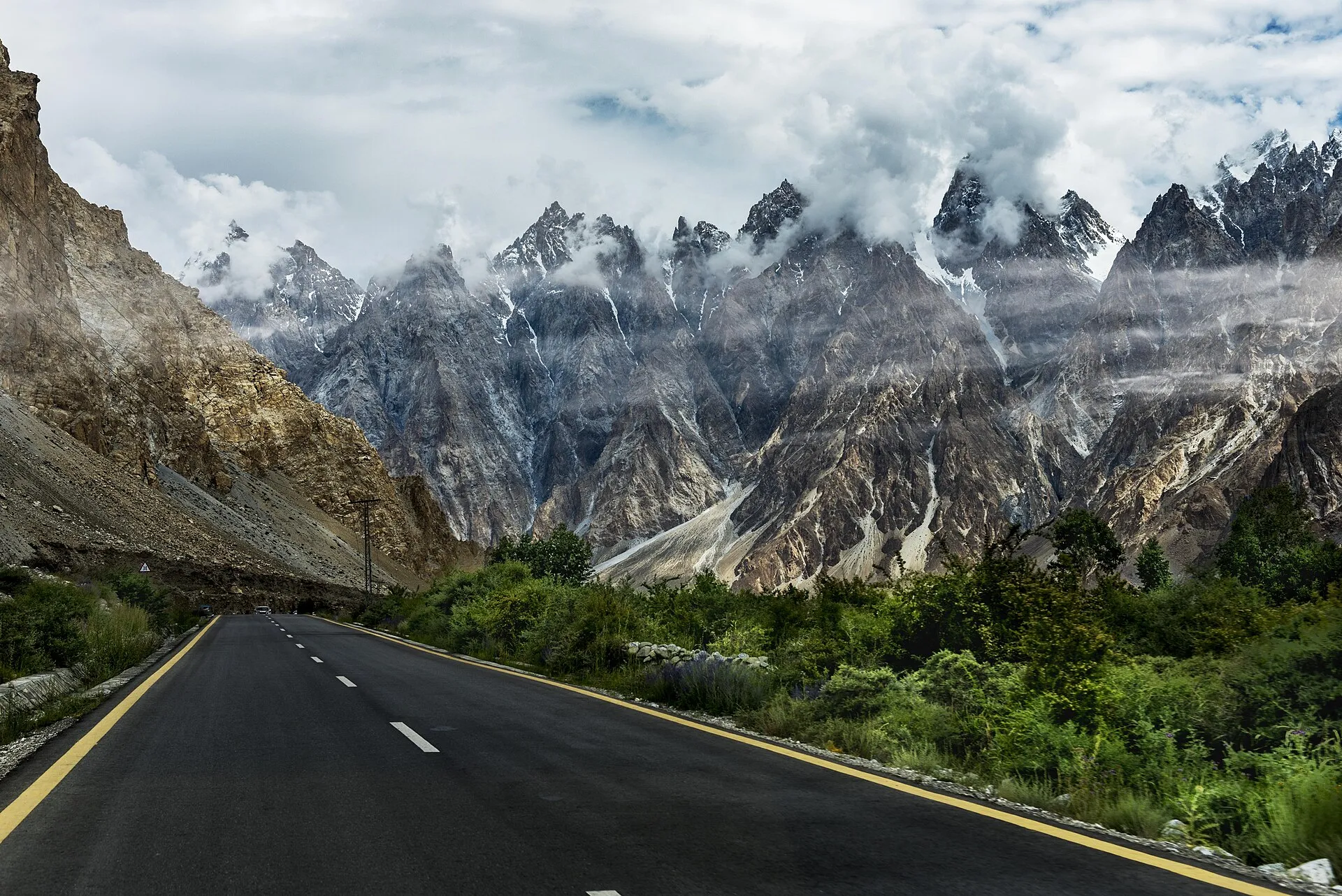
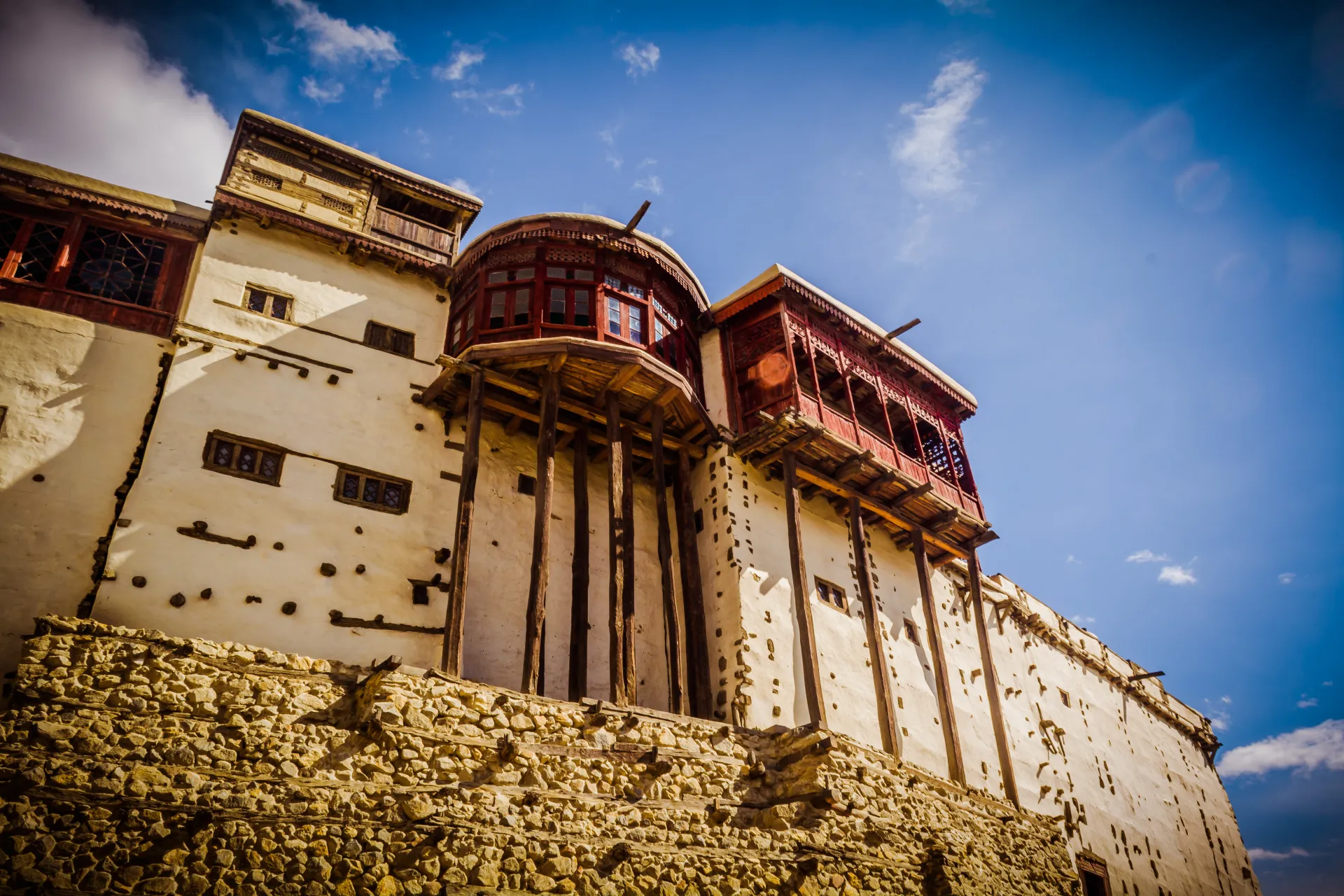
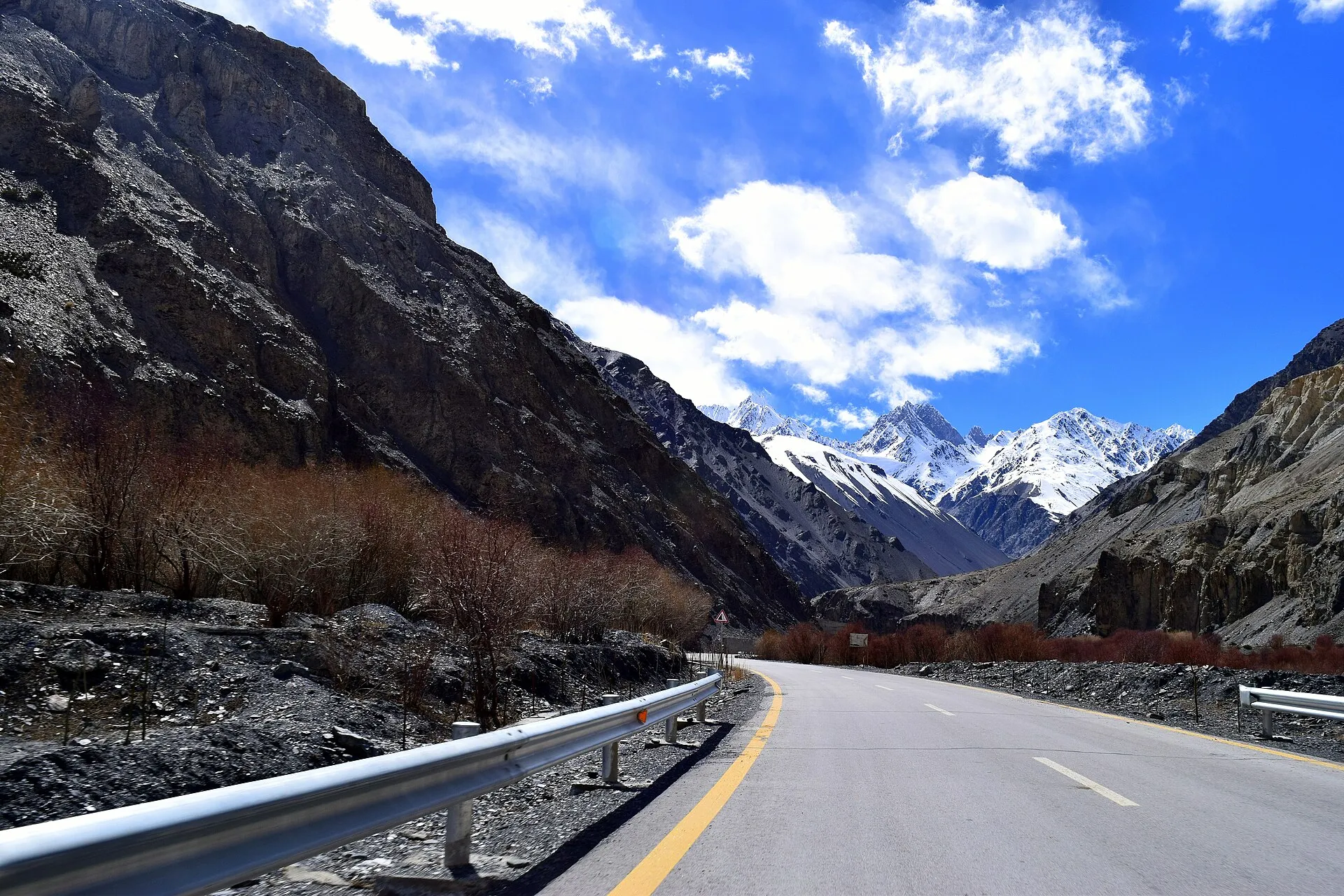
まずHunzaから。Baltit Fortの下、標高約2,438メートルのKarimabad、その下の古いAltit Fort、2010年の地滑りでできたAttabad Lake、そして標高6,106メートルのTupopdanの尾根の下のPassu Conesビューポイント。Hunza上流からツアーは、標高4,693メートルのKhunjerab Passへの丸一日の行程に向かいます。世界で最も高い舗装された国際国境の越境で、マーモット、アイベックス、まれにユキヒョウが暮らすKhunjerab National Parkを抜けます。
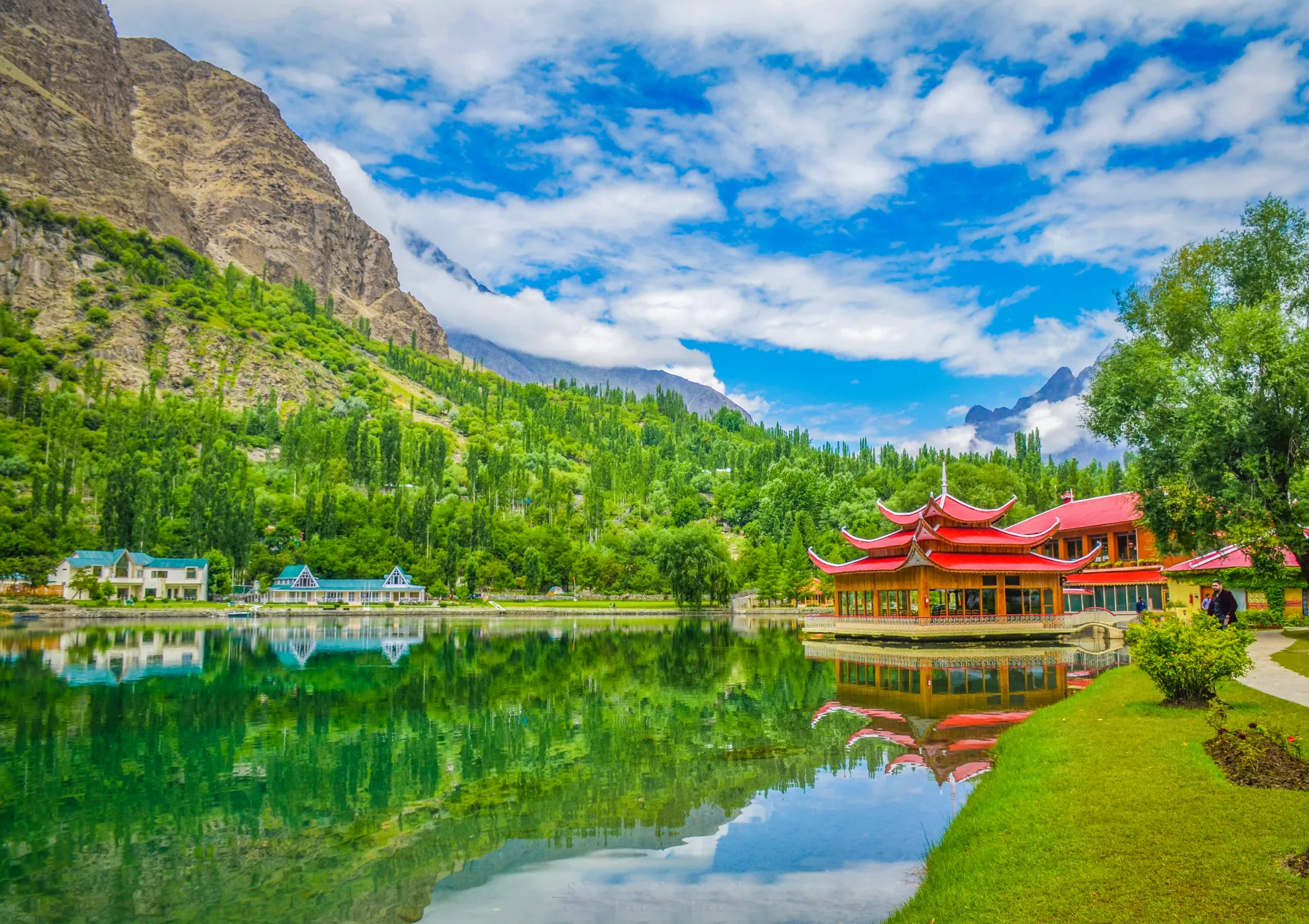
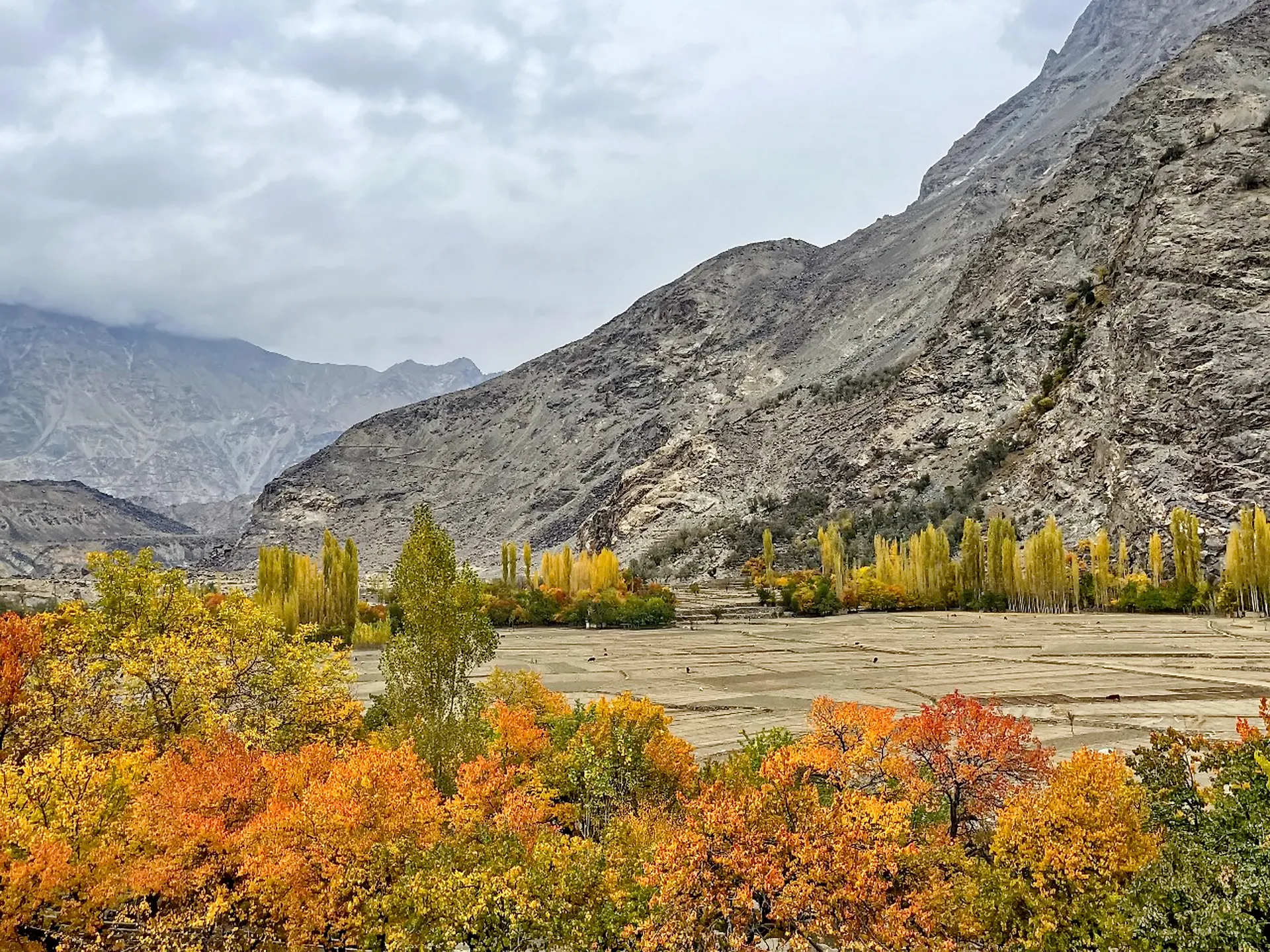
それからBaltistan。南への道は標高約2,228メートルのSkarduへ渡り、Kachuraの湖々、Lower KachuraのShangrila、そして町から1時間の修復された17世紀のAmachaの宮殿Shigar Fortへ。Skarduは高原への足がかりです。
Deosaiが頂点です。平均標高4,114メートルで、チベットのChangtangに次ぐ地球で2番目に高い高原。夏の野の花、マーモット、そして1993年に公園が守るために創設されたヒマラヤヒグマの、広大で木のない広がりです。その向こうの端には標高4,250メートルのSheosar Lake、地域でその規模としては最も高い湖の一つがあります。
日程表
1 天候が許せばGilgitへ飛ぶか、KKHを上って、Hunza Valleyの標高約2,438メートルのKarimabadへ進みます。落ち着いて、村の上のEagle's Nestビューポイントへ上り、RakaposhiとLady Fingerに沈む夕日を望みます。
3 Karimabadでの徒歩の丸一日のため、周回のペースを落とします。ここでは2つの城塞が上下に並び、Baltitは高みに、Altitは川に向けて低くあり、どちらもAga Khan Trustによって廃墟から蘇りました。その間の小道は今も平らな屋根で乾く杏の香りがします。高い土地が主役になる前の、この旅の文化の核心です。
4 2010年の地滑りがせき止めて生まれた青い湖Attabadでの短いクルーズ、その後ハイウェイをその脇へ通すFriendship Tunnelsを抜けます。標高6,106メートルのTupopdanの尾根の下にのこぎり歯のCones がそびえるPassuで一日を終え、明日の国境への長い登りに備えてHunza上流で眠ります。
5 周回最初の大きな標高の日。Hunza上流からSostとその税関を過ぎて、標高4,693メートルの国境の関門、世界で最も高い舗装された国境の越境へ登り、途中Khunjerab公園の斜面でマーモットとアイベックスを探します。山頂での滞在は短く保ち、誰も頭痛になるまで長居させず、低地で眠るため下ります。
6 KKHを下ってGilgitへ戻り、標高7,788メートルの山面の下、GhulmetのRakaposhiビューポイントのカフェに立ち寄ります。Gilgitのバザールと町外れのKargah Buddhaの岩の彫刻を巡ります。
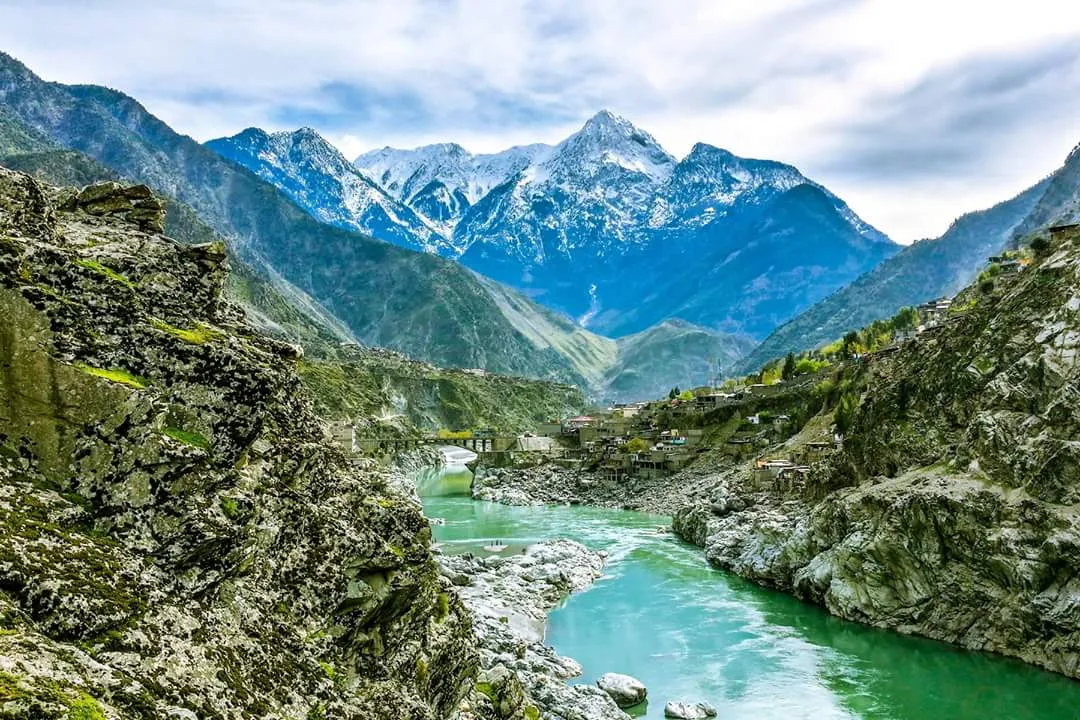
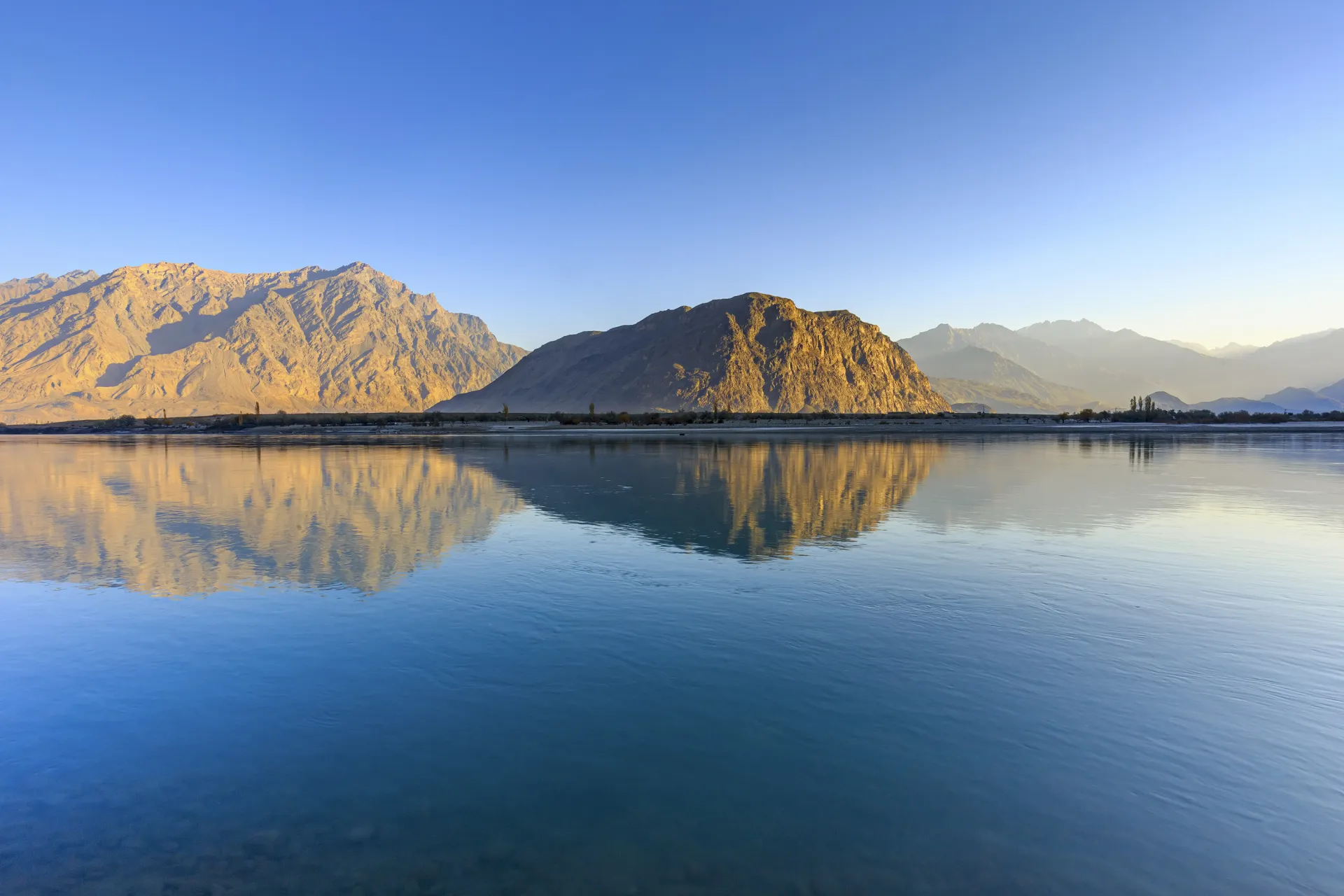
7 Jaglotの分岐でKKHを離れ、再舗装されたIndus渓谷の道をSkarduへ、分岐からおよそ2.5~3時間。標高約2,228メートルのSkarduに着き、Shigarの近くにチェックインします。
8 Skardu周辺の湖の日。標高約2,500メートルのLower KachuraにあるShangrilaリゾートを訪れ、その後より深く澄んだUpper Kachura Lakeへ歩くかボートで渡ります。
9 2つ目の高い日。平均標高4,114メートル、地球で2番目に高い高原Deosaiを4x4で丸ごと横断します。夏の野の花の草原を渡って標高4,250メートルのSheosar Lakeへ、マーモットと公園が守るために創設されたヒマラヤヒグマを探します。
10 Skarduで低い標高に戻り、Indusを見下ろすKharpocho Fort、町の上の窪地にあるSatpara Lake、そして標高約2,300メートルのSarfaranga寒冷砂漠を訪れます。Deosaiの後の楽な一日。
11 修復された17世紀のAmachaの宮殿Shigar Fortと、その周りの古い村とShigar渓谷の果樹園を巡り、午後は帰路の前に休む自由時間を残します。
13 Indus渓谷を上ってGilgitへ戻り最後の夜、送別のディナーを。空路で帰る計画なら、これは代わりにSkarduでの休息の日です。
14 天候が許せばIslamabadへの絶景の便に乗るか、KKHを南へ走ります。ツアーはIslamabadで終了。
Grand TourとDeosaiに最適な時期
7月と8月が最適な月で、この旅は夏限定です。厳しい制約はDeosaiで、1年の大半を雪に閉ざされ、おおよそ6月中旬から9月中旬しか到達できません。Khunjerab Passも同じ時期に晴れている必要があり、これはおおよそ5月から10月まで確実なので、盛夏が両者の最も重なる時期です。
私たちはこの周回をDeosaiの時期以外に催行しません。高原が目玉であり、それのないGrand Tourは単なる2つの別々の旅にすぎないからです。7月か8月に予約すれば、最も暖かい天候、Deosaiの野の花の開花、そしてどの空路区間にも最良の確率が得られます。
難易度と標高について
労力としては易しいです。トレッカーではなく4x4の乗客で、登攀はありません。難しさは距離と標高です。これはいくつもの長い運転の日を含む大きな周回で、4,000メートル超の2日間、標高4,693メートルのKhunjerab Passと標高4,100メートル超のDeosaiの横断を含みます。
私たちは標高が急上昇ではなく積み上がるよう旅を順序立て、高い日の前にHunzaとSkarduの標高2,200~2,500メートルで時間を取り、最高地点での滞在は短く保ちます。それでも、KhunjerabとDeosaiの連続は心臓や肺に持病のある方には負担が大きいので、予約前に健康状態を正直にお知らせください。
一つの地域だけがお好みですか?
Grand Tourは私たちの4つの旅を一つの夏の周回に組み合わせたもので、時間が少ない場合や一つの場所をより深く味わいたい場合は、どれも単独で予約できます。Hunzaが目当てなら、Hunza Valleyツアー が城塞、Attabad、Passu Conesをよりゆったりしたペースで。Baltistan単独なら湖々、寒冷砂漠、城塞のあるSkardu絶景ルート 、高原だけなら専用のDeosaiツアー があります。そして高い国境が目当てなら、Khunjerab Passツアー がそれを目玉に催行します。Grand Tourは、そのすべてを一つの旅で楽しみたい旅行者のためのものです。
Gilgit-Baltistan はどこにありますか?
Gilgit-Baltistan はパキスタン最北の地域で、Karakoram、Himalaya、Hindu Kush の山脈が交わる広大な山岳地帯であり、北は China、西は Afghanistan の Wakhan 回廊、南東はインド統治下の Kashmir と接しています。主要な拠点は Gilgit と Skardu で、最もよく知られた谷である Hunza、Nagar、Shigar、そして Deosai 高原がこのグランドツアーの背骨となっています。ここは国の高地の中心です。K2 と世界に 14 座ある 8,000 m 峰のうちさらに 4 座、数百の氷河、そして地球上で最も高い道路の峠のいくつかを擁しています。ほとんどの旅行者は Islamabad から Gilgit または Skardu への短いフライトか、Karakoram Highway を陸路で登ってたどり着きます。当社のツアーもこの同じルートで山々を抜けていきます。
Gilgit-Baltistan が特別な理由
これほど多くのものを一つの地域に詰め込んだ場所はほとんどありません。Gilgit-Baltistan は Everest 地域を除けば世界のどこよりも高峰が集中しており、K2、Nanga Parbat、Rakaposhi、Baltoro の巨峰群に加え、Deosai の世界第 2 の高さの高原、ターコイズ色の Attabad Lake、そして Shandur のポロ競技場もあります。ここは古代 Silk Road の交差点であり、その歴史は Indus 沿いの仏教の岩絵、Hunza の数百年の歴史を持つ砦、そして谷ごとに変わる Burushaski や Shina から Balti、Wakhi にいたる言語の寄せ集めに表れています。その結果、世界的水準の山岳景観と生きた文化がまれな形で組み合わさっており、まさにそれこそがグランドツアーが一か所だけを訪れるのではなく Hunza、Khunjerab、Skardu、Deosai をつなぐ理由です。
私たちを選ぶ理由
私たちはこの周回のあらゆる構成要素をそれぞれ単独でも催行しているので、Grand Tourは寄せ集めの実験ではありません。熟知した4つの旅を一つに順序立てたものです。Deosaiがおおよそ6月中旬から9月中旬しか開かないため、私たちは理由あって全体を夏に据えます。目玉に到達できないGrand Tourは売りません。ガイドはGilgit-Baltistanの地元の者で、KhunjerabとDeosaiの日が無理なく積み上がるよう標高を順序立て、どの空路区間にも陸路の予備を備えます。12日間は広大な地で、この同じ地を何度も走ってきたからこそ、急がずペース配分できます。
含まれるもの
全行程プレミアム宿泊(Serena系列、ブティックホテル) 高級ダイニングから厳選された地元の食卓まで、すべての食事
よくある質問
Gilgit-Baltistan Grand Tourには何が含まれますか?
12日間の一つの周回で4つの地域を組み合わせます。Hunza Valley、標高4,693メートルのKhunjerab Pass、Skarduの湖と城塞、そしてDeosai高原です。Gilgit-Baltistanのすべてを複数ではなく一度の旅で見たい旅行者のために作られています。Hunzaでは、Karimabad、BaltitとAltitの城塞、Attabad湖のクルーズ、Passu Conesを巡り、丸1日かけてKhunjerabの国境ゲートまで上ります。Baltistanでは、Kachura湖群、Kharpocho城塞、Satpara湖、Sarfarangaの寒冷砂漠、Shigar城塞を訪れ、その間に四輪駆動車でDeosaiを丸ごと横断してSheosar湖へ向かいます。料金には、Serenaのホテルやブティックホテルなどの上質な宿泊、プロのドライバー付きの専用四輪駆動車、すべての食事、英語を話す専任ガイド、入場料、許可、ボート乗船が含まれます。景観を楽しめるフライトは天候が許せば含まれ、飛ばない場合は専用車での陸路に切り替えます。国際線航空券、旅行保険、チップ、個人的な出費は含まれません。
7月と8月で、この旅は夏限定です。制限要因はDeosaiで、1年の大半を雪に閉ざされ、おおよそ6月中旬から9月中旬しか開きません。Khunjerab Passも同じ時期に確実に晴れています。Khunjerabはふつう5月頃から10月頃まで通れるので、実際に日程を決めるのは高原のほうで、両者が最もよく重なるのが盛夏です。7月か8月に予約すれば、地域全体で最も暖かく安定した天候にも恵まれ、Deosaiは野の花が満開です。GilgitとSkarduを結ぶ山岳路線は晴天が頼りなので、フライトの区間でも最も有利です。Deosaiが開いている期間以外に、この周回ツアーは催行しません。日程がそれより早いか遅い場合は、一つの地域だけを巡る旅のほうが合うかもしれません。その月にどれが可能か、正直にお伝えします。
Deosaiが目玉で、高原はおおよそ6月中旬から9月中旬しか到達できないからです。1年の大半は雪の下にあり、その時期以外、周回はDeosaiに届きません。高原を省いた春や秋の版を売ることもできますが、そうするとGrand Tourは長いドライブでつないだ別々の2つの旅になってしまいます。ですから目玉を落とした版を売るのではなく、盛夏に厳密に限定しています。ルートのほかの部分は問題ではありません。Khunjerab Passのシーズンはおおよそ5月から10月と長く、谷はさらに長く開いています。春の花や秋の紅葉がお目当てなら、Hunza ValleyツアーやKhunjerab Passツアーなど、一つの地域を巡る旅をご覧ください。日程を教えていただければ、その月にどれがうまく催行できるか、何を見逃すことになるかをはっきりお伝えします。
労力としては易しいです。トレックではなく専用の4x4で移動し、登山もまったくないからです。本当の負担は距離と標高です。これは長い運転の日がいくつもある大きな周回で、Khunjerabのゲートまで丸1日かけて往復する日や、Jaglotの分岐からだけでもおよそ2.5~3時間かかるSkarduへのインダス渓谷の道があります。4,000メートルを超える日も2日あり、標高4,693メートルのKhunjerab Passと、平均4,114メートルのDeosai横断です。標高が徐々に積み上がるよう順序立て、それぞれの高い日の前にはHunzaとSkarduの標高2,200~2,500メートルで時間を過ごします。歩くのはオプションの散策程度で、2つの城塞を結ぶKarimabadの路地や、Upper Kachura湖へ歩いて渡る程度です。Deosaiの翌日のSkarduの城塞巡りや、帰路前のShigarでの自由な午後など、楽な日も組み込んでいます。
ほとんどのお客様は大丈夫です。高度順応のため旅を順序立て、高い越境の前にHunzaとSkarduの標高2,200~2,500メートルで日々を過ごし、最高地点での滞在を短く保つからです。標高4,693メートルのKhunjerabの国境ゲートでは、頭痛が出るほど長居しないよう停車を短くし、寝るときは低いところまで下ります。Deosaiは四輪駆動車で1日で横断します。平均標高は4,114メートル、Sheosar湖は4,250メートルで、翌日はSkardu周辺の低い標高で過ごすので、体を休められます。KhunjerabとDeosaiの連続は心臓や肺に持病のある方には依然として負担が大きいので、予約前に健康状態をお知らせください。高い日には水をたくさん飲み、ゆっくり動き、頭痛、吐き気、寝つきの悪さがあれば早めにガイドに伝えてください。ガイドはGilgit-Baltistanの地元出身で、こうした日のペース配分に慣れています。
はい。Deosaiはチベットのチャンタン高原に次ぐ地球で2番目に高い高原で、平均標高は4,114メートル、周回全体で最も特徴的な唯一の風景です。夏には野の花の草原とマーモットの、木のない広がりとなり、公園は1993年にヒマラヤヒグマを守るために指定されました。横断しながらその姿を探すことができます。縁には標高4,250メートルのSheosar湖があり、この地域でこの大きさの湖としては最も高いところにある湖の一つです。高原には丸1日をあて、Skarduから四輪駆動車で横断し、Sheosarで時間を取り、野生動物が現れればどこでも停車します。到達できるのはおおよそ6月中旬から9月中旬だけで、Grand Tour全体がこの時期に催行されるのはそのためです。花を見るなら7月と8月が最適です。高原がお目当てなら、周回よりも多くの時間をかける専用のDeosaiツアーも催行しています。
代わりにHunzaだけ、Skarduだけ予約できますか?
はい。Grand Tourの各地域は単独でも販売しています。Hunza Valleyツアー、Skardu絶景ルート、専用のDeosaiツアー、そしてKhunjerab Passツアーです。Grand Tourは、4つすべてを一つの夏の旅で組み合わせたい旅行者のためのものです。時間が限られている場合や、一つの場所をもっと深く知りたい場合は、一つの地域だけの旅が理にかなっています。Hunza Valleyツアーでは、城塞、Attabad湖、Passu Conesを周回よりゆったりしたペースで巡れます。Skardu絶景ルートは、湖、Sarfarangaの寒冷砂漠、Baltistanの城塞を巡ります。Deosaiツアーは高原だけを中心に組まれており、Khunjerab Passツアーでは、高所の国境越えが12日間のうちの1日ではなく主役になります。日程と興味を教えていただければ、最適な旅をご提案します。
Gilgitへの空路かKKHの陸路でHunzaから始まり、Skarduから空路か陸路でIslamabadへ戻って終わります。1日目は天候が許せばGilgitへ飛び、あるいはカラコルム・ハイウェイを走って、標高約2,438メートルのKarimabadへ向かいます。最後は、標準の計画ではSkarduからインダス渓谷を戻ってGilgitへ向かい、最後の夜とお別れの夕食を過ごします。最終日は景観を楽しめるフライトでIslamabadへ、またはKKHを南へ走り、ツアーはIslamabadで終わります。Skarduから飛び立つ計画の場合は、最後から2日目がSkarduでのゆったりした日になります。PIAの山岳便は天候に左右され遅延も多いので、どの空路区間にも陸路の予備を備えます。景観を楽しめるフライトは天候が許せば含まれます。国際線は含まれないので、開始前にIslamabadに到着するよう計画してください。
Gilgit-Baltistan はどこにありますか?
Gilgit-Baltistan はパキスタン最北の地域で、Karakoram、Himalaya、Hindu Kush の山脈が交わる場所です。北は China、西は Afghanistan の Wakhan 回廊、南東はインド統治下の Kashmir と接しています。主要な町は Gilgit と Skardu で、有名な谷には Hunza、Nagar、Shigar、そして Deosai 高原があり、これらがこのツアーの骨格を成しています。ここは国の高き中心で、K2 と、世界に 14 座ある 8,000 m 峰のうちさらに 4 座、数百の氷河、そして中国国境にある標高 4,693 m の Khunjerab をはじめとする地球上で最も高い車道峠のいくつかを擁しています。ほとんどの旅行者は Islamabad から Gilgit か Skardu への短いフライト、または Karakoram Highway を上る陸路で訪れます。当社の Grand Tour は両方の拠点を使います。Gilgit の北の Hunza から始まり、Jaglot の分岐で KKH を離れ、インダス渓谷の道を通って Baltistan の Skardu へ渡ります。
Gilgit-Baltistan は何で知られていますか?
何よりもその山々です。Gilgit-Baltistan は K2 とさらに 4 座の 8,000 m 峰、Nanga Parbat、Rakaposhi、Baltoro の氷河群、そして Deosai の世界第 2 の高さの高原を擁し、加えて Hunza の砦、Attabad Lake、Shandur のポロ競技場もあります。エベレスト地域以外では、世界で最も高峰が集中している場所です。ここはまた古代 Silk Road の要衝でもあり、岩絵や豊かな文化と言語の混交が見られます。その歴史は今も、インダス川沿いの仏教の岩刻、このツアーで訪れる Gilgit の外れの Kargah Buddha、そして Hunza の数百年の歴史を持つ砦に見ることができます。言語は谷ごとに変わり、ブルシャスキー語やシナー語からバルティ語、ワヒ語まであります。訪れる人にとっては、山の景色と生きた文化を同じ旅で味わえるということで、当社の Grand Tour が一つだけを選ばずに Hunza、Khunjerab Pass、Skardu、Deosai をつないでいるのはそのためです。
Gilgit-Baltistan へはどうやって行きますか?
2 つの方法があります。Islamabad から Gilgit または Skardu へ約 1 時間のフライトか、Karakoram Highway を車で登り、途中で宿泊しながらのおよそ 2 日間の道のりです。フライトは景色が美しいものの天候に左右され、しばしば欠航するため、当社は常に陸路の代替手段を確保しています。このツアーはご希望の日程で最も運行状況の良い方を利用します。飛行機のほうが速く、道中の長い 2 日間を節約できますが、山の上空が晴れている必要があり、曇った朝には飛ばないこともあります。KKH は時間がかかるもののはるかに確実で、北へのドライブには見どころもたくさんあります。地域内では、Gilgit と Skardu は Jaglot の分岐で KKH から分かれる、舗装し直されたインダス渓谷の道で結ばれており、Grand Tour もこの道で Hunza から Baltistan へ渡ります。景観を楽しめるフライトは天候が許せば料金に含まれます。欠航した場合は、空港で待って 1 日を失うのではなく陸路に切り替えます。
Gilgit-Baltistan は観光客にとって安全ですか?
はい。Gilgit-Baltistan は旅行者にとってパキスタンで最も穏やかで歓迎される地域の一つで、犯罪は非常に少なく、もてなしの伝統が根強くあります。実際のリスクは治安ではなく、標高、天候、荒れた道といった山のリスクです。当社はこの地域とその状況を熟知した地元のガイドと運転手とともに旅します。このツアーでは、そのそれぞれに直接対処しています。プロの運転手付きの専用 4x4 で移動するので、山道で公共交通機関に頼ることは一切ありません。Khunjerab と Deosai の 2 つの高い日は最高地点での滞在を短くし、その前に標高を徐々に上げていきます。天候については、山岳便は遅延や欠航が多いため、どの空路区間にも陸路の代替手段を用意しています。高所の越境は負担が大きいので、心臓や肺の持病がある場合は予約前にお知らせください。旅行保険は料金に含まれていないため、高所での旅行もカバーする保険への加入をお勧めします。
旅を始めよう 次の冒険 の準備はできましたか? 探検家コミュニティに参加し、一生に一度の旅を発見しましょう。専門チームがあなたの完璧な遠征を計画するお手伝いをいたします。