Silk Route FestivalとHunzaの秋ツアー — KKHの文化 | Go With Guide
Home
All Tours Cultural Tours Family Holidays Luxury Tours Camping Road Trips
K2 Treks Trending Treks High Passes Trekking Holidays All Treks
8000m Peaks 7000m Peaks 6000m Peaks High Passes
Cycle Touring Eco Tourism Motorcycle Touring Mountain Passes Festivals of Pakistan Ibex Hunting Snow Leopard International Travelers
About Us Vehicles Contact FAQs
Plan Your TripExplore Tours
🇺🇸 English
🇷🇺 Русский
🇫🇷 Français
🇨🇳 中文
🇯🇵 日本語
🇹🇭 ไทย
🇮🇹 Italiano
🇻🇳 Tiếng Việt
🇲🇾 Bahasa Melayu
Golden autumn poplars and orchards along the Karakoram Highway in Hunza valley
Back to Tours
Festival Gilgit-Baltistan

Silk Route Festival & Hunza Autumn

KKH Heritage · Hunza Autumn · Late September–October

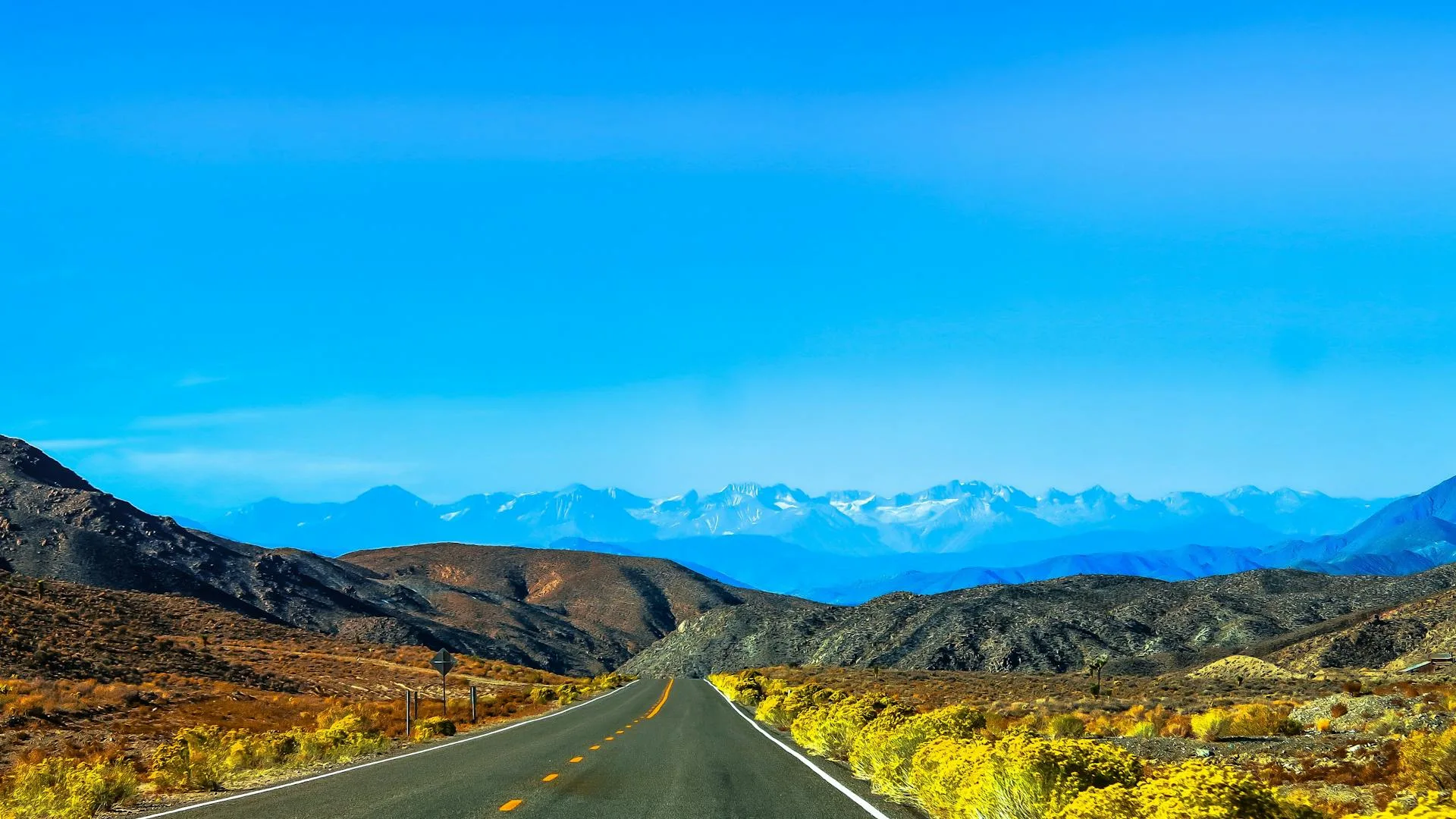
The Karakoram Highway winding beneath snow peaks in Gilgit-Baltistan
KKH road heading toward Rakaposhi in autumn light
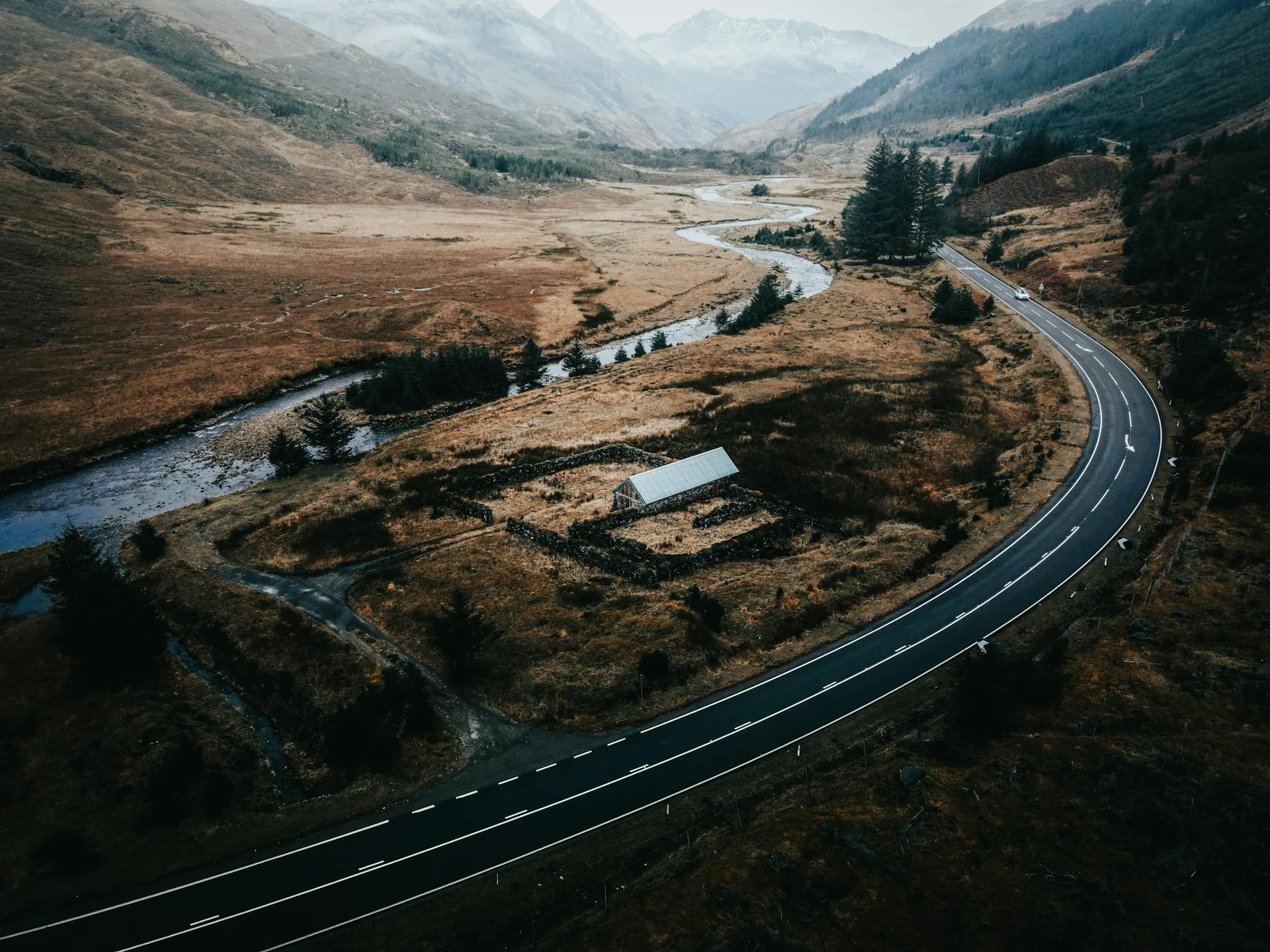
Aerial view of the Karakoram Highway threading the Hunza valley
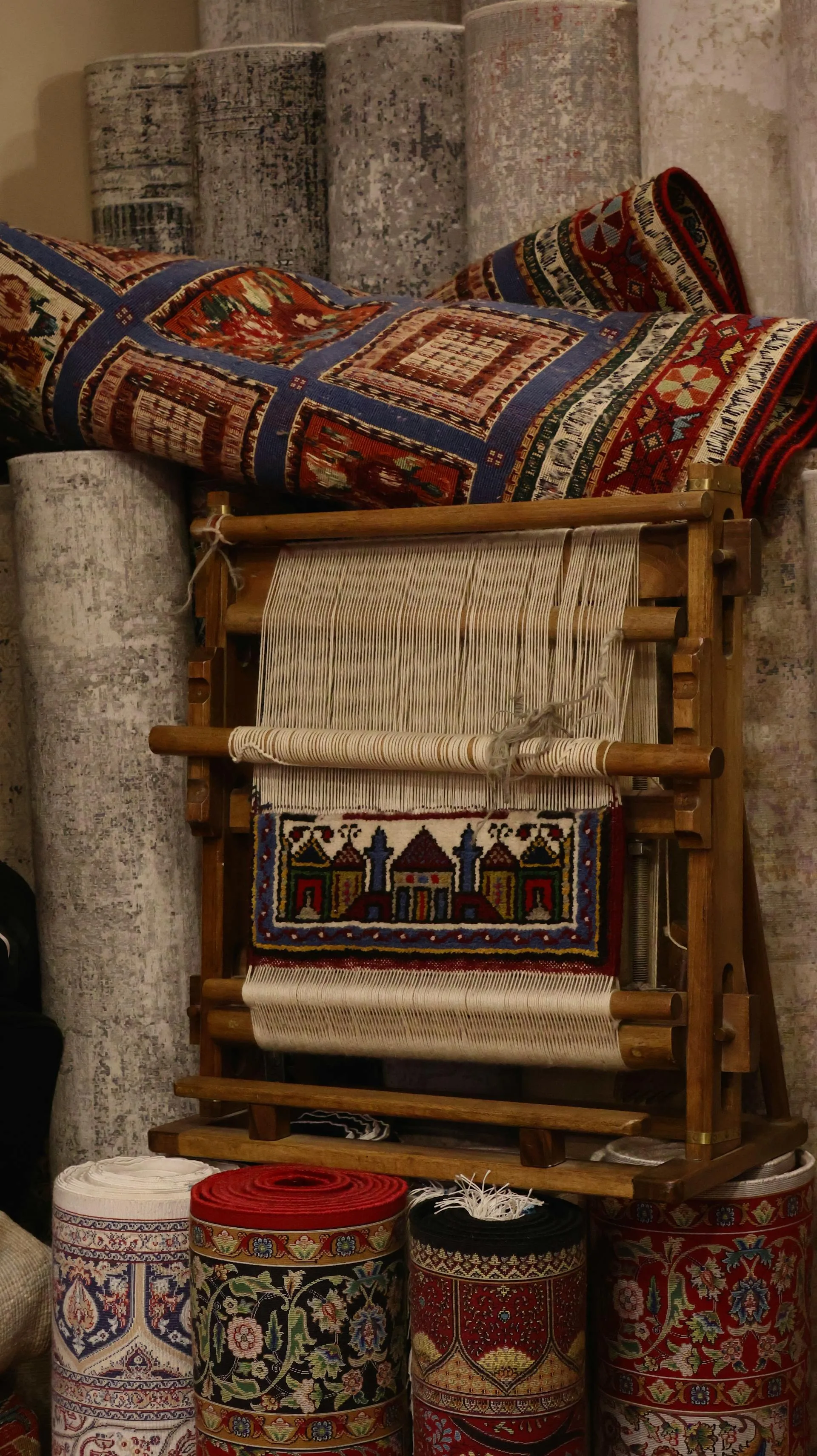
Weaver working patoo wool cloth on a traditional loom in Hunza
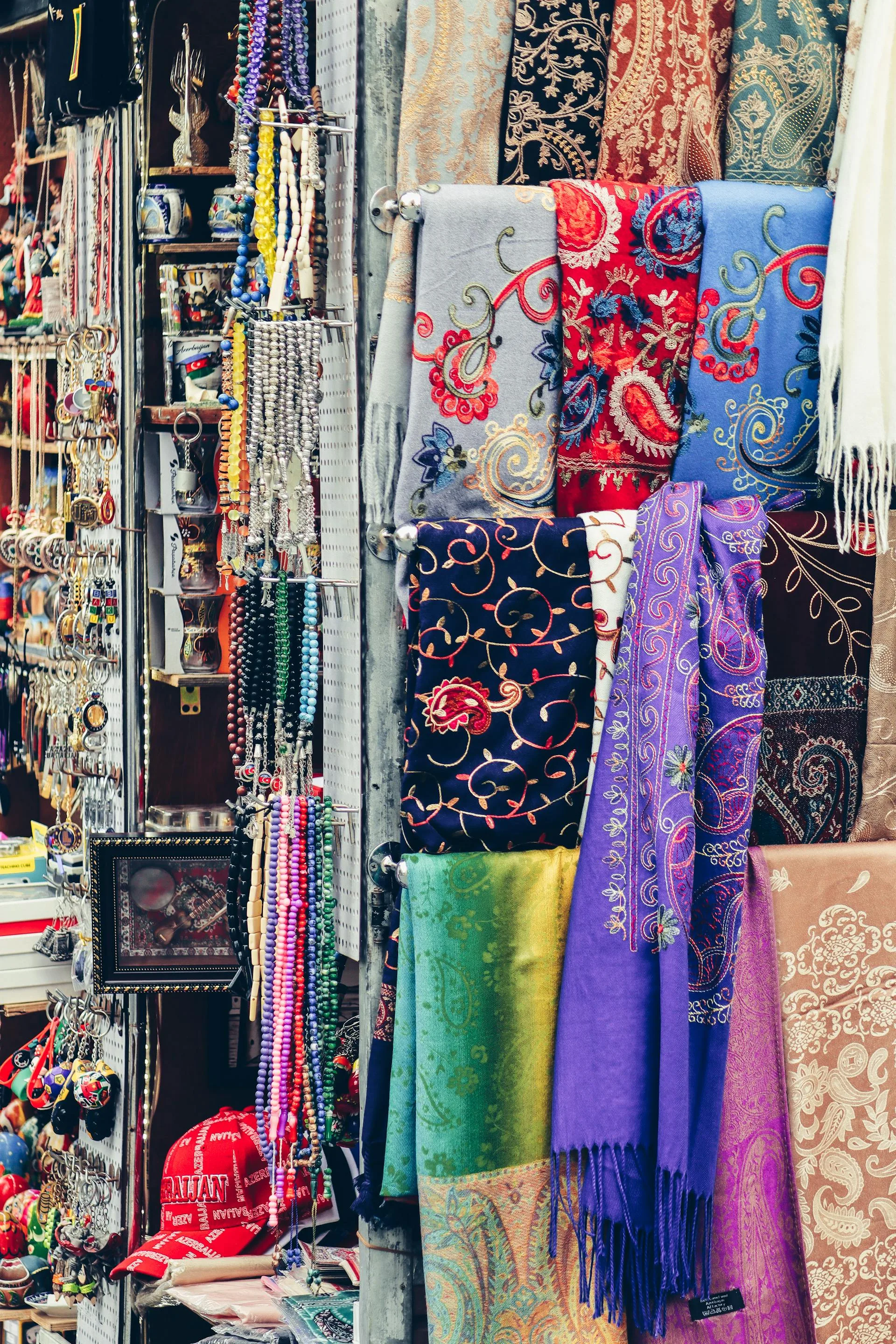
Handwoven shawls and crafts at a Silk Route Festival artisan bazaar

Duration

6–8 Days

Difficulty

Easy–Moderate

Group Size

2–12 people

Best Season

Late September–October (autumn)

About This Tour

For more than two thousand years the corridor of the Karakoram Highway carried the Silk Road's southern branch, moving silk, gemstones, Buddhism and ideas between Kashgar and the plains of the subcontinent. The trade caravans are gone, but their world is oddly intact up here: forts above Karimabad that taxed the passing loads, Wakhi and Burusho villages that hosted the caravans, and craft traditions that began as trade goods. This tour drives that corridor in its best season, when the poplars turn gold and the orchards carry the last of the harvest.

The Silk Route Festival itself is a periodic celebration staged by the Gilgit-Baltistan tourism department, with folk musicians, polo, sword dances, artisan bazaars and performers who sometimes travel from Xinjiang and Central Asia. It is a genuine spectacle, and we attend whenever an edition is announced. It is also irregular: editions have run in Karimabad and Gulmit in late October, and more recently in August. So we build the tour around what autumn in Hunza reliably delivers, and treat the festival as the bonus it honestly is.

What autumn reliably delivers is worth the trip on its own. From late September to late October the valley turns: apricot and mulberry orchards go amber, poplar rows burn yellow against grey rock and fresh snow, and the villages work through the walnut and apple harvest. The light is the year's clearest, Rakaposhi and Ultar hold new snow, and the domestic summer crowds are gone.

Our 6 to 8 day tour runs Islamabad to Gilgit and up the KKH to Karimabad, with the forts, Attabad Lake, the Passu Cones and Eagle's Nest, artisan workshops year-round, and festival days folded in when the dates land.

When Is the Silk Route Festival?

There is no fixed annual date, and any page that gives you one is guessing. The festival is staged by the Gilgit-Baltistan tourism authorities in some years and not others: the best-documented recent editions ran in late October in Karimabad and Gulmit, and a later one in early August. Dates are announced a few weeks ahead. We track the announcements and shift festival days into the itinerary when they fall inside your window. If no edition runs, the autumn harvest season carries the tour, and no one has ever gone home feeling short-changed by October in Hunza.

Hunza in Autumn: What You Actually See

Colour peaks roughly between the first and last week of October, moving down the valley as the month goes on. Mornings are crisp, around 5 to 10 degrees, days clear and mild in the upper teens. The orchard terraces below Baltit Fort turn first, then the poplar lines along the KKH. Villages are busy with the harvest: apricots already drying on rooftops, walnuts coming down, apples and grapes being packed for the down-country trucks. For photographers this is the year's best month, and our drivers know where the light lands at which hour, because they have been pulling over at the same bends for years.

Day-by-Day Itinerary

1

Islamabad to Gilgit

Fly to Gilgit (about an hour, weather permitting) or drive the KKH in a long day. Overnight in Gilgit and a briefing on the week ahead.
2

Gilgit to Karimabad

Two hours up the KKH to Karimabad (2,438 m), with the first full view of Rakaposhi on the way. Afternoon walk through the old town's lanes and orchard terraces.
3

Festival or Artisan Day

If a Silk Route Festival edition is running, this day belongs to it: music, polo and the craft bazaar. Otherwise we spend it with the artisans themselves, including the women's woodwork enterprise at Altit and weavers working patoo wool cloth on traditional looms.
4

Baltit Fort & Altit Fort

The two forts that watched the caravan road for some seven hundred years, both restored by the Aga Khan's heritage programme. Baltit for the architecture and valley views, Altit for the older keep and the garden below.
5

Attabad Lake & Passu Cones

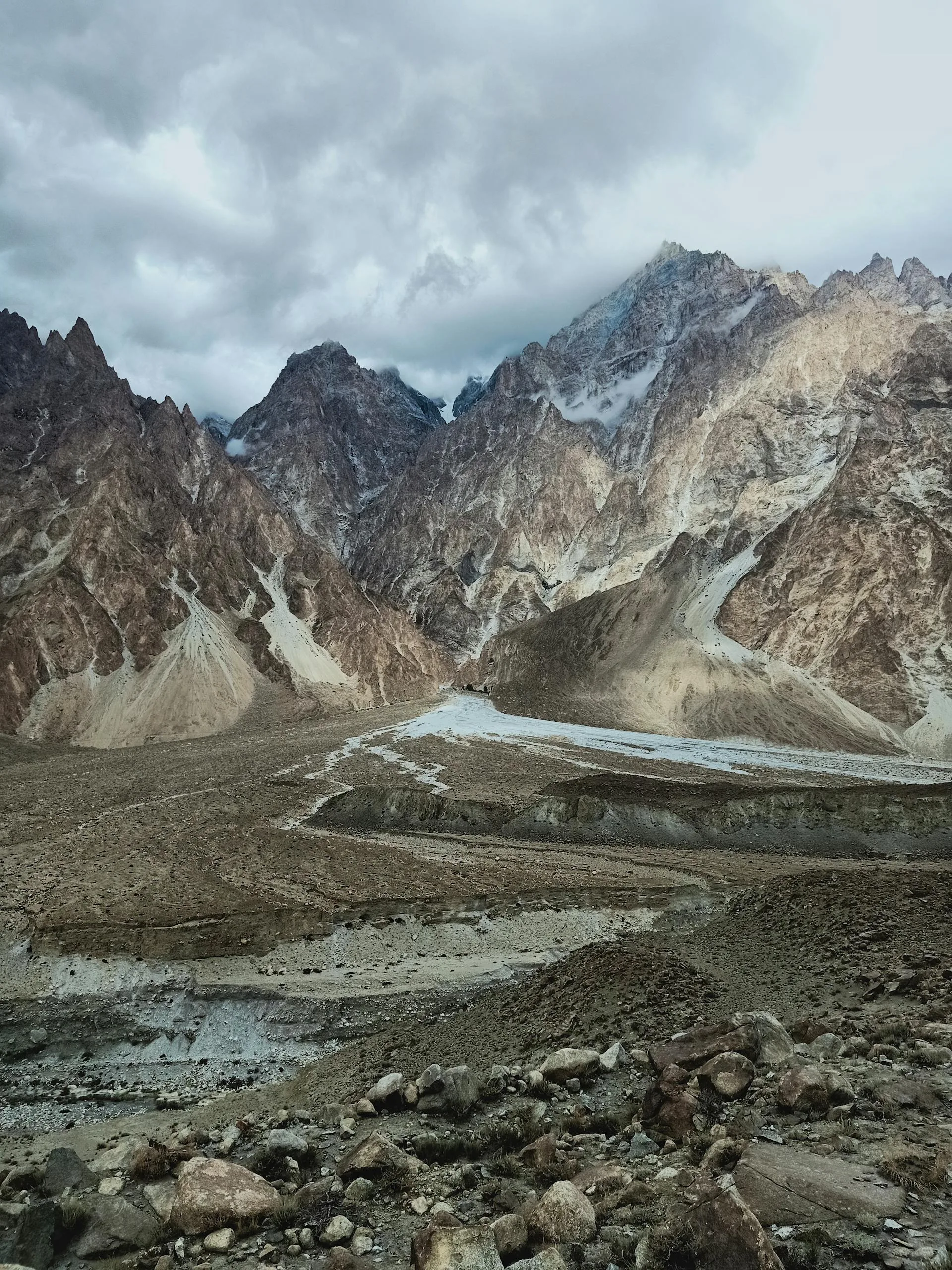
North to Attabad Lake, formed by the 2010 landslide and now an improbable turquoise, then on to the Passu Cones and the suspension bridge at Hussaini. Autumn light makes this stretch of the KKH the most photographed road in Pakistan.
6

Eagle's Nest Sunrise & Harvest Day

Sunrise from the Eagle's Nest viewpoint above Duikar (about 2,900 m), with Rakaposhi, Diran and Ultar in first light. The rest of the day follows the harvest: rooftop apricots, walnut shaking, and tea with a farming family.
7

Karimabad to Gilgit

Back down the KKH with the stops the schedule did not allow on the way up. Gilgit bazaar in the late afternoon.
8

Departure

Fly or drive back to Islamabad.

Getting There

The week hinges on the Islamabad to Gilgit flight, a 50-minute hop past Nanga Parbat that is one of the world's great short flights and also one of its least dependable, since it only flies in clear weather. We book it and hold the KKH road plan in reserve: a long but spectacular day via Besham or the Babusar Pass while it stays open. From Gilgit everything else is two-lane highway, and in autumn the road is at its calmest.

Who This Tour Is For

Travellers who want culture and scenery in the same week without trekking for it. Walking is easy: village lanes, fort staircases and viewpoints, all between 1,500 and 2,900 m. Photographers should bring more storage than they think they need. And if your dates are flexible, tell us; we will steer you toward the first half of October, and toward festival dates if an edition is announced.

Why Book With Us

We are a Gilgit-Baltistan operator and autumn is our home season. We hear about festival dates through the local grapevine before they reach the press, our guesthouse partners in Karimabad keep rooms for us through the October rush, and our guides have explained Baltit Fort more times than its caretakers. Licensed operator, small groups, both flights included and a road plan in reserve.

What's Included

Gilgit–Islamabad flights (both directions)
All ground transport on KKH in comfortable vehicles
6 nights accommodation (Karimabad heritage hotel & Gilgit guesthouse)
All meals with regional specialties
Guided festival tours and artisan workshop fees
Baltit Fort & Altit Fort entrance fees, Attabad Lake boat trip

Not Included

International flights
Travel insurance
Personal expenses and tips

Frequently Asked Questions

When is the Silk Route Festival held?

There is no fixed annual date. Editions are announced by the Gilgit-Baltistan tourism department; recent ones ran in late October (Karimabad and Gulmit) and early August. We fold festival days into the itinerary whenever the dates land in your window.

What is the Silk Route Festival?

A periodic cultural festival celebrating the region's Silk Road heritage: folk music and dance, polo, artisan bazaars, food stalls, and sometimes performers from Xinjiang and Central Asia. It is staged in some years, not every year.

Is October a good time to visit Hunza?

It is arguably the best month. Autumn colour peaks in the first three weeks of October, skies are at their clearest, the harvest is in full swing and the summer crowds have gone home.

When do the autumn colours peak in Hunza?

Roughly 5 to 25 October in the central valley, starting higher and earlier and finishing lower and later. The poplars and orchard terraces around Karimabad usually peak mid-month.

What is the weather like in Hunza in autumn?

Clear and dry. Days around 15 to 18 degrees in early October, cooling through the month; nights from 5 to 10 degrees down toward freezing by November. Pack layers and a warm jacket for the sunrise viewpoint.

Autumn or cherry blossom season, which is better?

Blossom (late March to mid-April) paints the valley pink and white; autumn turns it gold. Blossom is softer and busier with domestic tourists; autumn has clearer skies, harvest life and fewer people. Photographers tend to leave preferring autumn.

Is the Karakoram Highway worth it?

Yes. The stretch this tour drives, Gilgit to Passu, passes Rakaposhi, Attabad Lake and the Passu Cones and is the most scenic paved road in Pakistan. Autumn adds colour to a road that hardly needs it.

Do I need a permit for this tour?

No. Gilgit-Baltistan requires no NOC for the towns and highway on this route; foreigners register passports at the occasional checkpoint and we handle the formalities.

From

$1,300

per person

* Prices may vary. Contact us for accurate, customized pricing.

Duration6–8 Days
DifficultyEasy–Moderate
Group Size2–12 people
Best SeasonLate September–October (autumn)
Max Altitude~2,900 m (Eagle's Nest)
Book This Tour Ask a Question

Free cancellation up to 30 days before departure

Ready for Your Next Adventure?

Join our community of explorers and discover the journey of a lifetime. Our expert team is ready to help you plan your perfect expedition.