Batura Glacier トレック
世界で7番目に長い非極地氷河のそばを歩く牧草地トレック
最終更新: · 監修:Javeed Iqbal(創業者)
日数
8-10 日間
難易度
中級
グループサイズ
4-12 名
ベストシーズン
6月〜10月
ツアーについて
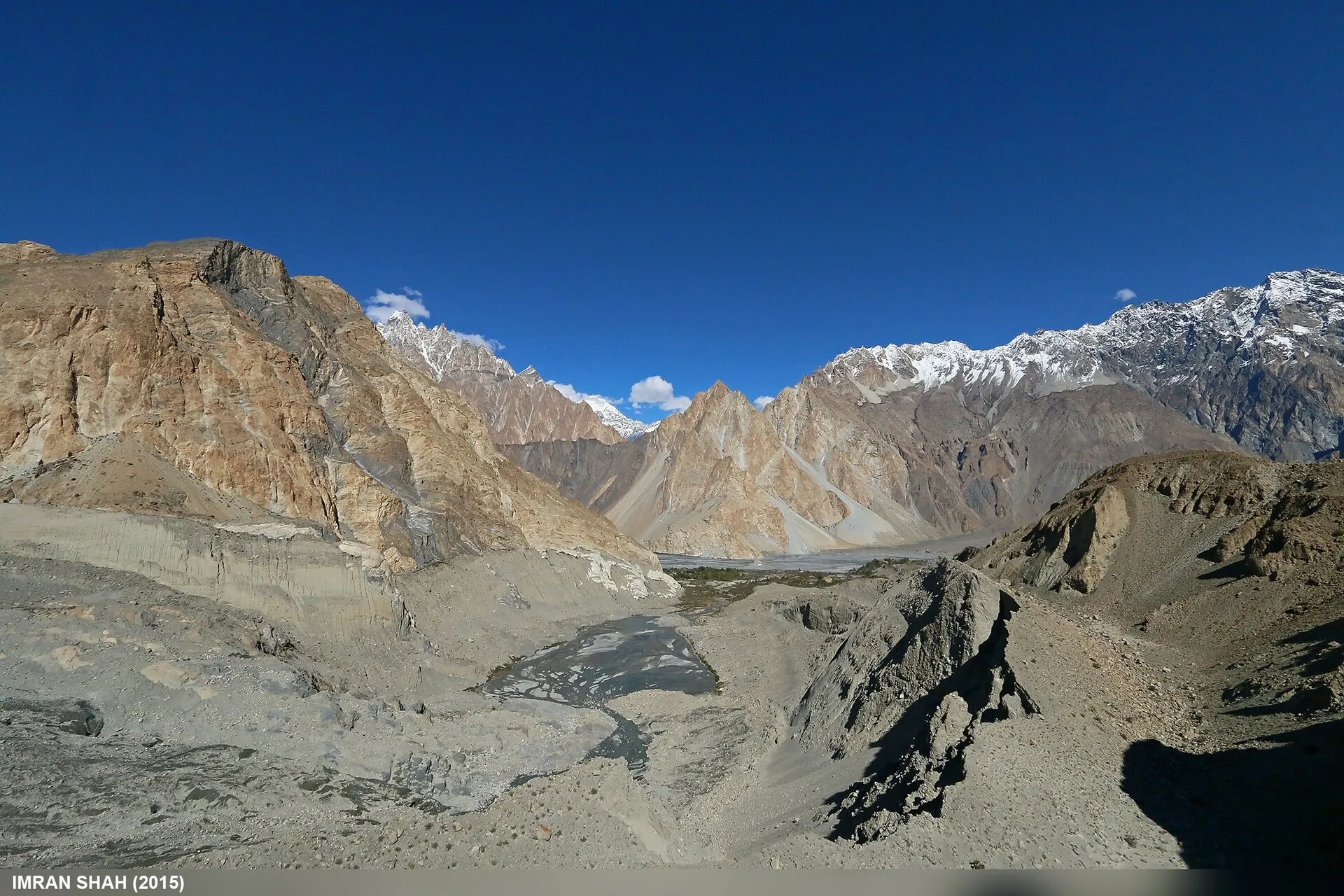
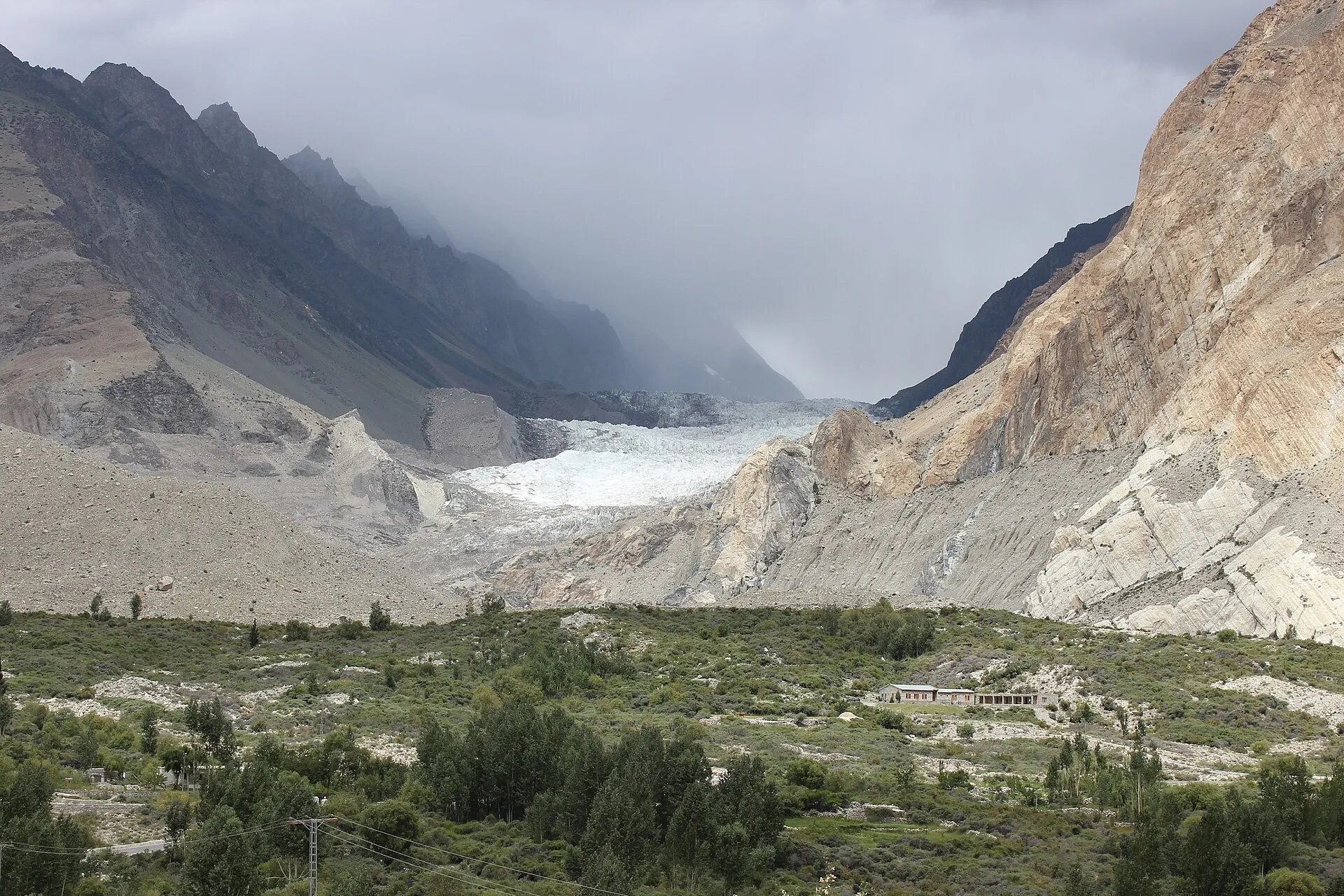
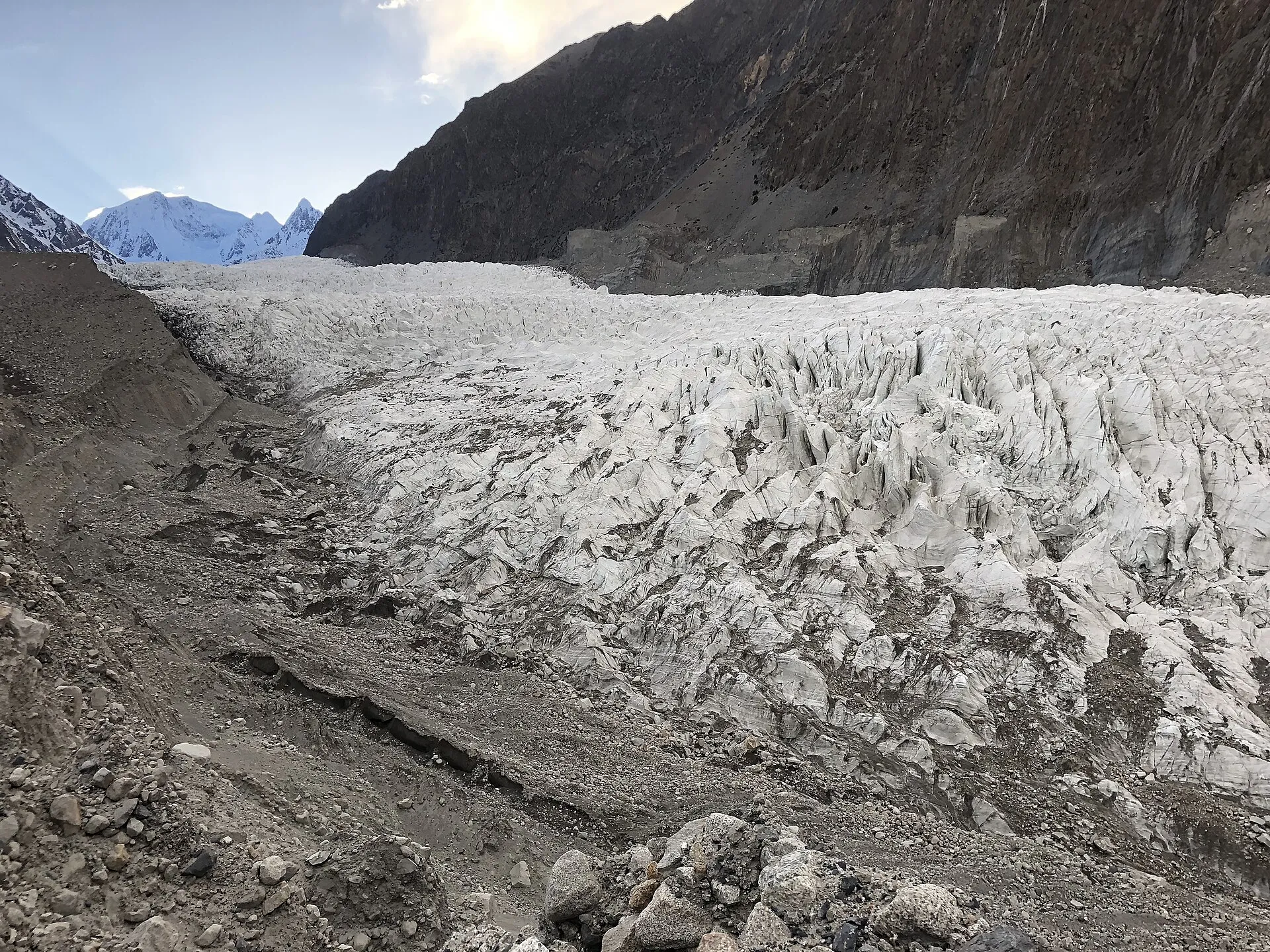
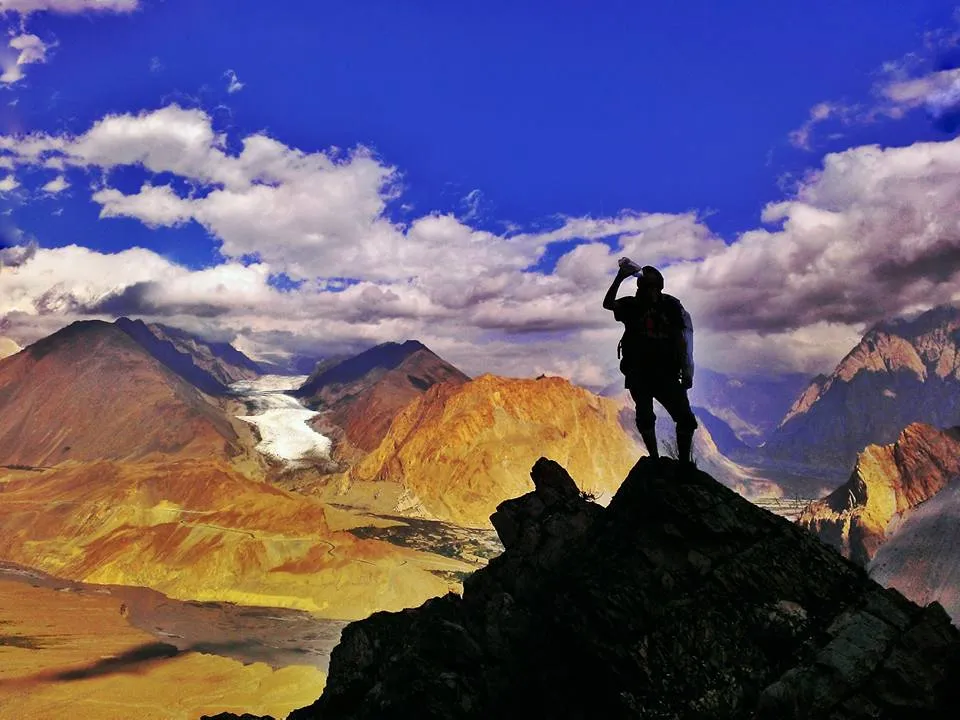
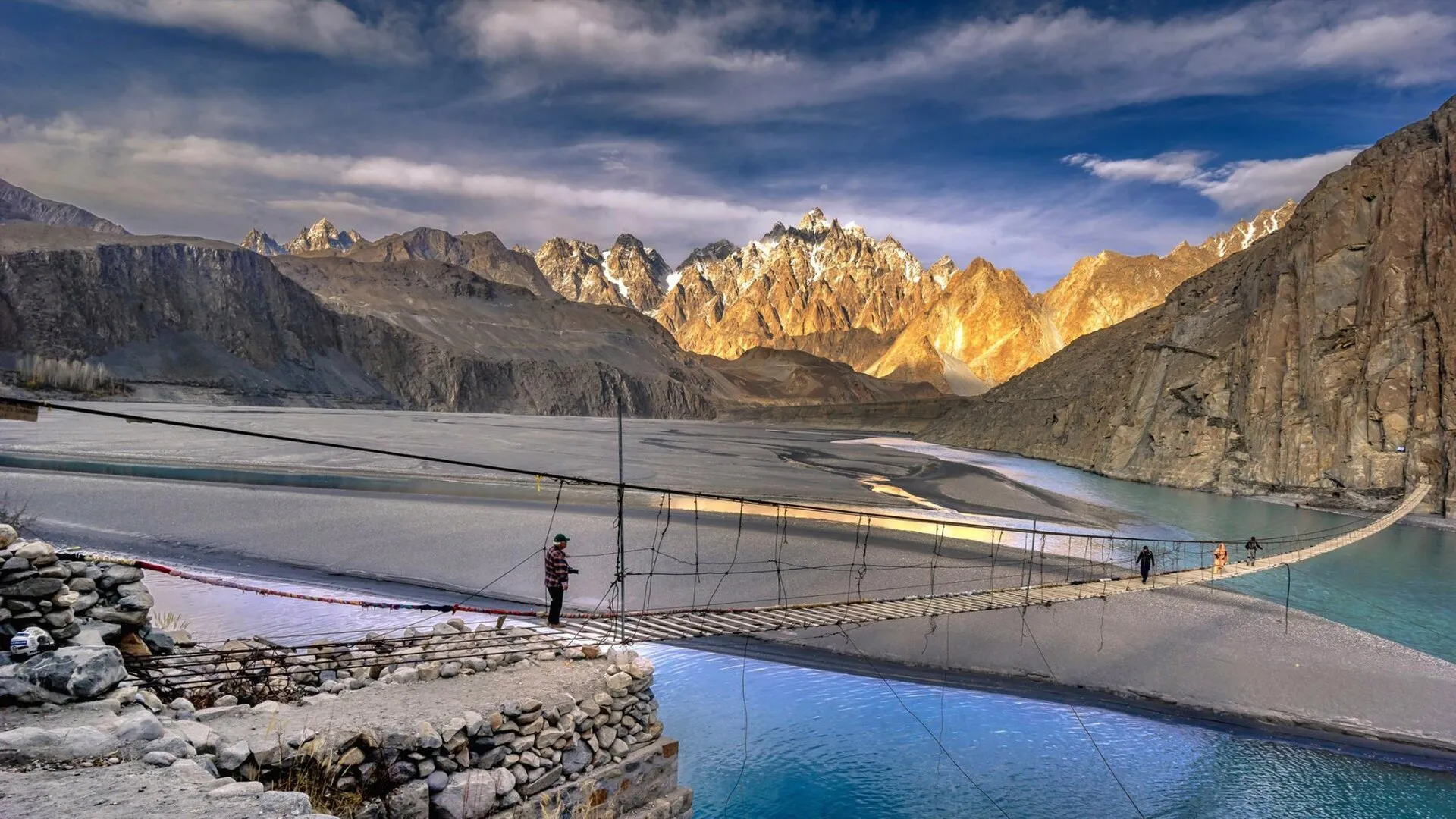
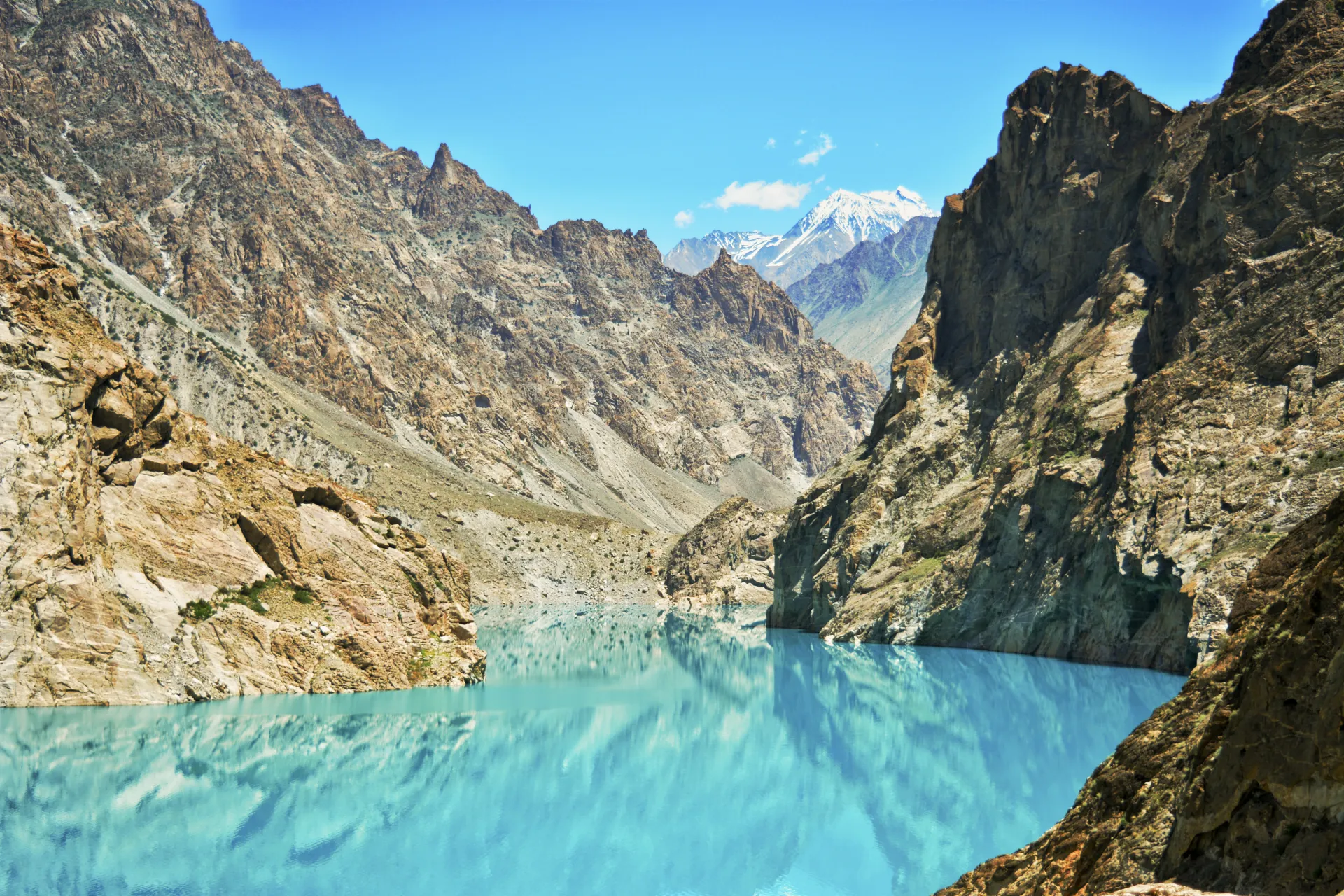
Batura GlacierはHunza上流のBatura Muztaghを57キロメートルにわたって流れ下る、極地を除けば世界で7番目に長い氷河です。Batura Sar(7,795m)とShispare(7,611m)の高地の雪からPassuのカラコルム・ハイウェイへと流れます。私たちは氷河そのものを横断するわけではありません。このトレックは氷河の北側の草の生えた側方の牧草地、Passuのワヒ族の羊飼いたちが何世代にもわたって使ってきた夏の地をたどります。
特別なのは、歩きの素朴さと対比される、そのスケールです。羊飼いの道を牧草地とモレーンを越えて歩く日々、傍らには57kmの氷の川が削り進み、すべての支谷の奥を7,000m級の峰々が締めくくります。集落は季節的なもので、Yashpirtには羊飼いがヤクや山羊を連れて来る石造りの小屋がいくつか、雪解け水のくぼみには野の花、戻ってきたPassuの麓には杏や桑の実が待っています。
正直に言えば、これは中級のトレックで、それが要点です。高い峠も、ザイルを使う氷河横断も、技術的な地形もありません。本当の危険は氷の縁近くの不安定なモレーン、暑い午後に増水するいくつかの渡渉、そして通常の山の天候です。標高はカラコルムの基準では控えめにとどまるので、高山病のリスクはBaltoroやSnow Lakeより低めです。最初のカラコルム・トレックとして適しており、混雑するK2のルートに代わる静かな荒野です。
私たちのトレックはIslamabad往復で8~10日間、うちおよそ4日間はPassuから高地の草原まで牧草地を歩き、戻ってきます。Passuの公認ガイドとポーターのチームがキャンプと荷物を担います。あなたはデイパックを背負い、牧草地のテントで眠り、ストーブで調理した食事をとります。行程は柔軟に保ちます。奥の草原やビューポイントは渡渉の水位と天候しだいなので、悪い渡渉を押し通すより一日の予定を変える方を選びます。
ルート:氷の上の牧草地
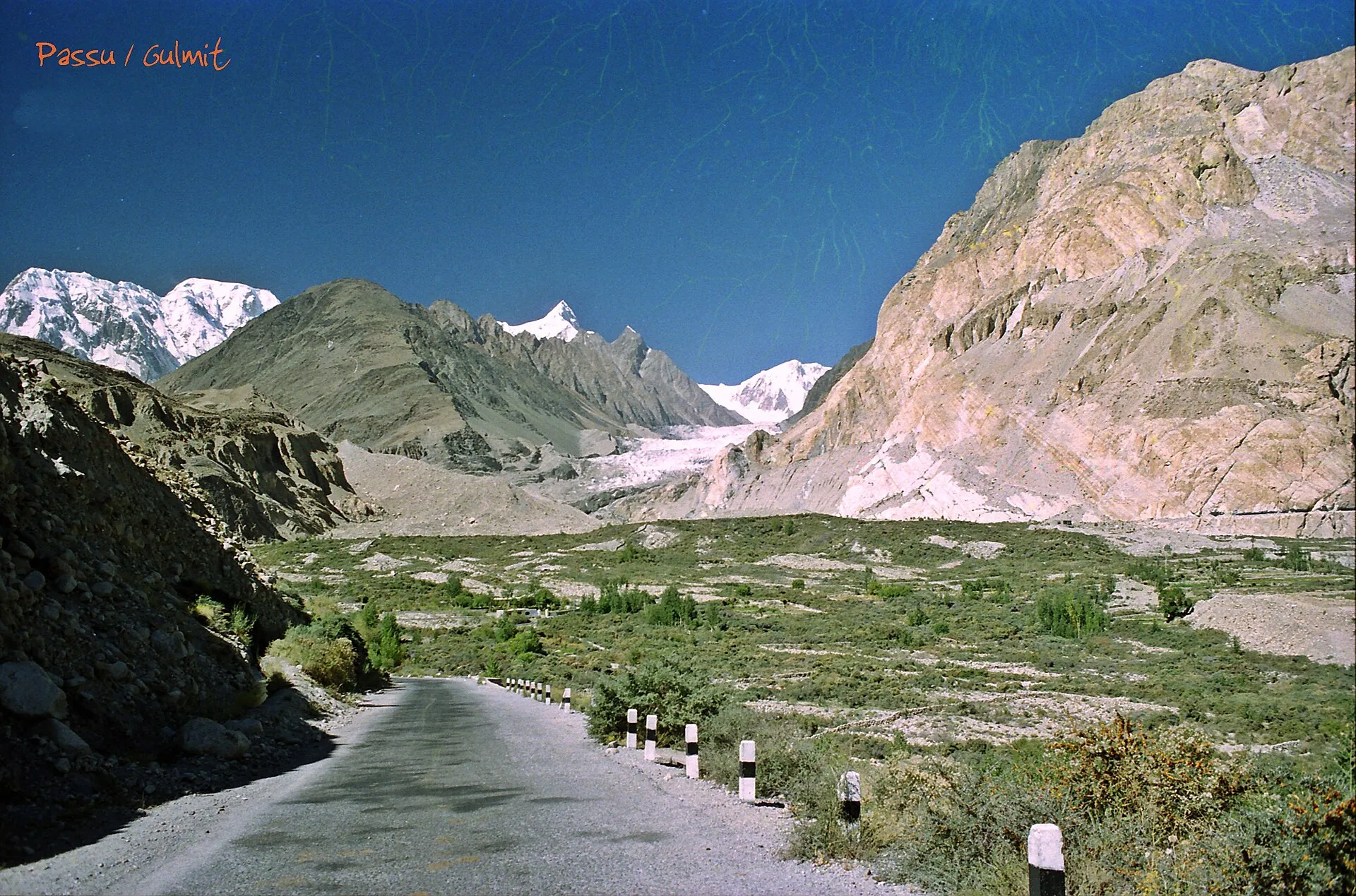
トレックはKKH沿いのPassu村の端、標高約2,500mから始まります。初日は道から離れて氷河の麓の緑の牧草地Yunzbenまで登り、そこで最初のキャンプを張ります。そこから道はUjhoupirtを抜けて標高約3,400mのヤクの牧草地Yashpirtへと続きます。石の小屋、放牧された家畜、そして季節の野の花がある、典型的な夏の放牧地です。
さらに上、ルートはGuchism周辺の草原に達します。垂れ下がる氷壁に囲まれた高地の牧草地で、このトレックの通常の折り返し点でありビューポイントです。ここで高度順応または休養の一日を取ってから、同じ牧草地を下ってPassuの道の起点へ戻ります。周回路も峠もありません。報酬は氷河そのものと、その縁に広がる羊飼いの地です。
日程表
1IslamabadからKarimabadへ
IslamabadからKarimabadへ
2KarimabadからPassuへ
KarimabadからPassuへ
3PassuからYunzbenへ
PassuからYunzbenへ
4YunzbenからYashpirtへ
YunzbenからYashpirtへ
5YashpirtからGuchismへ
YashpirtからGuchismへ
6休養とビューポイントの日
休養とビューポイントの日
7GuchismからYashpirtへ
GuchismからYashpirtへ
8Passuへ戻る
Passuへ戻る
9PassuからKarimabadまたはGilgitへ
PassuからKarimabadまたはGilgitへ
10Islamabadへ戻る
Islamabadへ戻る
Batura Glacierをトレックするのに最適な時期
シーズンは6月から10月です。真夏は牧草地の夜が最も暖かく、羊飼いたちが家畜とともにYashpirtにいるので、集落は空虚ではなく生き生きとしています。9月は放牧の季節が終わると、空気が澄み、歩きも涼しくなります。氷河からの渡渉は暑い7月と8月の午後に最も増水するので、できるだけ朝に渡るようにしています。
許可証、料金、アクセス
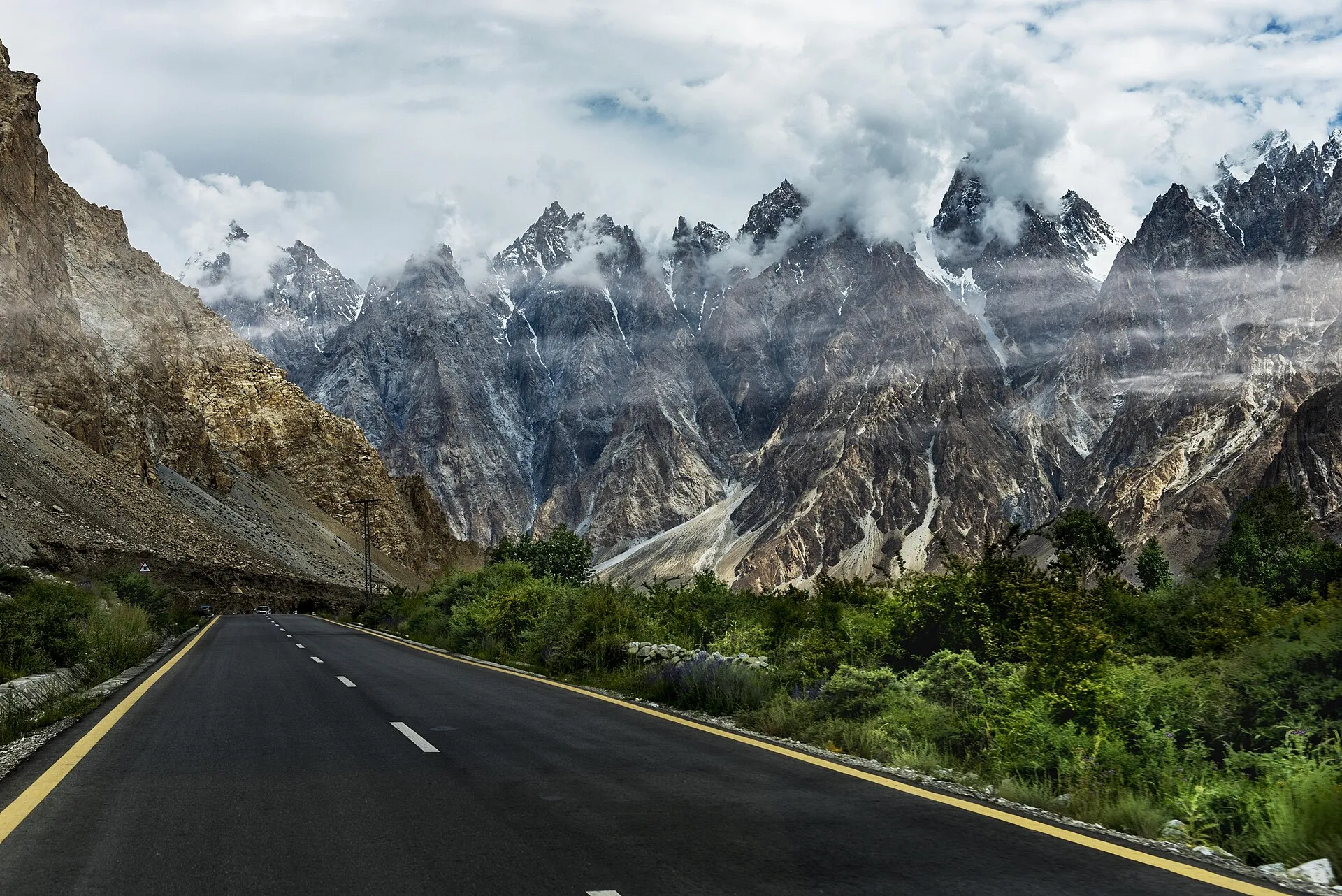
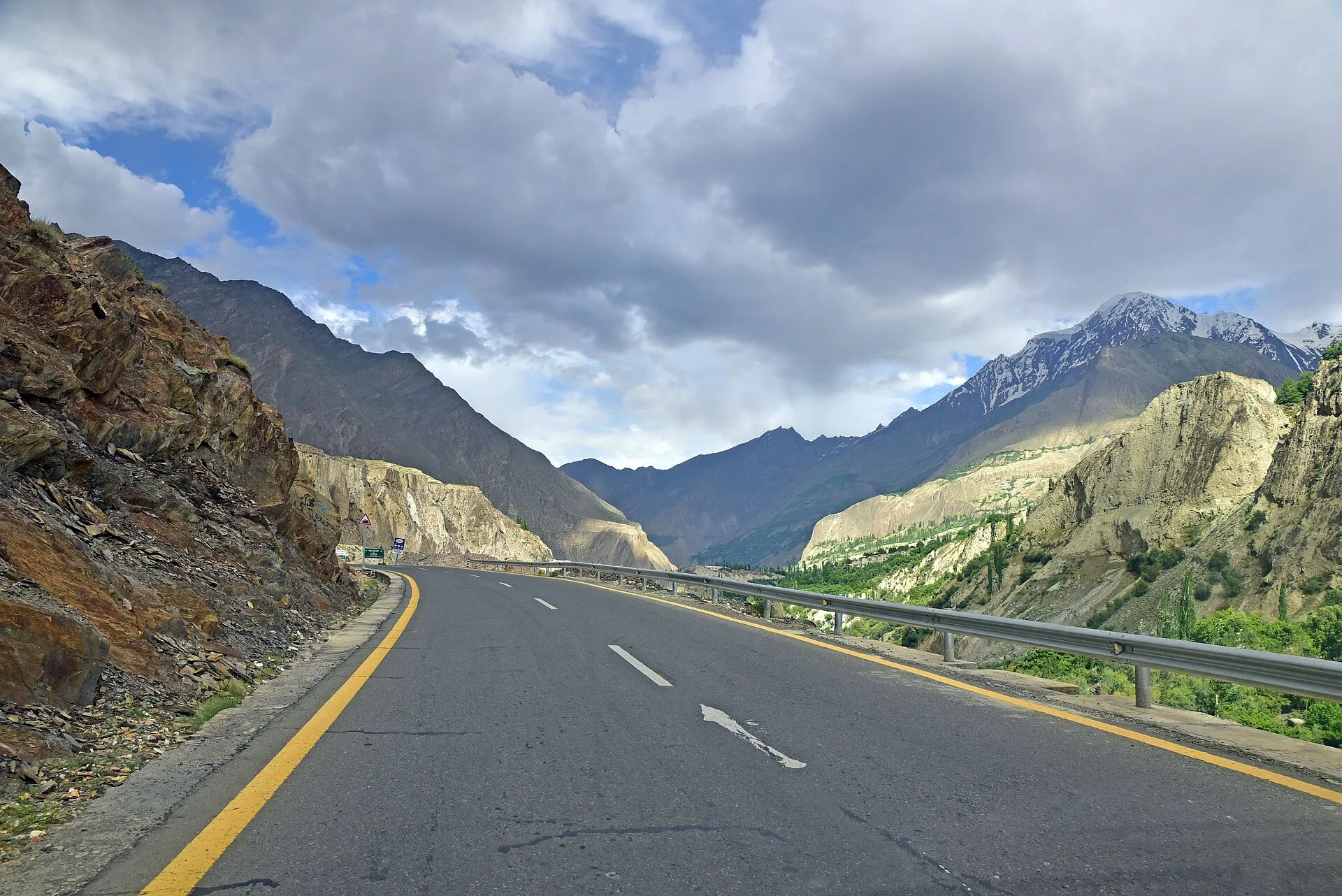
BaturaはHunza上流(Gojal)のオープンゾーンにあるため、正式な制限区域のトレッキング許可証もCKNPの料金もありません。地元のコミュニティと自然信託の料金を支払い、公認ガイドが標準的なやり方です。私たちは両方をまとめてご用意します。アクセスはカラコルム・ハイウェイの基準では分かりやすく、IslamabadからHunzaへ、そしてPassuへ。トレックは長いジープのアプローチなしに村の端から始まります。
体力と持ち物
これは技術ではなく体力のトレックです。でこぼこの地形を1日5~6時間、数日続けて歩けるなら、こなせます。モレーン用に足首を支えるしっかりしたブーツ、渡渉や緩い地面のためのトレッキングポール、そして夏でも冷える牧草地の夜のための重ね着を持参してください。テント、調理、グループの装備はこちらで用意します。凍える夜に対応した寝袋、日焼け対策、個人用の救急セットをご持参ください。
Batura Glacier はどこにあり、どのくらいの長さですか?
Batura Glacier は Gilgit-Baltistan の upper Hunza(Gojal)にあり、Karakoram Highway のすぐ西、Passu 付近の Batura Muztagh から流れ下っています。全長約 57 km で、極地以外では世界最長級の氷河のひとつであり、通常は地球上の非極地の氷河として第7位ほどに数えられます。このトレックは氷河そのものの上を歩くというよりも、その北側の縁に沿ってアブレーション谷と夏の高地放牧地をたどるもので、KKH のすぐそばにある Passu 村から出発するため、アプローチが短く、長いジープ移動の日はありません。そこから Wakhi の羊飼いの集落を通り過ぎながら緩やかに登り、片側に氷河、上には 7,000 m 級の峰々を望む放牧キャンプへと至り、最も高いキャンプでは約 3,900 m に達します。
氷河沿いに:Passu Cones、羊飼いのキャンプ、そして Batura Sar
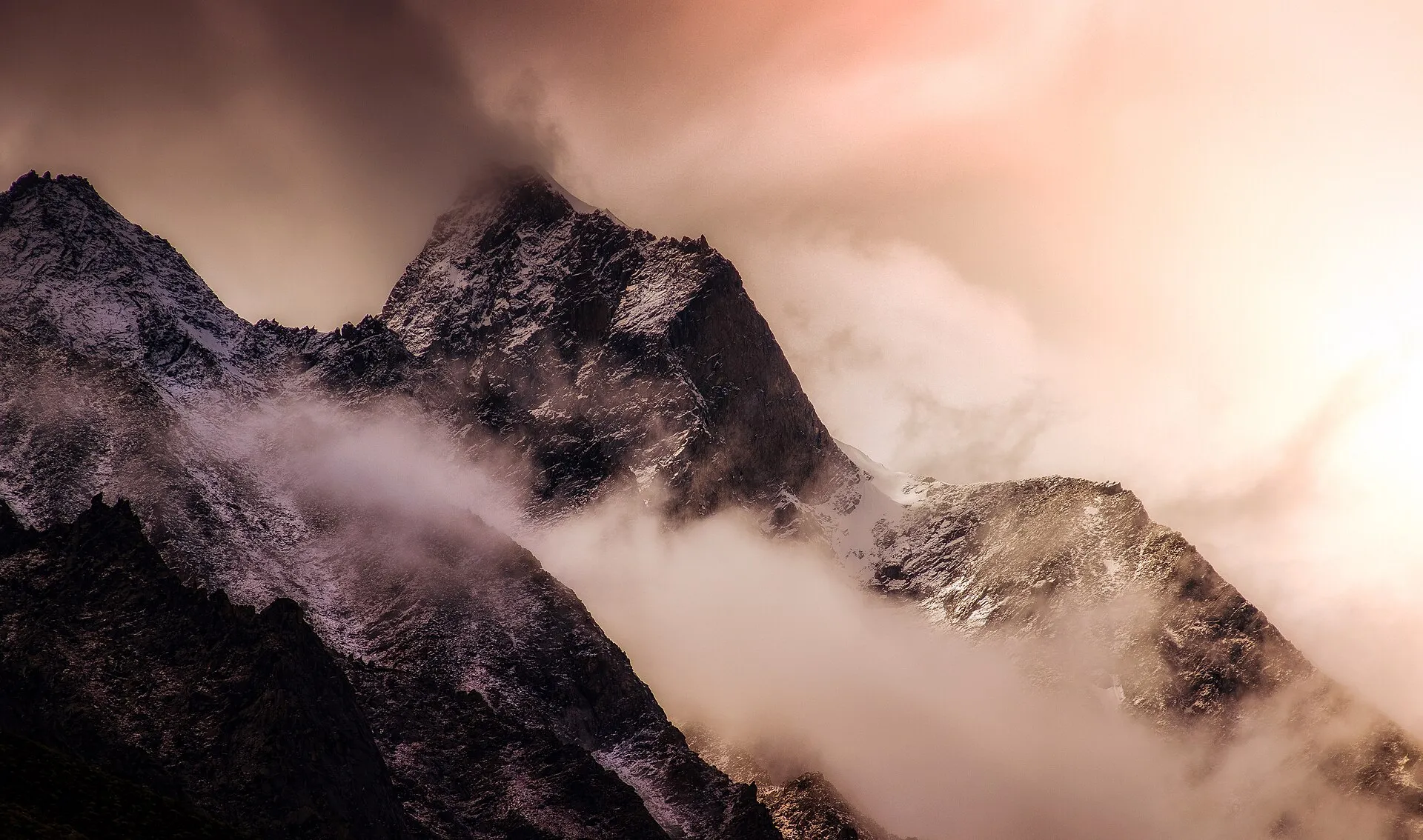
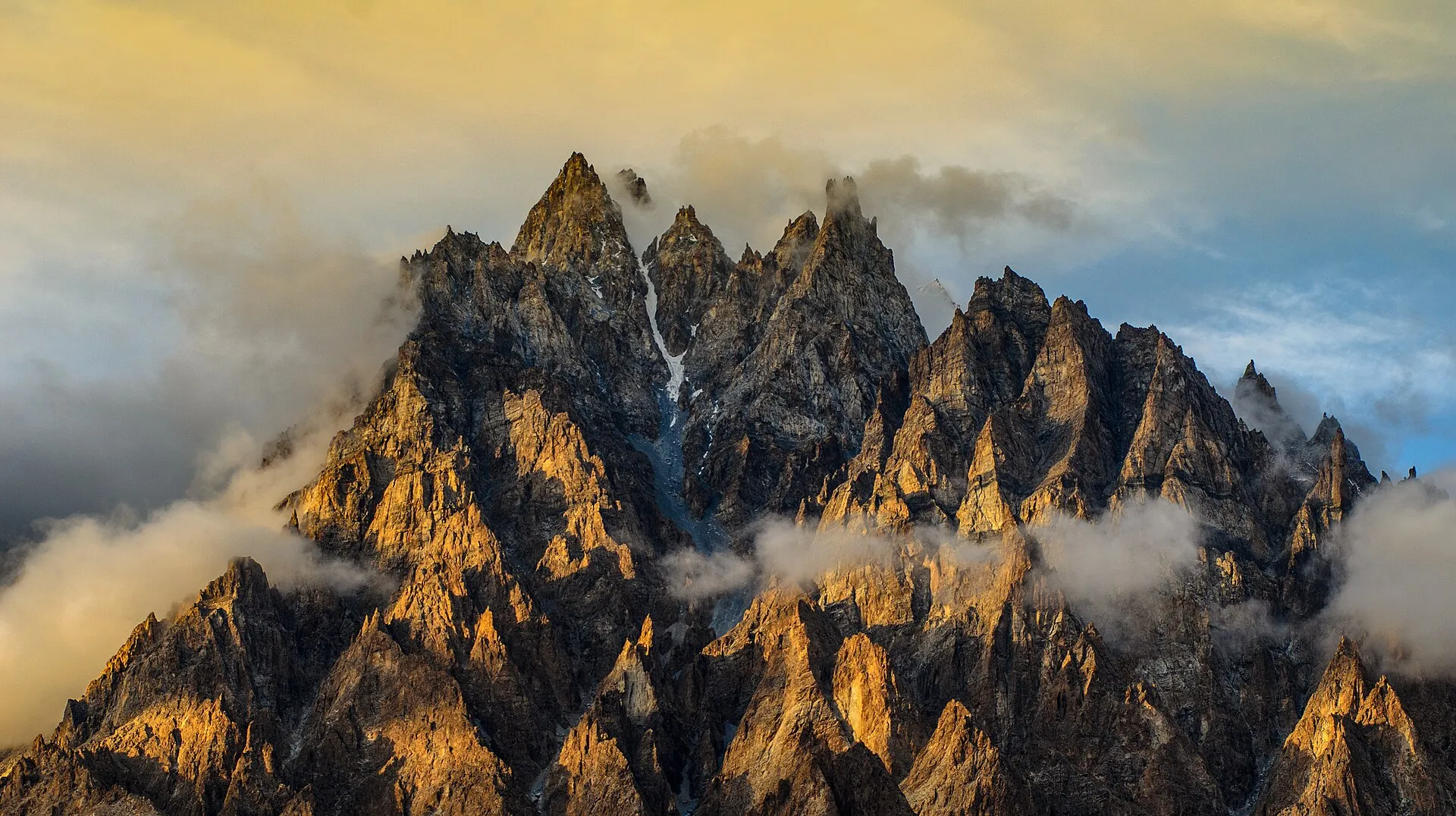
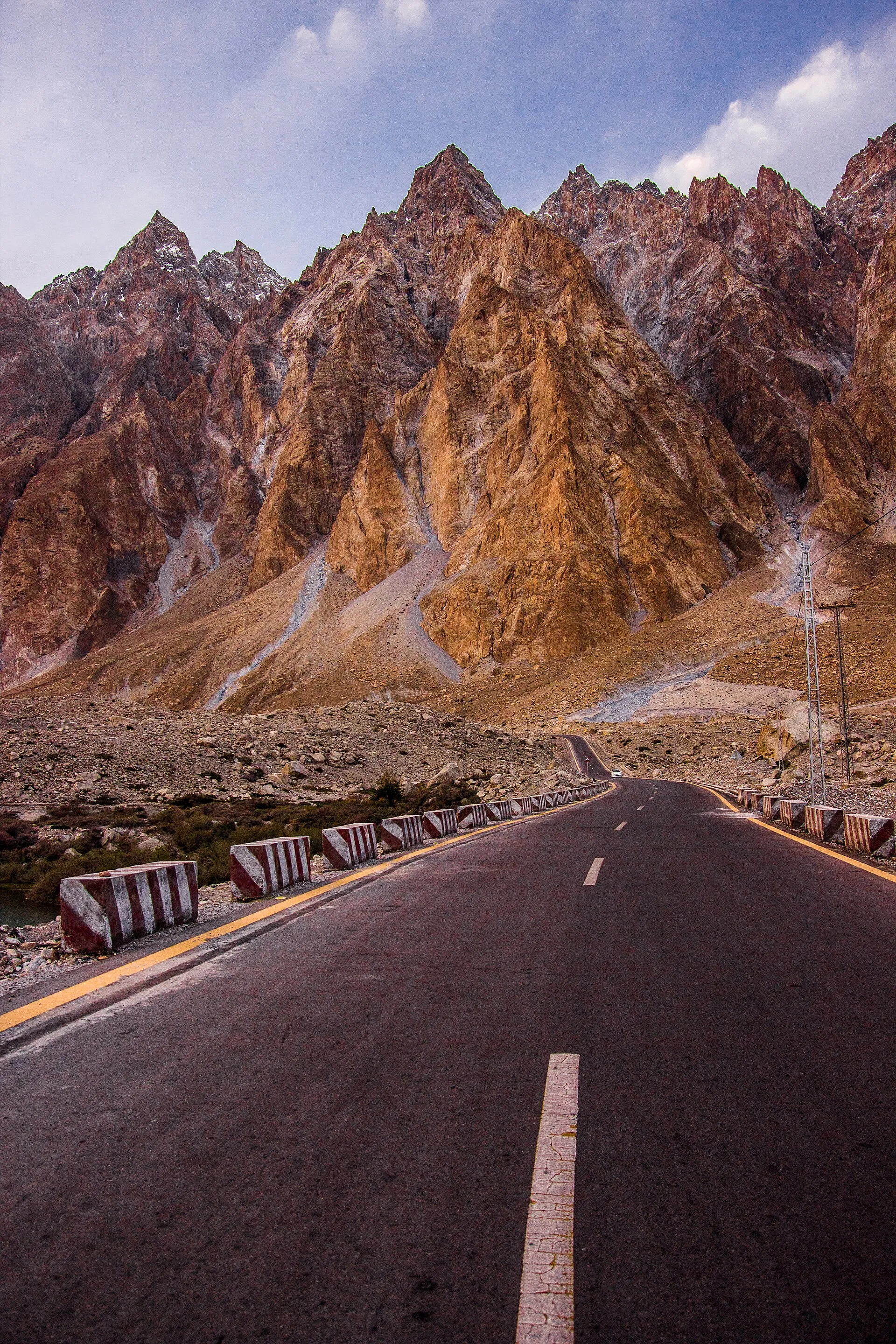
これは単一の山頂の眺めではなく、生きた景観をめぐるトレックです。鋸歯状の Passu Cones が登山口の真上にそびえ、高度を上げるにつれて Batura の壁が広がり、8,000 m 峰を除けば世界でも屈指の高峰である Batura Sar(7,795 m)が頂点を成し、その傍らには Passu Sar と Shispar が連なります。ルートは Wakhi の牧夫たちの夏のキャンプを縫って進み、家族が暖かい季節を通じて高地の草原でヤク、羊、山羊を放牧しているため、無人の荒野ではなく、石造りの小屋や放牧される家畜、灌漑用の水路のそばを通ります。緑の牧草地、氷河の氷、そして巨大な峰々が一枚の画面に収まるその対比こそが、Batura トレックを Hunza でも指折りの静かな名ルートにしています。
私たちを選ぶ理由
私たちは2015年から旅を催行してきたGilgit-Baltistanのオペレーターで、BaturaのガイドとポーターはPassu出身です。ここは彼ら自身の家族が放牧する牧草地です。渡渉が増水したり、天候が高地の草原を閉ざしたりするとき、その地元の手腕が物を言います。グループは少人数に保ち、ビューポイントを一つ消化するために危険な渡渉を押し通すことはせず、これが高山の壮大な冒険ではなく中級の牧草地トレックであることを正直にお伝えします。
含まれるもの
含まれないもの
よくある質問
Batura Glacierトレックの難易度は?
Batura Glacierトレックの難易度は?
Batura Glacierトレックは危険ですか?
Batura Glacierトレックは危険ですか?
Batura Glacierの長さは?
Batura Glacierの長さは?
Baturaトレックはどのくらいの高さまで行きますか?
Baturaトレックはどのくらいの高さまで行きますか?
Batura Glacierをトレックするのに最適な時期は?
Batura Glacierをトレックするのに最適な時期は?
Batura Glacierトレックに許可証は必要ですか?
Batura Glacierトレックに許可証は必要ですか?
Baturaトレックはどこから始まりますか?
Baturaトレックはどこから始まりますか?
Baturaトレックにはどのくらいの体力が必要ですか?
Baturaトレックにはどのくらいの体力が必要ですか?
Batura Glacier はどこにありますか?
Batura Glacier はどこにありますか?
Batura Glacier トレックでは何が見られますか?
Batura Glacier トレックでは何が見られますか?
Batura トレックの出発点へはどう行きますか?
Batura トレックの出発点へはどう行きますか?
Batura Glacier トレックの天候はどのような感じですか?
Batura Glacier トレックの天候はどのような感じですか?
次の冒険の準備はできましたか?
探検家コミュニティに参加し、一生に一度の旅を発見しましょう。専門チームがあなたの完璧な遠征を計画するお手伝いをいたします。