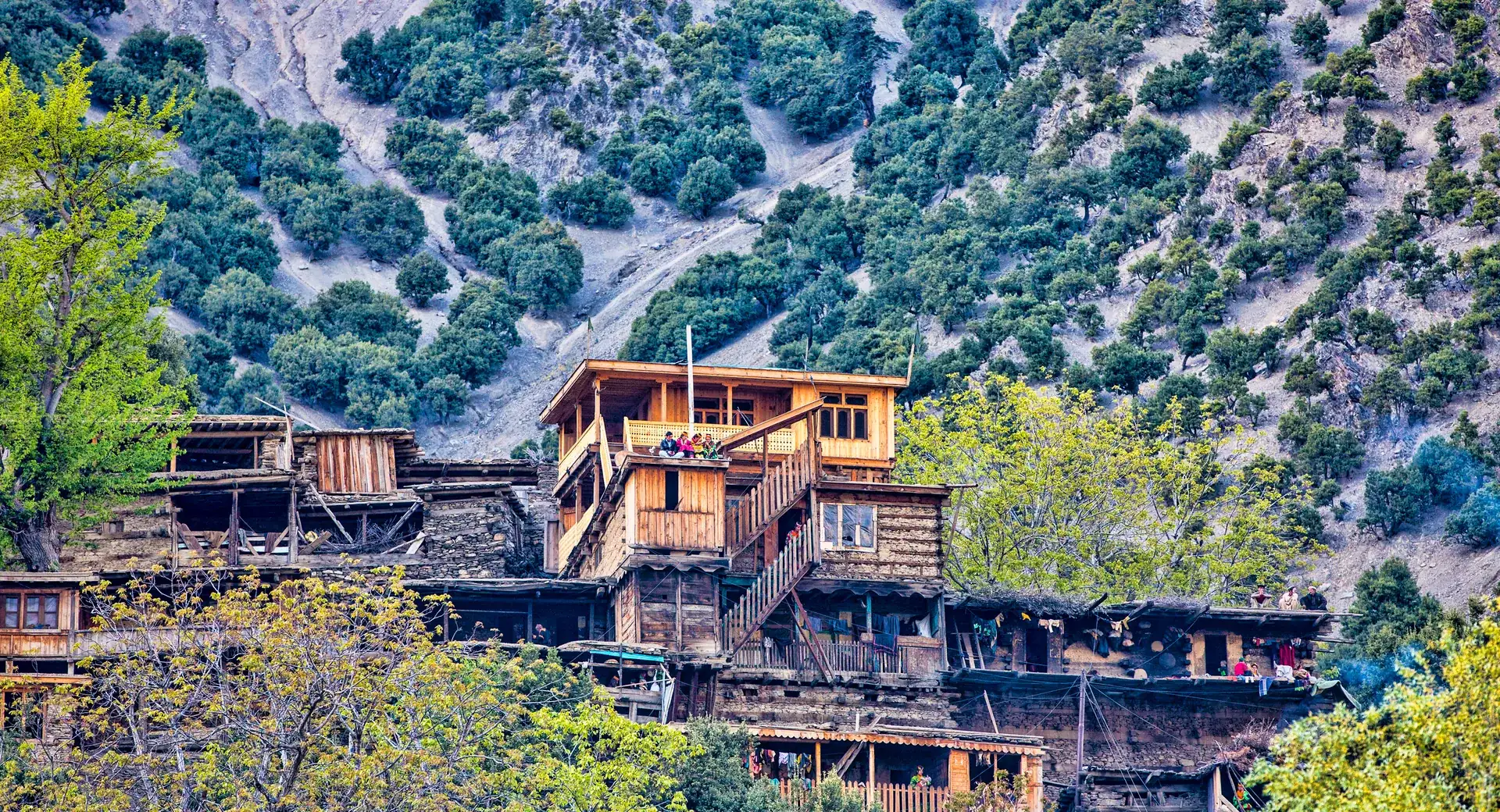
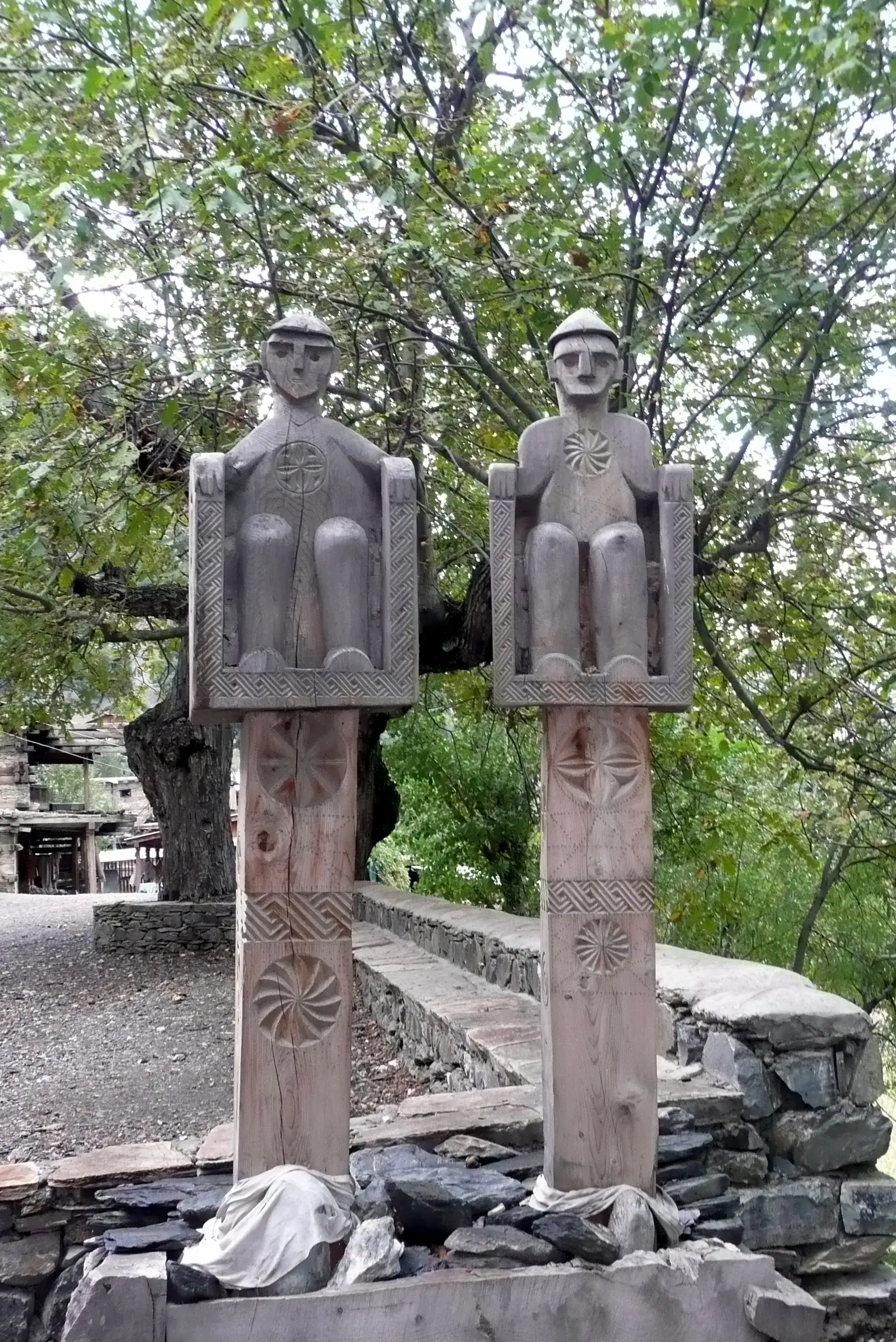
ほとんどの訪問者は5月の祭りを目当てに訪れ、二泊して頭飾りを撮影します。このツアーはその正反対の旅です。祭りの季節を外れると、谷は本来の暮らしへと戻ります。女性たちは朝、クルミの木立へ歩いて向かい、ベランダには機織りが姿を現し、家畜は牧草地から牧草地へと移り、家族のゲストハウスに泊まる客は、群衆の中の一つの顔ではなく、その家の一大事として迎えられます。彫刻された柱を備えた Jestak Han の氏族の聖堂、高台の祭壇、そして彫られた墓標像 gandau がかつて屋根のない棺の上に立っていた墓地を目にすることになります。
数千人の話者をもつダルド語派の言語 Kalasha は、ここ以外ではほとんど見られないかたちで、日々の暮らしの中に生き続けています。ムスリムが多数を占める国で家庭で造られるワインも、そして稜線から読み取られ、緊急の保護を要する遺産として UNESCO に登録された太陽暦 Suri Jagek も同じです。これらは何ひとつ、訪問者のために演じられているのではありません。それはただ、谷の暮らしが営まれている流儀そのものであり、それをきちんと見るには、一週間がほぼ最低限なのです。
はい、祭りの週だけではありません。Bumburet、Rumbur、Birir には、自然の神々、氏族の祠、家庭で造るワインを伴う Hindu Kush の古い宗教を今も守る、約4,000人の Kalash の人々が暮らしています。かつてその信仰を共有していた他の人々は、何世代も前に改宗しました。Kalasha 語はここで日常的に使われて生き残っており、ほかではほとんど話されていません。長老たちは今も尾根の稜線から太陽暦 Suri Jagek を読み取り、これは UNESCO により緊急に保護が必要な遺産に登録されています。祭りの時期以外、谷は日々の営みに戻ります。朝のクルミ林、ベランダの織機、牧草地の間を移動する家畜の群れ。そして家族経営のゲストハウスに客が来ることは、一家にとっての出来事です。Jestak Han と呼ばれる氏族の神殿、彫刻の施された gandau と呼ばれる墓の人形、Birir での家庭のワイン搾りも見られます。きちんと味わうには最低でも1週間ほど必要で、だからこそ私たちのツアーは6〜8日間です。
三つの Kalash の谷とは、Chitral 谷の支谷で標高1,900〜2,200 m にある Bumburet、Rumbur、Birir です。Bumburet は最も広くにぎやかで、Chitral の町からジープで36 km、標高約2,000 m にあり、ゲストハウスが最も多く、Kalash の暮らしへの最も穏やかな入門の場です。北のより狭い渓谷を上った Rumbur は最も静かで、信仰を実践する Kalash の割合が最も高く、主要な集落 Grom には最も重要な祠があり、そこから標高約2,800 m の高地の牧草地へ歩くことができます。最も南にあり最も小さい標高1,900 m の Birir は、三つの中で最も保守的で、家庭でのワイン造りや木彫りなど、ほかでは消えてしまった手仕事を見られる場所です。Chitral から日帰りするのではなく、そのうち二つか三つの谷に泊まることが、本当の滞在と写真撮影だけの立ち寄りを分けるものであり、私たちの長いほうの日程では三つすべてに泊まります。
安全ですか?
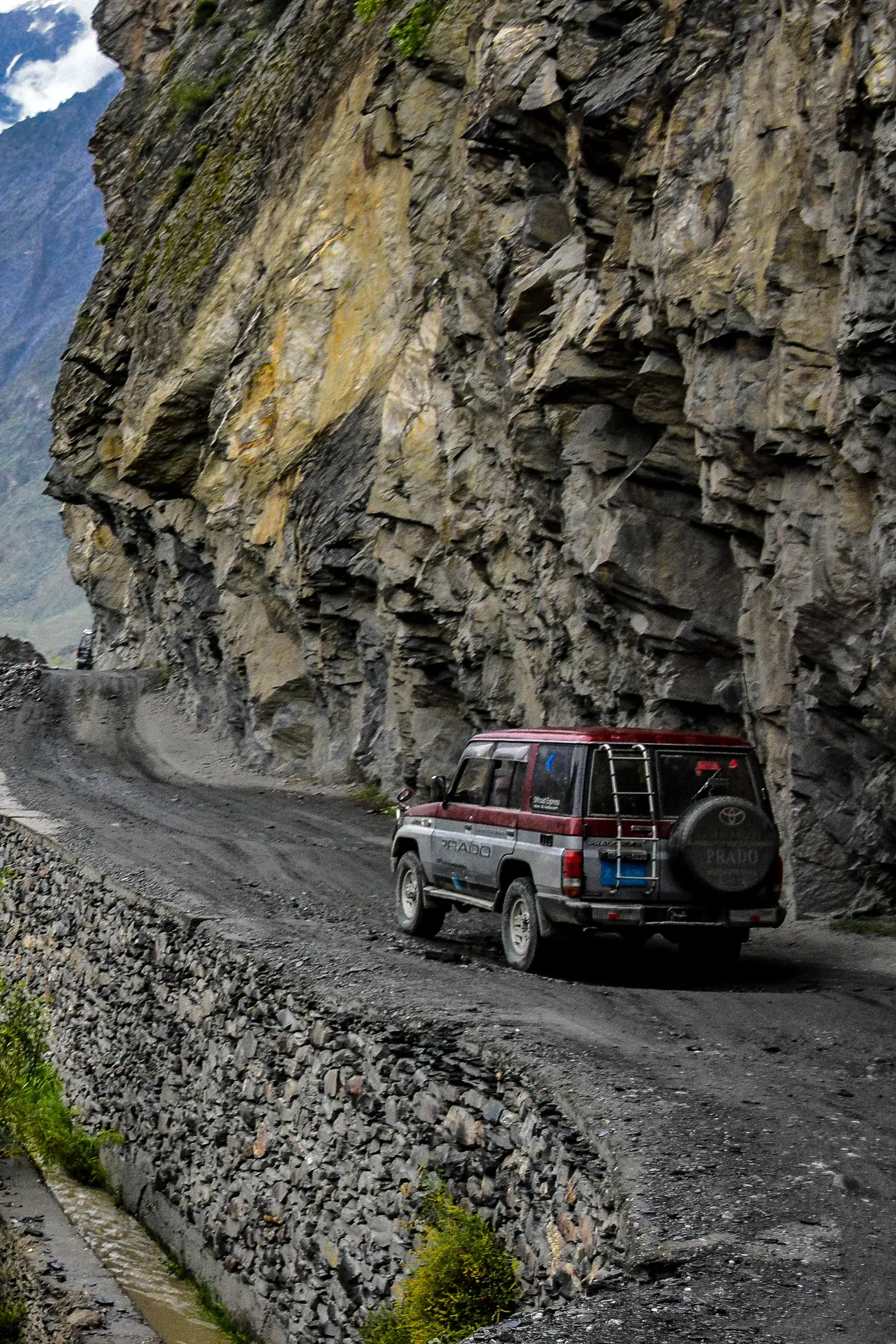
はい。Chitral 県はパキスタンでも最も穏やかな地域のひとつで、Kalash の谷は客を迎え慣れています。現実的なリスクは人ではなく、山道と手薄な医療体制です。Chitral から Bumburet までのジープ道は36 km の荒れた渓谷の道で、Islamabad からの陸路は Swat、Dir、全長10.4 km の Lowari トンネルを越えるため、すべての出発で経験豊富なジープのドライバーを起用し、救急用品を携行します。Chitral 行きの便は天候ですぐに欠航しますが、すべての旅に陸路の予備プランがあるので、欠航で立ち往生することはありません。最高地点は標高約2,800 m のオプションの牧草地の散策なので、高度は問題にならず、ツアーは易しいと評価されています。旅行保険は料金に含まれていないので、ご自身で加入してください。現在外国人は NOC を必要とせず、警察の検問所でのパスポート登録のみで、それはガイドが対応します。出発のたびに現地の規則も確認しています。
Kalash の谷はどこにありますか?
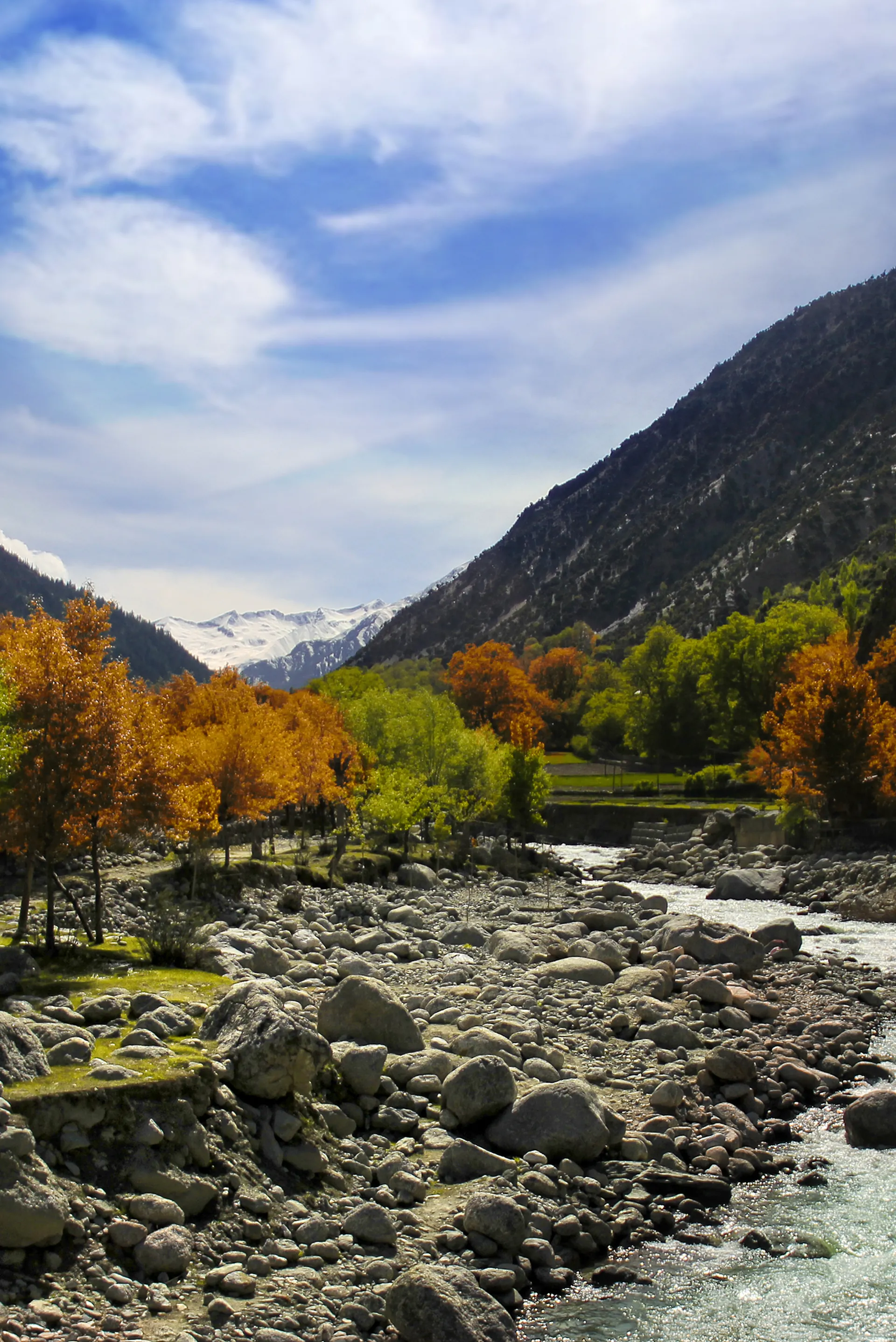
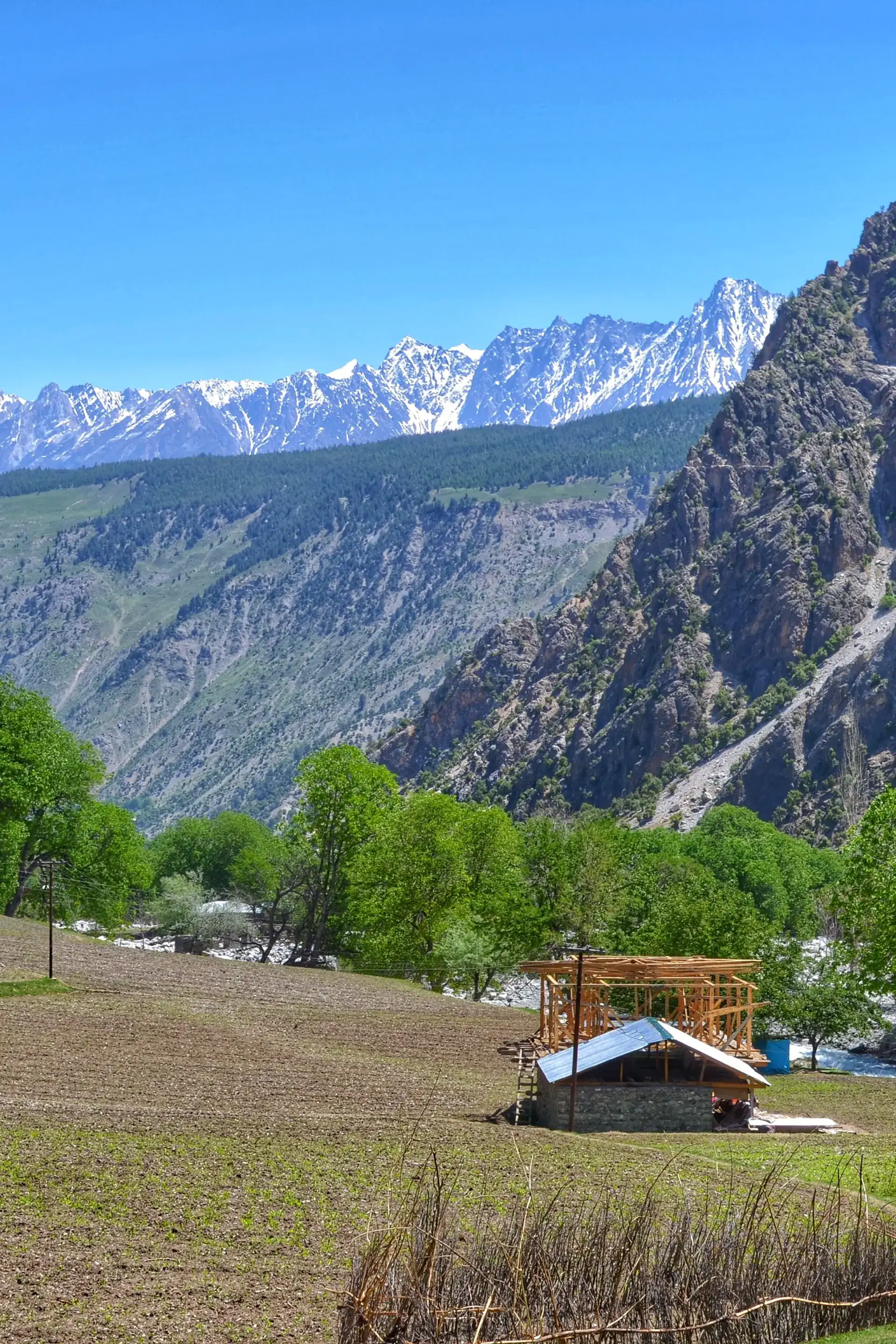
Kalash の谷、Bumburet、Rumbur、Birir は、パキスタンの北西の果て、アフガニスタン国境近くの Hindu Kush の奥深く、Khyber Pakhtunkhwa の Chitral 県にあります。Chitral の町から南西へ約35〜40 km、主要な Chitral 谷から分かれる支谷で、標高は約1,900〜2,200 m です。Chitral へは Islamabad から PIA の便で約50分、あるいは Swat、Dir、全長10.4 km の Lowari トンネルを経由する陸路で10〜12時間です。Chitral の町からはジープで渓谷を上って約2時間、36 km 先の Bumburet に着きます。谷は緑豊かで木々が茂り、クルミやアンズの木があり、さらに東の荒涼とした高地とは対照的です。私たちのツアーは Islamabad 発着で、航空便または陸路、すべての地上移動、谷間のジープが含まれています。
Kalash の人々とはどのような人たちですか?
Kalash(Kalasha)は Bumburet、Rumbur、Birir に暮らす約4,000人の共同体で、イスラム教に改宗することなく、自然の神々、氏族の祠、家庭で造るワインを伴う Hindu Kush の古い宗教を今も守っています。かつてその信仰を共有していた他の人々は、アフガニスタン国境の両側で何世代も前に改宗したため、Kalash は最後の存在です。彼らが話す Kalasha 語は話者数千人のダルド語派の言語で、ここで日常的に使われて生き残っており、ほかではほとんど話されていません。彼らの一年は、尾根の稜線から読み取る太陽暦 Suri Jagek に従って巡り、これは UNESCO により緊急に保護が必要な遺産に登録されています。女性は鮮やかな刺繍の入った黒い衣装とタカラガイの貝殻をあしらった頭飾りを身に着け、文化は音楽、踊り、ワインに彩られた三つの季節の祭りを中心としています。Jestak Han と呼ばれる氏族の神殿には彫刻の施された柱があります。訪問は特別なことなので、誰かを撮影する前には必ず許可を求めてください。
Kalash の谷の気候はどのようなものですか?
Kalash の谷々は標高約1,900〜2,200 m の守られた支谷で、高い Karakoram よりも穏やかで緑に恵まれています。5月から9月の夏が主なシーズンで、日中は暖かく快適、たいてい20℃台前半から半ばですが、夜はぐっと冷え込むので、7月でも暖かい上着をお持ちください。6月から9月が最も安定した時期で、高地の牧草地も日帰りの散策に開かれています。春は緑にあふれて雪解け水が音を立てて流れ、5月には花と Chilam Joshi 祭りがあります。秋はひんやりと澄み、10月にはクルミやアンズの木が黄金色に色づきます。冬は寒く雪が多く道路が閉鎖されることもあり、Choimus 祭りは12月の冬至のころに行われます。天候はアクセスにも影響します。Chitral 行きの便は Hindu Kush 上空の天候ですぐに欠航するため、すべての出発に陸路の予備プランがあります。私たちのツアーは4月から10月に催行しています。