Khunjerab Passツアー — 世界最高所の国境、7日間 | Go With Guide
Home
All Tours Cultural Tours Family Holidays Luxury Tours Camping Road Trips
K2 Treks Trending Treks High Passes Trekking Holidays All Treks
8000m Peaks 7000m Peaks 6000m Peaks High Passes
Cycle Touring Eco Tourism Motorcycle Touring Mountain Passes Festivals of Pakistan Ibex Hunting Snow Leopard International Travelers
About Us Vehicles Contact FAQs
Plan Your TripExplore Tours
🇺🇸 English
🇷🇺 Русский
🇫🇷 Français
🇨🇳 中文
🇯🇵 日本語
🇹🇭 ไทย
🇮🇹 Italiano
🇻🇳 Tiếng Việt
🇲🇾 Bahasa Melayu
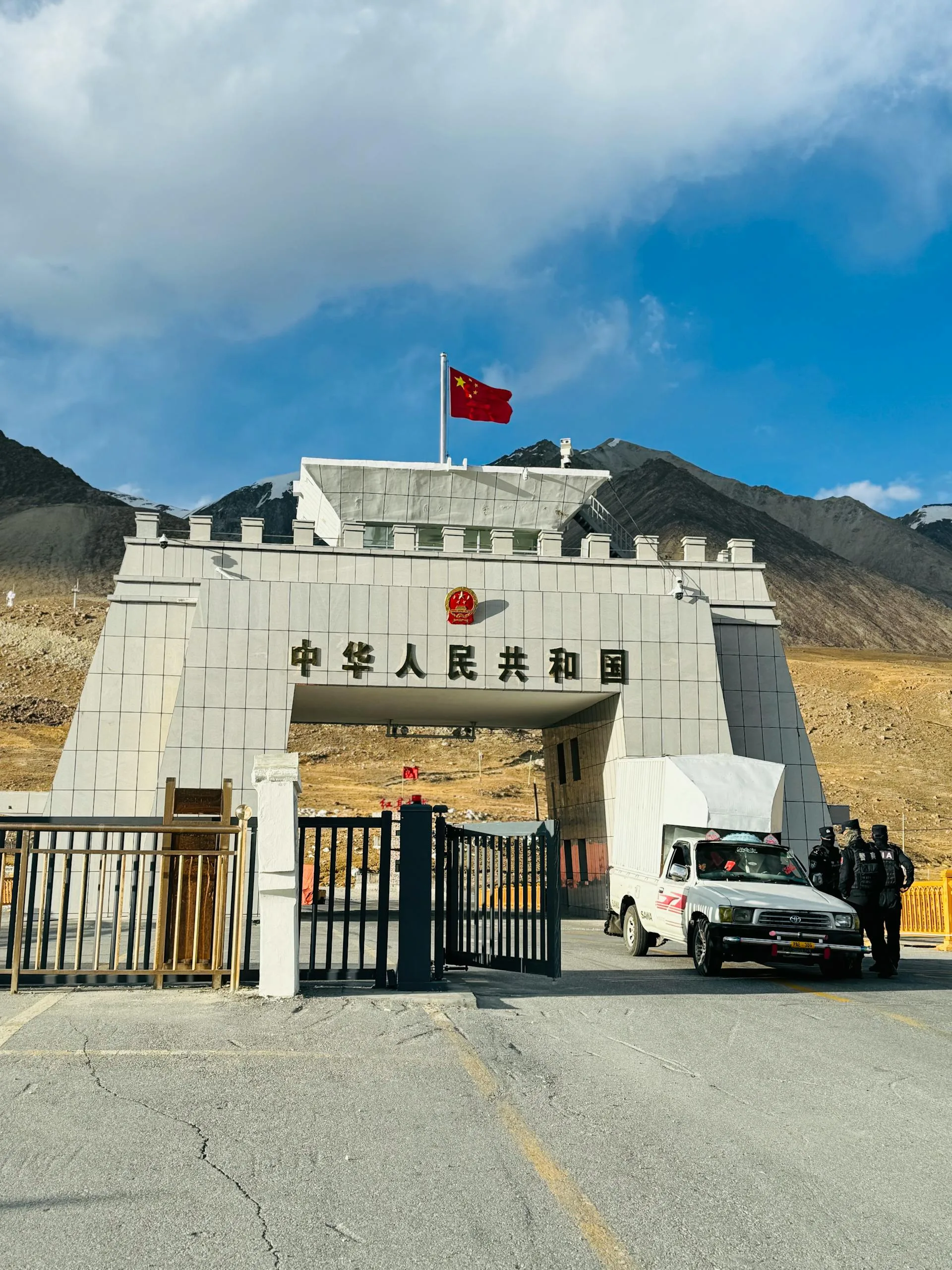
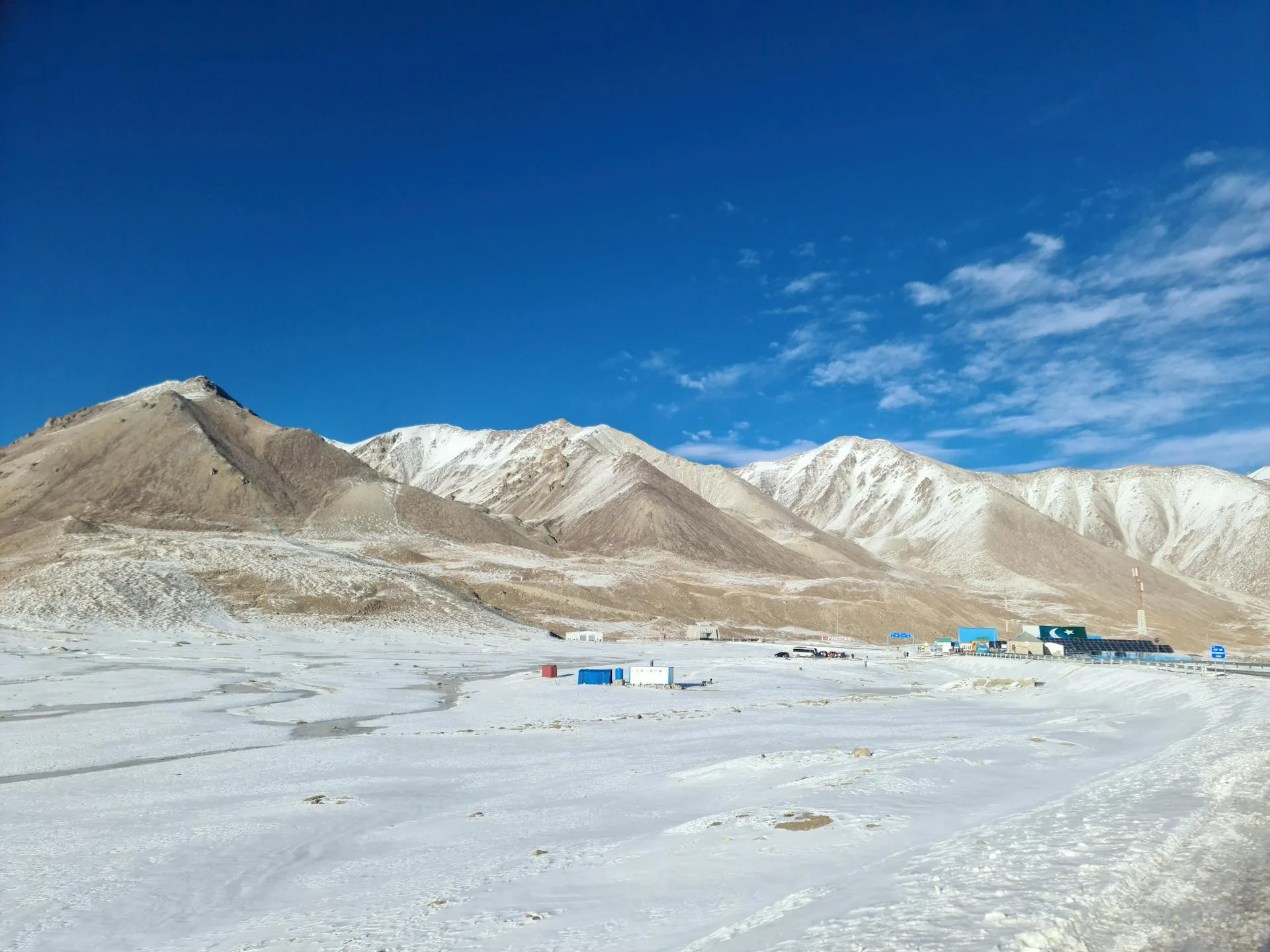
The border gate at 4,693 m Khunjerab Pass, the world's highest paved border crossing
Back to Tours
Road Trip Gilgit-Baltistan

Khunjerab Pass Explorer

A pass-led express to 4,693 m and the China gate, in seven days

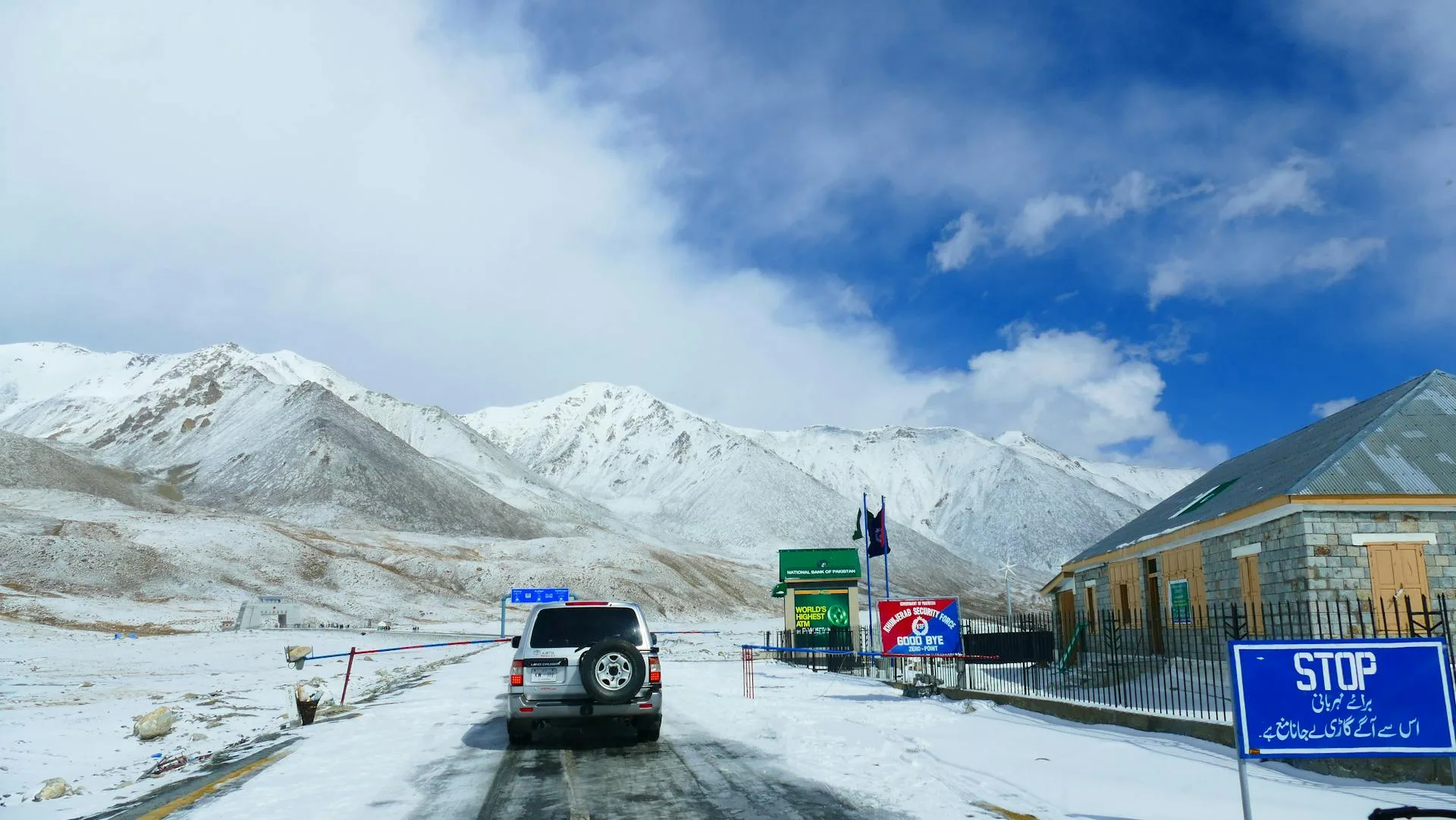
Snow-covered Karakoram peaks at the Pakistan-China border above Khunjerab Pass
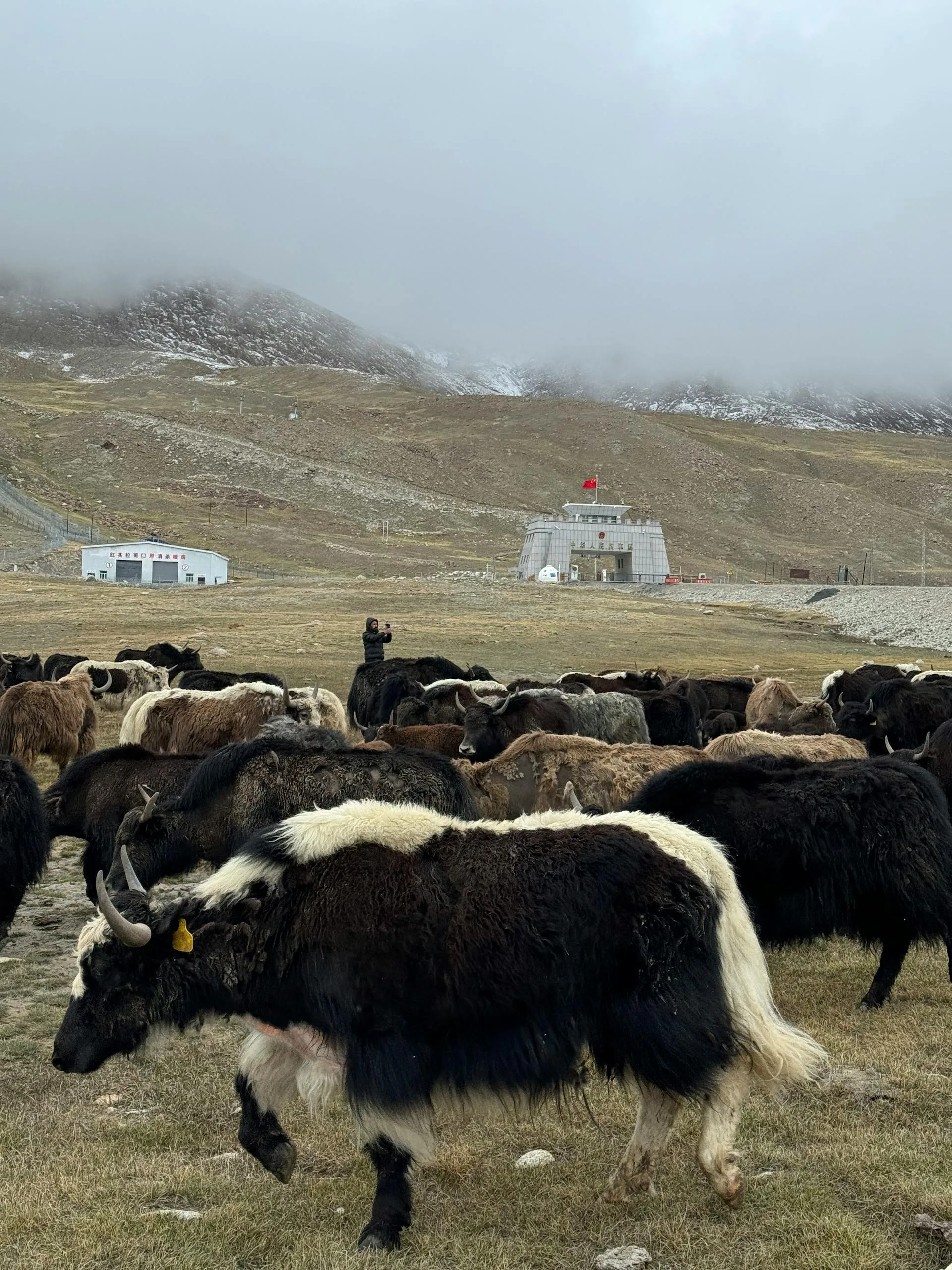
A yak grazing the high plateau near the Khunjerab Pass border marker
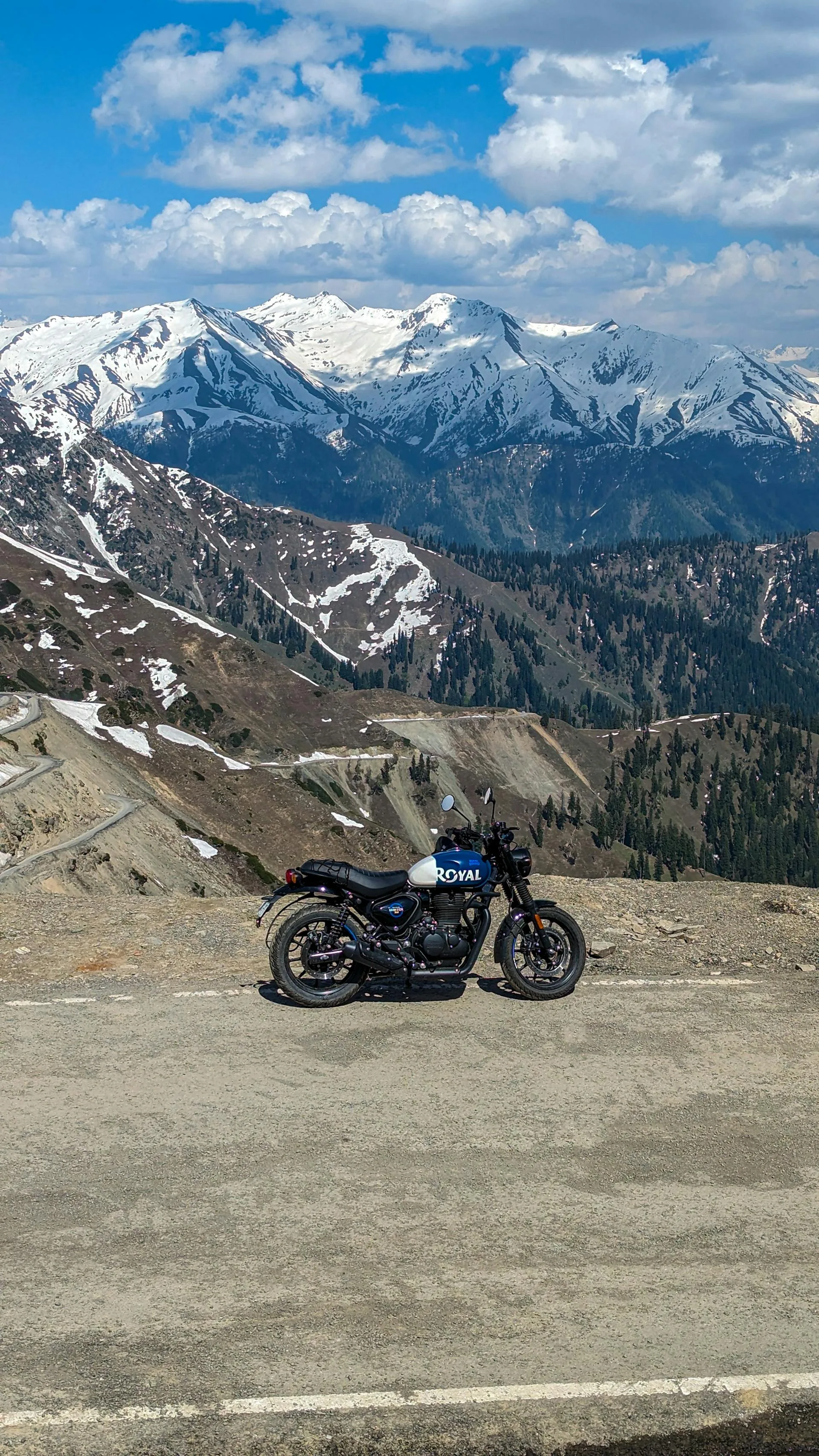
A motorcyclist on the Karakoram Highway climbing toward Khunjerab Pass
Snow-covered high peaks of Khunjerab National Park on the climb to the pass
The bare high-alpine tundra of the Khunjerab plateau near the China border

Duration

5–7 Days

Difficulty

Moderate

Group Size

2–10 people

Best Season

Jun–Oct

About This Tour

This 7-day tour puts Khunjerab Pass front and centre. At 4,693 m on the Pakistan-China border, it is the highest paved international border crossing in the world, and reaching the gate, photographing it and standing on the line is the headline of the trip. We run it as a tighter, pass-led itinerary: Gilgit in and out, the Hunza landmarks taken in on the way up, and one big day built around the border itself.

The journey is the build-up to the pass. From Gilgit the Karakoram Highway climbs north past the Rakaposhi viewpoint near Nagar, the turquoise Attabad Lake formed by the 2010 landslide, and the saw-tooth Passu Cones, gaining altitude in stages so the body has time to adjust before the high day. Sost, the last Pakistani town with its customs post, sits about 75 km and two hours below the top, where the road enters Khunjerab National Park for the final climb.

Khunjerab National Park is the wild frame around the pass. This high-alpine reserve protects snow leopard, Marco Polo sheep, Himalayan ibex, blue sheep and golden marmot, with golden eagles overhead. As the road climbs above 4,000 m the vegetation thins to tundra, yaks graze the plateau, and marmots and ibex are the realistic sightings while your guide works the ridgelines with binoculars. The top is bare and windswept, with the border gate and the world's highest ATM.

The pass day is framed as a high-altitude day-trip: a fast climb to 4,693 m and back, which we manage with acclimatisation lower down, a short stay at the top and plenty of fluids. The grading is moderate, group size runs 2 to 10, and the price is $950. We sell the pass for the snow-free window only.

The Khunjerab Pass Day

The pass day is the reason for the trip and we give it the room it needs. From the upper valley the road runs to Sost, the last Pakistani town and its customs and immigration post, about 75 km and two hours below the top. Above Sost it enters Khunjerab National Park and climbs hard, past the park checkpoint, until the orchards are long gone and the landscape is tundra and rock.

At the top you have time at the border marker for photographs at the China gate, a look at the world's highest ATM, and wildlife spotting with binoculars across the plateau. The realistic sightings on the climb are golden marmots and Himalayan ibex, with yaks grazing near the summit and golden eagles working the thermals; snow leopard and Marco Polo sheep live in the park but are very rarely seen. We keep the stay at the top short, both for the weather and for the altitude, then descend to a lower night.

Day-by-Day Itinerary

1

Islamabad to Gilgit

Fly to Gilgit, weather permitting, or drive the KKH. A first acclimatisation night, with an easy afternoon city walk and the Kargah Buddha rock carving nearby.
2

Gilgit to Karimabad

Drive north up the Karakoram Highway to Karimabad (~2,438 m), past the Rakaposhi roadside viewpoint near Nagar. Visit Baltit Fort and head up to the Eagle's Nest viewpoint for sunset over the peaks.
3

Karimabad to Passu

Drive north with an Attabad Lake boat trip on the way, then on to Passu. An afternoon acclimatisation walk and the Passu Cones at dusk, banking altitude before the pass day.
4

Passu to Khunjerab Pass

The big day: through Sost (~75 km, ~2 hr below the top) and into Khunjerab National Park, climbing to the border at 4,693 m. Marmots, ibex and yaks on the way up, photographs at the China gate, then return to Sost or Passu for the night.
5

Return via Gulmit and Borith Lake

A gentler day after the altitude: a stop at Gulmit village and a walk to Borith Lake (~2,600 m), with a view of the Passu Glacier tongue. Drive back down to Karimabad.
6

Karimabad to Gilgit

A morning in Karimabad bazaar, then the drive south to Gilgit. An optional excursion to the Naltar Valley and its coloured lakes is possible for those with energy to spare.
7

Gilgit Departure

Fly Gilgit to Islamabad. Tour ends.

Best Time to Go to Khunjerab Pass and When It Opens

For tourists, the workable window is May to October, and it is snow-dependent. Snowfall controls the top of the road, so the exact start and end shift each year, and we will not promise the pass in April or November. The early and late departures carry the most weather risk; we keep the pass day flexible so we can put it on the clearest morning we get.

Looser online sources quote April to November, but that reflects the China-side trade calendar, not a guarantee that tourists can drive to the marker. Compared with Babusar Pass (4,173 m), which is a seasonal shortcut on a different route, Khunjerab is higher, paved to the top and an international border, which is why it carries a stricter snow-dependent season.

Can Tourists Visit Khunjerab Pass?

Yes. Tourists can drive to the pass and stand at the border marker; it is a popular day-trip target from Hunza and the upper valley in season. What tourists generally cannot do here is cross into China: the gate is the formal border, and actually entering China needs the right Chinese visa and separate arrangements. For nearly all our guests, Khunjerab is a there-and-back day to the top, not a crossing.

You will need Khunjerab National Park entry fees for the pass day, which we arrange as part of the package. There is no separate trekking permit for this road itinerary.

How Hard Is It?

The difficulty is altitude, not walking. You drive almost the whole way, but the pass day is a fast climb to 4,693 m and back, so we treat it as a genuine high-altitude day-trip. We acclimatise in stages on the way up the valley, keep the time at the top short, push fluids, and watch for the headache, breathlessness or nausea of mild altitude sickness.

Because this is a tighter 7-day trip, the acclimatisation runway is shorter than on our longer Hunza-first tour, so the grading here is moderate rather than easy. It is not suitable for guests with serious heart or lung conditions. If you would rather acclimatise over more nights and spend longer in the valley before the pass, our 8-day Hunza to Khunjerab tour gives you that, and travellers who only want the valley itself can look at the Hunza Valley Explorer.

Why Book With Us

We are a Gilgit-Baltistan operator and have run the Khunjerab road since 2015, so we know how to deliver the pass on a tight seven days: stage the altitude on the way up, keep the time at the top short, and build the pass day to land on a clear morning. Our guides double as wildlife spotters in the national park and know where the marmots and ibex sit. We are honest that the top is snow-dependent and that this is a real altitude day on a shorter acclimatisation runway, and we plan the trip so the journey up still rewards you even if fresh snow shuts the marker.

What's Included

Gilgit–Islamabad flights (both directions)
All transport on KKH including jeep to Khunjerab
6 nights accommodation (guesthouses in Karimabad, Passu, Sost, Gilgit)
All meals throughout
English-speaking guide and wildlife spotter
Khunjerab National Park entry fees

Not Included

International flights
Travel insurance
Personal expenses and tips

Frequently Asked Questions

How high is Khunjerab Pass?

Khunjerab Pass is 4,693 metres (15,397 ft) above sea level, the world's highest paved international border crossing. A 4,714 m figure sometimes quoted nearby refers to the highway's maximum road elevation close to the pass, not the border marker.

Can tourists visit Khunjerab Pass?

Yes. Tourists can drive to the pass and stand at the border marker in season; it is a popular day-trip. Crossing into China is different and needs the right Chinese visa and arrangements, so for almost all guests it is a there-and-back day to the top.

Is Khunjerab Pass worth visiting?

Yes, if standing at the world's highest paved border at 4,693 m with the Karakoram around you appeals. The climb through Khunjerab National Park, the China gate and the high-alpine wildlife make it a genuine bucket-list day for many travellers.

When is the best time to go to Khunjerab?

May to October, and snow-dependent, since snowfall controls the top of the road. We do not promise the pass in April or November; the April to November dates online are the China-side trade calendar, not tourist access.

How far is Khunjerab Pass from Gilgit and Sost?

Gilgit to the upper valley is several hours up the KKH, and from Sost, the last Pakistani town, it is about 75 km and two hours of climbing to the pass. The pass day is a full-day round trip.

Will I get altitude sickness at Khunjerab?

It is possible, because the pass day is a fast climb to 4,693 m and back on a 7-day trip with a shorter acclimatisation runway. We stage the altitude up the valley first, keep the stay at the top short and push fluids. It is not suitable for guests with serious heart or lung conditions.

What wildlife lives in Khunjerab National Park?

The park protects snow leopard, Marco Polo sheep, Himalayan ibex, blue sheep and golden marmot, with golden eagles overhead. The realistic sightings are marmots and ibex, plus yaks near the top; snow leopards are present but very rarely seen.

How much does the Khunjerab Pass tour cost?

This 7-day tour is priced at $950 per person, including Gilgit flights, transport, accommodation, all meals, a guide and wildlife spotter, and Khunjerab National Park fees. International flights to Pakistan are not included.

From

$950

per person

* Prices may vary. Contact us for accurate, customized pricing.

Duration5–7 Days
DifficultyModerate
Group Size2–10 people
Best SeasonJun–Oct
Max Altitude4,693 m
Book This Tour Ask a Question

Free cancellation up to 30 days before departure

Ready for Your Next Adventure?

Join our community of explorers and discover the journey of a lifetime. Our expert team is ready to help you plan your perfect expedition.