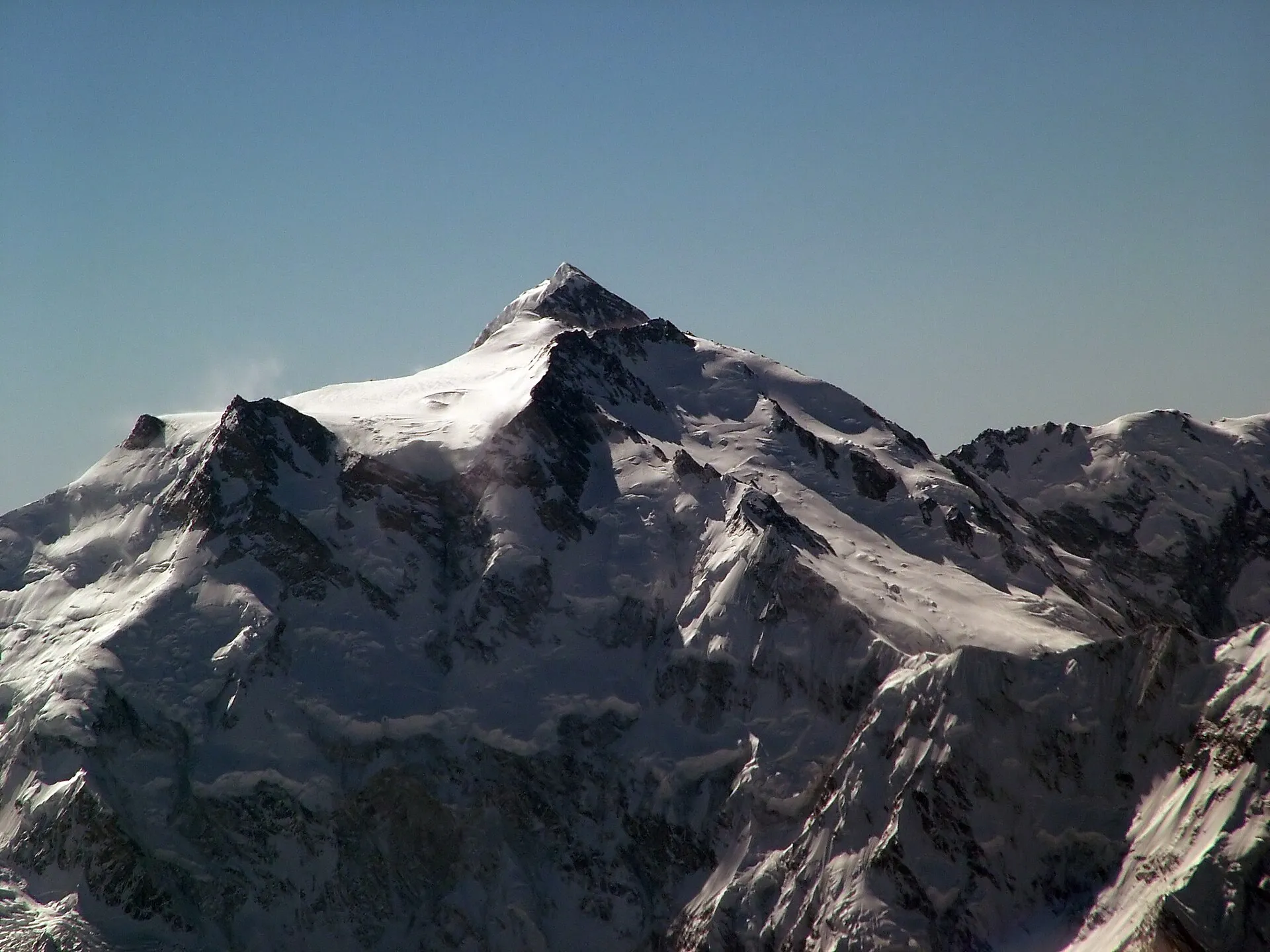
ナンガ・パルバット ベースキャンプ・トレック
Rupal谷を登り、地球で最も高い山壁のふもとへ
最終更新: · 監修:Javeed Iqbal(創業者)
日数
14-16 日間
難易度
上級
グループサイズ
4-12 名
ベストシーズン
6月〜9月
ツアーについて
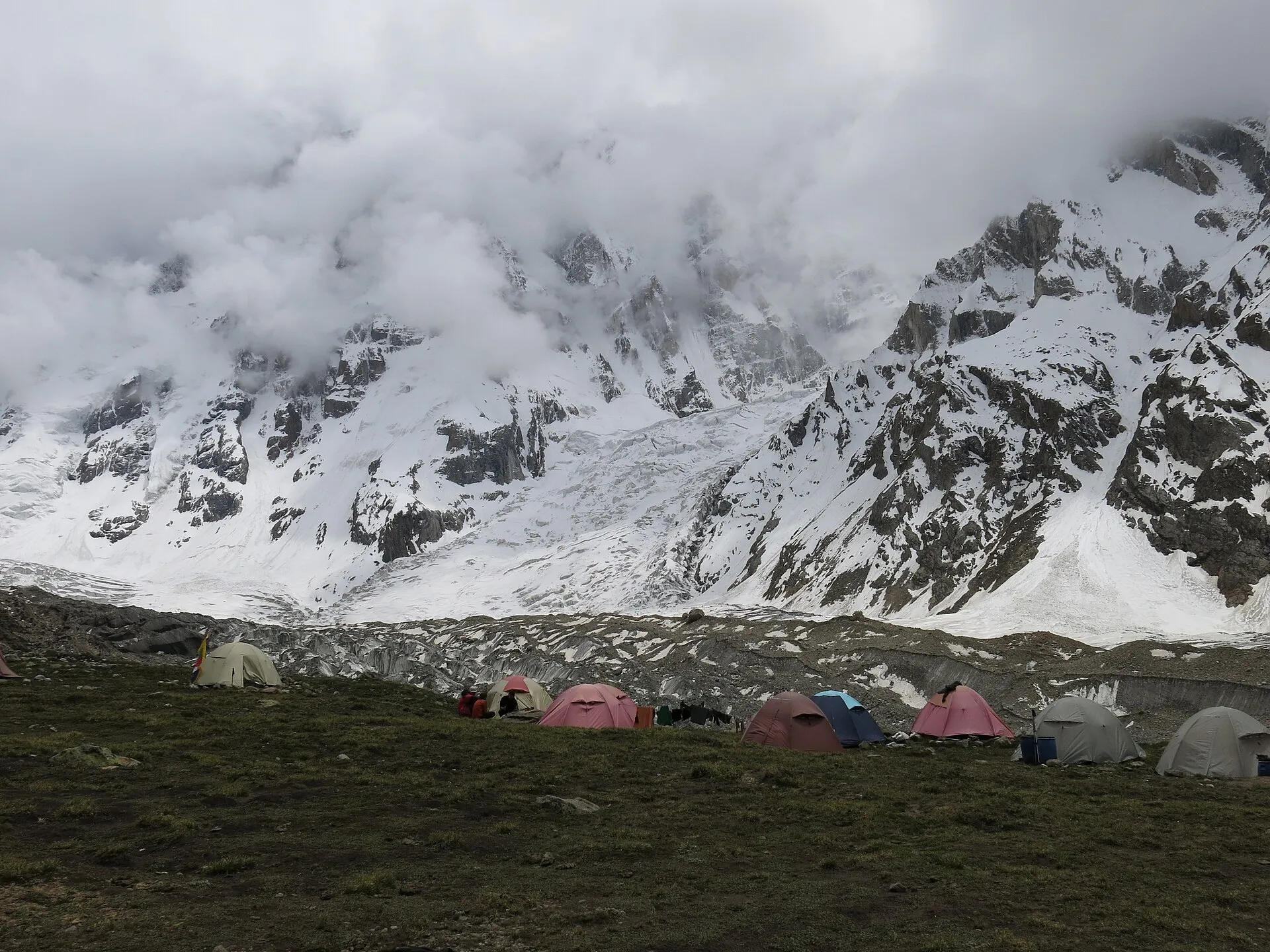
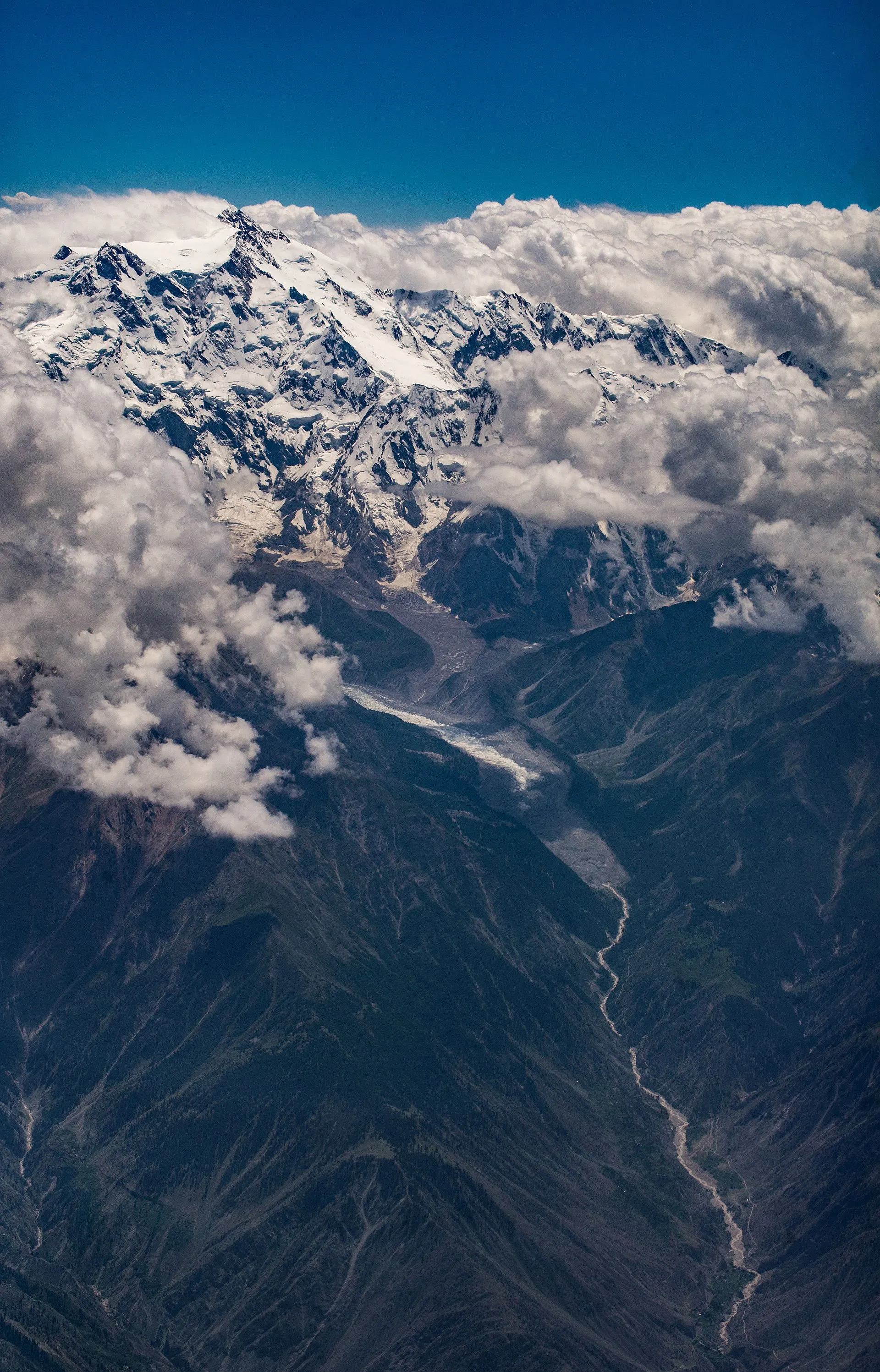
このトレックはNanga Parbatの南側、Rupal谷を登り、山の南壁の下のベースキャンプへ向かいます。Nanga Parbatは標高8,126mで地球で9番目に高い山、8,000m峰の中で最も西に位置し、隣峰とは違いKarakoramではなくHimalayaの、AstoreとDiamer地区に立ちます。標高約2,900mの登山口の村Tarashingから、ルートはおよそ3,500〜3,600mのRupalベースキャンプへ登り、壁の下にはLatbo氷河湖と羊飼いの集落があります。
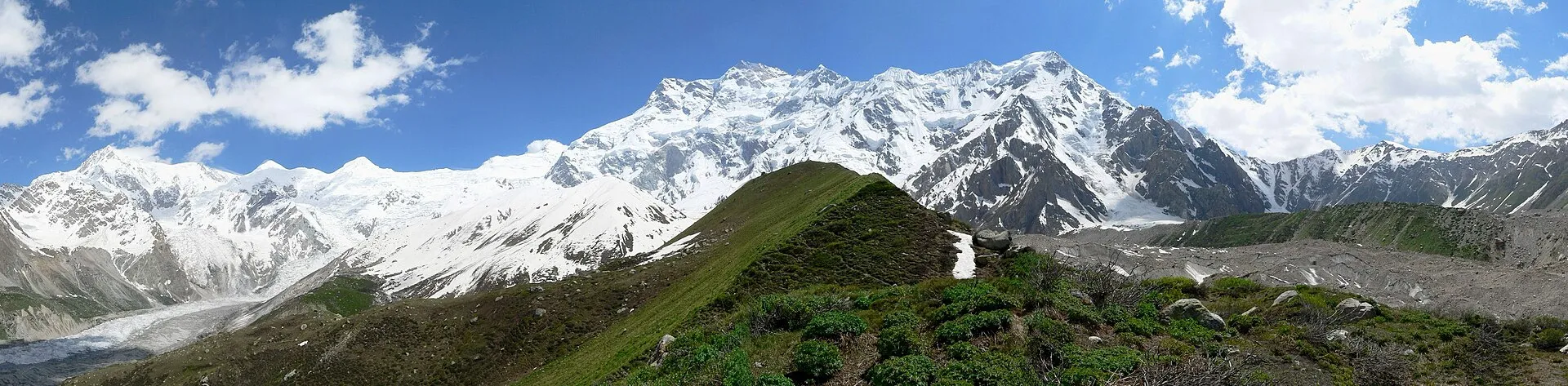
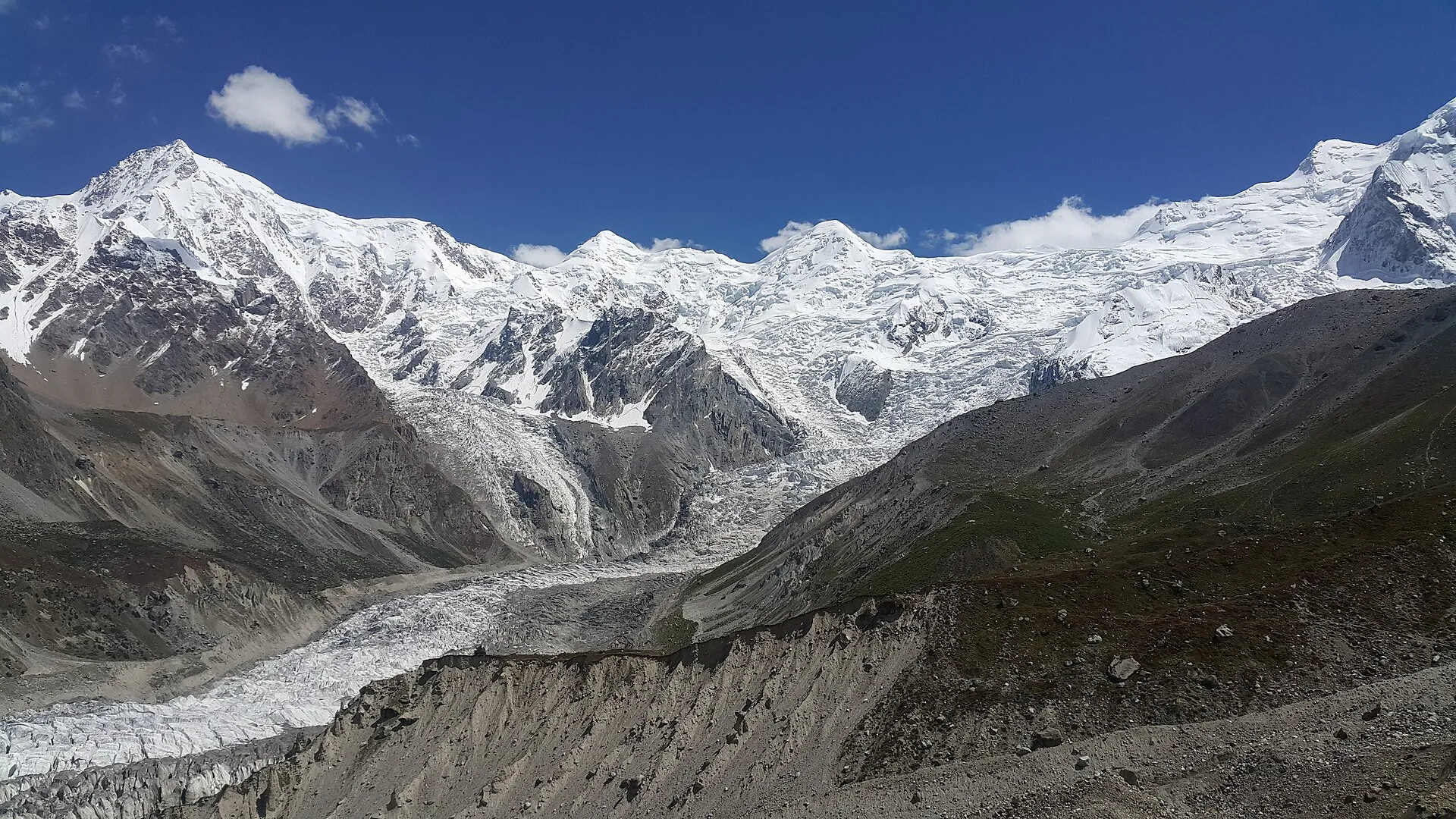
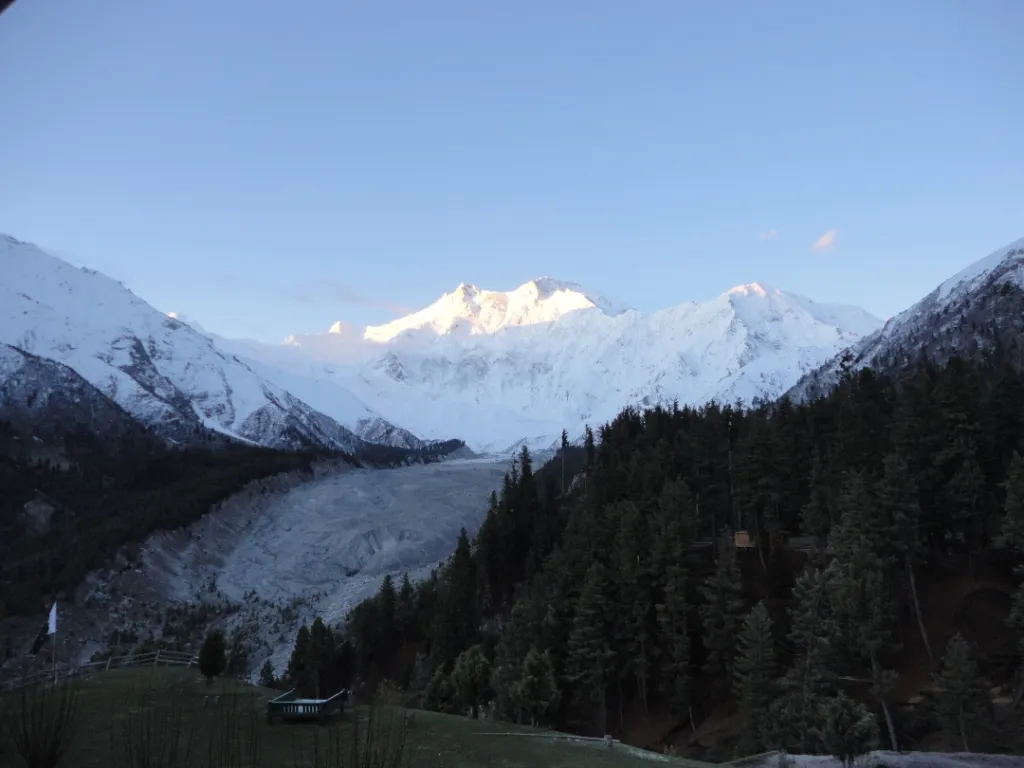
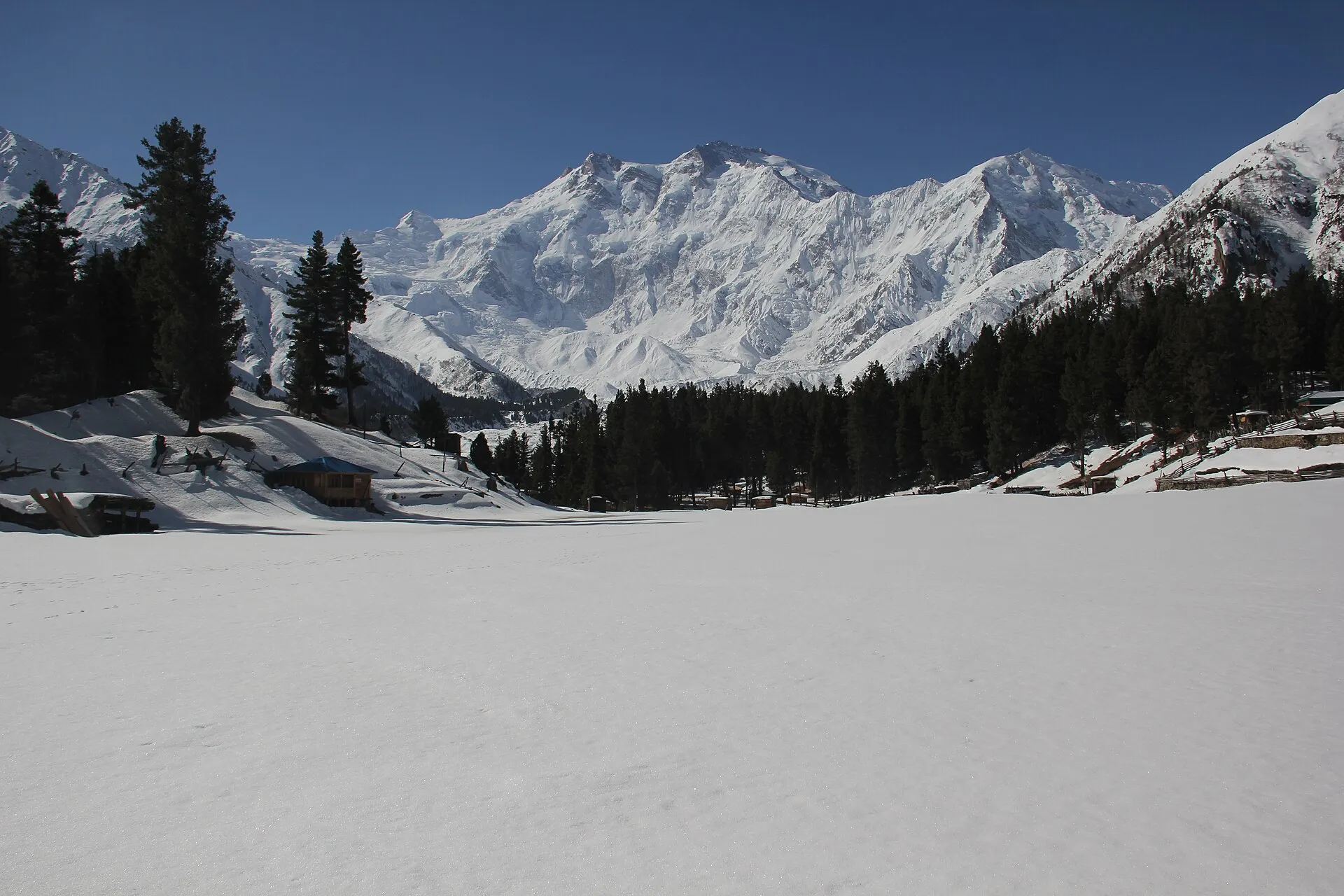
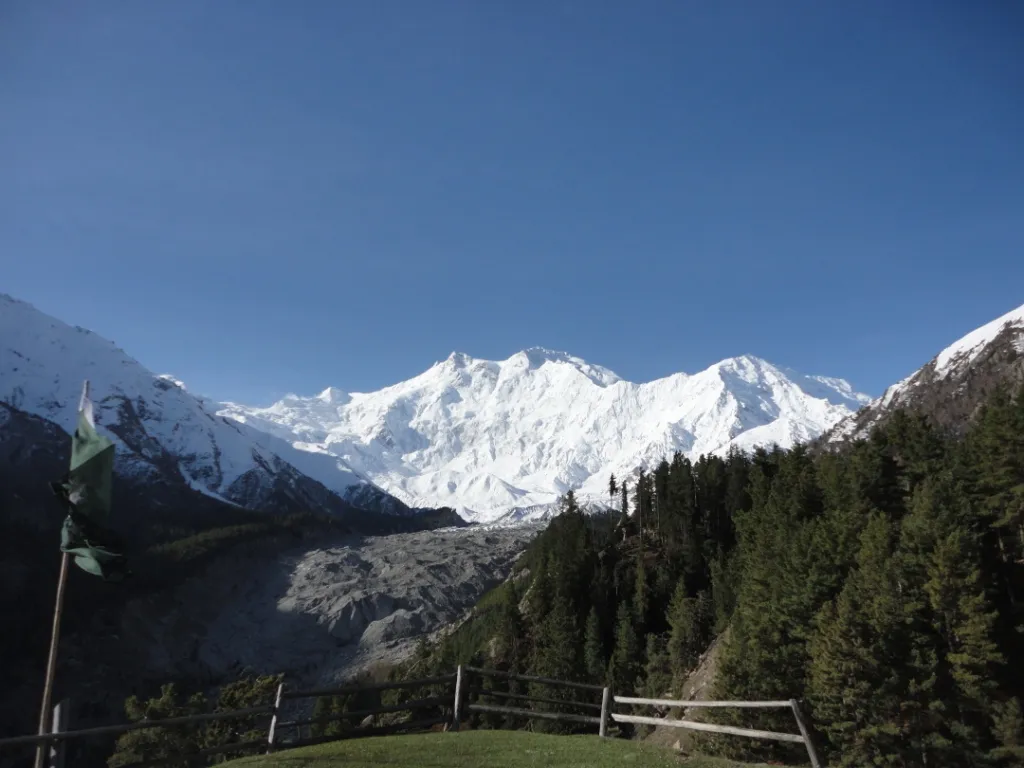
見どころはRupal Faceそのものです。基部から頂上まで垂直に約4,600mそびえ、地球で最も高い山壁と広く見なされています。ベースキャンプに立ち、その壁が空を埋め尽くす様こそ、人々がこの旅をする理由です。アプローチではGujarとShinaを話す羊飼いの土地、松と白樺、そして夏に野花で満ちる草原を抜け、谷を登るにつれ山の南側がずっと育っていきます。
これが何かを正直に。Rupalベースキャンプ・トレックはモデレートです。数日のトレッキング、往復およそ26〜30km、本物だがこなせる高度、そしてテクニカルな地形なし。いわゆるNanga Parbatベースキャンプの旅が実際に提供する大半がこれで、登山経験のない体力ある歩き手に向いています。本格的なバリアント、Mazeno La越えの全周回はまったく別物で、後ほど説明します。これは標準ではなく、万人向けでもありません。
私たちはRupalトレックをライセンスを持つガイド、ポーター、完全な野営サポートで運営し、壁への突進ではなく快適な高度順応を軸にペース配分します。旅はベースキャンプとRupal Faceを軸に組まれ、こなして折り返すのではなく探索し眺めを味わう時間があります。販売上の長さはIslamabadからの移動と予備を含めて14〜16日で、料金は1名あたり2,600米ドルです。
Rupal谷ルート
アクセスはIslamabadからKarakoram HighwayをChilasまで陸路で上り、その後ジープでAstoreへ入り、標高約2,900mのTarashingへ進みます。最後の村であり登山口です。ドライブだけでも劇的な山岳路の一日で、ハイウェイからNanga Parbatの最初の眺めが望めます。
TarashingからトレックはRupal谷を羊飼いの牧草地と森を抜けて登り、およそ3,500〜3,600mのRupalベースキャンプへ。HerrligkofferまたはLatobahベースキャンプとも呼ばれ、南壁の下、Latbo湖と放牧の集落の近くに設けられます。ここでの休息と探索の一日で順応し、より高い展望地まで歩いてRupal Faceとその氷河の全景を望み、その後谷を引き返してTarashingへ戻ります。
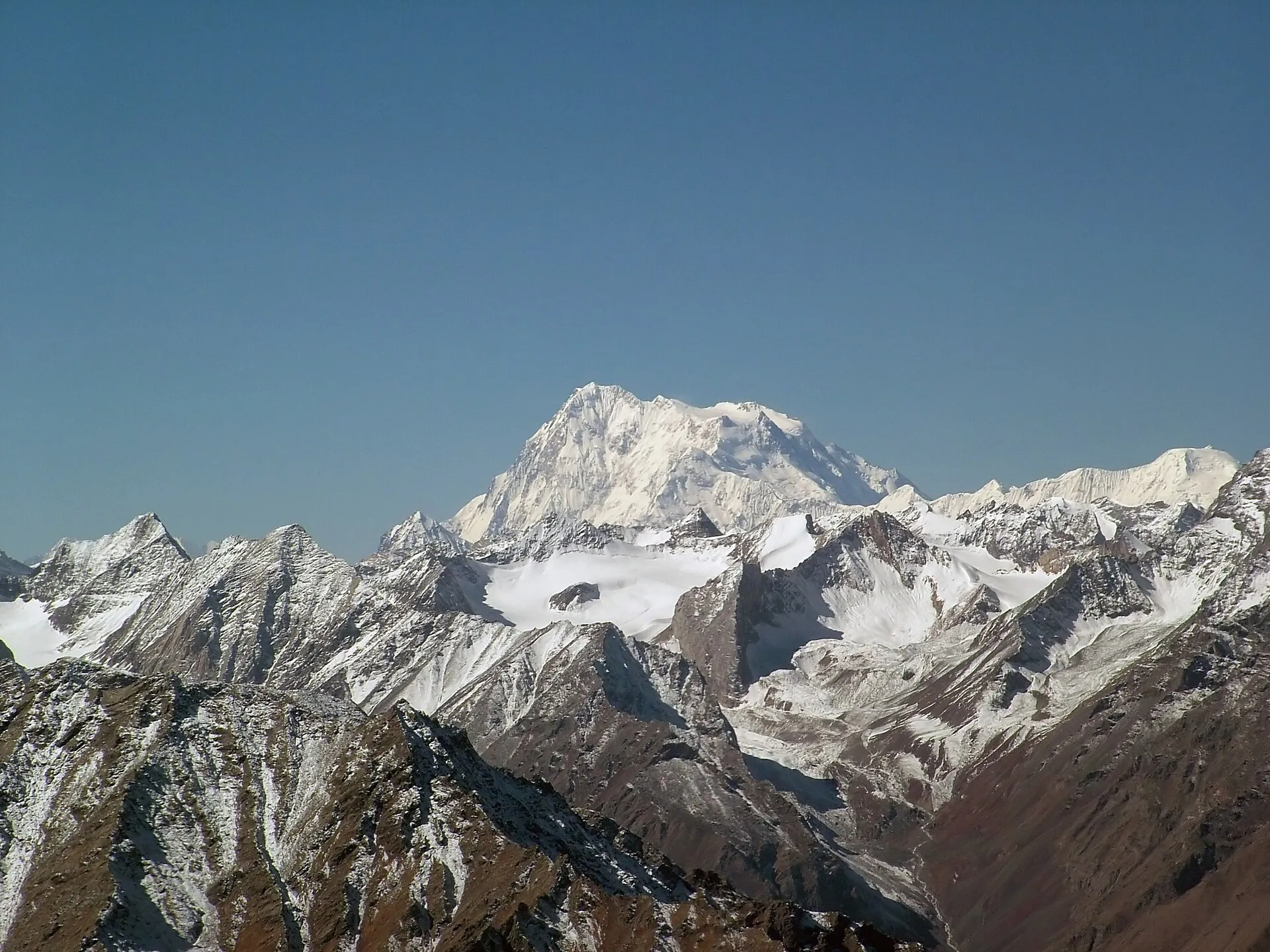
経験豊富なパーティーには、旅を西のMazeno La方面へ延ばせます。その越えは一般におよそ5,377mとされ、Wikipediaは稜線の峠を約5,358m、一部の業者は5,399〜5,400mとしており、数値は本当に不確かです。氷河の登りと、固定ロープによる懸垂下降が必要な急な下りを伴い、深刻さはGondogoro Laに匹敵し、ガイドによれば大半のトレッキングパーティーは越えに失敗します。私たちはこれを、体力があり経験豊富なトレッカーのための本格的な登山バリアントとして扱い、標準のベースキャンプ・トレックの一部とはしません。
Rupalトレックはどのくらいきついですか?
ベースキャンプ・トレックはモデレートで、事前の高所経験のない体力ある歩き手に向いていますが、多少の経験は役立ちます。トレッキングの日々はKarakoramの基準では短く、高度はベースキャンプの約3,600mで頭打ちになり、テクニカルな地形はありません。主に管理すべきは日々の登り、山岳の天候、そして谷でのいくつかの渡渉です。
Mazeno La周回はまったく別の話です。氷河行動、下りでの固定ロープ懸垂下降、本物の客観的危険を伴う、長く辺鄙な数週間のルートで、基本的な登山技術を持つ経験豊富なトレッカーだけが試みるべきです。2つを比べているなら、ベースキャンプ・トレックが圧倒的多数の人が望む旅であり、私たちが標準としてお勧めするものです。
| 区間 | 移動手段 | 主な数値 | 行程日 |
|---|---|---|---|
| IslamabadからChilas | KKH経由の陸路 | 10〜12時間 | 1日目 |
| ChilasからTarashing | Astore経由のジープ | 登山口、2,900 m | 2日目 |
| Tarashingで高度順応 | 短い散策 | 2,900 m | 3日目 |
| TarashingからRupalベースキャンプ | 徒歩 | 3,500〜3,600 m | 4日目 |
| ベースキャンプとRupal壁の展望地 | 徒歩 | 壁の高さ4,600 m | 5〜6日目 |
| ベースキャンプからTarashing | 徒歩 | 2,900 mへ戻る | 7日目 |
| TarashingからAstore経由でChilas | ジープと陸路 | Astore谷 | 8〜11日目 |
| ChilasからIslamabad | KKH経由の陸路 | 予備日を含む | 12〜14日目 |
日程表
1IslamabadからChilasへ
IslamabadからChilasへ
2ChilasからTarashingへ(2,900m)
ChilasからTarashingへ(2,900m)
3Tarashingで順応と探索
Tarashingで順応と探索
4TarashingからRupalベースキャンプへ(3,600m)
TarashingからRupalベースキャンプへ(3,600m)
5Rupalベースキャンプ探索
Rupalベースキャンプ探索
6Rupal Face展望の一日
Rupal Face展望の一日
7RupalベースキャンプからTarashingへ
RupalベースキャンプからTarashingへ
8Tarashingで休息と文化の一日
Tarashingで休息と文化の一日
9TarashingからAstore谷へ
TarashingからAstore谷へ
10Astore探索
Astore探索
11AstoreからChilasへ
AstoreからChilasへ
12予備と緊急対応の一日
予備と緊急対応の一日
13ChilasからIslamabad方面へ
ChilasからIslamabad方面へ
14Islamabadへ戻る
Islamabadへ戻る
Rupal谷をトレッキングするベストシーズン
7月から9月がシーズンです。7月までに谷の牧草地は緑になり、下部ルートの雪は消え、盛夏を通じて天候が最も安定します。年の早い時期はアプローチに雪が残り、9月下旬にはベースキャンプの夜が冷え込み、最初の嵐が訪れます。
Nanga Parbatの南側の山岳の天候は急変しうるので、曇りの一巡りがRupal Faceを一日丸ごと隠すことがあります。悪い一日が眺めを奪わないよう日程に少し余裕を持たせ、ベースキャンプでの一泊の追加が、旅を成り立たせる晴れた朝をしばしば買ってくれます。
許可とロジスティクス
Nanga ParbatはKarakoramではなくHimalayaに立つので、Rupal谷にCKNPトレッキング許可はありません。オープンゾーンで、地元とコミュニティの料金とガイド基準があり、いずれも私たちが手配します。これが重要なのは、一部の行程が誤ってNanga ParbatをKarakoramの許可規則の下に分類するからです。RupalトレックはBaltoroの制限区域の制度を負いません。
旅はIslamabadからChilas、Astore、Tarashingまで陸路とジープで、その後徒歩で谷を登り同じ道を戻ります。Tarashingから補給はないので、キャンプに必要なものはポーターチームと運びます。全谷トレックなしに北からNanga Parbatを見たいなら、Rakhiot側のFairy Meadowsが短く手軽な代替で、Rupalベースキャンプは大きな壁の至近の眺めです。
Nanga Parbatベースキャンプはどこにあり、標高はどのくらい?
このトレッキングは、Gilgit-BaltistanのAstore地区にある世界第9位の高峰Nanga Parbat(8,126 m)のRupal側ベースキャンプへ向かいます。Nanga ParbatはHimalayaの西端を成し、Indusの西に単独でそびえ、初期の登山史から「Killer Mountain(人殺しの山)」という恐ろしい異名を持ちます。ベースキャンプは南壁の真下、Latboの氷河湖近くの標高約3,500〜3,600 mに位置し、標高約2,900 mのTarashing村から到達します。徒歩での全往復はわずか約26〜30キロメートル、数日の短いトレッキングで済むため、遠征ではなく中級レベルの歩行にとどまっています。
Rupal Face:地球上で最も高い岩壁
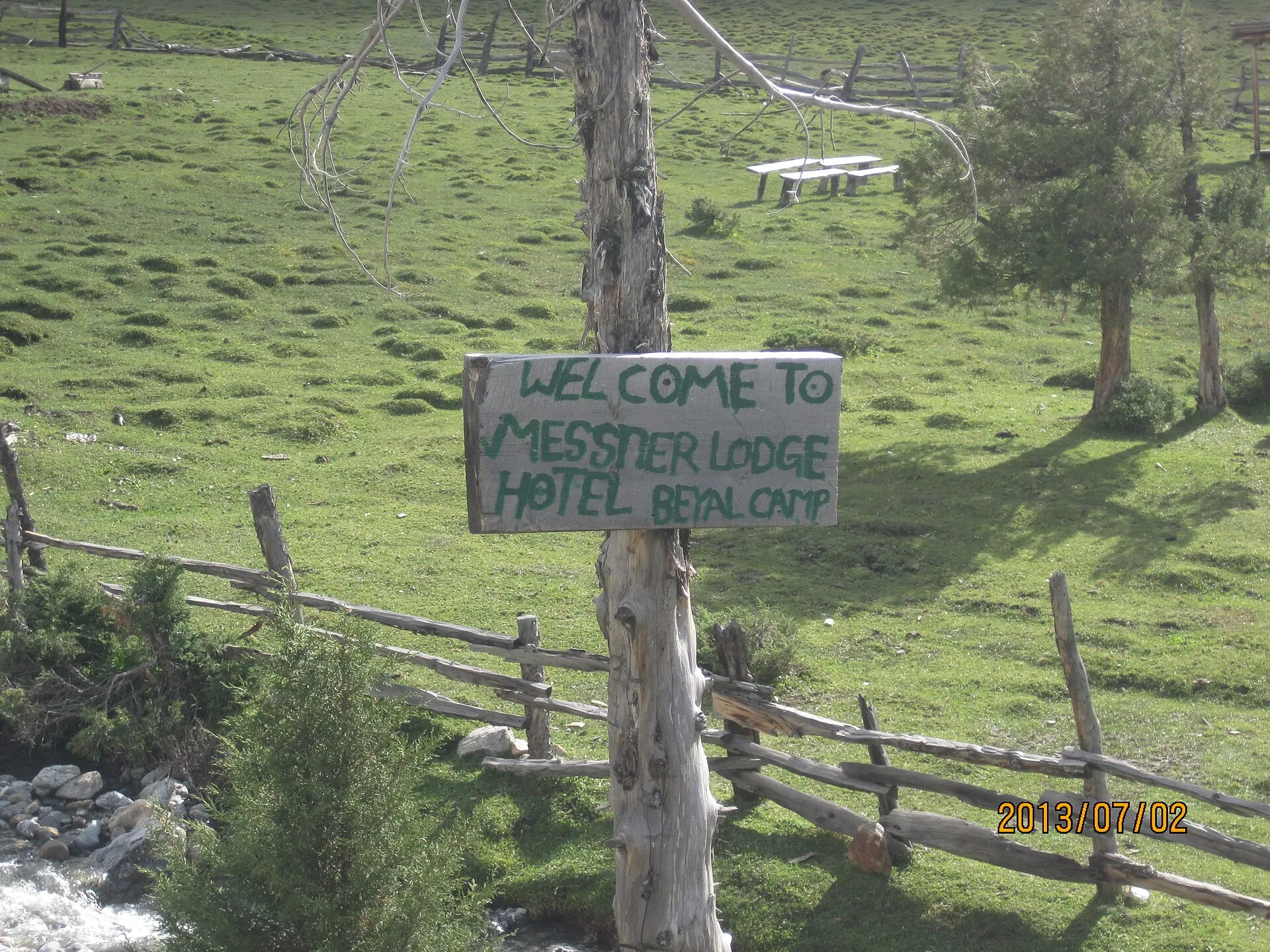
北側のFairy Meadowsを訪れるのではなくRupal渓谷を歩く理由は、その岩壁そのものにあります。Rupal Faceは谷底から山頂まで約4,600 mの垂直の高さを誇り、EverestやK2のどの壁よりも高く、地球上で最も高い岩壁として広く認められています。岩と氷と懸垂氷河の切り立った一枚岩が頭上の空を埋め尽くすベースキャンプに立つ瞬間こそ、このトレッキングが目指すものです。ReinholdとGünther Messner兄弟が1970年に画期的な登攀を成し遂げたのも、ここRupal Faceでした。この谷は今も、より賑わう北側と比べて人里離れ、訪れる人もまばらな趣を保っています。
私たちが選ばれる理由
私たちはGilgit-Baltistanのオペレーターで、Nanga Parbatの南側を知る地元ガイドと羊飼いの土地のポーターでRupal谷を運営します。旅を正直に位置づけます。Rupal Faceのふもとへのモデレートなベースキャンプ歩きで、適切な高度順応を軸にペース配分し、Mazeno Laは標準の行程に紛れ込ませるのではなく、準備のできた方にのみ本格的なバリアントとして提供します。ガイド、ポーター、野営サポート、移動、地元の料金はすべて料金に含まれます。
含まれるもの
含まれないもの
よくあるご質問
Nanga Parbatベースキャンプ・トレックはどのくらいきついですか?
Nanga Parbatベースキャンプ・トレックはどのくらいきついですか?
Nanga Parbatベースキャンプの標高はどのくらいですか?
Nanga Parbatベースキャンプの標高はどのくらいですか?
Rupal Faceは本当に世界で最も高い山壁ですか?
Rupal Faceは本当に世界で最も高い山壁ですか?
トレックの距離はどのくらいですか?
トレックの距離はどのくらいですか?
トレッキングのベストシーズンはいつですか?
トレッキングのベストシーズンはいつですか?
Nanga Parbatトレックに許可は必要ですか?
Nanga Parbatトレックに許可は必要ですか?
Mazeno La周回とは何ですか、また行うべきですか?
Mazeno La周回とは何ですか、また行うべきですか?
Fairy Meadowsより良いですか?
Fairy Meadowsより良いですか?
Nanga Parbatベースキャンプ・トレッキングはどこから始まりますか?
Nanga Parbatベースキャンプ・トレッキングはどこから始まりますか?
このトレッキングはNanga Parbatのどちら側へ行きますか?
このトレッキングはNanga Parbatのどちら側へ行きますか?
Nanga Parbatの標高はどのくらいですか?
Nanga Parbatの標高はどのくらいですか?
Nanga Parbatトレッキングの天候はどのような感じですか?
Nanga Parbatトレッキングの天候はどのような感じですか?
次の冒険の準備はできましたか?
探検家コミュニティに参加し、一生に一度の旅を発見しましょう。専門チームがあなたの完璧な遠征を計画するお手伝いをいたします。