Kalash Valley: People, Culture & Tour | Go With Guide
Home
All Tours Cultural Tours Family Holidays Luxury Tours Camping Road Trips
K2 Treks Trending Treks High Passes Trekking Holidays All Treks
8000m Peaks 7000m Peaks 6000m Peaks High Passes
Cycle Touring Eco Tourism Motorcycle Touring Mountain Passes Festivals of Pakistan Ibex Hunting Snow Leopard International Travelers
About Us Vehicles Contact FAQs Blog
Plan Your Trip
The Bumburet river flowing below the snow-capped Hindu Kush in the Kalash valleys, Chitral
Back to Tours
Cultural Chitral

Kalash Valley

Living with the Last Polytheists of South Asia
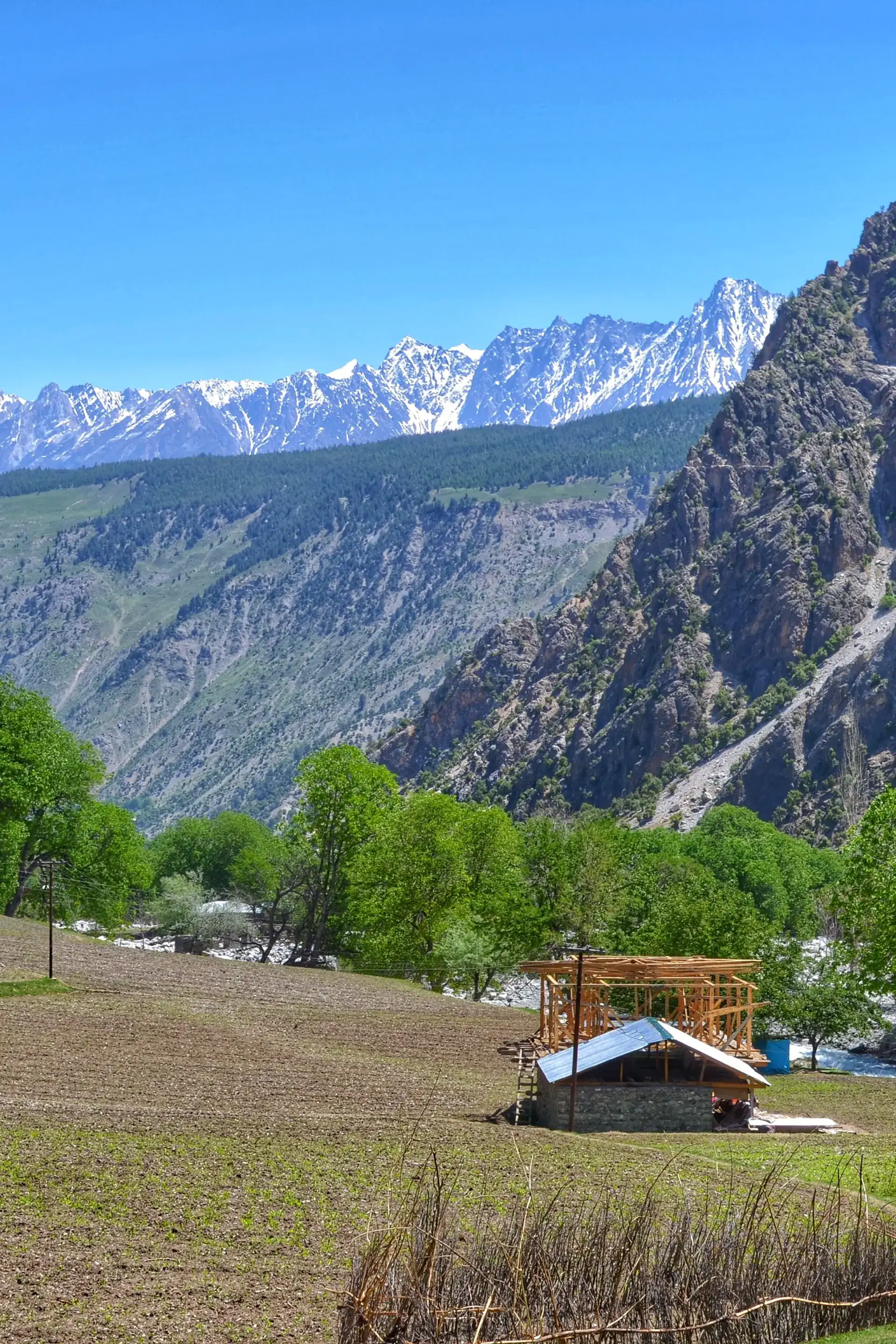
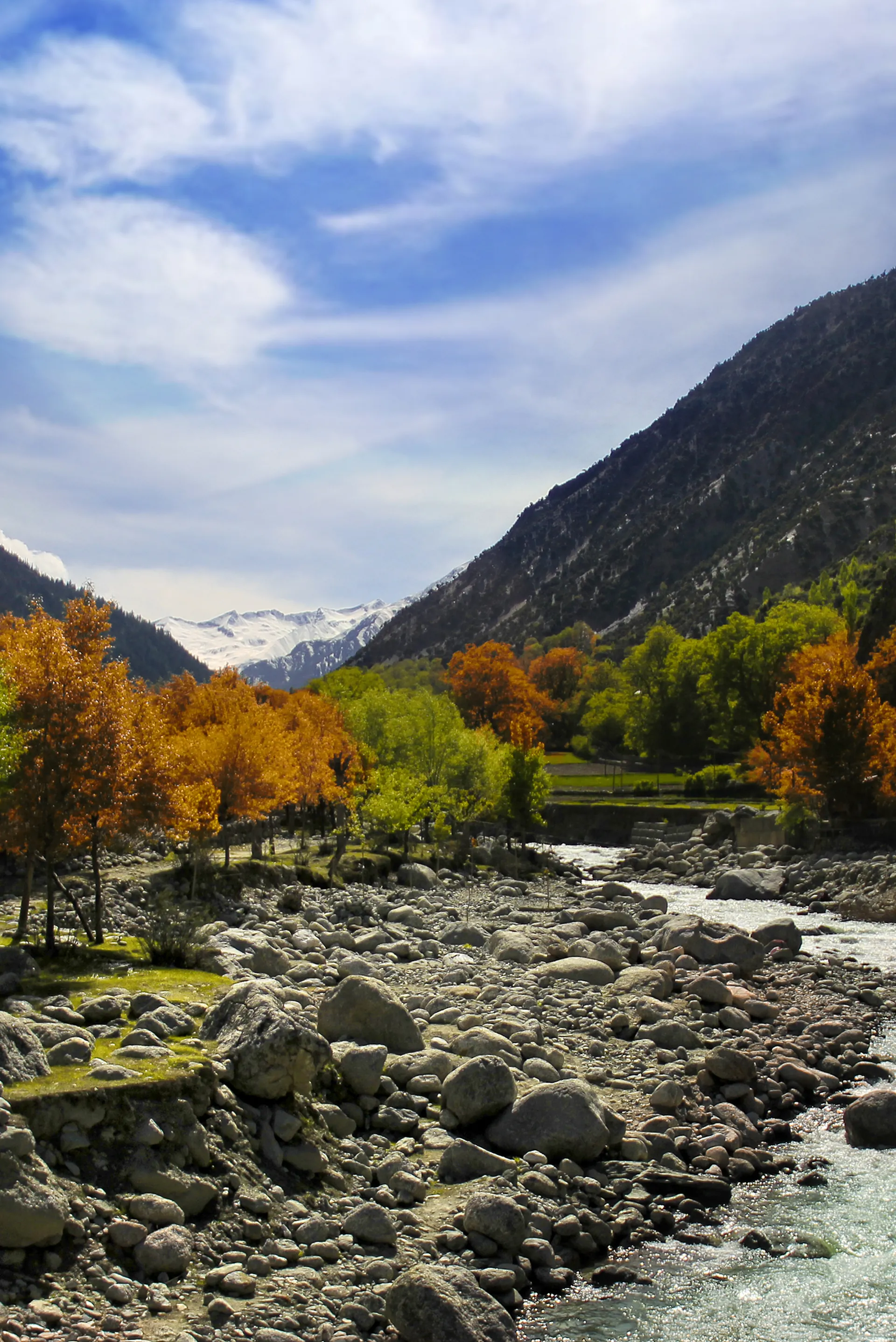
The Bumburet river running through the Kalash valleys below the Hindu Kush
Green terraced fields and orchards along the river in the Rumbur valley
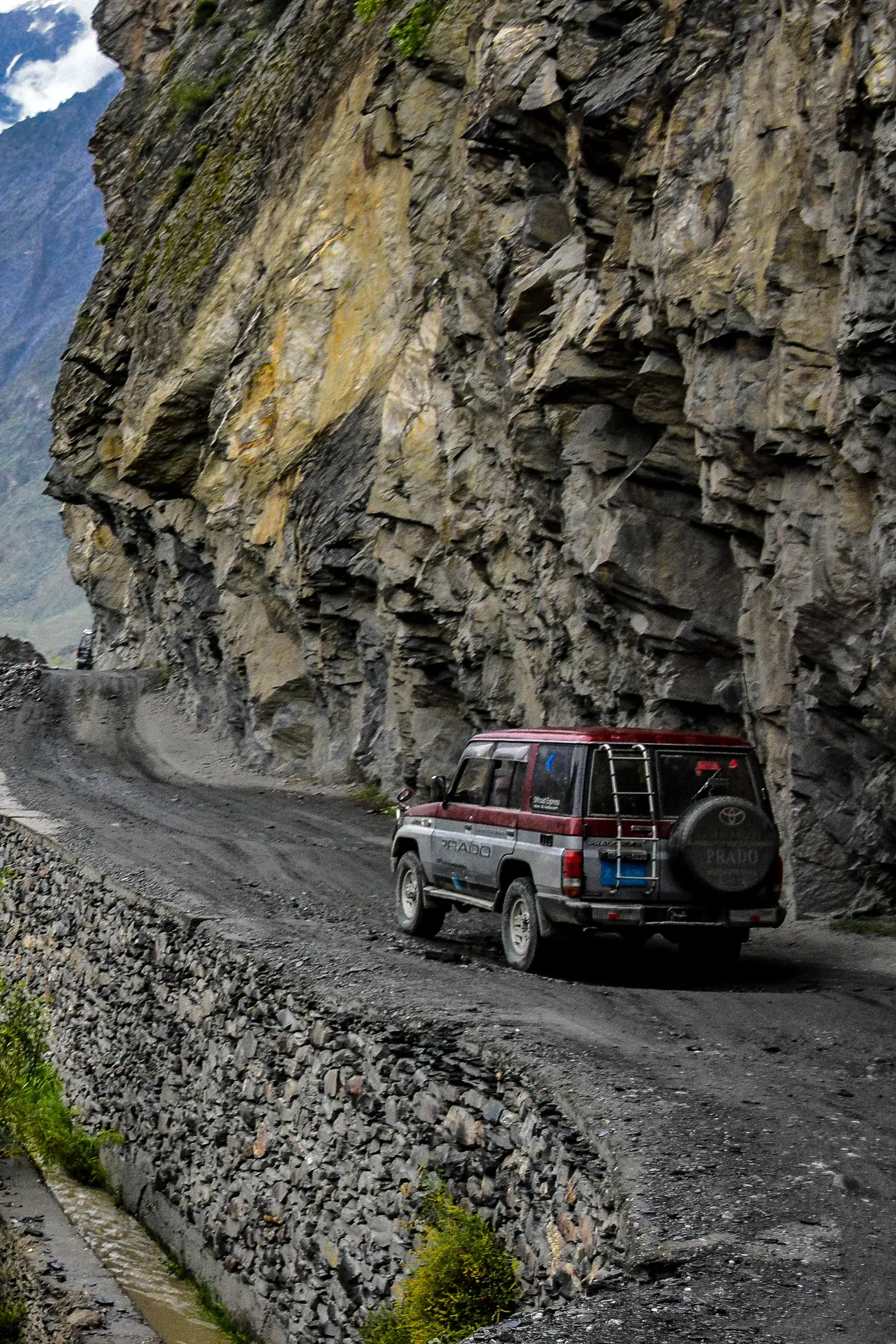
The narrow gorge road into the Kalash valleys from Chitral
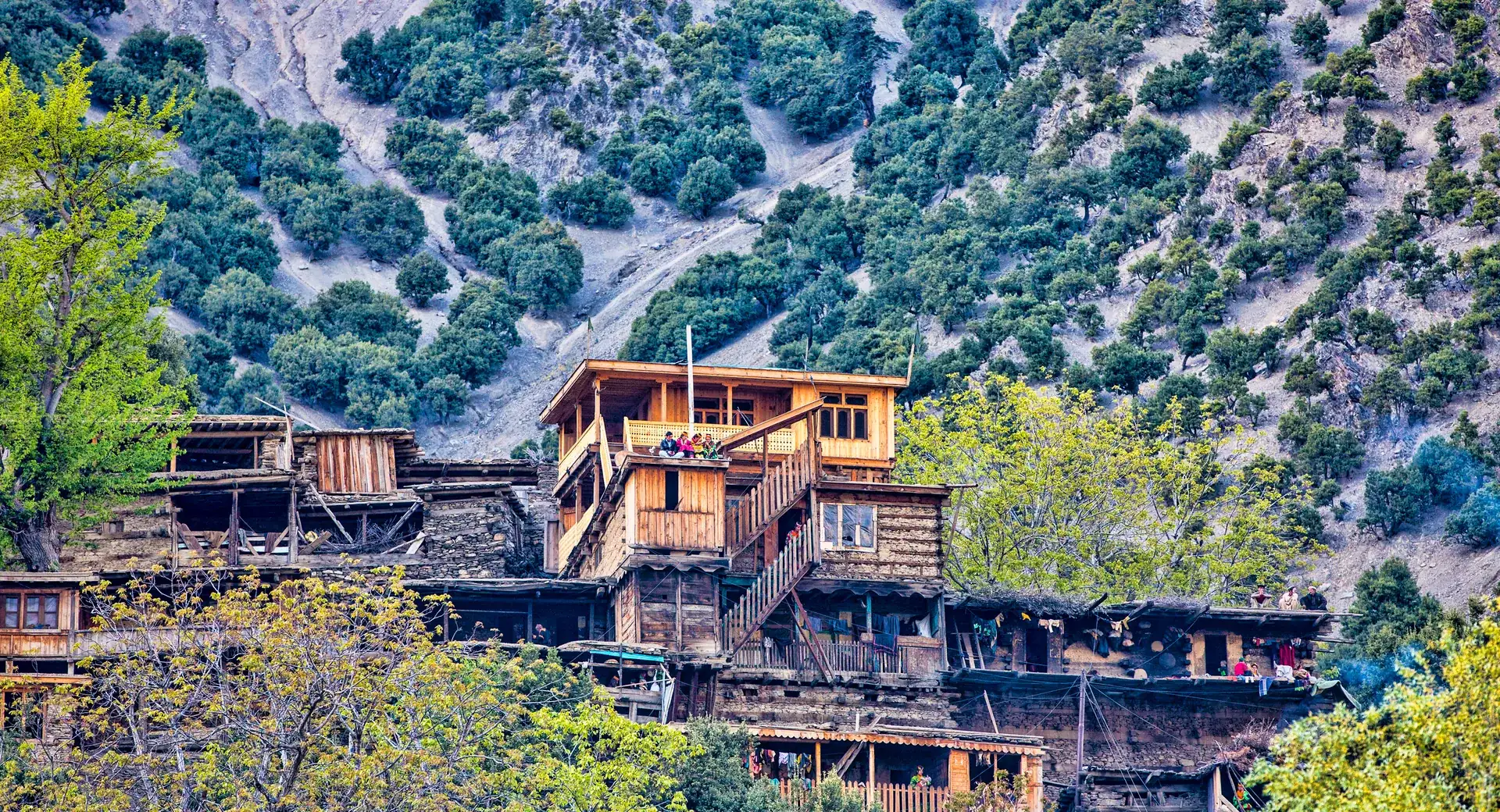
Traditional stacked timber Kalash houses beside the river
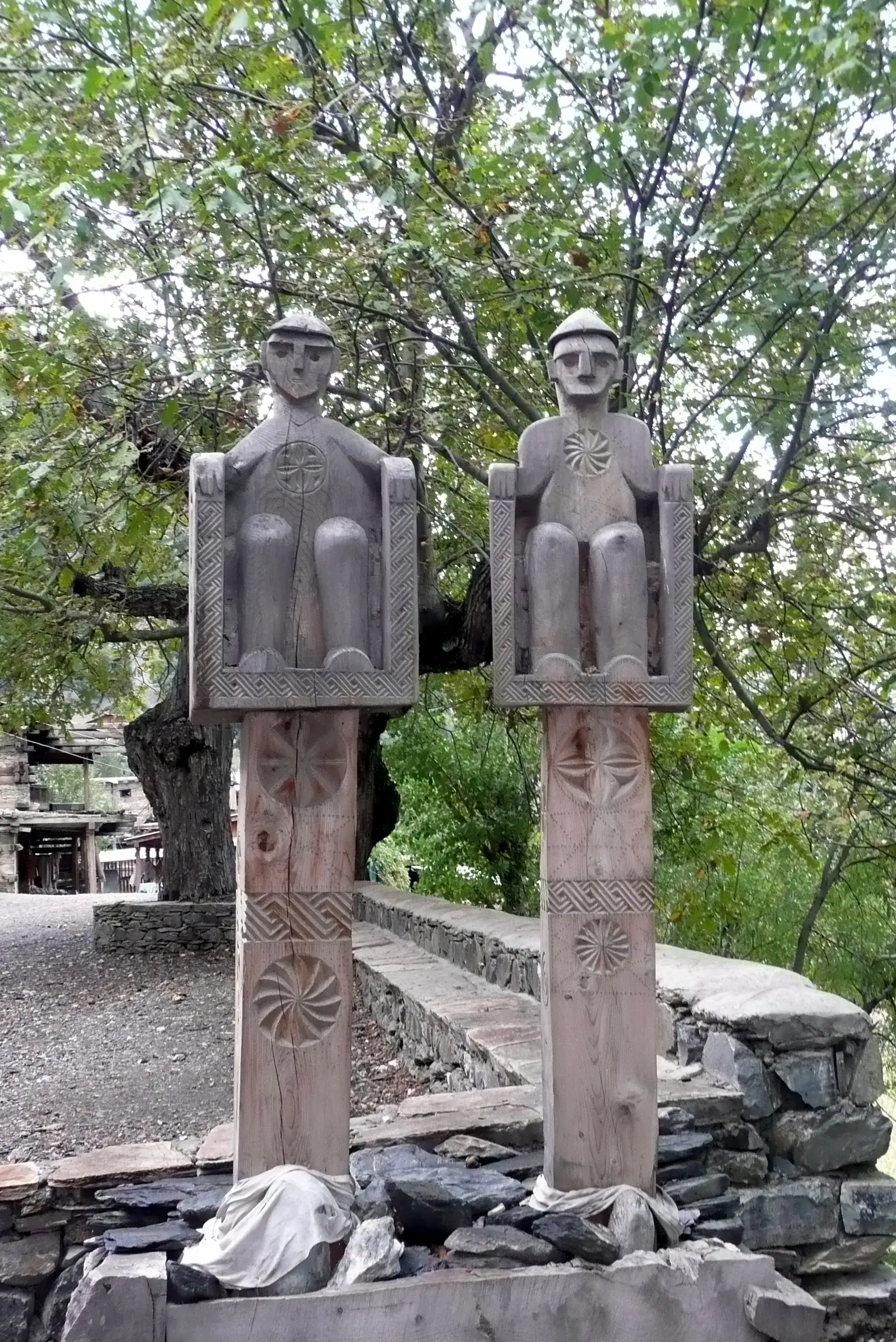
Carved wooden guardian effigies in a Kalash village in Bumburet, Chitral

Last updated: · Reviewed by Javeed Iqbal, Founder

Duration

6-8 Days

Difficulty

Easy

Group Size

2-8 people

Best Season

April-October (non-festival)

About This Tour

Three side valleys hang off the Chitral river south of town, closed in by walls of the Hindu Kush: Bumburet, Rumbur and Birir. Their villages of stacked timber houses are home to the Kalash, around 4,000 people who never converted to Islam and still practise the old religion of the Hindu Kush, with its nature gods, clan shrines and homemade wine. Everyone else who once shared these beliefs, on both sides of the Afghan border, converted generations ago. The Kalash are the last.

Most visitors come for the May festival, stay two nights and photograph the headdresses. This tour is the opposite trip. Outside festival season the valleys go back to their actual life: women walk to the walnut groves in the morning, looms come out on the verandas, herds move between pastures, and a guest at a family guesthouse is a household event rather than one face in a crowd. You see the Jestak Han clan temples with their carved pillars, the altars on the high ground, and the graveyards where carved gandau effigies once stood over open coffins.

The Kalasha language, a Dardic tongue with a few thousand speakers, survives in daily use here and almost nowhere else. So does wine made at home in a Muslim-majority country, and a solar calendar, Suri Jagek, read from the ridgelines and listed by UNESCO as heritage in urgent need of safeguarding. None of this is performed for visitors. It is simply the working order of the valleys, and a week is about the minimum to see it properly.

We run this as a 6 to 8 day homestay-based tour from Islamabad, slow on purpose: two or three nights per valley, meals with host families, and a guide who translates conversation rather than reciting facts.

The Three Valleys: Bumburet, Rumbur and Birir

Bumburet is the widest and busiest, 36 km from Chitral town by jeep, with the most guesthouses and the gentlest introduction. Rumbur, up a narrower gorge to the north, has the highest share of practising Kalash and the strongest village life; its main settlement, Grom, holds the most important shrines. Birir, southernmost and smallest, is the most conservative of the three and the place to watch crafts that have disappeared elsewhere. Sleeping in two or three of them, rather than day-tripping from Chitral, is what separates a real stay from a photo stop.

Where is the Kalash Valley?

The Kalash Valleys, Bumburet, Rumbur and Birir, lie in the Chitral district of Khyber Pakhtunkhwa, deep in the Hindu Kush near the Afghan border in the far northwest of Pakistan. They sit at around 1,900 to 2,200 metres, side valleys running off the main Chitral valley about 35 to 40 km southwest of Chitral town, a rough two to three hour drive on a mountain road. Chitral itself is reached by a short flight from Islamabad, or by road over the Lowari Tunnel, a long 14 to 16 hour journey. The valleys are green and wooded, a striking contrast to the bare high country further east.

Kalash Valley Weather and Best Time to Visit

The Kalash Valleys have a milder climate than the high Karakoram, sheltered and green. Summers (May to September) are warm and pleasant by day, usually in the low-to-mid 20s Celsius, cooling sharply at night; this is the main visiting season and when the festivals fall. Spring brings blossom and the Chilam Joshi festival in May; autumn is crisp and clear with the Uchal harvest behind it; winter is cold and snowy, with the Choimus festival around the December solstice and roads that can close. For most travellers, mid-spring to early autumn is the sweet spot, and timing a visit to a festival is the highlight.

The Kalash People and Their Religion

The valleys are home to the Kalash, or Kalasha, one of Pakistan's smallest and most distinctive communities, numbering only a few thousand. They follow an ancient polytheistic religion with its own gods, rituals and calendar, quite unlike anything else in the region, which has led to them being called the last of their kind in the Hindu Kush. Kalash women are instantly recognisable in their black robes, bright embroidery and cowrie-shell headdresses, and their culture centres on three great seasonal festivals of music, dance and wine. Visiting is a rare privilege: we ask guests to tread lightly, to ask before photographing people, and to support the community directly.

Day-by-Day Itinerary

1

Islamabad to Chitral

Fly Islamabad to Chitral (about 50 minutes) or drive the 10 to 12 hours through Swat and the Lowari Tunnel. Chitral hotel and an evening briefing on Kalash history, religion and etiquette.
2

Bumburet Valley

The 36 km jeep track to Bumburet (2,000 m). Meet your host family, walk to the main villages, and sit down to a first dinner of walnut bread, beans and whatever the garden gave that day.
3

Bumburet, Village Life

Morning with the household: walnut groves, the water mill, perhaps the loom. See the Jestak Han clan temple from the threshold (the inner room is for Kalash only) and watch kupas headdress work. Evening conversation with a village elder, translated by your guide.
4

Rumbur Valley

A short jeep stage to Rumbur, the quietest valley. Stay with a family in Grom. Afternoon walk toward the upper pastures (about 2,800 m) with a herding household.
5

Birir Valley

South to Birir (1,900 m), the most traditional valley. Meet the village council and hear, in their own words, what keeping the Kalash identity costs and gives in modern Pakistan.
6

Birir, Wine and Woodcraft

Morning at the wine press: mulberry and grape wine are made at home here, openly. Afternoon with a woodcarver; the carved gandau grave effigies are unique to Kalash culture.
7

Chitral

The fort, the Shahi Mosque, and the museum's Kalash ethnographic rooms put the week in context.
8

Departure

Fly Chitral to Islamabad, or drive.

Best Time to Visit the Kalash Valleys

The tour runs April to October. Spring is green and loud with meltwater, but mid-May belongs to the Chilam Joshi crowds, so we route quiet-seeking travellers either side of it. June to September is settled and warm, with the high pastures open for day walks; this is the easiest window. October turns the walnut and apricot trees gold and empties the valleys of visitors almost completely. Winter travel is realistic only around the Choimus festival in December, which we run as a separate departure.

If a festival is what you want, see our Kalash Festival tour or the dedicated Chilam Joshi page; the two trips are deliberately different from this one.

Getting There and Permits

Reach Chitral by the short PIA flight from Islamabad, which runs limited days and yields readily to weather, or by road: 10 to 12 hours via Swat, Dir and the 10.4 km Lowari Tunnel. From Chitral, jeeps take about two hours up the gorge to Bumburet. Foreign visitors currently need no NOC for the Kalash valleys, only passport registration at police checkpoints and a small entry fee at the valley gate, which goes to community funds. We watch the rules, which change without much notice in this region, and handle every form on tour.

Staying in a Kalash Homestay

Guesthouses in the valleys are family compounds with a few guest rooms, simple toilets, and meals cooked at the hearth. Hot water arrives in a bucket more often than from a tap. In exchange you get the house's rhythm: bread baking before dawn, neighbours dropping by, children doing homework by solar lamp, and questions about your life at least as curious as yours about theirs. Community fees are paid directly to the valley funds, and your room and board go straight to the family that hosts you.

Who This Tour Is For

Travellers who would rather understand a place than collect it. The days are easy by trekking standards, the highest point is an optional pasture walk at about 2,800 m, and the pace suits older travellers and families with children old enough to be curious. It is not for travellers who need hotel comforts; the valleys have none to offer, and that is rather the point.

Why Book With Us

We have worked with the same host families in Bumburet, Rumbur and Birir for years, long enough to be guests rather than customers. Your guide speaks the languages between Islamabad and the valleys and knows which questions are welcome and which are not. Groups stay at eight or fewer, fees reach the community directly, and every departure carries a road backup for the Chitral flight.

What's Included

Chitral-Islamabad flights (both directions) or drive
All ground transport including jeep between valleys
Accommodation throughout (Kalash guesthouses and Chitral hotel)
All meals with host families & local food
Kalash community fees paid directly to valley communities
English-speaking guide with Kalash cultural expertise

Not Included

International flights
Travel insurance
Personal expenses and tips

Frequently Asked Questions

Is Kalash Valley worth visiting?

Yes, and not only in festival week. Bumburet, Rumbur and Birir are home to the Kalash, around 4,000 people who still practise the old religion of the Hindu Kush with its nature gods, clan shrines and homemade wine. Everyone else who once shared those beliefs converted generations ago. The Kalasha language survives in daily use here and almost nowhere else, and elders still read a solar calendar, Suri Jagek, from the ridgelines, which UNESCO lists as heritage in urgent need of safeguarding. Outside festival season the valleys go back to their working life: walnut groves in the morning, looms on the verandas, herds moving between pastures, and a guest in a family guesthouse is a household event. You also see the Jestak Han clan temples, the carved gandau grave effigies and home wine pressing in Birir. A week is about the minimum to take it in properly, which is why our tour runs 6 to 8 days.

How do I get to the Kalash valleys from Islamabad?

Fly from Islamabad to Chitral in about 50 minutes, or drive 10 to 12 hours through Swat, Dir and the 10.4 km Lowari Tunnel, then take a jeep up the gorge to the valleys. The PIA flight runs on limited days and yields readily to weather over the Hindu Kush, so every departure we run carries a road backup and we never build the trip around the flight alone. The first night is in a Chitral hotel with an evening briefing on Kalash history, religion and etiquette. From Chitral town it is 36 km of jeep track to Bumburet, about two hours, and Bumburet at 2,000 m has the most guesthouses and the gentlest introduction. Rumbur and Birir are short jeep stages from there. Flights between Islamabad and Chitral in both directions, or the drive if you prefer it, are included in the tour price, along with all ground transport and the jeeps between valleys.

Do I need a permit for Kalash Valley?

No, foreign visitors currently need no NOC for the Kalash valleys. What you do need is your passport, which is registered at police checkpoints on the road in, and a small entry fee paid at the valley gate. That fee goes to community funds, and on our tour the Kalash community fees are included in the price and paid directly to the valley communities rather than through a middleman. Your guide handles the checkpoint stops and every form on tour, so the paperwork never becomes something you have to manage. Rules in this part of Khyber Pakhtunkhwa, close to the Afghan border, change without much notice, so we watch them before every departure and will tell you if anything new applies to your dates. Keep your passport on you for the journey up from Chitral, because the registration happens on the road rather than in the villages, and the checkpoints will want to see it.

What is the best time to visit?

For most travellers June to September is the easiest window: settled, warm weather, days usually in the low-to-mid 20s Celsius, and the high pastures open for day walks. The tour runs April to October. April and early May are green and loud with meltwater, but mid-May belongs to the Chilam Joshi festival and its crowds, so if you want the valleys quiet we route you either side of it. October suits anyone who wants space: the walnut and apricot trees turn gold and the valleys empty of visitors almost completely. Nights cool sharply in every month, so bring a warm layer. Winter is cold and snowy and roads can close, so we only travel in winter around the Choimus festival in December, which we run as a separate departure. If you do want a festival, our Kalash Festival tour and the dedicated Chilam Joshi page cover those dates instead of this trip.

How many days do you need?

Six days is the minimum if you want to sleep in two valleys, and eight lets you stay in all three without rushing, which is why the tour runs 6 to 8 days from Islamabad. Day one is the journey to Chitral and a briefing, and the last day is the return. In between we plan two or three nights per valley: Bumburet first for the gentlest introduction, then Rumbur with a family in Grom and an optional walk toward the upper pastures at about 2,800 m, then Birir for the wine press and a woodcarver. The full version adds a day in Chitral at the fort, the Shahi Mosque and the museum's Kalash rooms. Day trips from Chitral will show you villages but you will meet nobody, because the real life of the valleys happens in the mornings and evenings when visitors have gone. A week is about the minimum to see it properly.

Can you stay with Kalash families?

Yes, the whole tour is built on Kalash-run guesthouses, which are family compounds with a few guest rooms. We have worked with the same host families in Bumburet, Rumbur and Birir for years. Expect simple toilets, meals cooked at the hearth and hot water that arrives in a bucket more often than from a tap; there are no hotel comforts in the valleys. In return you live on the household's rhythm: bread baking before dawn, neighbours dropping by, children doing homework by solar lamp, and hosts as curious about your life as you are about theirs. Dinner might be walnut bread, beans and whatever the garden gave that day, and all meals with host families are included. Your room and board go straight to the family that hosts you, and community fees are paid directly to the valley funds. Groups stay at eight or fewer, so no household is overwhelmed. The only other nights are in a Chitral hotel.

What are the three Kalash valleys?

The three Kalash valleys are Bumburet, Rumbur and Birir, side gorges of the Chitral valley at 1,900 to 2,200 m. Bumburet is the widest and busiest, 36 km from Chitral town by jeep and about 2,000 m up, with the most guesthouses and the gentlest introduction to Kalash life. Rumbur, up a narrower gorge to the north, is the quietest and has the highest share of practising Kalash; its main settlement, Grom, holds the most important shrines, and from there you can walk toward upper pastures at about 2,800 m. Birir, the southernmost and smallest at 1,900 m, is the most conservative of the three and the place to watch crafts that have disappeared elsewhere, including home winemaking and woodcarving. Sleeping in two or three of them, rather than day-tripping from Chitral, is what separates a real stay from a photo stop, and our longer itinerary spends nights in all three.

Is it safe?

Yes. Chitral district is among the calmest parts of Pakistan, and the Kalash valleys are used to guests. The practical risks are the mountain roads and basic medical cover, not people. The jeep track from Chitral to Bumburet is 36 km of rough gorge road, and the drive from Islamabad crosses Swat, Dir and the 10.4 km Lowari Tunnel, so we use experienced jeep drivers and carry first aid on every departure. The Chitral flight yields readily to weather, and every trip has a road backup so a cancelled flight does not strand you. The highest point is an optional pasture walk at about 2,800 m, so altitude is not a concern and the tour is rated easy. Travel insurance is not included in the price, so arrange your own. Foreigners need no NOC at present, only passport registration at police checkpoints, which your guide handles, and we watch local rules before each departure.

Where is the Kalash Valley?

The Kalash Valleys, Bumburet, Rumbur and Birir, are in the Chitral district of Khyber Pakhtunkhwa, deep in the Hindu Kush near the Afghan border in the far northwest of Pakistan. They are side valleys running off the main Chitral valley about 35 to 40 km southwest of Chitral town, at around 1,900 to 2,200 metres. Chitral is reached from Islamabad by a PIA flight of about 50 minutes, or by road through Swat, Dir and the 10.4 km Lowari Tunnel, a drive of 10 to 12 hours. From Chitral town, jeeps take about two hours up the gorge to Bumburet, 36 km away. The valleys are green and wooded, with walnut and apricot trees, a sharp contrast to the bare high country further east. Our tour starts and ends in Islamabad and includes the flights or drive, all ground transport and the jeeps between valleys.

Who are the Kalash people?

The Kalash, or Kalasha, are a community of around 4,000 people in Bumburet, Rumbur and Birir who never converted to Islam and still practise the old religion of the Hindu Kush, with its nature gods, clan shrines and homemade wine. Everyone else who once shared those beliefs, on both sides of the Afghan border, converted generations ago, so the Kalash are the last. They speak Kalasha, a Dardic language with a few thousand speakers that survives in daily use here and almost nowhere else. Their year runs on a solar calendar, Suri Jagek, read from the ridgelines and listed by UNESCO as heritage in urgent need of safeguarding. Women wear black robes with bright embroidery and cowrie-shell headdresses, and the culture centres on three seasonal festivals of music, dance and wine. Their clan temples, the Jestak Han, have carved pillars. Visiting is a privilege, so ask before photographing anyone.

What is the weather like in the Kalash Valley?

The Kalash valleys are milder and greener than the high Karakoram, sheltered side valleys at around 1,900 to 2,200 metres. Summer, May to September, is the main season: days are warm and pleasant, usually in the low-to-mid 20s Celsius, and nights cool sharply, so pack a warm layer even in July. June to September is the most settled stretch, with the high pastures open for day walks. Spring is green and loud with meltwater, with blossom and the Chilam Joshi festival in May. Autumn is crisp and clear, and in October the walnut and apricot trees turn gold. Winter is cold and snowy and the roads can close; the Choimus festival falls around the December solstice. Weather also affects getting there, because the Chitral flight yields readily to weather over the Hindu Kush, which is why every departure carries a road backup. Our tour runs April to October.

When are the Kalash festivals?

The Kalash hold three festivals a year. Chilam Joshi in mid-May welcomes spring and is the most popular and colourful, with the biggest crowds of the year. Uchal in August gives thanks for the harvest and is far quieter. Choimus falls around the December solstice, when winter is cold and snowy and roads can close. Exact dates shift slightly each year with the Kalash calendar, which elders still read from the ridgelines. This tour, which runs April to October, is deliberately built for the valleys outside festival time, when you see ordinary village life at its own pace and a guest is a household event rather than one face in a crowd. We route quiet-seeking travellers either side of mid-May. If a festival is what you want, see our Kalash Festival tour or the dedicated Chilam Joshi page, and we run Choimus in December as a separate departure.

From

$1,200

per person

* Prices may vary. Contact us for accurate, customized pricing.

Duration6-8 Days
DifficultyEasy
Group Size2-8 people
Best SeasonApril-October (non-festival)
Book This Tour Ask a Question

Free cancellation up to 30 days before departure

Ready for Your Next Adventure?

Join our community of explorers and discover the journey of a lifetime. Our expert team is ready to help you plan your perfect expedition.