Rush Lake Trek (4,694m): Nagar Valley | Go With Guide
Home
All Tours Cultural Tours Family Holidays Luxury Tours Camping Road Trips
K2 Treks Trending Treks High Passes Trekking Holidays All Treks
8000m Peaks 7000m Peaks 6000m Peaks High Passes
Cycle Touring Eco Tourism Motorcycle Touring Mountain Passes Festivals of Pakistan Ibex Hunting Snow Leopard International Travelers
About Us Vehicles Contact FAQs Blog
Plan Your Trip
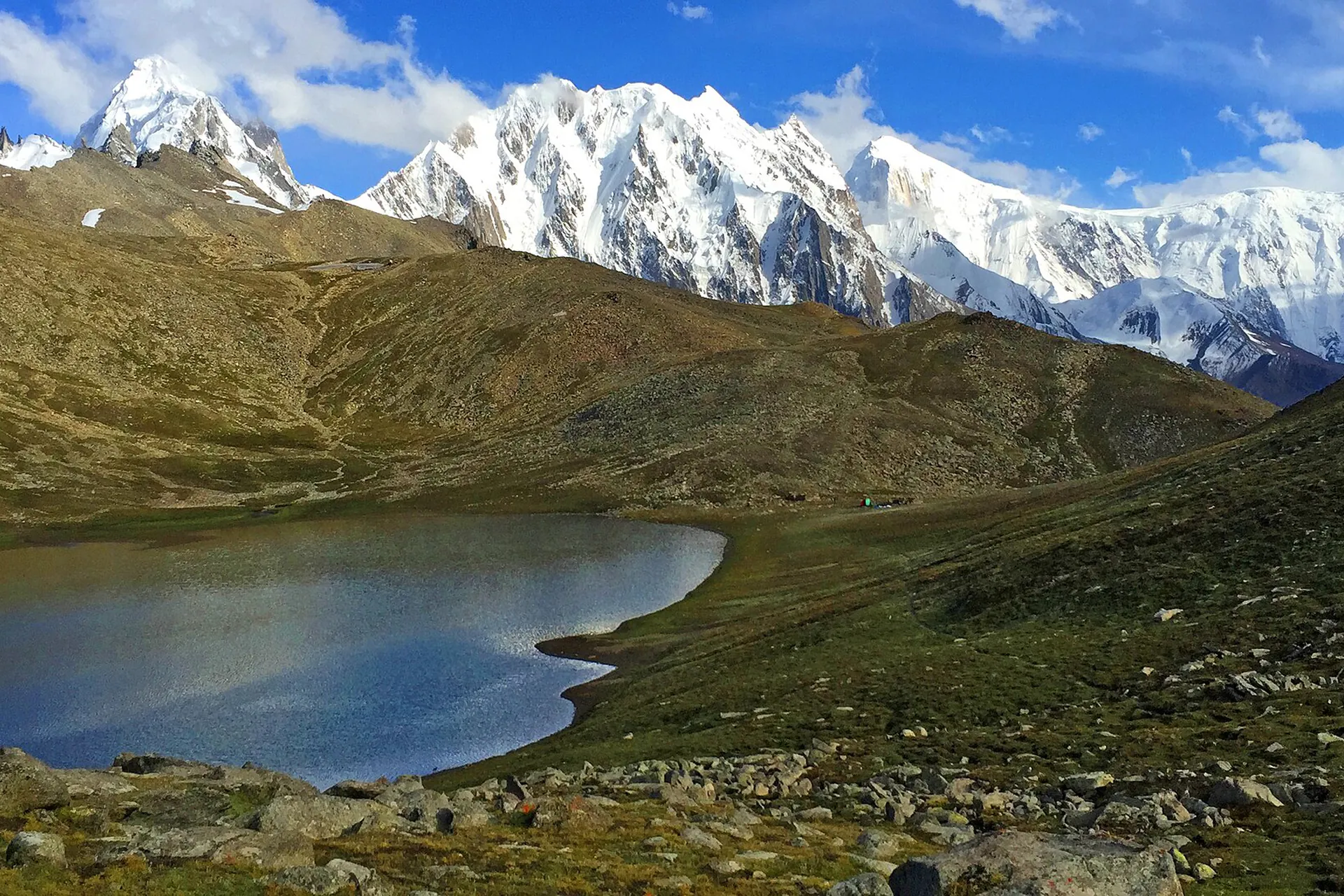
Rush Lake, one of the highest alpine lakes in the world, in Nagar
Back to Tours
Trekking Gilgit-Baltistan

Rush Lake Trek

A moderate trek to a 4,694m lake, a good first Karakoram trek
Rush Lake, one of the highest alpine lakes in the world, in Nagar, Gilgit-Baltistan
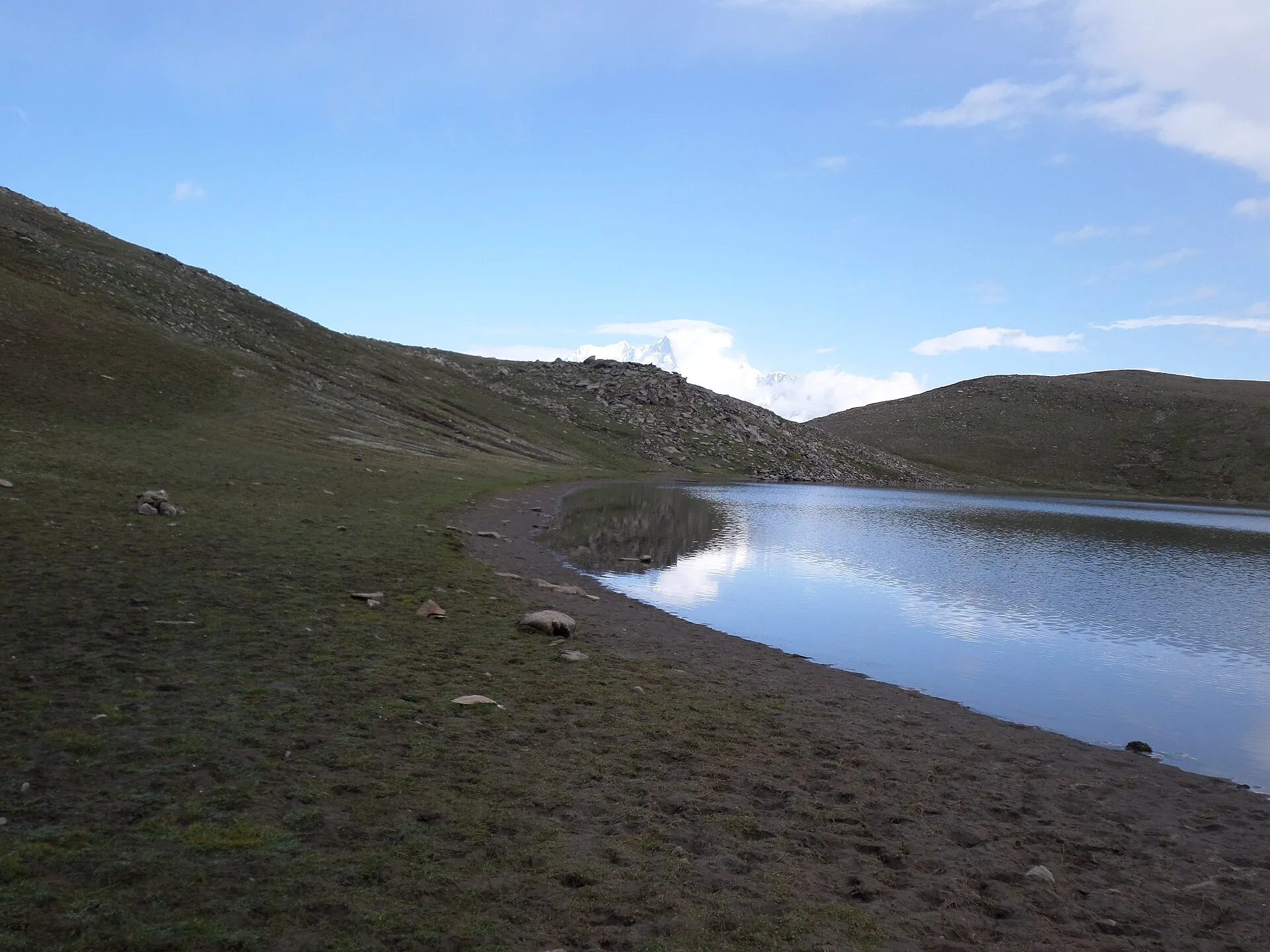
The still water of Rush Lake beneath the Nagar peaks
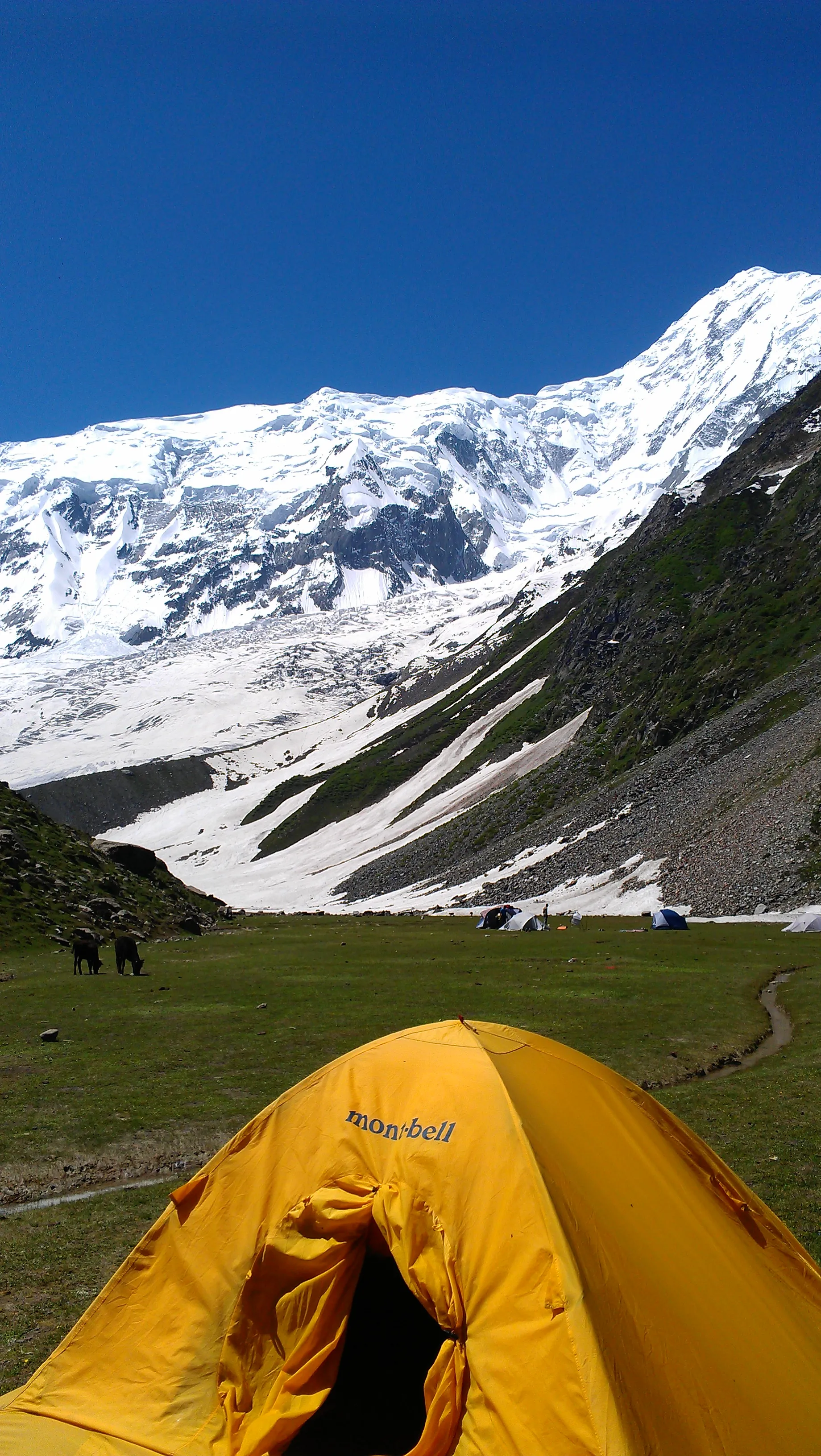
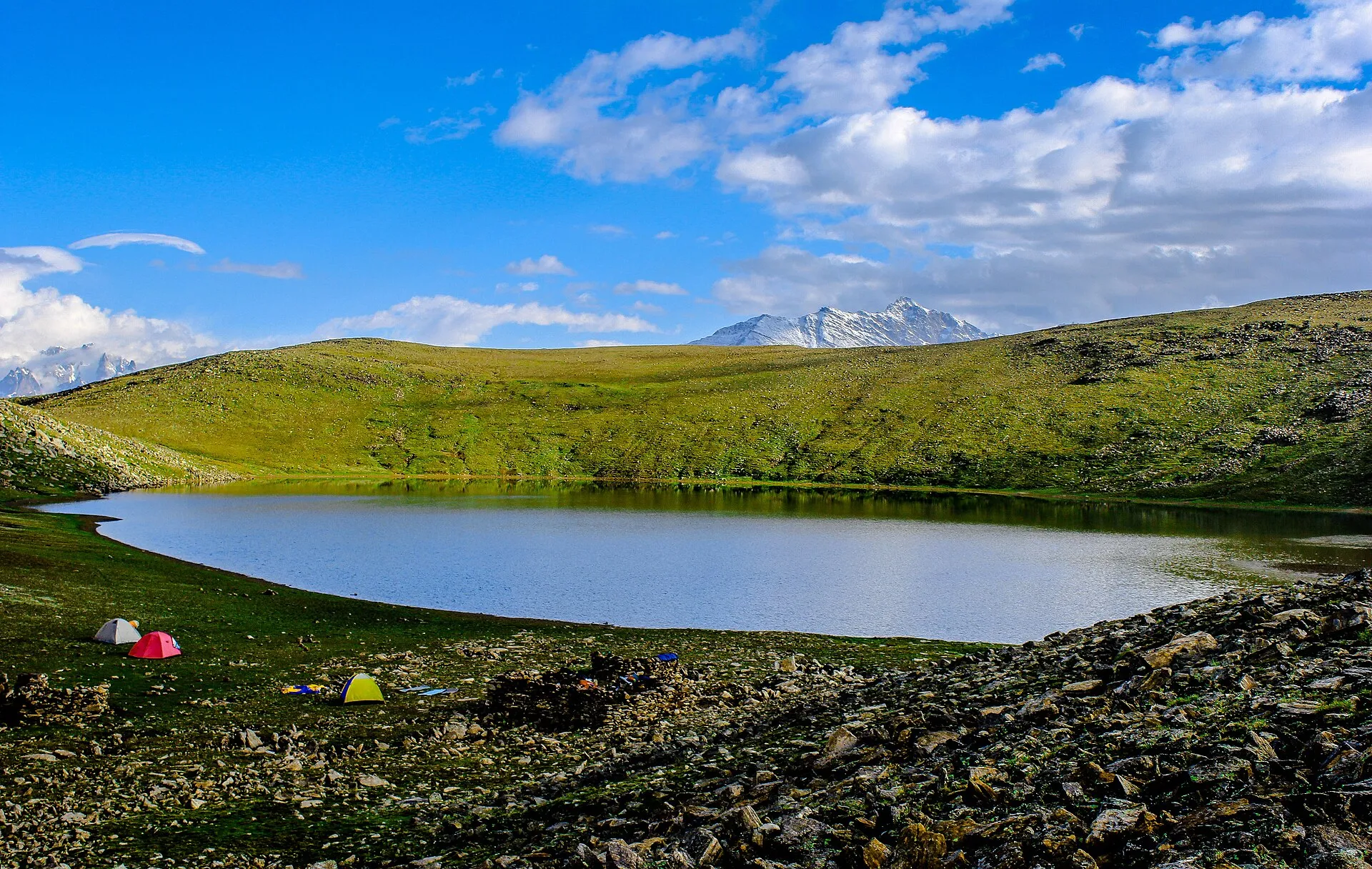
A tent pitched by Rush Lake below a snow-capped peak
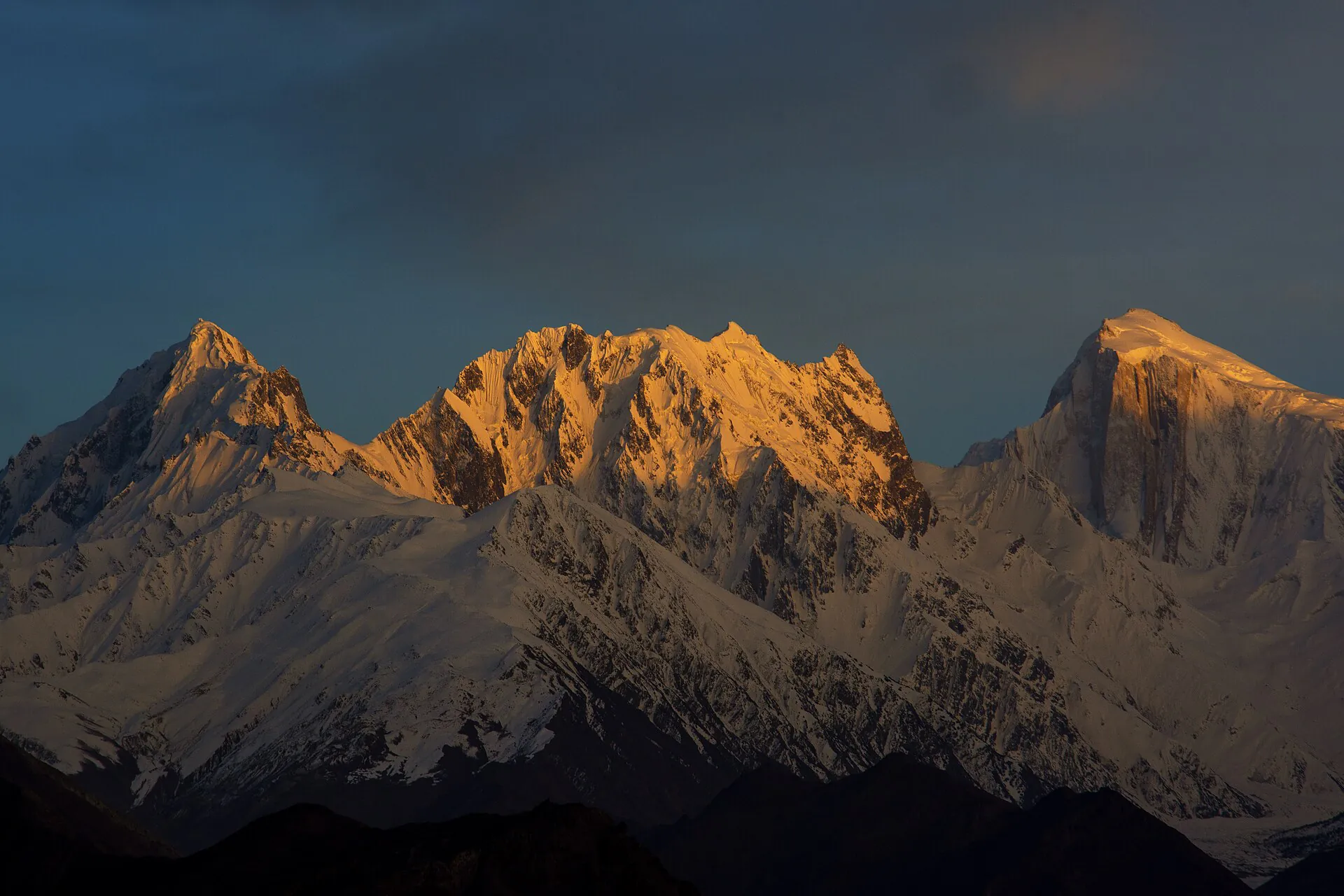
Spantik, the Golden Peak (7,027 m), catching sunrise light above the Nagar valley
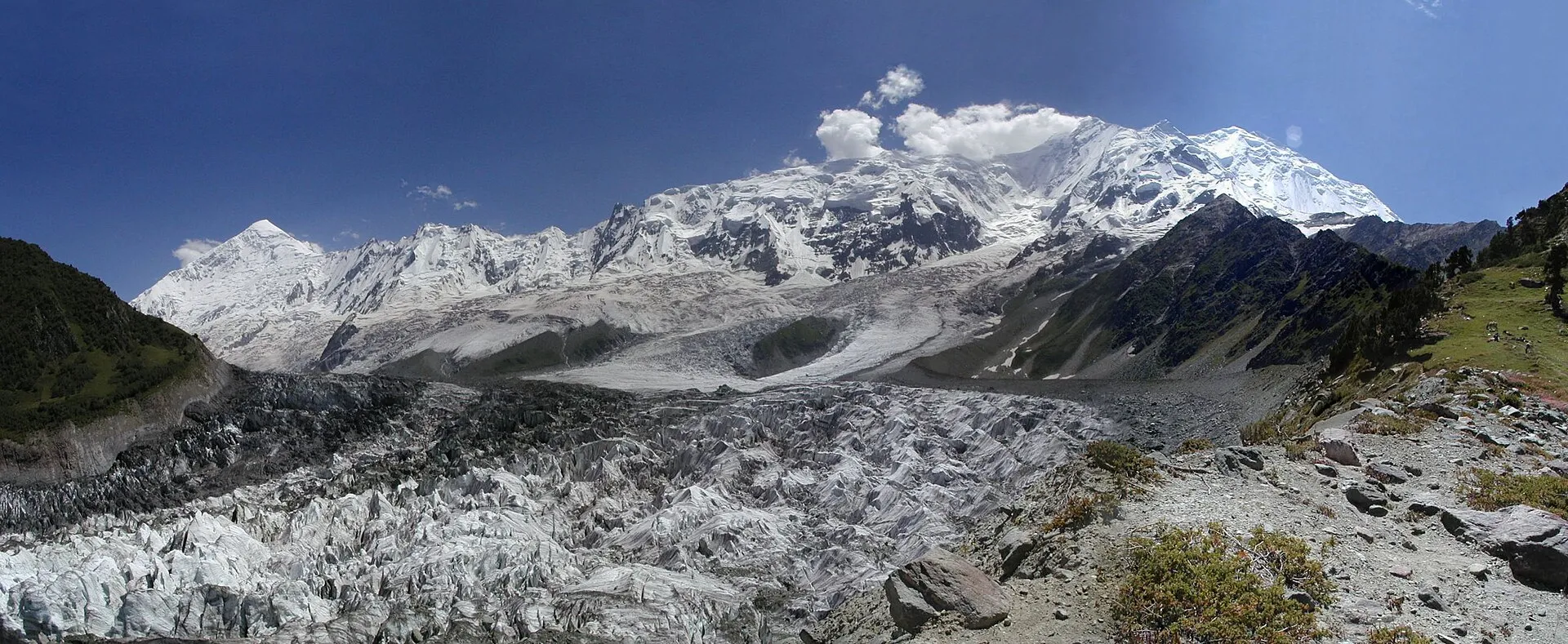
Snow peaks and moraine on the trek to Rush Lake
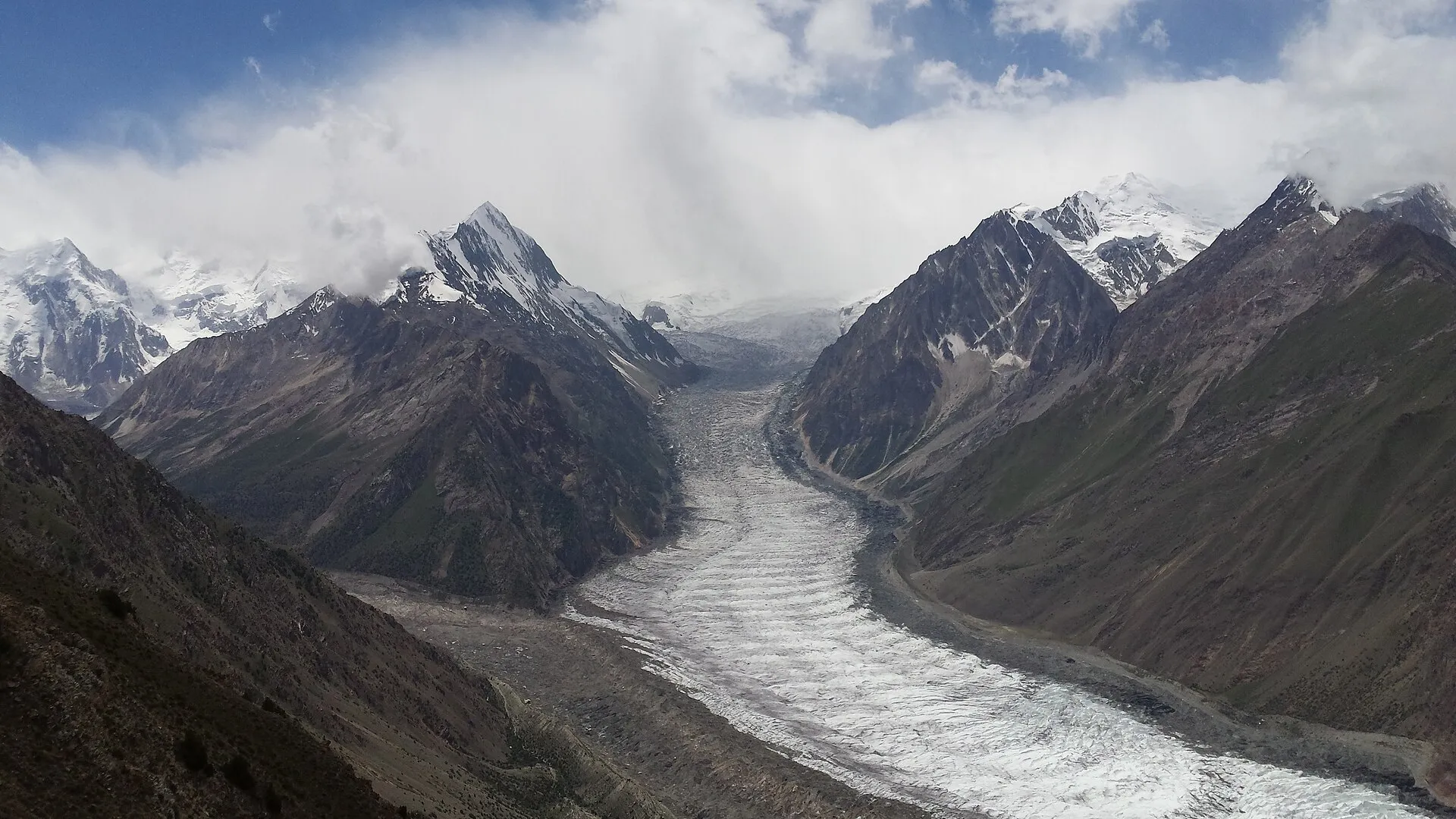
The glacier and peaks near Rush Lake in Nagar
Rush Lake at 4,694 m below the snow peaks of the Nagar Karakoram

Last updated: · Reviewed by Javeed Iqbal, Founder

Duration

8-10 Days

Difficulty

Moderate

Group Size

4-15 Trekkers

Best Season

Jun-Sep

About This Tour

Rush Lake sits at about 4,694 metres above the Nagar valley in Gilgit-Baltistan, which makes it one of the highest alpine lakes in the world. It is a high glacial tarn held in a bowl of rock and grass above the Barpu Glacier, often still part-frozen in midsummer. The trek reaches it from Hopar village over a few days, with a high camp at Chidin Harai before the easy final walk up to the water.

What makes it worth the climb is the view, not the lake alone. From the lake and the option above it you look out over Spantik, the Golden Peak, along with Malubiting, Miar, Phuparash and Ultar, and on a clear day far-off K2, Broad Peak and Gasherbrum I show on the horizon. The approach itself is a draw: the Bualtar glacier you cross near Hopar is one of the fastest-moving glaciers anywhere, shifting on the order of 20 centimetres a day.

This is a moderate trek and a good first Karakoram trip. It is non-technical, with one steep day, a guided but straightforward glacier crossing, and a short overall walk packed inside the 8 to 10 day package. The catch is altitude: the gain to 4,694 metres is quick, so acute mountain sickness is the real risk, and we pace the schedule and add a high camp to handle it. Fit walkers with a little high-altitude experience do well here.

We run Rush Lake from Hopar with a local guide and porters from the Nagar communities who know the Barpu and Bualtar ice. The trip is built around proper acclimatisation, the Chidin Harai high camp, and the option to add Rush Peak for those with energy to spare. The price is USD 1,800 per person.

The Route from Hopar

The trek starts at Hopar village at about 2,750 metres in Nagar, reached by road from Gilgit or Hunza. From the village the trail drops onto the Bualtar, or Hopar, glacier and crosses it; this is the fast-moving ice the valley is known for, and a guide picks the line. On the far side the route reaches Barpu Giram at around 3,000 metres, a shepherd settlement that makes a common first camp.

Above Giram the trail climbs grassy slopes high above the Barpu Glacier, past the Hapakund and Hamdar shepherd huts, then grinds up about 700 metres of dusty zigzags to the high camp at Chidin Harai at roughly 4,333 metres. It is the hardest day of the trek, around six hours, and it sets up the lake.

From Chidin Harai it is an easy three to four hour walk up gentle grass slopes to Rush Lake at about 4,694 metres. Those with energy and good acclimatisation can carry on to Rush Peak, also called Rush Pari, at roughly 5,098 metres above the lake for the widest panorama, which adds altitude effort but no technical difficulty.

Day-by-Day Itinerary

1

Islamabad to Gilgit

Fly to Gilgit in about an hour, or drive the Karakoram Highway over 14 to 16 hours. Settle into the hotel and prepare for the trek.
2

Gilgit to Hopar (2,750m)

Drive through Hunza into the Nagar valley to Hopar at about 2,750 metres. Meet the porters, finalise preparations and walk through the village apricot orchards.
3

Hopar to Barpu Giram (3,000m)

Drop onto the fast-moving Bualtar glacier and cross it with the guide, then reach Barpu Giram at around 3,000 metres, a shepherd settlement and the first camp.
4

Barpu Giram to Chidin Harai (4,333m)

The hardest day. Climb grassy slopes above the Barpu Glacier past the Hapakund huts, then grind up about 700 metres of dusty zigzags to the high camp at Chidin Harai near 4,333 metres.
5

Chidin Harai to Rush Lake (4,694m)

An easy three to four hour walk up gentle grass slopes to Rush Lake at about 4,694 metres, held in a bowl of rock and ice with Spantik and the Golden Peak across the valley.
6

Rush Lake and optional Rush Peak

Time at the lake in the clear morning light, with the option for the well-acclimatised to climb Rush Peak at roughly 5,098 metres for the full panorama of Malubiting, Miar and the distant Karakoram giants.
7

Descent to Hopar

Descend the steep, loose high-camp slope and continue down through the pastures and back across the glacier to Hopar, with a celebration dinner in the village.
8

Hopar to Gilgit or Karimabad

Drive back to Gilgit or to Karimabad in Hunza for a rest day, with the option to take in the Hunza valley highlights.
9

Return to Islamabad

Fly or drive back to Islamabad, where the trip ends.

How Hard Is the Rush Lake Trek?

Moderate. It is one of the more approachable high treks in the Karakoram and a sensible first one. There is no technical climbing, the glacier crossing is straightforward with a guide, and most days are short. The single hard stretch is the roughly 700-metre dusty climb to the Chidin Harai high camp, and the descent of that same slope is steep and loose on the way down.

The thing to respect is altitude. You gain height quickly to 4,694 metres, and faster than on longer treks, so acute mountain sickness is the genuine risk rather than the terrain. We add the high camp and pace the ascent to give your body time, and the optional Rush Peak at about 5,098 metres adds altitude effort, not skill. Reasonable hill fitness and ideally a little prior time at altitude make all the difference.

Best Time to Trek to Rush Lake

June to September is the window, with mid-July to mid-August the most reliable. In that stretch the high meadows are green, the snow has cleared from the route to the lake, and the glacier crossing is most settled. Earlier in June there can still be snow up high, and by late September the high camp turns cold at night.

Even in peak season the lake is often part-frozen and the weather can close in on the higher ground, so a clear morning at the lake is a thing to plan for rather than assume. We keep a little slack in the schedule so a cloudy day does not cost you the panorama of Spantik and the far peaks.

Permits and Logistics

Rush Lake is in an open zone, so there is no CKNP trekking permit. Local Nagar and Hopar community fees apply and a guide is standard, all of which we handle. If you choose to add Rush Peak, note that peaks above 6,500 metres need a separate royalty permit, but Rush Peak at about 5,098 metres sits below that line and needs no special climbing permit.

Access is by road from Islamabad to Gilgit or Hunza, then on to Nagar and Hopar. From Hopar the trek is self-contained with porter support, so there is no resupply once you are above the village. If you want a bigger objective in the same region, our K2 Base Camp trek is the long, strenuous classic, while Rush Lake is the shorter way to stand high in the Karakoram.

Where Is Rush Lake and How High Is It?

Rush Lake lies at about 4,694 metres above the Miar and Barpu glaciers in the Nagar Valley of Hunza-Nagar, Gilgit-Baltistan, which makes it one of the highest alpine lakes in the world. The trek starts from the twin villages of Hopar, reached by a short jeep ride from Nagar and Karimabad in Hunza, so the approach is easy compared with the deep Karakoram treks. From Hopar you cross the moving Bualtar glacier, climb through summer pastures to a high camp at Chidin Harai, and reach the lake on a short summit-style day. It is one of the quickest ways to stand at nearly 4,700 metres in the Karakoram, which is exactly why the altitude, not the distance, is the real test.

Rush Lake and Rush Peak: A High-Alpine Panorama

The lake itself is a still, often part-frozen tarn cupped below Rush Peak, and the reason people climb this high is the ring of giants around it. Spantik, the Golden Peak (7,027 m), rises close by, with Malubiting (7,458 m), Miar, Phuparash and, back down the valley, Rakaposhi and Diran filling the skyline. From the optional Rush Peak at roughly 5,098 metres, a non-technical walk-up above the lake, the view opens even further, and on a clear day you can pick out K2, Broad Peak and Gasherbrum I far off on the horizon. Few places let a moderate trekker stand among this many 7,000-metre peaks in a single sweep.

Why Book With Us

We are based in Gilgit-Baltistan and run Rush Lake with guides and porters from the Nagar communities at Hopar who cross the Barpu and Bualtar ice every season. We treat it as the good first high trek it is: paced for the fast altitude gain, built around the Chidin Harai high camp, with Rush Peak offered to those who acclimatise well rather than pushed on everyone. The guide, porters, camp support, transport and the local community fees are all included in the price.

What's Included

All camping equipment and tents
Experienced mountain guide
Porter team for equipment carry
All meals during the trek
Transport: Islamabad-Gilgit-Hopar and return
Required permits and fees

Not Included

International flights
Travel insurance
Personal expenses and tips

Frequently Asked Questions

How hard is the Rush Lake trek?

It is moderate and a good first Karakoram trek. There is no technical climbing and most days are short; the one hard stretch is the roughly 700-metre dusty climb to the Chidin Harai high camp. The real challenge is the quick altitude gain rather than the terrain. That climb comes on the fourth day of our itinerary, around six hours from Barpu Giram up grassy slopes and zigzags to about 4,333 metres. Coming back down the same slope is steep and loose, so poles help. The Bualtar glacier crossing near Hopar is straightforward with a guide choosing the line. Because you go from about 2,750 metres at Hopar to 4,694 metres at the lake in a few days, acute mountain sickness is the risk to respect. Reasonable hill fitness and ideally some earlier time at altitude make a big difference to how much you enjoy it.

How high is Rush Lake?

Rush Lake sits at about 4,694 metres, which makes it one of the highest alpine lakes in the world. The optional Rush Peak above it reaches roughly 5,098 metres. To put the climb in context, the trek starts at Hopar village at about 2,750 metres, spends the first night at Barpu Giram around 3,000 metres, and then climbs to the high camp at Chidin Harai near 4,333 metres. From there it is an easy three to four hour walk on gentle grass slopes to the water. That is a gain of almost 2,000 metres in a few days, faster than on longer Karakoram treks, so we pace it carefully and use the high camp to help you acclimatise. Rush Peak, also called Rush Pari, is a non-technical walk-up for those feeling strong, adding altitude effort but no need for climbing skill.

Is Rush Lake the highest alpine lake in the world?

No. At about 4,694 metres it is one of the highest, often cited around 27th, but several lakes in the Andes and Tibet are higher. We never claim it is the highest, only one of the highest. You will see the bigger claim repeated online, but it does not hold up. What sets Rush Lake apart is less its rank than how quickly a moderate trekker can reach it: from the road head at Hopar the lake is only a few trekking days away, with no technical climbing. It is a glacial tarn in a bowl of rock and grass above the Barpu Glacier, and it is often still part-frozen in midsummer. The ring of peaks around it, including Spantik and Malubiting, is the real reason to go, and on a clear day you can see K2 far off on the horizon.

Can you see K2 from Rush Lake?

On a clear day, yes, far off on the horizon. From the lake and especially from Rush Peak you can pick out K2, Broad Peak and Gasherbrum I in the distance, alongside the nearer Spantik, Malubiting, Miar, Phuparash and Ultar. At that distance K2 is a small shape on the skyline, so bring a camera with some zoom if you want a good shot of it. The best chance comes in the clear morning light, which is why our itinerary gives you the morning of day six at the lake before any descent. Cloud can close in on the higher ground even in peak season, and we keep a little slack in the schedule for that reason. Climbing Rush Peak at roughly 5,098 metres is optional and non-technical, but it gives the widest view and the best odds of seeing the distant Karakoram giants.

When is the best time to trek to Rush Lake?

June to September, with mid-July to mid-August the most reliable. In that window the meadows are green, the route is clear of snow and the glacier crossing is settled. The lake is often still part-frozen even in midsummer. Earlier in June there can still be snow on the higher ground, and by late September the high camp at Chidin Harai turns cold at night. Even in the best weeks, weather can close in quickly near 4,700 metres, so a clear morning at the lake is something to plan for rather than assume. We keep a little slack in the schedule so that one cloudy day does not cost you the view of Spantik and the far peaks. If your dates are flexible, aim for late July or early August, which gives the best chance of settled conditions, open pastures and a clear route to the water.

Do I need a permit for Rush Lake?

No CKNP trekking permit is needed; Rush Lake is in an open zone. Local Nagar and Hopar community fees apply and a guide is standard, all of which we arrange. Rush Peak at about 5,098 metres also needs no special climbing permit. A separate royalty permit only applies to peaks above 6,500 metres, and Rush Peak sits well below that line. Our price covers the required permits and fees, along with the guide, porter team, camping equipment, meals on the trek and transport from Islamabad to Gilgit and Hopar and back. Once you leave Hopar the trek is self-contained, with no resupply above the village, so the porters from the local Nagar communities carry the camp and food. What you need to bring is your own personal kit, including a warm sleeping bag rated for sub-zero nights.

How long is the trek?

It is a short trek of roughly four to six trekking days inside our 8 to 10 day package, which also covers the travel from Islamabad and a rest day in Hunza. That makes it one of the shorter ways to reach a genuinely high point in the Karakoram. On our standard itinerary you fly or drive to Gilgit on day one and reach Hopar on day two. The walking runs from day three to day seven: across the Bualtar glacier to Barpu Giram, up to the Chidin Harai high camp, on to the lake, a day there with the option of Rush Peak, and back down to Hopar. Day eight takes you to Gilgit or to Karimabad for rest, and day nine returns you to Islamabad. The flight to Gilgit takes about an hour, while driving the Karakoram Highway instead takes 14 to 16 hours each way.

Is the Rush Lake trek safe?

Yes, for fit trekkers on a guided trip. The main hazards are the fast altitude gain, the moving Bualtar glacier you cross with a guide, and the steep dusty descent from the high camp. We pace the ascent and add a high camp to manage the altitude. The Bualtar is one of the fastest-moving glaciers anywhere, shifting on the order of 20 centimetres a day, so the line across it changes and a local guide picks it each time. Our guides and porters come from the Nagar communities at Hopar and cross the Barpu and Bualtar ice every season. Rush Peak is offered only to people who have acclimatised well, never pushed on the whole group. Above Hopar the trek is self-contained with no resupply, so good planning matters, and travel insurance, which is not included in our price, is worth arranging for any high trek.

Where is Rush Lake?

Rush Lake is at about 4,694 metres above the Miar and Barpu glaciers in the Nagar Valley of Hunza-Nagar, Gilgit-Baltistan. The trek starts from the twin villages of Hopar, a short jeep ride from Nagar and Karimabad, and reaches the lake via a high camp at Chidin Harai. Hopar itself sits at about 2,750 metres among apricot orchards, and the trail drops from the village straight onto the Bualtar glacier. On the far side, Barpu Giram is a shepherd settlement at around 3,000 metres, and above it the route passes the Hapakund and Hamdar huts high over the Barpu Glacier. The lake lies in a bowl of rock and grass below Rush Peak. The approach is easy compared with the deep Karakoram treks, so the altitude, not the distance, is what tests most people on this route.

How do you get to the start of the Rush Lake trek?

You travel up the Karakoram Highway to Hunza, then take a short jeep road from Karimabad and Nagar to Hopar, the trailhead. It is one of the easiest trek approaches in the Karakoram, with no long or exposed jeep day. Our 8 to 10 day package includes the travel from Islamabad and a rest day in Hunza. Most groups fly from Islamabad to Gilgit, which takes about an hour, with the highway drive of 14 to 16 hours as the alternative. From Gilgit, the second day of the itinerary drives through Hunza into the Nagar Valley to Hopar at about 2,750 metres. There is time that afternoon to meet the porters, finish preparations and walk through the village orchards before the trek starts the next morning. Transport from Islamabad to Gilgit, on to Hopar and back again is all included in the price.

What peaks can you see from Rush Lake?

Spantik, the Golden Peak (7,027 m), stands close by, with Malubiting (7,458 m), Miar, Phuparash and, down the valley, Rakaposhi and Diran. From the optional Rush Peak (about 5,098 m) above the lake the view widens further, and on a clear day you can pick out K2, Broad Peak and Gasherbrum I far off. Ultar is also part of the ring of mountains you see from the water. Few places let a moderate trekker stand among this many 7,000-metre peaks in one sweep, and that view, more than the lake itself, is why people make the climb. Spantik is right across the valley as you arrive on day five. The morning of day six is kept free at the lake for clearer light, and for those who choose to climb Rush Peak for the full panorama of Malubiting, Miar and the far giants.

What is the weather like at Rush Lake?

Cold and high-alpine. Even in July and August, days at the lake are cool and nights at the high camp drop below freezing, and the lake is often still part-frozen in midsummer. Hunza-Nagar is fairly dry, but weather turns fast at nearly 4,700 metres, so warm layers and a sub-zero sleeping bag are essential. Lower down, Hopar and the pastures around Barpu Giram are much milder, which makes it easy to underpack if you judge by the first day. Cloud can settle on the higher ground and hide the peaks, so we plan to be at the lake in the clear morning light and keep some slack in the schedule rather than pushing on in poor visibility. A down jacket, hat, gloves and a waterproof shell cover most of what the lake throws at you. We supply the tents and camping equipment.

From

$1,800

per person

* Prices may vary. Contact us for accurate, customized pricing.

Duration8-10 Days
DifficultyModerate
Group Size4-15 Trekkers
Best SeasonJun-Sep
Max Altitude4,694m
Book This Tour Ask a Question

Free cancellation up to 30 days before departure

Ready for Your Next Adventure?

Join our community of explorers and discover the journey of a lifetime. Our expert team is ready to help you plan your perfect expedition.