塔克西拉(Taxila)
2,500年佛教文明
最后更新: · 审核:Javeed Iqbal,创始人
行程天数
3-5 天
难度
轻松
团队规模
2-12 人
最佳季节
全年
行程介绍
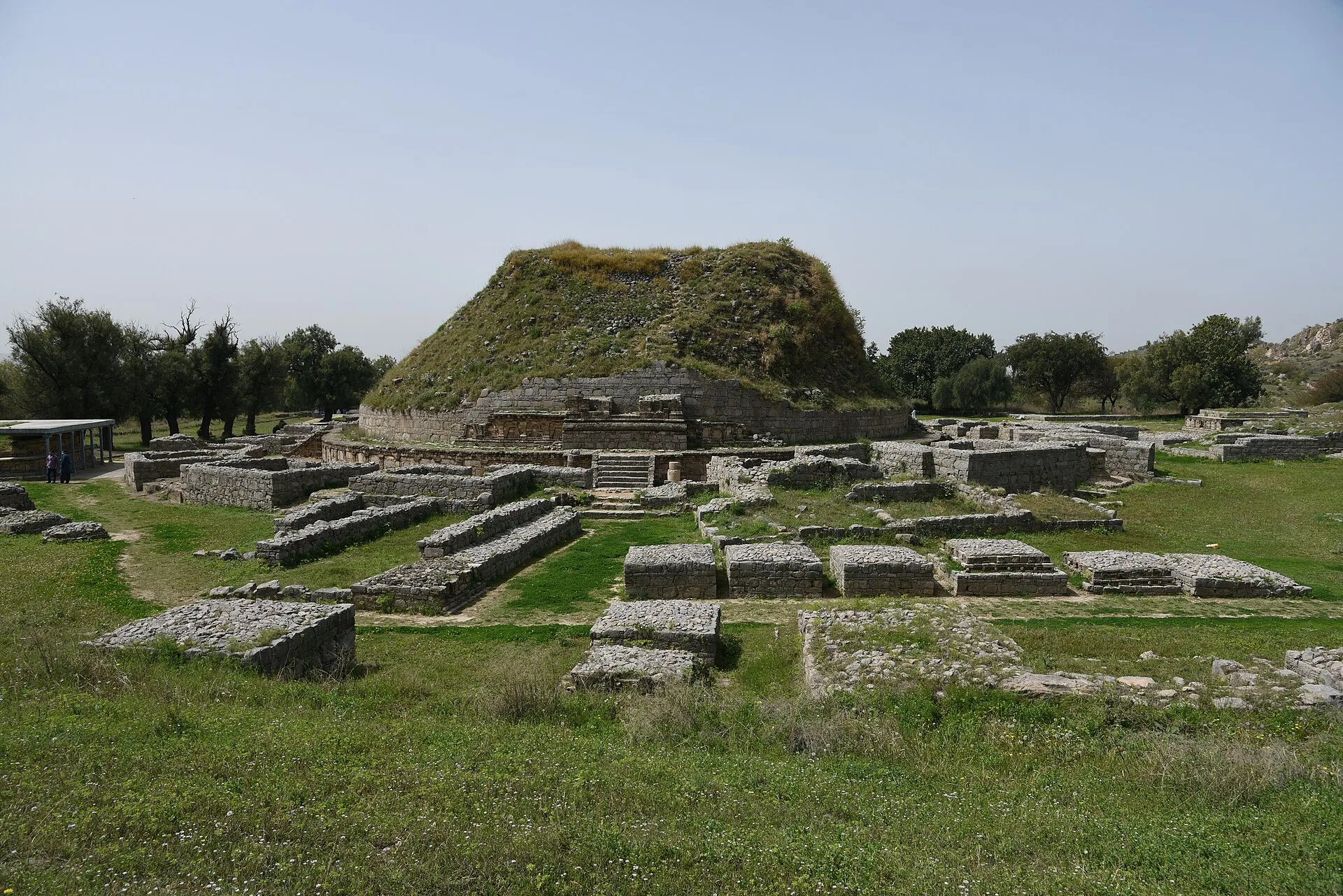
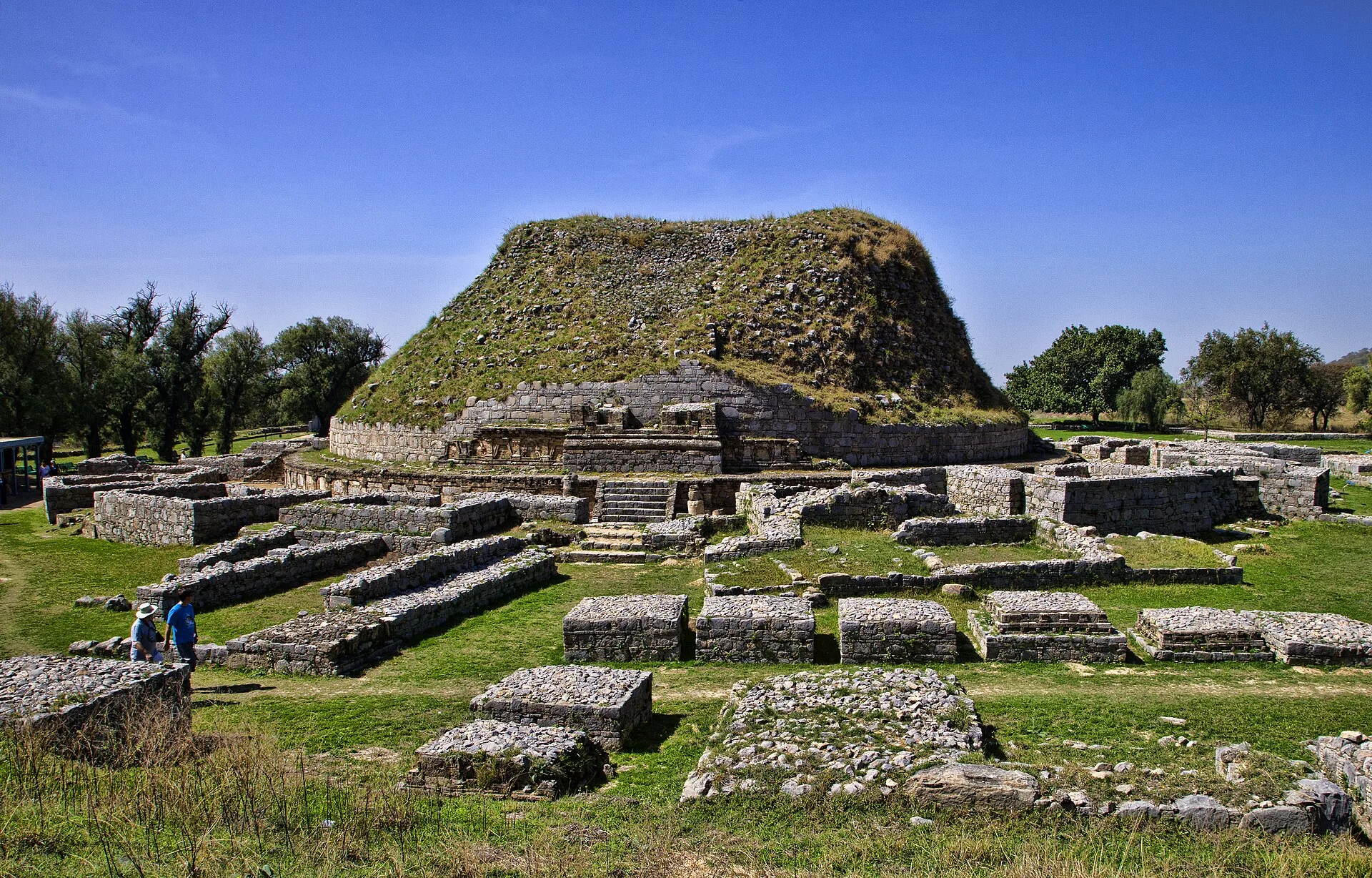
从Islamabad向西北驾车一小时,在一片麦田与金合欢点缀的宁静谷地间,坐落着古代世界的一座伟大城市。Taxila——梵语中的Takshashila——于1980年作为系列遗产被UNESCO列入名录:一处中石器时代洞穴、四座聚落土丘和十八处遗迹,横跨逾千年的城市生活。波斯曾在此治理,亚历山大于公元前326年在此受到款待,Ashoka在此营建,而五个世纪的佛教学术更让这个名字从中国一路扬名至地中海。
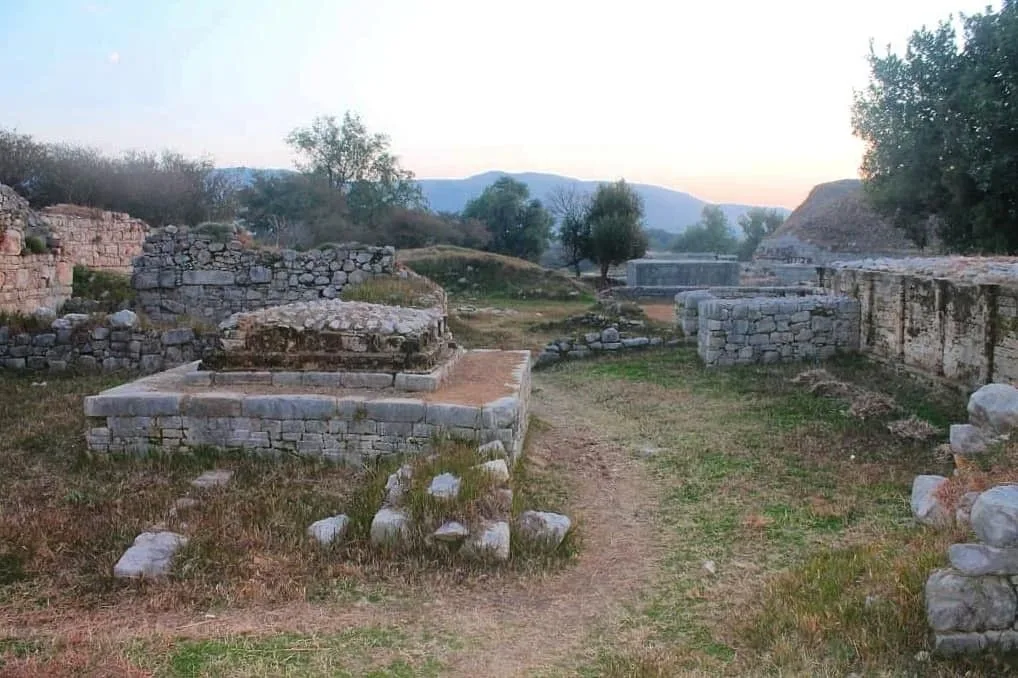
三座被掩埋的城市彼此相距不过几公里,在它们之间行走,便如翻阅一章章历史。Bhir Mound最为古老,是一座Achaemenid时期、街巷蜿蜒、未经规划的城镇。约公元前180年由印度-希腊人建立的Sirkap则恰恰相反:希腊化的方格布局配上一条笔直绵长的主街,那座双头鹰佛塔在一座小小的遗迹上,将希腊立柱、印度拱券和一只美索不达米亚之鹰融为一体。Kushan人的城市Sirsukh出现得最晚。在南亚,再没有别处能让你如此清晰地读出这一层层叠压的历史。
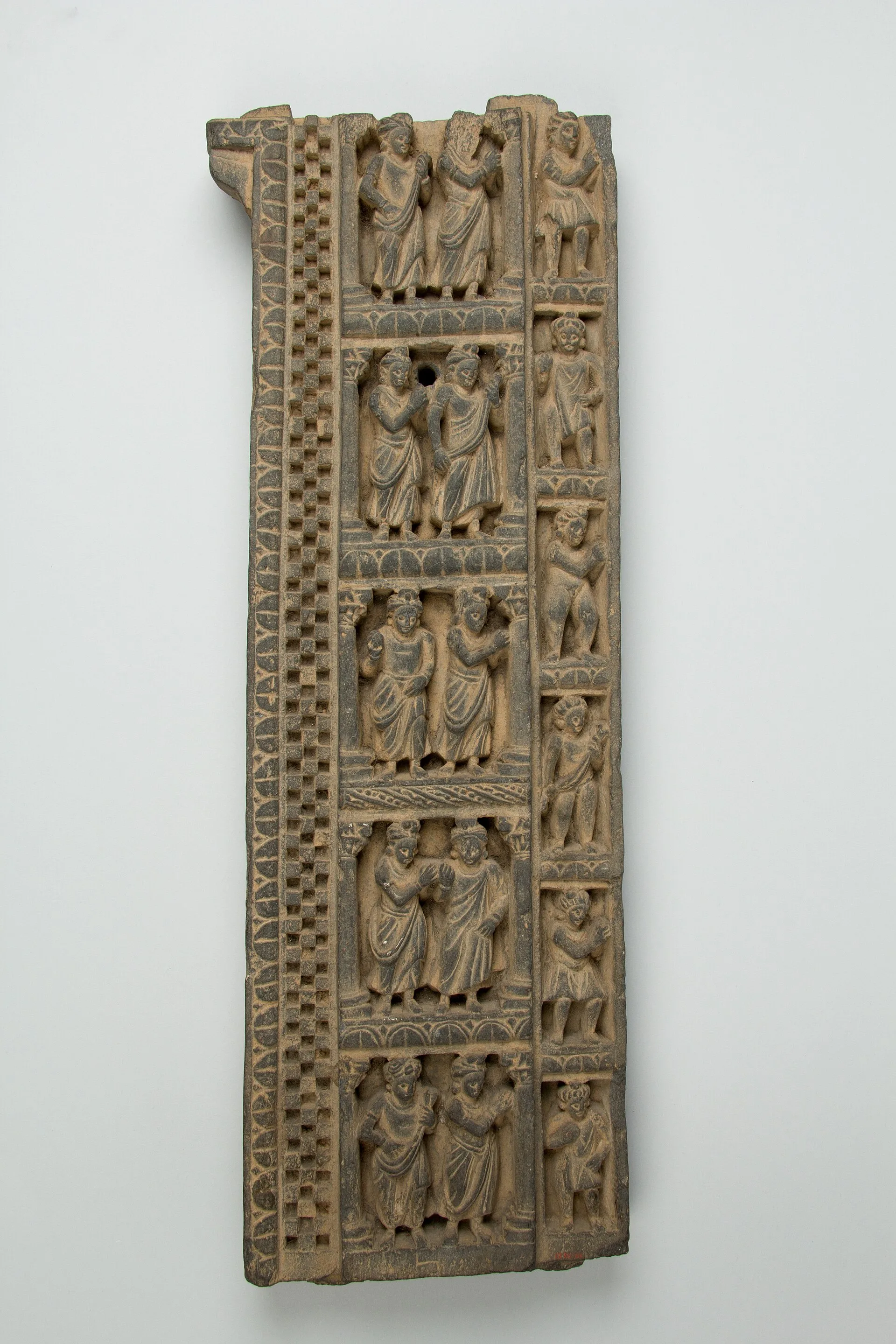
Gandhara正是多数旅行者前来的缘由。大约在公元1世纪至5世纪之间,这里的雕塑家将希腊技法与佛教题材相融合,造出了一些最早的佛陀人形造像——波浪状发卷、身披托加长袍,宛如一尊正在冥想的阿波罗。建于1928年的Taxila Museum收藏着数千件文物:刻画佛陀生平的片岩浮雕、神态安详的灰泥菩萨,以及Sir John Marshall历次发掘所得的钱币与饰物。
我们将此行程安排为从Islamabad出发的私人导览一日游,或一条3至5天的Gandhara环线,由钻研过考古学、而非死记讲解词的向导带领。
你将参观的遗址
Taxila Museum
从这里开始,因为博物馆赋予了那些废墟以面容。馆内陈列着约4,000件文物:叙事浮雕、灰泥头像、Marshall的发掘所得,以及一批批可追溯从希腊人到匈人每一位统治者的窖藏钱币。
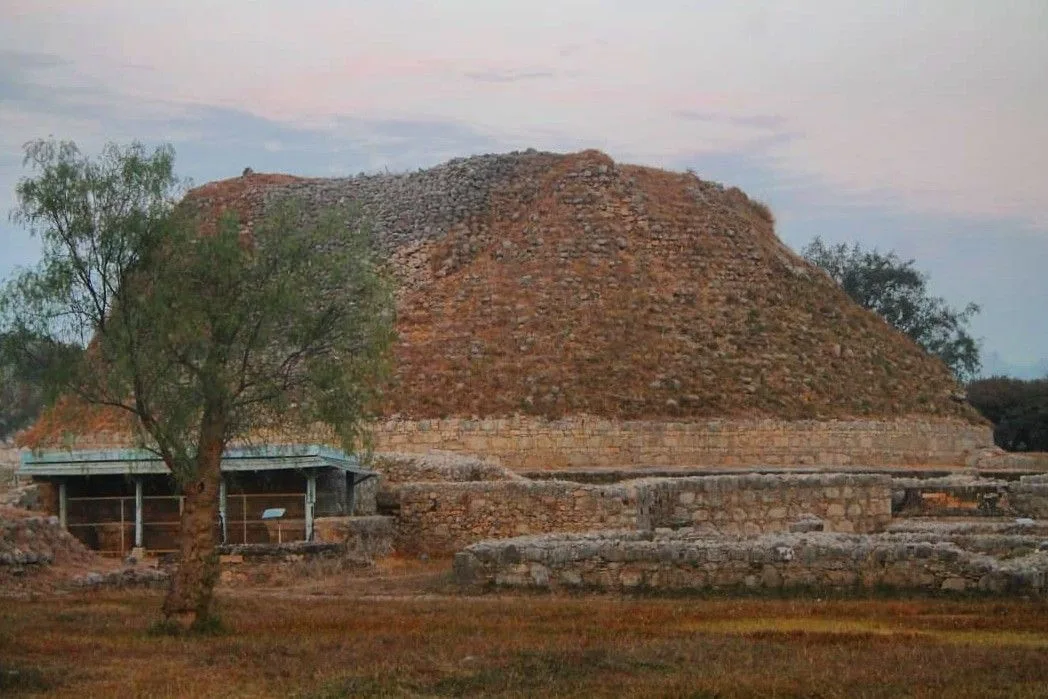
Dharmarajika佛塔
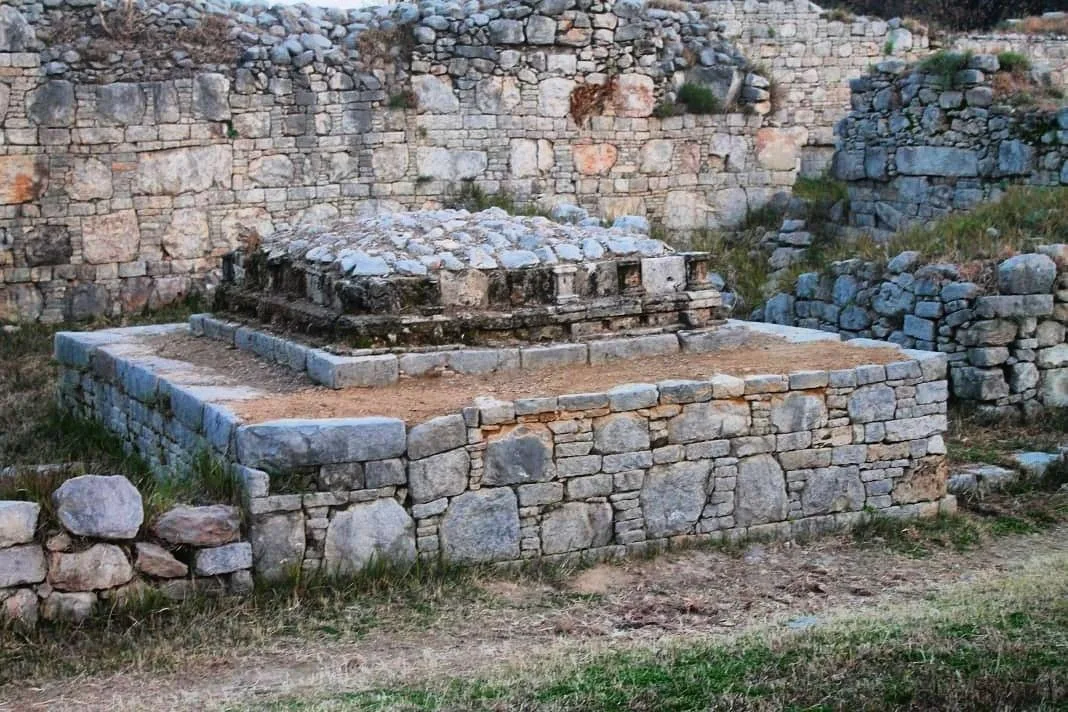
Taxila最大的佛塔,建于公元前3世纪,相传供奉着由Ashoka分送的佛陀舍利。其后数个世纪间,一圈还愿塔和一座占地广阔的寺院在其周围生长起来;在5世纪匈人劫掠中遇难的僧人遗骸,正是在那些僧房间被发现的。
Sirkap
印度-希腊城市,约公元前180年依Hippodamian方格规划布局。沿绵长的主街漫步,经过双头鹰佛塔和那座在约公元30年地震后重建的半圆形后殿神庙。
Jaulian寺院
一座2至5世纪的山顶寺院,僧房分上下两层,还有那尊著名的疗愈佛——一座肚脐处留有小孔的还愿塔,朝圣者至今仍在此处放上一指,祈求祛病。
Taxila 在哪里?
Taxila 位于巴基斯坦的 Punjab 省,在 Islamabad 和 Rawalpindi 西北约35公里处,从首都出发只需约一小时车程即可轻松抵达。它坐落在群山脚下的一片开阔河谷中,古时连接中亚、波斯与印度次大陆的商道曾在此交汇。如今,它是南亚最重要的考古区之一,也是 UNESCO 世界遗产,由数处彼此独立的遗址群和一座博物馆组成,全都分布在现代城镇几公里范围之内。凭借便利的交通,它成为从 Islamabad 出发最容易一窥古老 Gandhara 文明的窗口。
Taxila 博物馆与遗址
Taxila 并非一处单一的古迹,而是散布在河谷各地的一系列遗址,最好从 Taxila 博物馆开始参观。馆内收藏着世界上最精美的 Gandhara 艺术珍品之一,那些灰片岩佛像和希腊-佛教雕塑均出土自周边的发掘现场。由此向外,主要遗址依次铺展:Bhir 早期城址土丘、按棋盘格规划的希腊城市 Sirkap、宏伟的 Dharmarajika 佛塔,以及依山而建的 Jaulian 和 Mohra Muradu 寺院,它们跻身世界上保存最完好的佛教寺院遗址之列。这些遗址共同勾勒出跨越一千多年的历史,从公元前6世纪一直延续到 Mauryan、Indo-Greek 和 Kushan 时代。
每日行程
1Taxila Museum与Sirkap
Taxila Museum与Sirkap
2Dharmarajika佛塔与Jaulian寺院
Dharmarajika佛塔与Jaulian寺院
3Mohra Muradu与Mankiala Stupa
Mohra Muradu与Mankiala Stupa
4Khanpur与Hund(可选)
Khanpur与Hund(可选)
5返程或行程延伸
返程或行程延伸
前往Gandhara的佛教朝圣
对佛教旅行者而言,这不是观光,而是一场前往佛教伟大源头之一的朝圣。Gandhara将佛教越过山口带入中国,中国求法僧Faxian和Xuanzang都曾踏访此地,并写下他们的所见所闻。韩国、日本、泰国和斯里兰卡的团体越来越多地走上同一条环线,我们会在Dharmarajika安排诵经时间、尽可能争取清晨入场,并理所当然地提供素食餐。
如何抵达与实用信息
Taxila距Islamabad约35公里,走高速公路或GT公路一小时车程,这让一日游变得真正轻松。10月至次年3月是舒适的季节;夏季午后气温远超40度,因此夏季到访宜早出发,正午到博物馆避暑。各遗址每日在白昼时段开放,外国游客门票低廉(每处遗址几美元,由我们代办)。无论哪个季节都请带好防晒用品和饮水:废墟间几乎没有遮荫。
这趟行程适合谁
适合爱读历史的人、拍摄废墟与博物馆藏品的摄影者、佛教朝圣者,以及那些有一天空闲、宁愿将其消磨在公元第一个千年里的Islamabad居民或商务访客。步行平缓,但地面崎岖不平;结实的鞋子胜过凉鞋。
为何选择我们
我们的Taxila向导受过考古学训练,而非靠轶事撑场,他们会诚实告诉你哪些说法属于传说而非史实,包括你在别处会听到的「世界最古老大学」之说;Taxila是一处声名远播的学术重镇,师者在家宅和寺院中教授弟子,单凭这一点已足够了不起,无需夸大。私人车辆、节奏灵活、博物馆先行的路线安排,让那些废墟变得通俗易读。
包含项目
不包含项目
常见问题
Taxila距离Islamabad多远?
Taxila距离Islamabad多远?
Taxila值得一游吗?
Taxila值得一游吗?
什么是Gandhara艺术?
什么是Gandhara艺术?
门票多少钱?
门票多少钱?
需要几天?
需要几天?
佛教朝圣者为何造访Taxila?
佛教朝圣者为何造访Taxila?
最佳游览时间是什么时候?
最佳游览时间是什么时候?
Taxila真的是世界上第一所大学吗?
Taxila真的是世界上第一所大学吗?
Taxila 在哪里?怎样前往?
Taxila 在哪里?怎样前往?
Taxila 有哪些看点?
Taxila 有哪些看点?