Khunjerab Wildlife Trek
Tracker-led wildlife walks in Khunjerab National Park


Duration
7–9 Days
Difficulty
Moderate–Strenuous
Group Size
2–8 people
Best Season
Jun–Sep
About This Tour
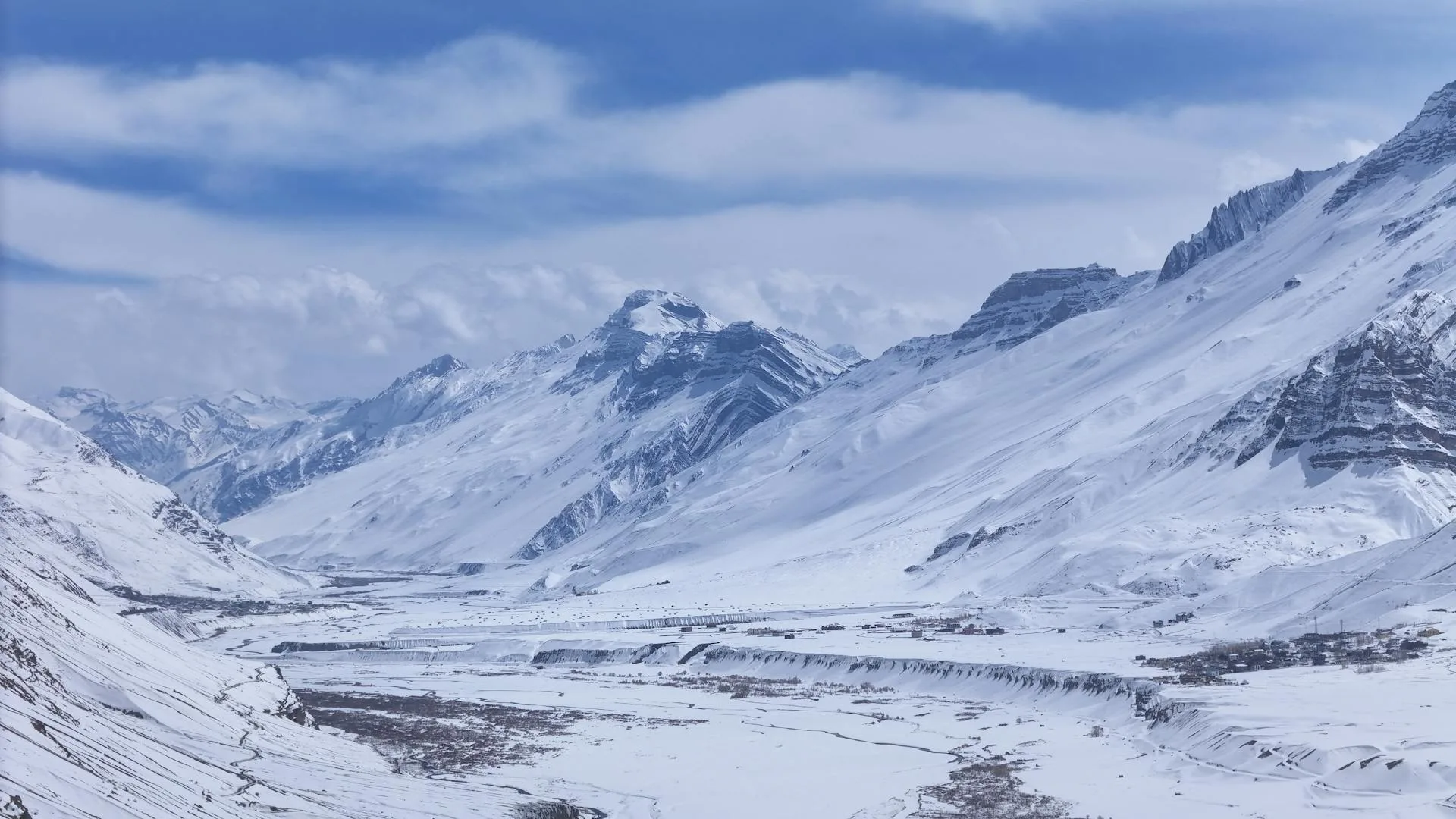
Be clear from the start about what this is. Khunjerab National Park does not have a single fixed-trail trek the way the Baltoro or Shimshal Pass do. What we run here is a wildlife and eco itinerary: tracker-led day walks in the side valleys of the park, Wakhi homestays, and a drive up to the Khunjerab Pass. We sell it on the biodiversity, the landscape and the culture, not on a summit or a pass crossing. If you want a hard pass trek, this is not it; if you want to read a high-altitude ecosystem with someone who knows it, this is one of the best places in Pakistan to do that.
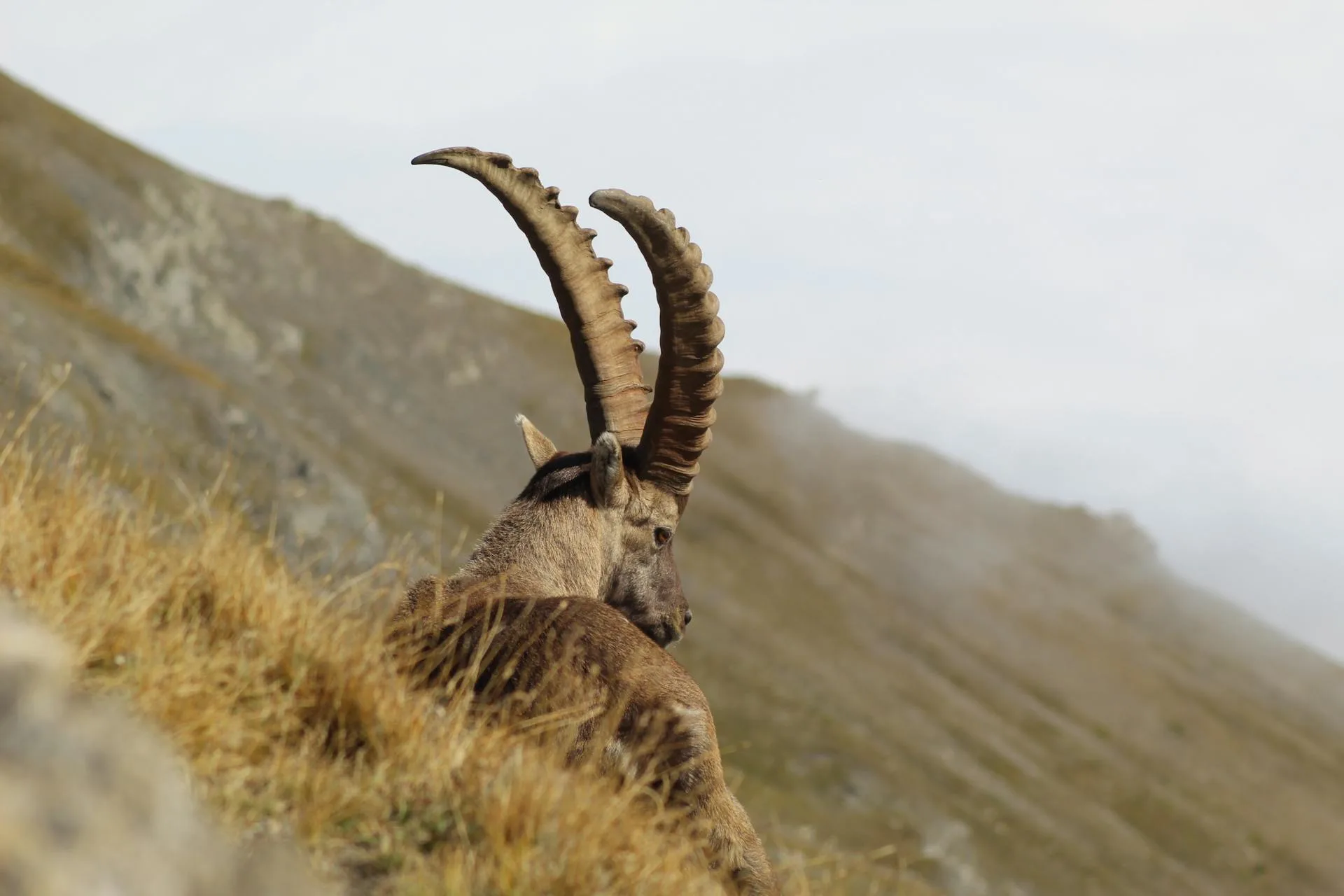
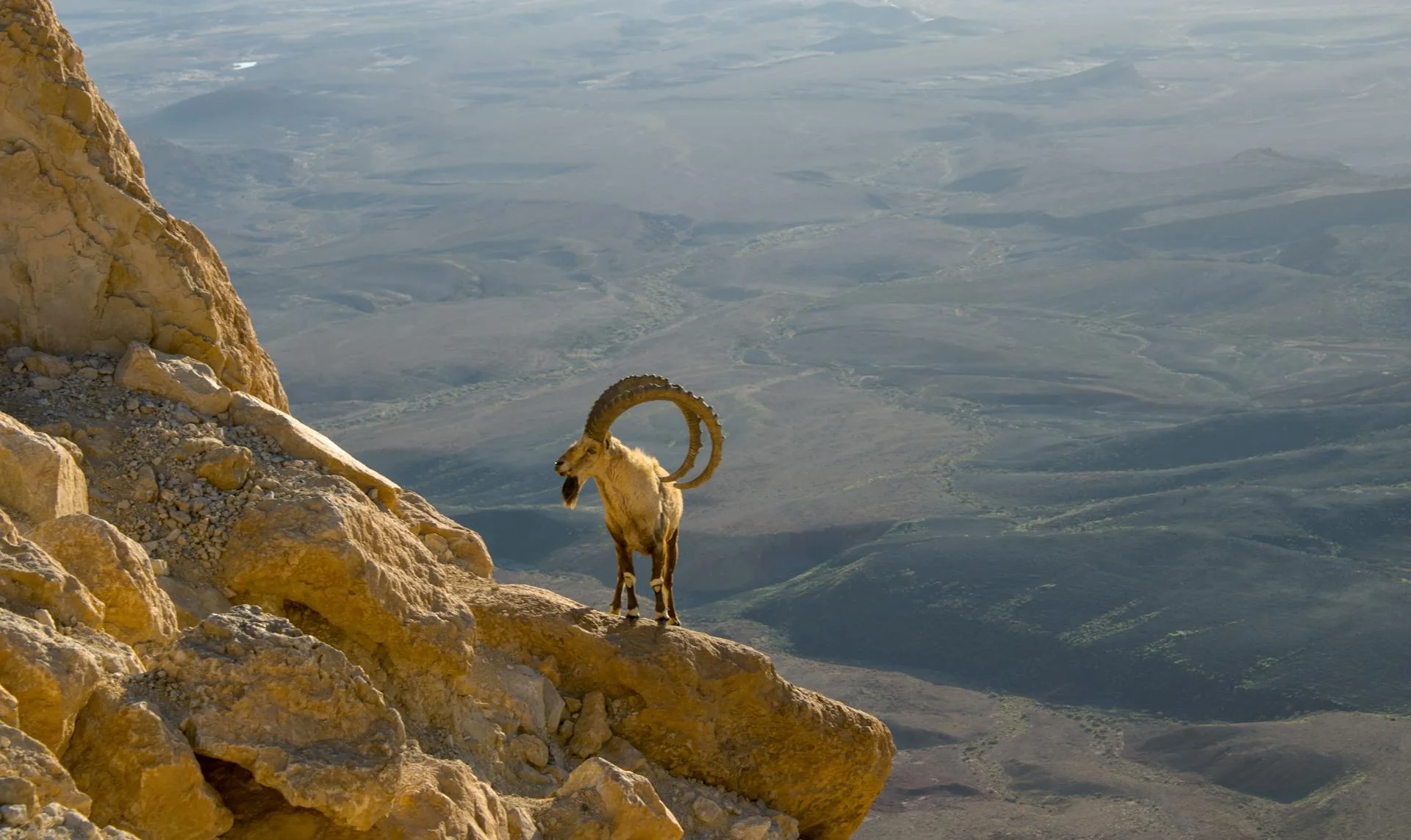
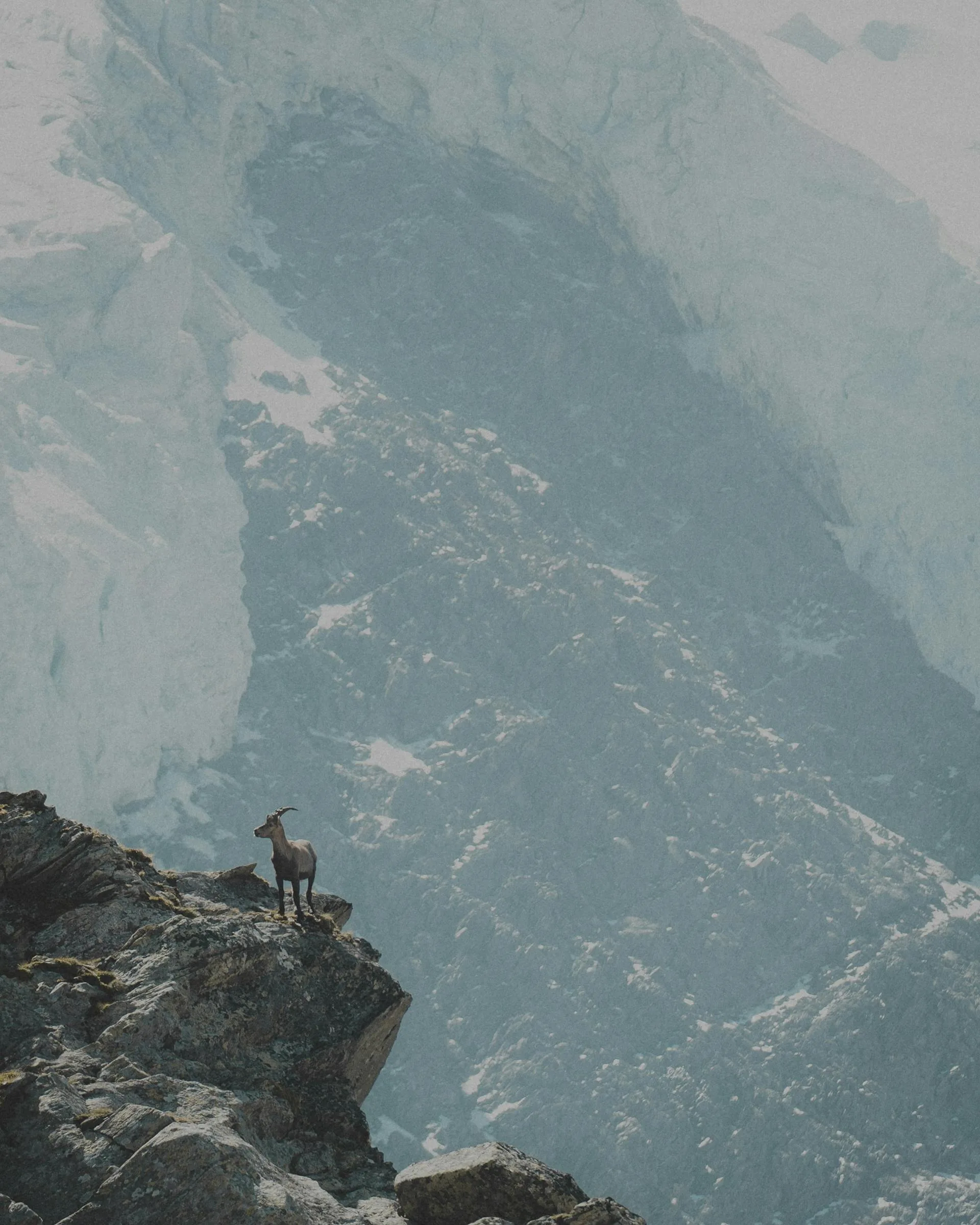
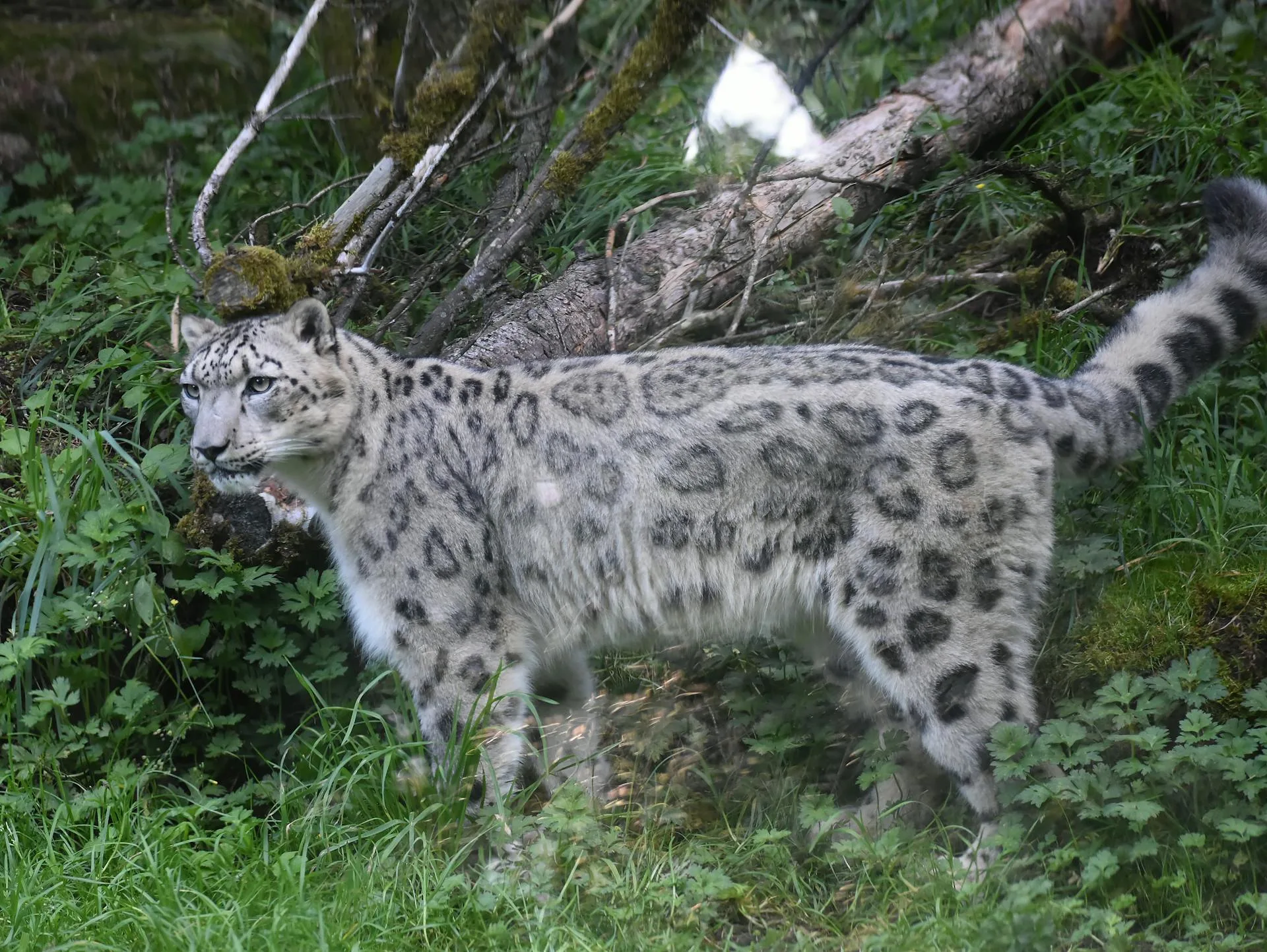
The park protects a huge sweep of high Karakoram between the KKH and the Chinese border, and it holds one of the highest densities of snow leopard in the region. That said, a sighting is luck, not a product, and we will not promise one. What you can realistically expect is to see habitat and sign: snow leopard scrapes that the tracker reads off the ground, ibex on the slopes, blue sheep in the Shimshal area, and the occasional Marco Polo sheep near the frontier. Himalayan ibex number in the thousands here, so the chance of seeing them is genuinely good.
The walking is easy to moderate, typically 10 to 18 km a day at altitudes between about 3,200 m and 4,600 m, with acclimatisation built in rather than long technical days. Our guides include trained wildlife trackers who read scrapes, trails and droppings, and the days are paced for watching and learning rather than covering ground. Wakhi families host us in their homes along the way, and their knowledge of the animals, built over generations of living among them, is as much a part of the trip as the trekking.
Our itinerary runs 9 days from Islamabad and back, combining day walks in the Shimshal Pamir margins with a KKH journey to the Khunjerab Pass. For a focused road trip to the frontier itself, with less walking and more time at the pass, see our Khunjerab Pass tour.
What You Will Realistically See
Himalayan and Siberian ibex are the wildlife you are most likely to spot, with well over a thousand in the park and frequent sightings on slopes like the Furzeen Gar pastures. Blue sheep show up around the Shimshal side, and Marco Polo sheep, whose range only just crosses into Pakistan, are an occasional treat near the border. Brown bear and Tibetan wolf are present but rarely seen.
Snow leopard is the headline animal and the honest reality is that you track sign rather than expect the cat. Khunjerab holds one of the highest densities in the region, yet sightings are very rare and down to luck. Our trackers will show you scrapes, prints and kill sites, and explain how the camera-trap surveys work, so you leave understanding the predator's world even if it stays unseen, which it almost certainly will.
Day-by-Day Itinerary
1Islamabad to Gilgit
Islamabad to Gilgit
2Gilgit to Karimabad
Gilgit to Karimabad
3Karimabad to Passu
Karimabad to Passu
4Passu to Shimshal Valley
Passu to Shimshal Valley
5Wildlife Walk to Furzeen Gar
Wildlife Walk to Furzeen Gar
6Furzeen to Shujerab Pasture
Furzeen to Shujerab Pasture
7Return to Shimshal and Khunjerab Pass Drive
Return to Shimshal and Khunjerab Pass Drive
8Sost to Passu to Gilgit
Sost to Passu to Gilgit
9Gilgit to Islamabad
Gilgit to Islamabad
Best Time to Visit Khunjerab
Late spring to autumn is the window, roughly when the KKH and the Khunjerab Pass are open, since winter snow closes the pass. Summer gives the most reliable access and the warmest walking at altitude, while early autumn brings clearer air and lower river levels. Wildlife is most active around dawn and dusk, so our walks are timed early rather than built around midday distances.
Permits, Fees and Getting There
Entry is via a Khunjerab National Park ticket, collected at the park gate near Sost on the KKH; rates are modest and higher for foreigners than nationals, and we confirm the current figure before you travel. The Khunjerab Villagers Organization and Wakhi communities are involved in the wildlife side. Access is by road: Islamabad to Hunza, then up to Sost and the park, with the side-valley walks reached by jeep and on foot.
Altitude, Fitness and What to Pack
The trekking is easy to moderate, but altitude is the thing to respect. The road gain to the Khunjerab Pass is rapid and can bring on mountain sickness, so we build acclimatisation into the lower days and watch everyone closely. Bring comfortable walking boots, binoculars for the wildlife, warm layers for cold mornings even in summer, and sun protection. We arrange homestays, transport, guides and park logistics.
Why Book With Us
We have run trips in Gilgit-Baltistan since 2015, and on this one we pair you with trained Wakhi wildlife trackers who actually live in the park's valleys and read its animal sign daily. We keep groups small and the pace honest: we tell you up front that this is a wildlife and eco trek, that ibex and blue sheep are likely but a snow leopard sighting is rare luck, and that the value is in the ecology and the homestays. We would rather set true expectations than oversell a cat you will probably never see.
What's Included
Not Included
Frequently Asked Questions
Is the Khunjerab trek a real trek?
Will I see a snow leopard in Khunjerab?
What wildlife can I actually expect to see?
How hard is the Khunjerab wildlife trek?
How high is the Khunjerab Pass?
What is the best time to visit Khunjerab?
Do I need a permit for Khunjerab National Park?
How is this different from the Khunjerab Pass tour?
Ready for Your Next Adventure?
Join our community of explorers and discover the journey of a lifetime. Our expert team is ready to help you plan your perfect expedition.