2026 Chilam Joshi 节庆之旅 — Kalash 山谷,Chitral | Go With Guide
Home
All Tours Cultural Tours Family Holidays Luxury Tours Camping Road Trips
K2 Treks Trending Treks High Passes Trekking Holidays All Treks
8000m Peaks 7000m Peaks 6000m Peaks High Passes
Cycle Touring Eco Tourism Motorcycle Touring Mountain Passes Festivals of Pakistan Ibex Hunting Snow Leopard International Travelers
About Us Vehicles Contact FAQs
Plan Your TripExplore Tours
🇺🇸 English
🇷🇺 Русский
🇫🇷 Français
🇨🇳 中文
🇯🇵 日本語
🇹🇭 ไทย
🇮🇹 Italiano
🇻🇳 Tiếng Việt
🇲🇾 Bahasa Melayu
Kalash women in ceremonial dress dancing at the Chilam Joshi spring festival in Chitral
Back to Tours
Festival Chitral

Chilam Joshi Festival

Kalash Spring Festival · 13–16 May, Chitral Valleys

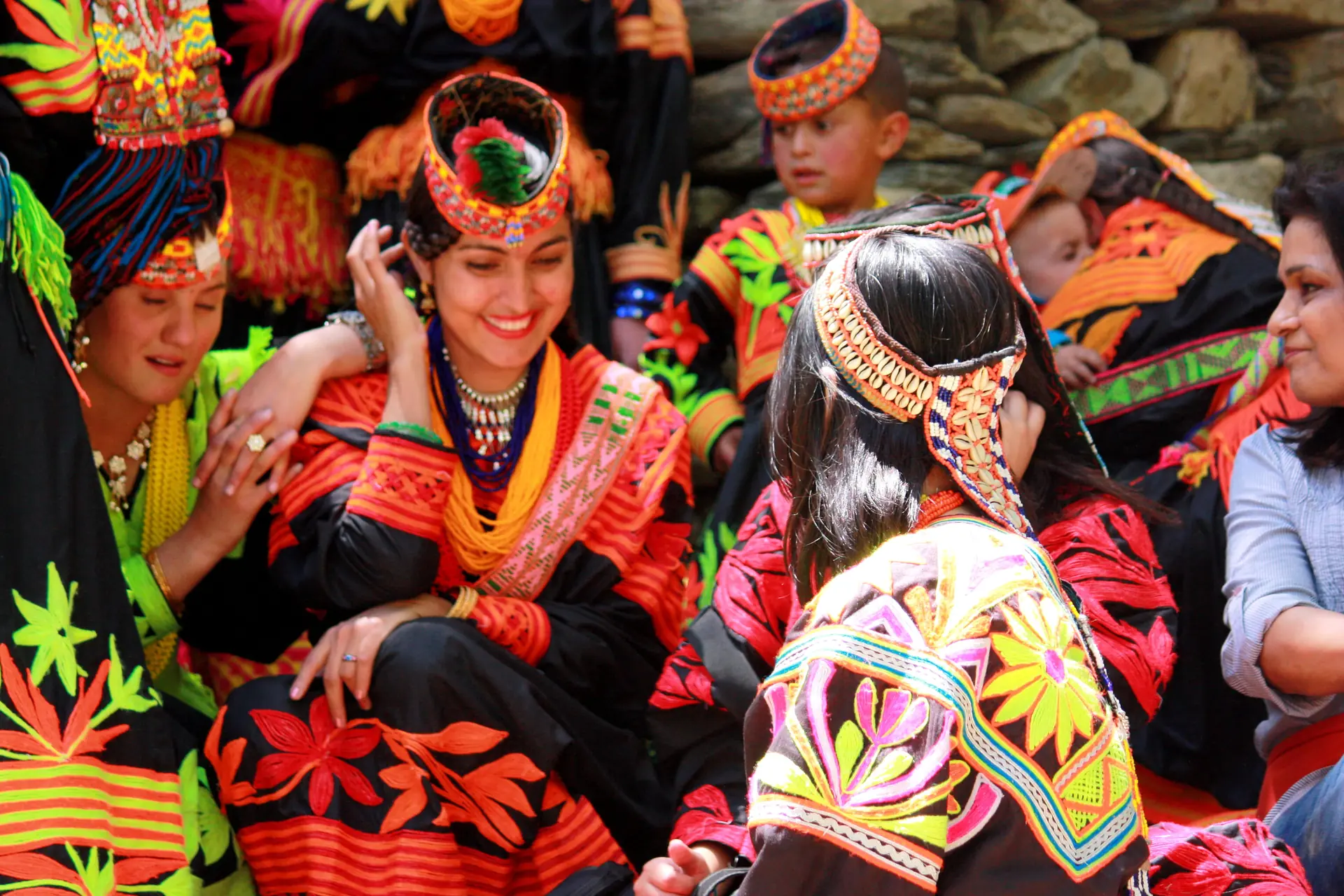
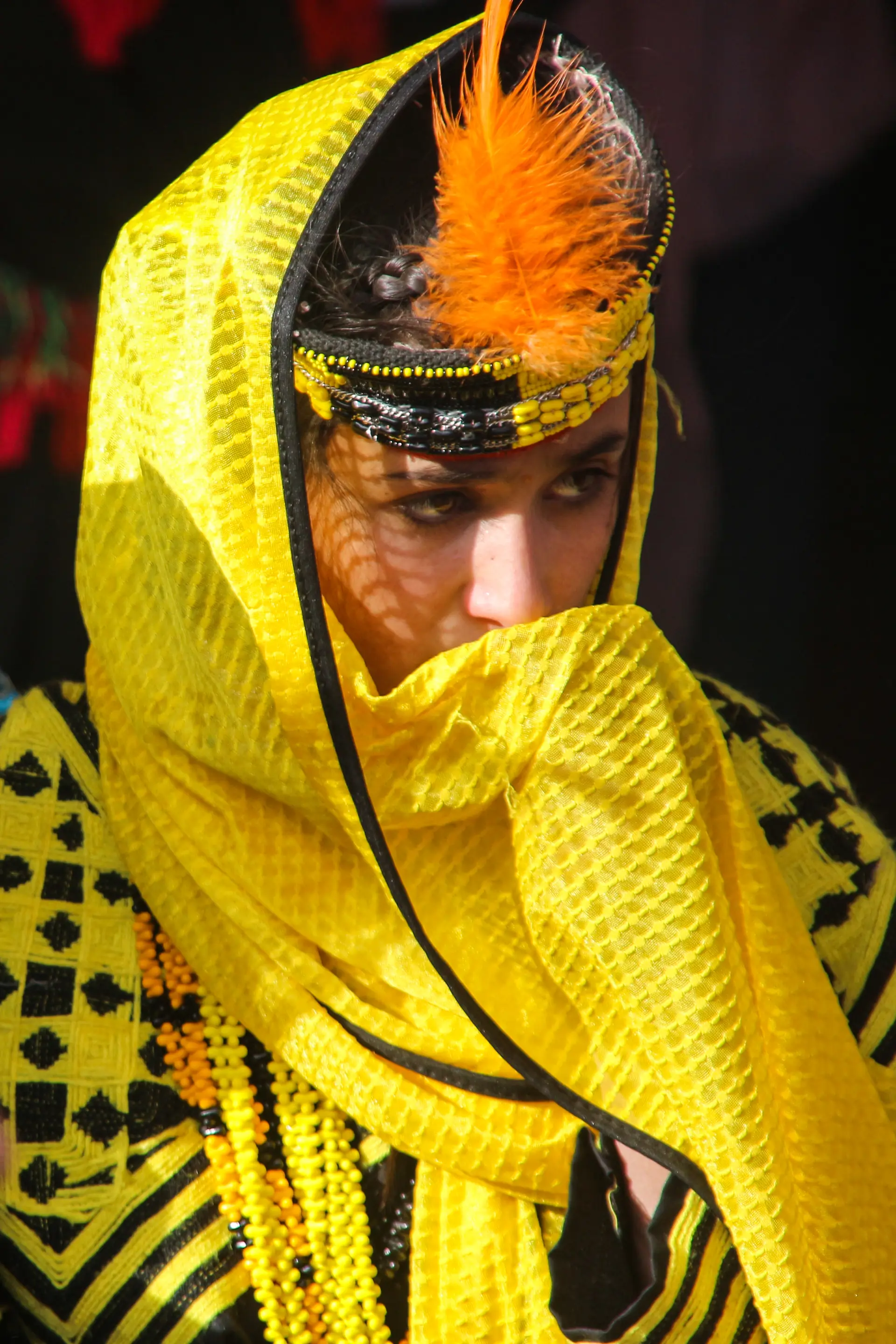
Kalash woman wearing the cowrie-shell kupas headdress and beaded dress at Chilam Joshi
Festival crowd gathered at a Kalash dancing ground in the Bumburet valley
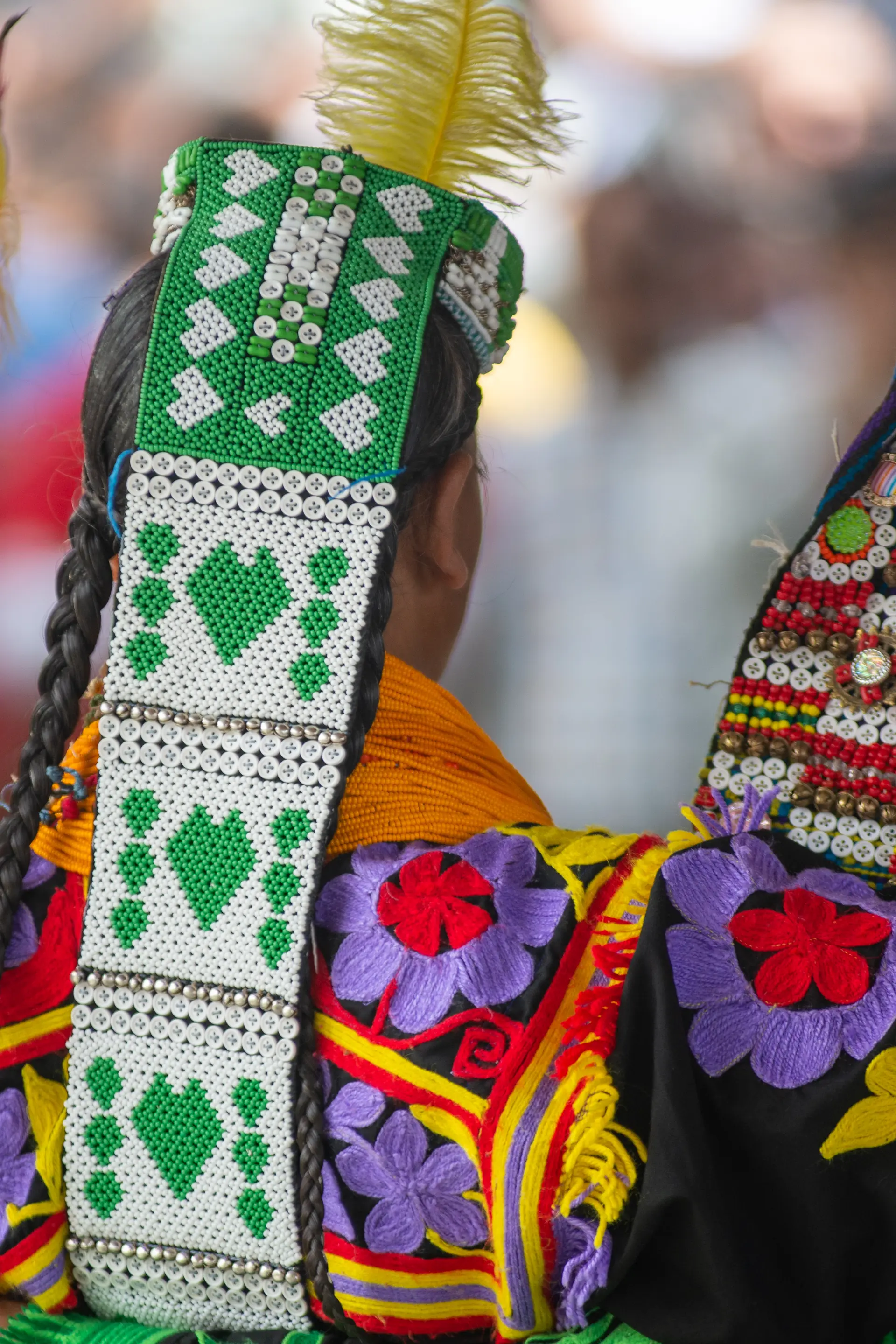
Embroidered headdress and colourful robes of a Kalash dancer at the spring festival
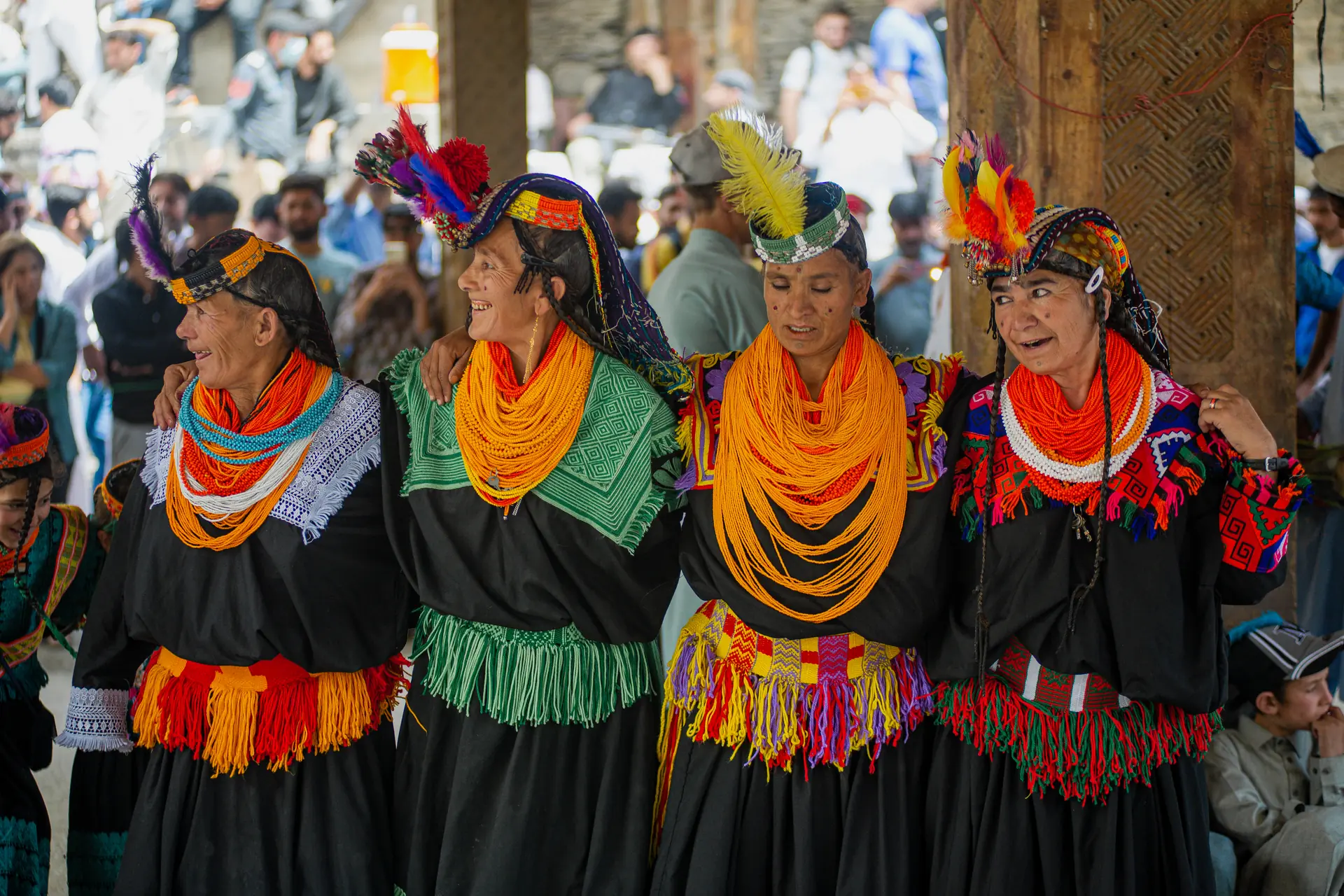
Kalash women performing the linked-arm circle dance at Chilam Joshi
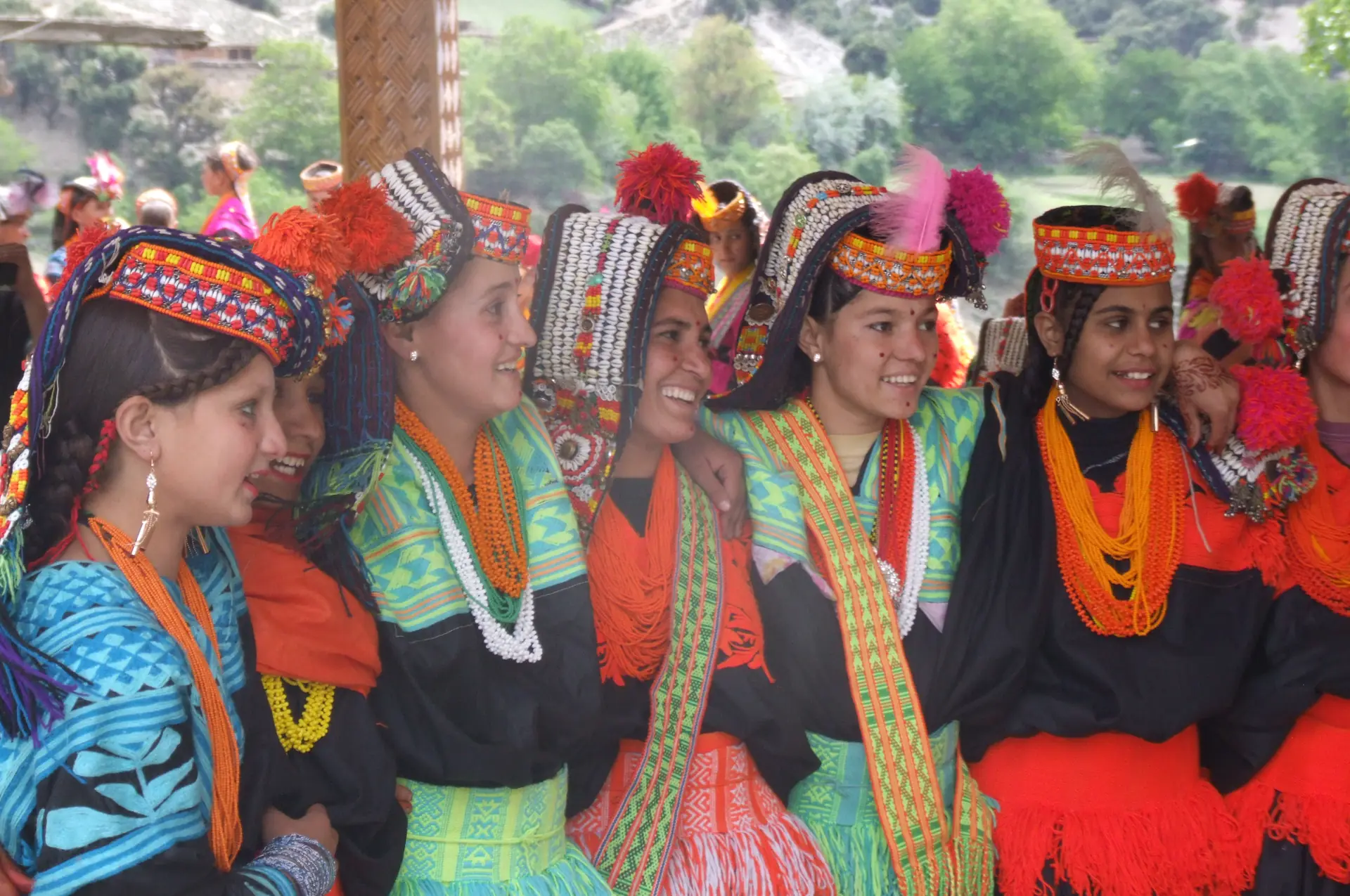
Dancers and drummers celebrating Chilam Joshi in the Kalash valleys of Chitral

Duration

5–7 Days

Difficulty

Easy

Group Size

2–10 people

Best Season

13–16 May (festival window)

About This Tour

Every May, when the snow line retreats up the Hindu Kush and the irrigation channels start running full, the Kalash people of Chitral hold Chilam Joshi, the spring festival that opens their ritual year. Around 4,000 Kalash still practise their ancient polytheistic religion, the last community in the region to do so, and for four days in mid-May their three valleys of Bumburet, Rumbur and Birir fill with drumming and circle dances, and the guesthouses smell of walnut bread baking for the purification rites.

The festival welcomes spring and asks the deity Goshidai to protect the herds before they move to the high pastures. It is also, quite openly, a courtship festival. Young men and women dance side by side, declare their feelings in song, and matches made during Joshi are announced at its close. Women wear the black piran robe with heavy bead necklaces, the everyday susutr headband, and over it the kupas, a ceremonial headdress sewn with cowrie shells and buttons. If you have seen one photograph from northern Pakistan, it was probably of a woman wearing one.

A romantic legend ties the Kalash to the soldiers of Alexander the Great. Genetic research has found no evidence for it; their roots are far older, an ancient Indo-Aryan lineage that held on in these closed valleys long after the surrounding region converted. What is real, and verified, is their solar calendar: Suri Jagek, the Kalash practice of reading the sun against the ridgelines to fix sowing dates and festivals, was inscribed by UNESCO in 2018 as intangible cultural heritage in need of urgent safeguarding.

Our guided tour runs 5 to 7 days from Islamabad, times your arrival to the festival's main dancing days, and lodges you in Kalash-run guesthouses in Bumburet and Rumbur so that your money stays in the community whose festival you came to see.

When Is Chilam Joshi? Festival Dates 2026

Chilam Joshi runs 13 to 16 May 2026. The dates hold steady from year to year because the Kalash calendar is solar, set by elders observing the sun through Suri Jagek, though the exact opening day can shift by a day or two on their word. Celebrations build valley by valley over the four days, with the biggest crowds at the dancing grounds of Bumburet and the most intimate ceremonies in Rumbur and Birir. We confirm the final schedule with our contacts in the valleys about two weeks out and adjust the itinerary so you are standing at the right dancing ground on the right afternoon.

What Happens at Chilam Joshi

The festival opens quietly. Children spend a day gathering bisha, a yellow mountain flower, from the hillsides (Pushen Parik). The next night, around 3 a.m., they carry the flowers to the Jestak Han, the temple of the goddess of family and lineage, strip last year's decorations and dress the carved wooden pillars with fresh blooms and walnut branches, one for each clan.

Then come the purification days, and each valley keeps its own. In Rumbur, Gul Parik blesses the mothers and the babies born since the winter solstice, with sacred walnut bread baked from purified flour. In Bumburet, girls carry goat's milk that has been set aside for ten days and pour it out as a libation over the shrines: the milk rite that gives Chilam Joshi its name.

The last days belong to the dancing. Satak Joshi, the small festival, builds into Gonna Joshi, the big one: hours of linked-arm circle dances to drum rhythms, the fast cha songs alternating with slow dushak laments, walnut branches thrown over the crowd in the Gandori rite. The festival closes with Daginai, a tragic love song performed by a chain of dancers joined hand to hand by a cloth. Visitors are welcome at the dancing grounds throughout, and your guide will tell you when to watch, when to join, and when to put the camera down.

Day-by-Day Itinerary

1

Islamabad to Chitral

Fly to Chitral (about 50 minutes) or drive the full day, roughly 10 to 12 hours through Swat and the 10.4 km Lowari Tunnel. The flight is weather dependent and runs only a few days a week, so we always hold a road plan in reserve. Evening briefing on festival etiquette in Chitral town (1,500 m).
2

Chitral to Bumburet Valley

Foreigner registration at the checkpoint, then 36 km up a river gorge to Bumburet (2,000 m), the widest of the three valleys, about two hours by jeep. Settle into a Kalash guesthouse in Brun village. First informal dances often start this evening.
3

Bumburet, Festival Opening

Morning at the Jestak Han temple to see the flower decorations, afternoon at the dancing ground as the first drum circles form. Walnut bread and the chance to try Kalash mulberry wine with your host family.
4

Bumburet, Milk Ritual Day

The Chirik Pipi milk libation in the morning, then the main dancing builds through the afternoon. This is the day the valley is fullest; we walk between villages rather than drive.
5

Rumbur Valley

A short jeep stage to the narrower, quieter Rumbur valley and the village of Grom (2,200 m). Gul Parik blessing rites, smaller crowds, and evening dances where guests are often pulled into the circle.
6

Birir and the Festival Climax

Either south to Birir (1,900 m), the most traditional of the three valleys, or back to wherever Gonna Joshi peaks that year; the schedule firms up locally and your guide tracks it. Closing Daginai song at dusk, then return to Chitral town for the night.
7

Chitral to Islamabad

Morning at Chitral Fort and the Shahi Mosque if time allows, then fly or drive back to Islamabad.

Getting There: Islamabad to the Kalash Valleys

There are two ways in. PIA resumed the Islamabad to Chitral flight in 2025, a 50-minute hop over the Lowari Pass, but it operates only limited days and cancels readily in cloud. The road is the dependable option: motorway to Chakdara, then up through Dir and the Lowari Tunnel, 10 to 12 hours door to door. From Chitral town the valleys are 36 km of unpaved jeep track, around two hours. No NOC is currently required for foreigners, but you register your passport at checkpoints and pay a small valley entry fee that funds Kalash community projects. Rules change in this region. We check the current requirements before every departure and handle the paperwork within the tour.

Who This Tour Is For

This is a cultural tour, not a trek. The walking is village strolling at 1,900 to 2,200 m, fine for any reasonable fitness level and good for families with curious kids. Photographers get the densest subject matter in Pakistan, with one firm rule covered below. Expect dust, drum noise and packed guesthouses. Meals are walnut bread, beans and river trout rather than hotel buffets, and the festival belongs to the people holding it; you are a guest at it, not its audience.

If you want the Kalash valleys without festival crowds, our Kalash Valley Cultural Experience runs the same route in quieter months, and our Kalash Festival tour covers the summer Uchal and winter Choimus festivals as well.

Visiting Responsibly

Chilam Joshi now draws thousands of domestic visitors into valleys that are home to about 4,000 people, and the Kalash carry the cost of that attention. We follow rules our hosts set. Always ask before photographing anyone, especially women; many will say yes at the dancing ground and no elsewhere, and both answers stand. Some rites are closed to outsiders, and your guide will say so plainly. We lodge in Kalash-owned guesthouses and hire local hosts and drivers where we can. Groups stay at ten or fewer. Skip the flash during rituals and give the dancers room.

Why Book With Us

We have run festival departures to the Kalash valleys since 2015, hold long-standing relationships with guesthouse families in Brun and Grom, and confirm ritual schedules through people who live there rather than last year's blog posts. Licensed operator, 4WD vehicles on the valley tracks, and a guide who knows when the milk rite starts because his host family is pouring it.

What's Included

Airport/hotel transfers in Islamabad and Chitral
All ground transport in 4WD vehicles
Accommodation throughout (Kalash guesthouses and Chitral hotel)
All meals during the tour (breakfast, lunch, dinner)
English-speaking guide with expertise in Kalash culture
Festival entry and community access fees

Not Included

International flights
Travel insurance
Personal expenses and tips

Frequently Asked Questions

When is the Chilam Joshi festival in 2026?

13 to 16 May 2026. The Kalash solar calendar keeps it in mid-May every year, though elders can shift the opening by a day or two. We reconfirm dates with the valleys two weeks before departure.

Can tourists attend Chilam Joshi?

Yes. The dancing grounds are open to visitors and the Kalash are practised, welcoming hosts. A handful of purification rites are for the community only, and your guide will tell you which.

What actually happens at the festival?

Four days of rites in sequence: flower decoration of the Jestak Han temple, purification of mothers and newborns, a goat's-milk libation, then massed circle dancing that builds to the Gonna Joshi climax and the Daginai closing song.

Do I need a permit or NOC for the Kalash valleys?

No NOC at present. Foreigners register passports at checkpoints en route and pay a small community entry fee at the valley gate. Both are handled within the tour.

Where is the festival held?

Across all three Kalash valleys: Bumburet (biggest, busiest), Rumbur (most intimate) and Birir (most traditional). Our itinerary covers at least two.

How do I get there from Islamabad?

A 50-minute flight to Chitral when it operates, or a 10 to 12 hour drive via the Lowari Tunnel. Then 36 km of jeep track from Chitral to Bumburet. We book the flight and keep a road backup.

Is the festival safe to visit?

Yes. Chitral is one of Pakistan's calmest districts and the valleys see thousands of visitors each May. The realistic concerns are mountain-road travel and festival crowds, both managed by experienced drivers and a guide.

Can I photograph the Kalash people?

With permission, usually yes, especially during the public dances. Photographing women without asking is the single biggest cause of friction at the festival. Ask first, and accept a refusal without arguing.

From

$1,200

per person

* Prices may vary. Contact us for accurate, customized pricing.

Duration5–7 Days
DifficultyEasy
Group Size2–10 people
Best Season13–16 May (festival window)
Max Altitude1,900–2,200 m
Book This Tour Ask a Question

Free cancellation up to 30 days before departure

Ready for Your Next Adventure?

Join our community of explorers and discover the journey of a lifetime. Our expert team is ready to help you plan your perfect expedition.