Gasherbrum Base Camp Trek: the Baltoro to Hidden Peak
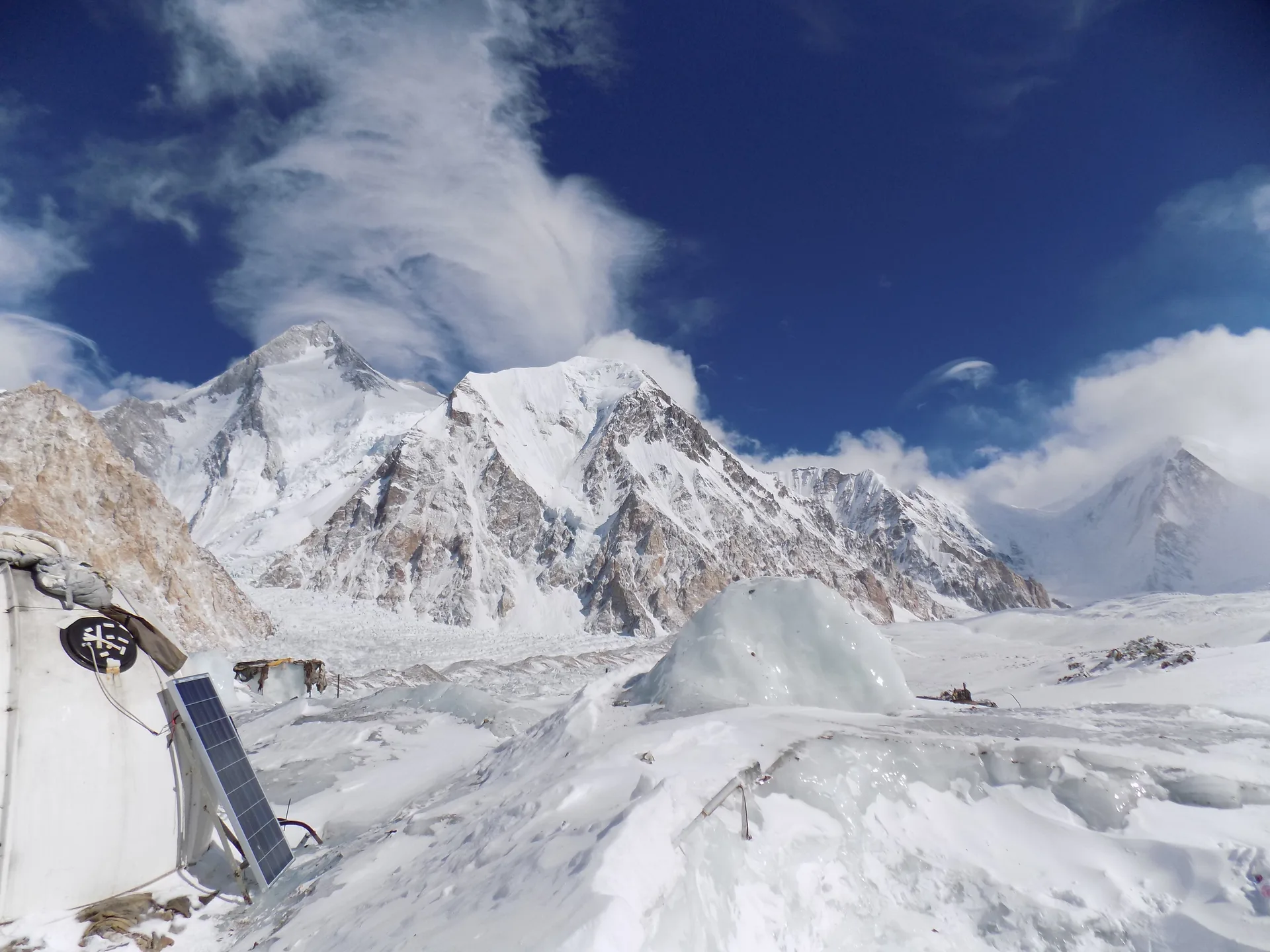
Eight walking days from Askole up the Baltoro glacier, past Concordia and up the Abruzzi glacier to Gasherbrum Base Camp (about 5,000 m)
The Gasherbrum Base Camp trek is a challenging 14-day walk from Askole (3,015 m) up the Baltoro and Abruzzi glaciers to the base camp of Gasherbrum I (8,080 m) and Gasherbrum II (8,035 m) at about 5,000 m: 102 km each way, June to September. Our trip is 20 days from Islamabad, from US$3,100.
Last updated: · Reviewed by Javeed Iqbal, Founder
About This Tour
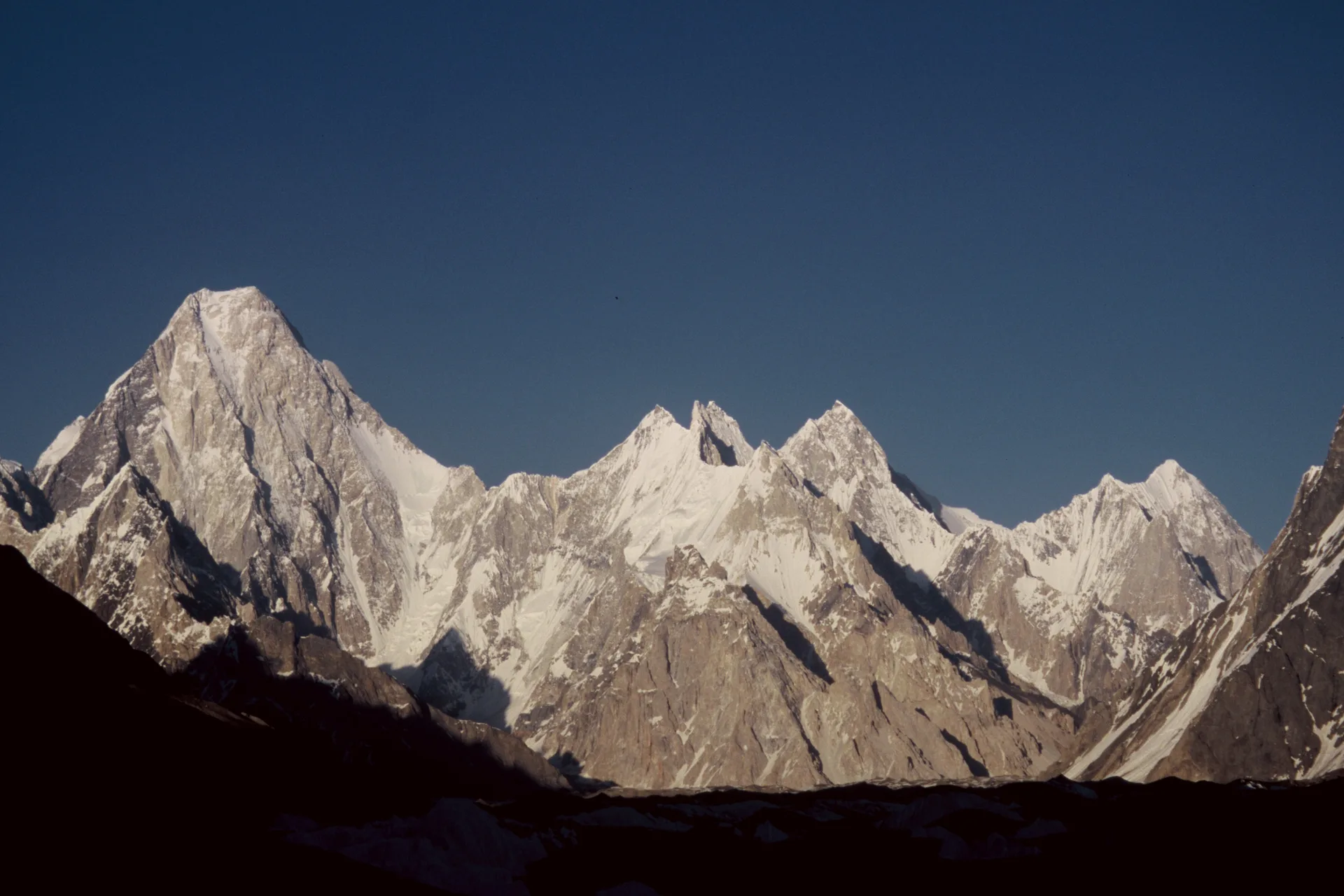
At Concordia almost every trekker turns north up the Godwin-Austen glacier to K2. This trek turns east instead, up the upper Baltoro and around Gasherbrum Corner onto the Abruzzi glacier, to the base camp that Gasherbrum I and Gasherbrum II share at about 5,000 m. Two 8,000 m peaks stand over the camp, and in summer you share it with the expeditions climbing them.
It is the Baltoro's quieter branch. The first seven days are the classic K2 approach from Askole past Paiju, Urdukas and Goro II, with the Trango Towers, Masherbrum and Gasherbrum IV along the way. Beyond Concordia the crowds thin out: two more days on the ice, a night at Shagring, and you are at the foot of Hidden Peak, with the South Gasherbrum icefall coming down beside the tents.
Our trip is 20 days from Islamabad. We fly to Skardu, drive to Askole, walk in over nine days with a rest day at Paiju, spend a night at Gasherbrum Base Camp and walk out in five. A licensed guide, a cook and a full porter team carry the camp, so you walk with a day pack.
No ropes or climbing skills are needed to reach base camp. It is a long, cold, remote trek on glacier moraine at real altitude, so we run it with small groups and a guide who has walked the upper Baltoro many times. Want to climb? See our Gasherbrum II expedition
| Location | Baltoro glacier, Shigar District, Gilgit-Baltistan, Pakistan, inside the Central Karakoram National Park. |
|---|---|
| Route | Askole, Jhola, Paiju, Khoburtse, Urdukas, Goro II, Concordia, Shagring and the Abruzzi glacier to Gasherbrum Base Camp, then back the same way. |
| Distance | 102 km each way from Askole to Gasherbrum Base Camp, about 204 km on foot in all. |
| Altitudes | Askole 3,015 m; Paiju about 3,400 m; Concordia about 4,600 m; Shagring about 4,850 m; Gasherbrum Base Camp about 5,000 m (highest point). |
| Walking days | Fourteen, including a rest day at Paiju. 20 days from Islamabad to Islamabad. |
| Grade | Challenging. No climbing to base camp, but long days on glacier moraine at altitude. |
| Season | June to September; July and August are the most reliable. |
| Group size | Minimum five, maximum twelve trekkers. |
| Permits | Restricted zone: trekking permit, Pakistan trekking visa and park fees. We arrange all of them. |
| Price | From US$3,100 per person for a group of five or more, Islamabad to Islamabad. |
Curated Program
Day-by-Day Itinerary
All Transfers & Permits Included
1Arrive in Islamabad
Arrive in Islamabad
- Meet your guide
- Hotel night
2Fly to Skardu
2,230 m
Fly to Skardu
- Flight option
- Hotel night
3Skardu to Askole (3,015m)
3,015 m
Skardu to Askole (3,015m)
- Jeep road
- Porter team
4Askole to Jhola (3,200m)
3,200 m
Askole to Jhola (3,200m)
- Trekking day
- Night in camp
5Jhola to Paiju (3,400m)
3,400 m
Jhola to Paiju (3,400m)
- Trekking day
- Night in camp
6Rest Day at Paiju
3,400 m
Rest Day at Paiju
- Rest day
- Acclimatisation
7Paiju to Khoburtse (3,560m)
3,560 m
Paiju to Khoburtse (3,560m)
- Trekking day
- Glacier
8Khoburtse to Urdukas (4,130m)
4,130 m
Khoburtse to Urdukas (4,130m)
- Trekking day
- Viewpoint
9Urdukas to Goro II (4,300m)
4,300 m
Urdukas to Goro II (4,300m)
- Trekking day
- Glacier
10Goro II to Concordia (4,600m)
4,600 m
Goro II to Concordia (4,600m)
- Trekking day
- Viewpoint
11Concordia to Shagring (about 4,850 m)
4,850 m
Concordia to Shagring (about 4,850 m)
- Trekking day
- Glacier
12Shagring to Gasherbrum Base Camp (about 5,000 m)
5,000 m
Shagring to Gasherbrum Base Camp (about 5,000 m)
- Base camp
- Viewpoint
13Gasherbrum Base Camp to Concordia
4,600 m
Gasherbrum Base Camp to Concordia
- Trekking day
- Glacier
14Concordia to Goro II
4,300 m
Concordia to Goro II
- Trekking day
- Night in camp
15Goro II to Khoburtse
3,560 m
Goro II to Khoburtse
- Trekking day
- Night in camp
16Khoburtse to Paiju
3,400 m
Khoburtse to Paiju
- Trekking day
- Night in camp
17Paiju to Askole, jeep to Skardu
2,230 m
Paiju to Askole, jeep to Skardu
- Trekking day
- Jeep road
18Spare day in Skardu
2,230 m
Spare day in Skardu
- Buffer day
- Fort visit
19Fly Skardu to Islamabad
Fly Skardu to Islamabad
- Flight option
- Road transfer
20Departure from Islamabad
Departure from Islamabad
| Day | Stage | Walking time | Night |
|---|---|---|---|
| 4 | Askole to Jhola | 6 to 7 h | Jhola, about 3,200 m |
| 5 | Jhola to Paiju | 6 to 7 h | Paiju, about 3,400 m |
| 6 | Rest day at Paiju | Short walks | Paiju, about 3,400 m |
| 7 | Paiju to Khoburtse, onto the Baltoro | 6 to 7 h | Khoburtse, about 3,560 m |
| 8 | Khoburtse to Urdukas | 4 to 5 h | Urdukas, about 4,130 m |
| 9 | Urdukas to Goro II | 6 to 7 h | Goro II, about 4,300 m |
| 10 | Goro II to Concordia | 4 to 5 h | Concordia, about 4,600 m |
| 11 | Concordia to Shagring, upper Baltoro | 5 to 6 h | Shagring, about 4,850 m |
| 12 | Shagring to Gasherbrum Base Camp | 3 to 4 h | Gasherbrum Base Camp, about 5,000 m |
| 13 | Gasherbrum Base Camp to Concordia | 7 to 8 h | Concordia, about 4,600 m |
| 14 | Concordia to Goro II | 4 to 5 h | Goro II, about 4,300 m |
| 15 | Goro II to Khoburtse | 6 to 7 h | Khoburtse, about 3,560 m |
| 16 | Khoburtse to Paiju | 5 to 6 h | Paiju, about 3,400 m |
| 17 | Paiju to Askole, jeep to Skardu | 7 to 8 h + drive | Hotel in Skardu |
Gasherbrum Base Camp Trek Guide
The Route: Askole, the Baltoro, Concordia and the Abruzzi Glacier
From Skardu the jeep follows the Shigar and Braldu valleys to Askole at about 3,015 m, the last village. The first walking days go through the Braldu gorge to Jhola and Paiju, then onto the Baltoro glacier past Khoburtse, Urdukas and Goro II to Concordia at about 4,600 m, the meeting point of the Baltoro and Godwin-Austen glaciers.
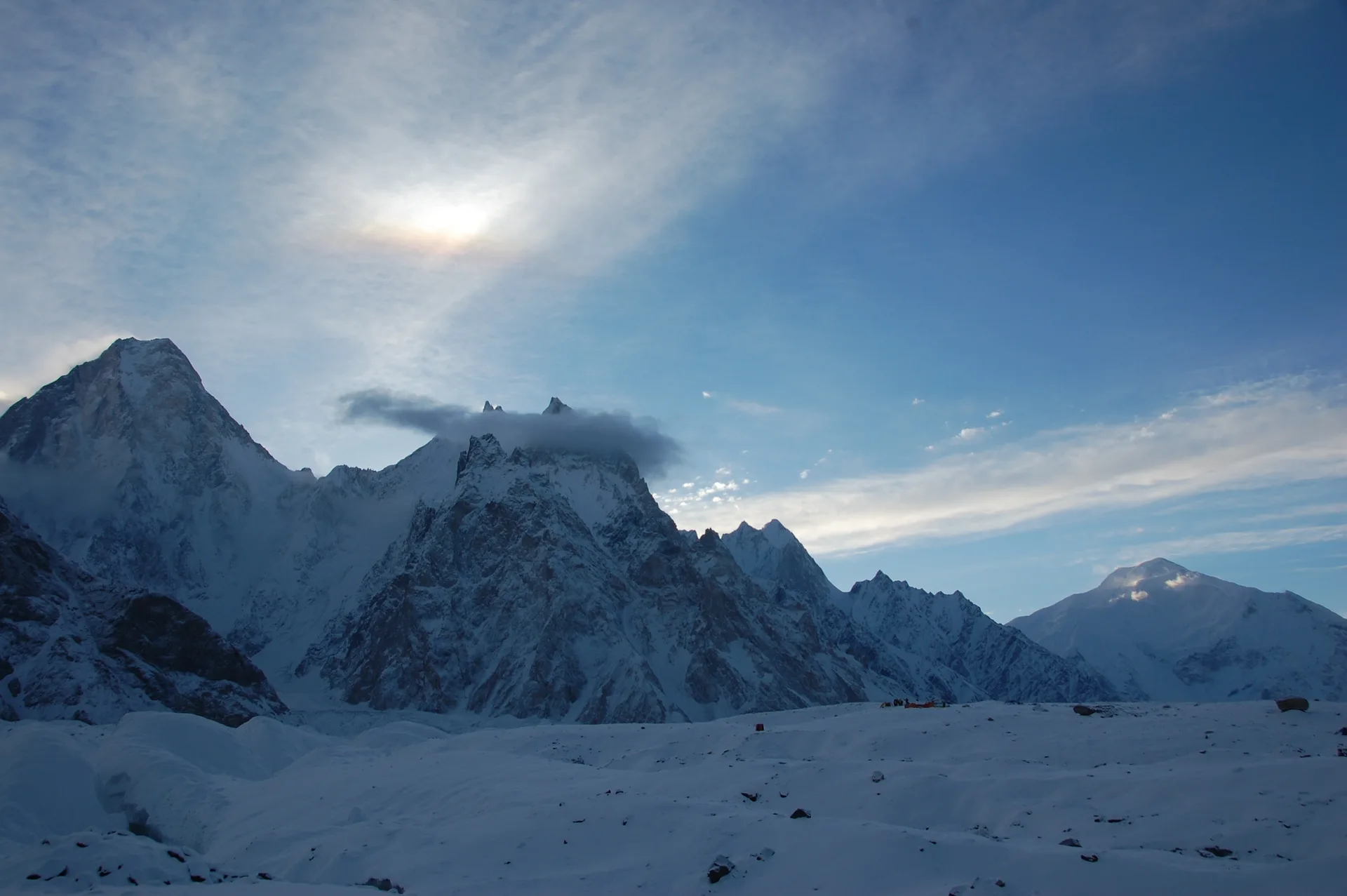
At Concordia the K2 route turns north. Ours turns east up the upper Baltoro, with Gasherbrum IV on the left, to Shagring at about 4,850 m. The next morning you round Gasherbrum Corner, where the Abruzzi glacier comes in from the north, and follow its moraine to Gasherbrum Base Camp at about 5,000 m.
From Askole to Gasherbrum Base Camp is 102 km. Concordia to base camp is the last 20 km or so, and you walk back to Concordia in one long day before taking the usual Baltoro stages out.
How Hard Is the Gasherbrum Base Camp Trek?
It is a challenging trek, harder than K2 Base Camp only because it is longer and spends more nights above 4,500 m. You need no ropes, crampons or climbing experience to reach base camp. Most days are six to seven hours on rough glacier moraine, where every step is on loose rock, and the cold at Shagring and base camp is real even in July.
You gain almost 2,000 m between Askole and base camp, spread over nine days with a rest day at Paiju, which suits most fit trekkers. You should have walked above 4,000 m before, be comfortable with two weeks in tents, and train for two to three months with long hill days carrying a pack.
Where Is Gasherbrum Base Camp?
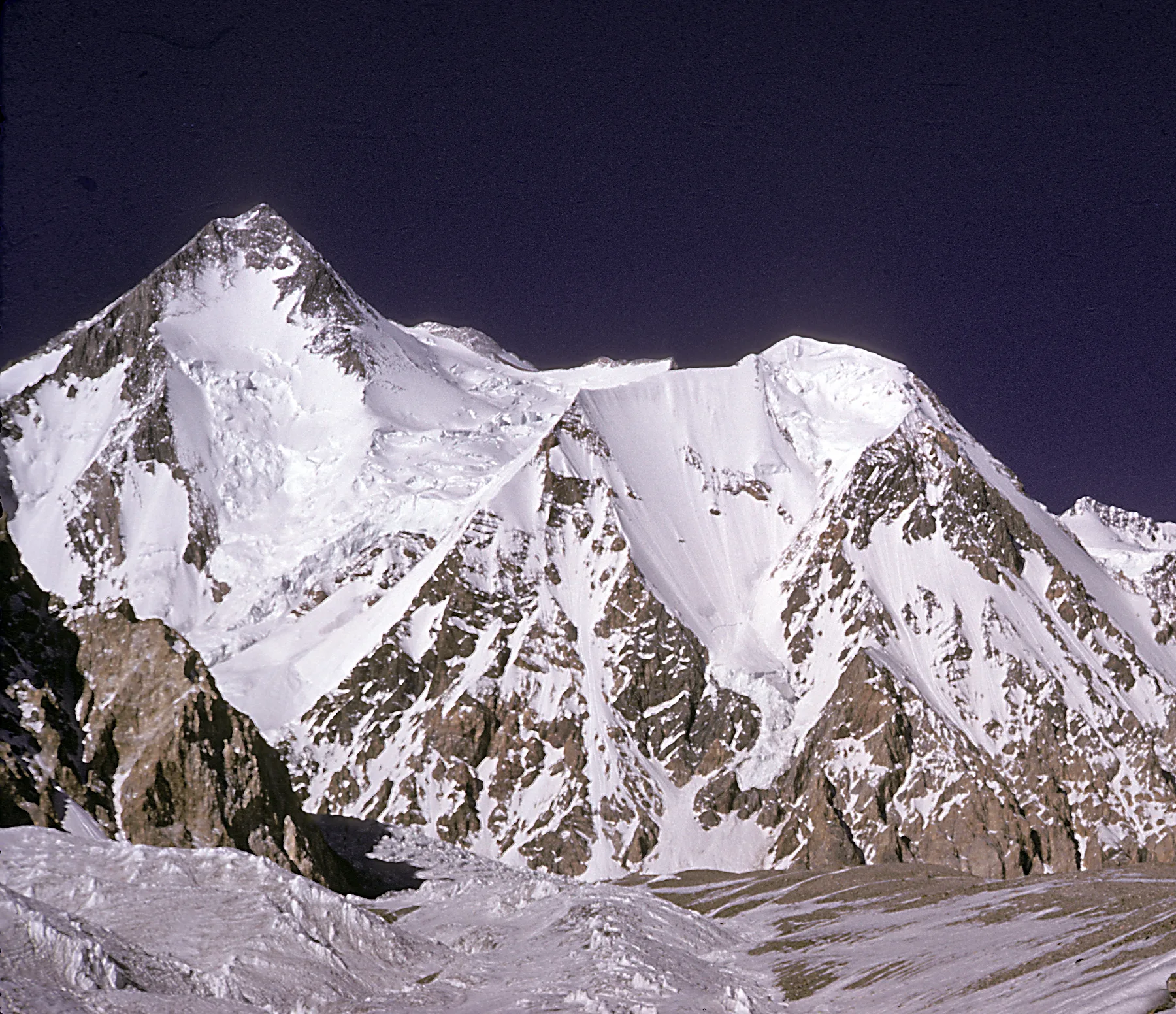
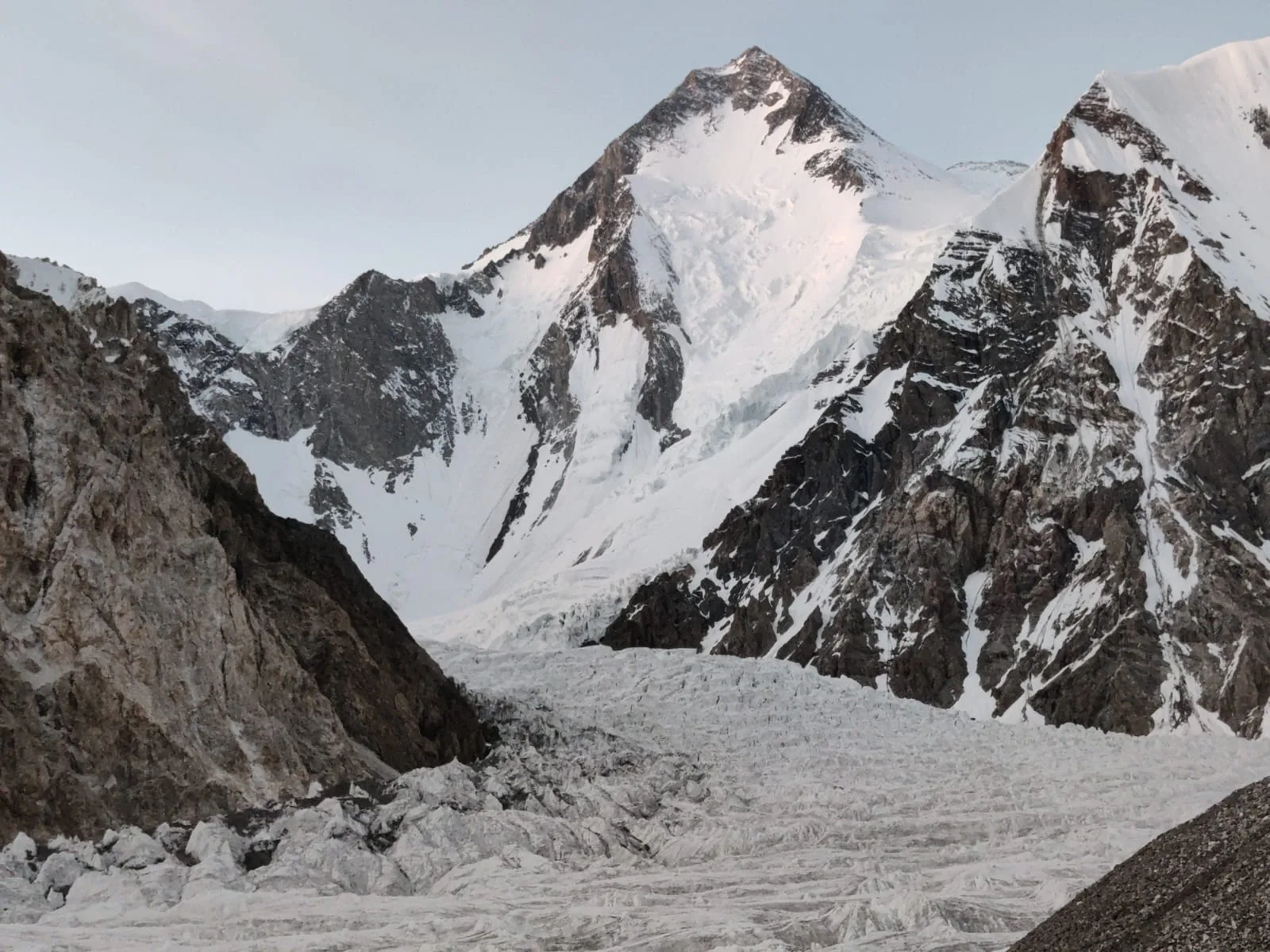
Gasherbrum Base Camp lies on the moraine of the Abruzzi glacier, at the head of the Baltoro in Shigar District of Gilgit-Baltistan, close to the border with China. It is the shared base camp of Gasherbrum I (8,080 m), the 11th highest mountain on Earth, and Gasherbrum II (8,035 m), the 13th highest. Both are climbed from here every summer.
Published altitudes for the camp run from about 5,000 to 5,300 m, because expeditions pitch their tents at different points on the glacier. Our trekking camp is at about 5,000 m. Above it the South Gasherbrum icefall leads to the climbers' advance base camp; that ground is crevassed and is not part of the trek.
What You See on the Way
The Baltoro shows you more big mountains in a week than almost any walk on Earth: the Trango Towers and the Cathedral spires from Khoburtse and Urdukas, Masherbrum from Goro II, and from Concordia K2, Broad Peak, Gasherbrum IV and Mitre Peak all at once.
On the upper Baltoro Gasherbrum IV, the "shining wall" that gave the group its name, rises straight above the ice, with Gasherbrum V and VI, Baltoro Kangri and Chogolisa ahead. At base camp Hidden Peak fills the view to the north and the icefall pours down beside you. In a busy season the camp is a small village of climbers' tents.
How We Run the Camps
Every night on the trek is in tents: sleeping tents with mattresses, a mess tent and a kitchen tent, plus a toilet tent at every camp and a shower tent with water heated by the kitchen. Our cook makes three meals a day, with supplies carried from Skardu, and all drinking water is boiled or filtered.
There is no mobile signal beyond Askole, so the guide carries a satellite phone, and we bring solar panels and power banks for charging. Porters carry up to 15 kg of your kit. If someone feels unwell at altitude, an assistant guide or porter walks them down while the group carries on, and a helicopter is called through your insurance if it is ever needed.
Extend It: K2 Base Camp and the Gondogoro La
Both base camps start from Concordia, so the easiest addition is a day trip to K2 Base Camp at about 5,150 m on the way back, which adds one day; our K2 Base Camp trek covers that route in detail. With good fitness and some crampon experience you can also leave the Baltoro over the Gondogoro La (5,585 m) to Hushe instead of walking back to Askole. Climbing Gasherbrum I or II is a separate expedition of six to eight weeks; see our Gasherbrum II expedition.
Why Book With Us
We are based in Gilgit-Baltistan and run the Baltoro every summer, with porters from the Braldu valley and guides who have walked the upper Baltoro many times. We keep a rest day at Paiju and a spare day in Skardu instead of squeezing the trip, we keep groups small, and we tell you plainly what two weeks on the glacier and a night at 5,000 m involve before you book.
Safety First
Certified guides, comprehensive insurance, and rigorous safety protocols on every expedition.
- Emergency protocols
- Medical support
- Satellite communication
Local Expertise
Our team includes local guides who know every trail, village, and hidden gem in the region.
- Born & raised locally
- Cultural ambassadors
- Language fluency
Curated Experiences
Each journey is carefully designed to balance adventure, culture, and authentic encounters.
- Handpicked routes
- Hidden gems
- Authentic stays
Sustainable Travel
Committed to responsible tourism that benefits local communities and preserves nature.
- Community support
- Leave no trace
- Carbon offset
Stories from Our Travelers
“We did a set of tours with Go Witu Guide, starting in Lahore and continuing in Shigar and Hunza Valley. Organisation was very good throughout. Knowledgeable guides. Fluent in English and all local languages. An excellent trip. Highly recommend using them.”“We just visited Pakistan and Javeed was our driver and tour guide for the Northern Pakistan leg which included Skardu, Gilgit and Hunza. We had an exceptional experience! Javeed is a very experienced driver, very knowledgeable about the area, easy to talk to and he went out of his way to show us sites at sunset. We highly recommend his services.”“Javeed Hunzai has been a wonderful guide, he identified exactly what I was looking for when even I did not know what I was in Hunza for, and showed me the best places to trek, and stop and absorb Nature. Highly recommend, 10/10. I came to Hunza with little idea of what I wanted to do or where I wanted to go, in upper Hunza alone, he showed me places I hadn't seen the last 4-5 times I had been to Hunza.”Frequently Asked Questions
Where is Gasherbrum Base Camp?
Where is Gasherbrum Base Camp?
How many days is the Gasherbrum Base Camp trek?
How many days is the Gasherbrum Base Camp trek?
How much does the Gasherbrum Base Camp trek cost?
How much does the Gasherbrum Base Camp trek cost?
How hard is the Gasherbrum Base Camp trek?
How hard is the Gasherbrum Base Camp trek?
What is the maximum altitude on the trek?
What is the maximum altitude on the trek?
What does Gasherbrum mean, and why is it called Hidden Peak?
What does Gasherbrum mean, and why is it called Hidden Peak?
Who first climbed Gasherbrum I and II?
Who first climbed Gasherbrum I and II?
Can I go beyond base camp to the advance base camp?
Can I go beyond base camp to the advance base camp?
Do I need a permit or a special visa for Gasherbrum Base Camp?
Do I need a permit or a special visa for Gasherbrum Base Camp?
When is the best time to trek to Gasherbrum Base Camp?
When is the best time to trek to Gasherbrum Base Camp?
Can I combine it with K2 Base Camp or the Gondogoro La?
Can I combine it with K2 Base Camp or the Gondogoro La?
Is the Gasherbrum Base Camp trek safe?
Is the Gasherbrum Base Camp trek safe?
Start Your Journey
Tell us about your trip
No commitment: we'll send back a free itinerary.
Related Reading
Route guides, seasons and practical advice from our team in Gilgit-Baltistan.
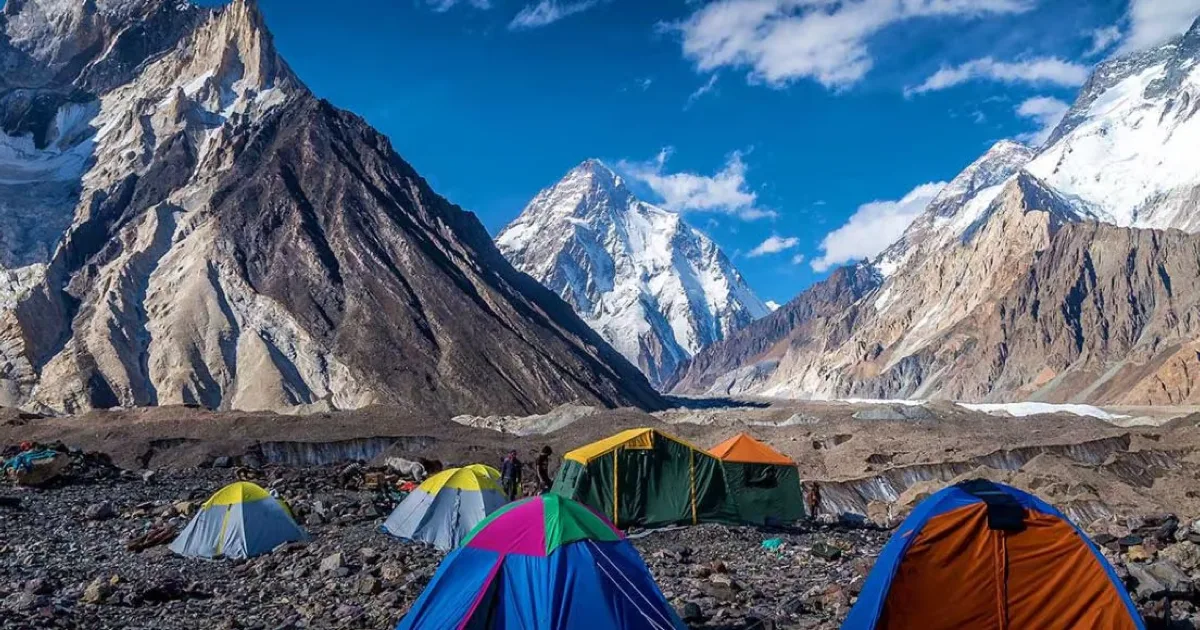
K2 Base Camp Trek: Cost, Difficulty and Itinerary (2026/27)
Everything you need to plan the trek to the foot of the world's second-highest mountain: real 2026 costs, how hard it actually is, a day-by-day itinerary, permits and the best time to go.
Read the full guide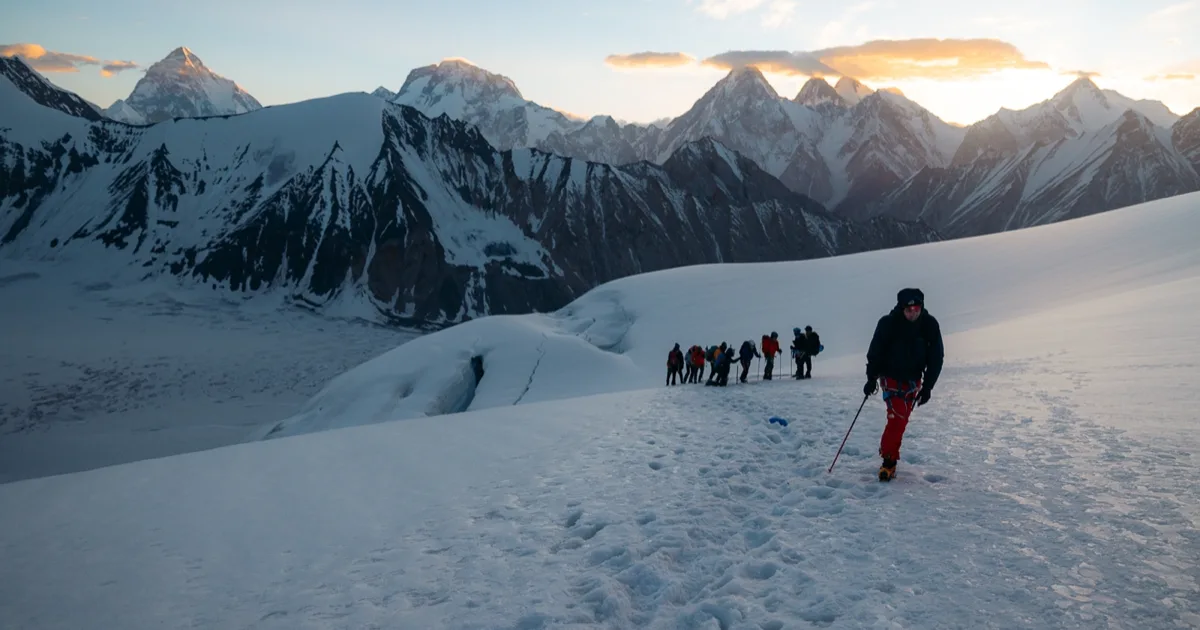
Gondogoro La Trek: Difficulty, Cost and Itinerary (2026)
The complete guide to Pakistan's most spectacular pass crossing: how hard the 5,585m Gondogoro La really is, what it costs in 2026, a day-by-day itinerary, permits, safety and the best time to go.
Read the full guide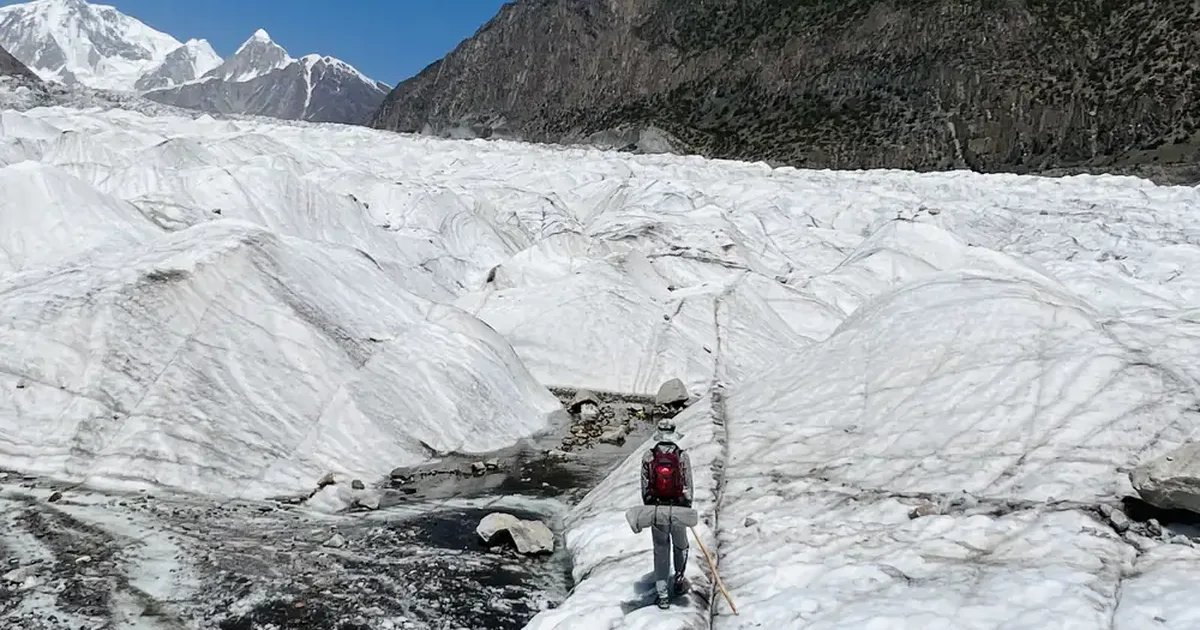
Trekking in Pakistan: The Complete Guide (2026/2027)
The best treks in Pakistan by grade, how the open and restricted zones work in 2026, when to go, real costs from US$350, and how safe it is.
Read the full guide
Islamabad to Skardu: Flights, Road & Bus
Flights, the KKH and Babusar road routes and overnight buses from Islamabad to Skardu, with distances, times and 2026 fares.
Read the full guide