Trekking in Pakistan: The Complete Guide (2026/2027)
The best treks for every level, how the open and restricted zones work, when to go, what it really costs and how safe it is, from the team that runs them.
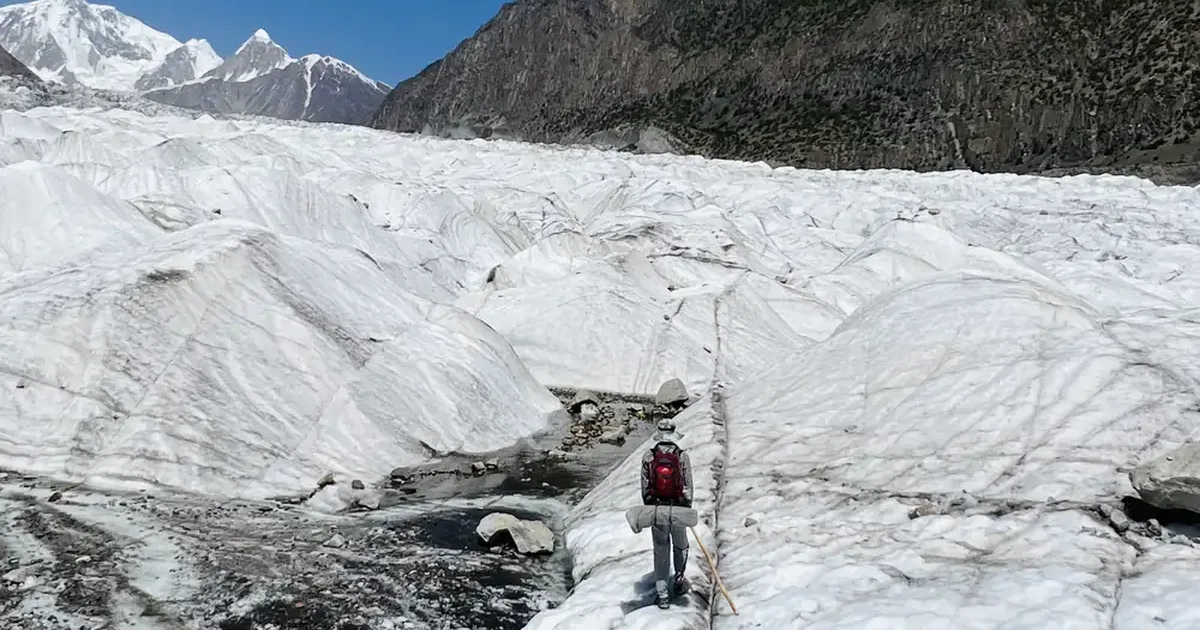
What is trekking in Pakistan like? Most trekking in Pakistan happens in Gilgit-Baltistan, in the Karakoram and western Himalaya, where five of the world's fourteen 8,000 m peaks stand. Treks run from 2-day meadow walks below 4,200 m to 3-week glacier expeditions above 5,000 m. The season is June to September for high routes. Most treks are in the open zone and need no permit, but the Baltoro (K2 Base Camp and Gondogoro La) is a restricted zone with a US$150 trekking permit plus a US$190 environment fee per person.
People who have trekked in Nepal tend to arrive in Pakistan expecting more of the same and get something different. There are no teahouses on most routes. You camp, a crew carries the kitchen, and on the big glacier treks you can go a week without seeing a village. In exchange you get mountains that are, frankly, bigger and steeper than almost anywhere else you can walk to, and trails where you might share a campsite with one other group, or with nobody.
This guide covers the treks worth doing at every level, how the permit system actually works in 2026, when to go, what it costs, and how safe it is. Prices are the ones we charge on our own departures, and the rules are checked against the current Gilgit-Baltistan fee schedule.
Why trek in Pakistan
Scale, mostly. Pakistan holds K2 (8,611 m), Nanga Parbat (8,126 m), Gasherbrum I, Broad Peak and Gasherbrum II, five of the fourteen eight-thousanders. The Karakoram also has some of the longest glaciers outside the polar regions: the Baltoro runs about 63 km and the Biafo about 67 km. At Concordia, a week up the Baltoro, K2, Broad Peak and two of the Gasherbrums are all in view from the same campsite. Very few treks anywhere put you that close to four 8,000 m peaks at once.
It is also empty. The Everest Base Camp trail sees tens of thousands of trekkers a year. The K2 trail sees a small fraction of that, and most of the shorter routes in Hunza and Nagar see even fewer foreigners. You will meet shepherds, porters and the odd climbing expedition, and not much else.
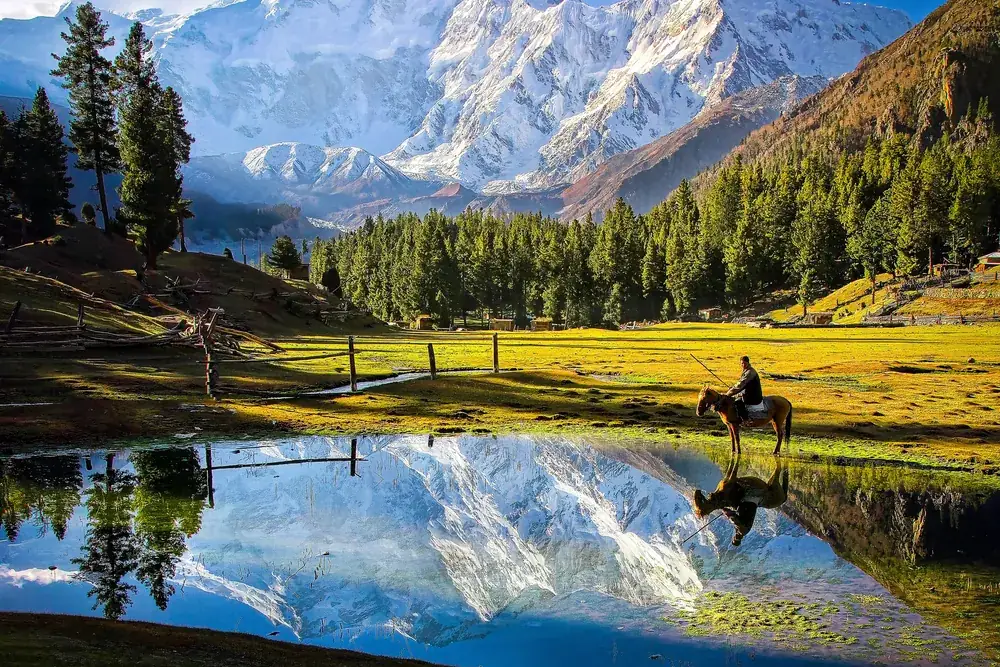
And the range of trips is unusually wide. In one region you can do an easy two-day walk to a meadow facing Nanga Parbat, a ten-day climb to a lake at 4,694 m, or a three-week traverse across Snow Lake. Plenty of our clients do exactly that: an easy trek one summer, a serious one the next.
The best treks in Pakistan at a glance
These are the routes we run, from easiest to hardest. Days are for the full trip from Islamabad unless marked as walking days, and prices are our own published starting prices per person.
| Trek | Region | Duration | Highest point | Permit | From (USD) |
|---|---|---|---|---|---|
| Patundas Meadows | Gojal, Hunza | 2 walking days | 4,200 m | No | $350 |
| Nangma Valley | Hushe, Baltistan | 3 walking days | 3,950 m | No | $525 |
| Kutwal Lake | Haramosh | 4 walking days | 3,300 m | No | $700 |
| Fairy Meadows & Nanga Parbat view | Diamer | 6 days | about 3,300 m (meadow) | No | $800 |
| Rakaposhi Base Camp | Nagar | 3 walking days | 3,300 to 3,500 m | No | $1,100 |
| Kacheli Lake | Nagar | 3 walking days | 3,970 m | No | $1,200 |
| Thalle La | Khaplu to Shigar | 3 to 4 walking days | 4,572 m | No | $1,450 |
| Rush Lake | Nagar | 10 days | 4,694 m | No | $1,800 |
| Shimshal Pass | Gojal, Hunza | 15 days | 4,735 m | No | $2,200 |
| K2 Base Camp | Baltoro, Baltistan | 16 days | about 5,150 m | Yes, restricted | $2,950 |
| Gondogoro La | Baltoro to Hushe | 20 days | 5,585 m | Yes, restricted | $3,400 |
| Snow Lake & Hispar La | Biafo and Hispar glaciers | 22 days | about 5,150 m | No (park fee applies) | $3,800 |
Easy and short treks
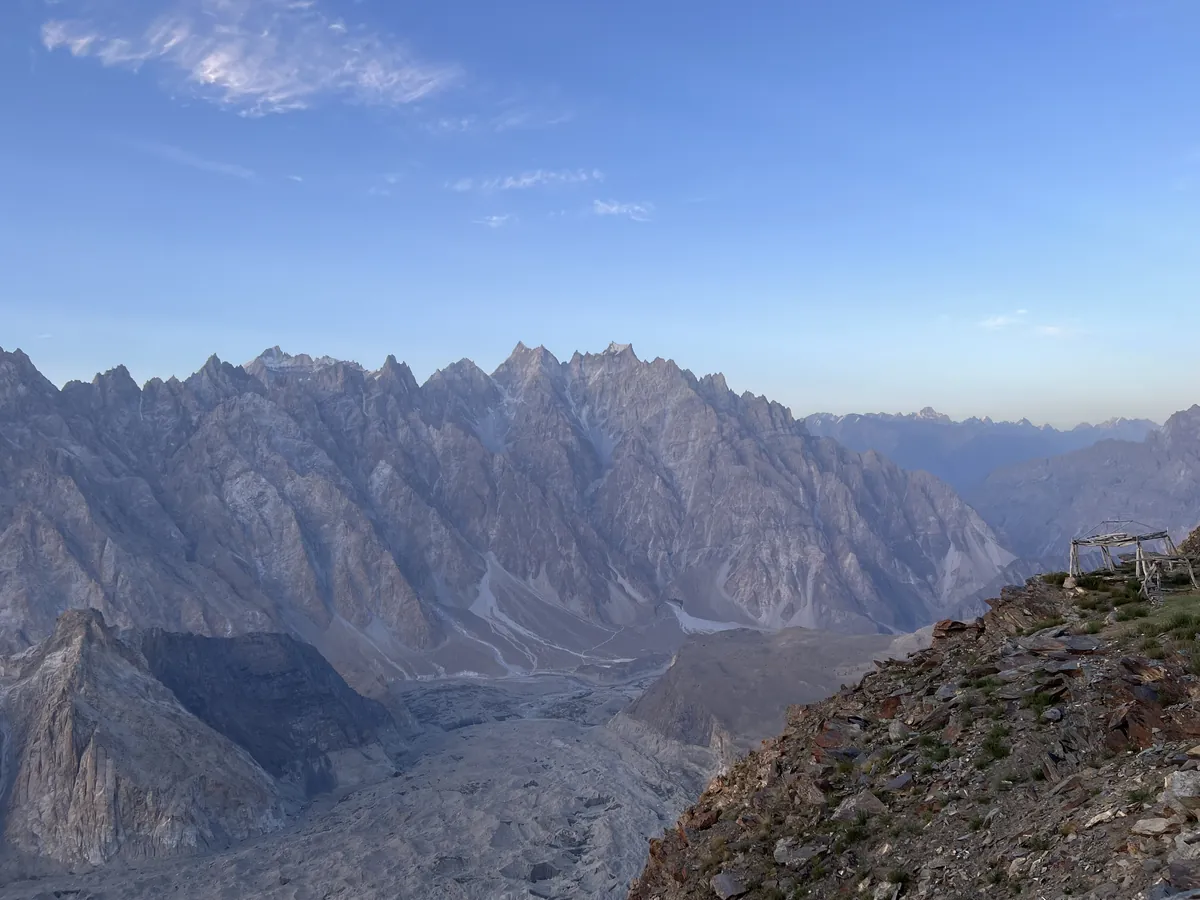
If you have never trekked at altitude, start here. Fairy Meadows is the most famous walk in the country: a jeep ride up from the Raikot Bridge, a 3 to 4 hour hike to a meadow at about 3,300 m, and the Raikot face of Nanga Parbat filling the view. Fit walkers carry on to Beyal and the base camp viewpoint the next day. Patundas Meadows in Upper Hunza is shorter but steeper, crossing the Passu Glacier to a plateau at 4,200 m that faces the Passu Cones and Shisper. Nangma Valley, Kutwal Lake and Rakaposhi Base Camp are all three or four walking days with no glacier crossing that needs a rope, and none of them need a permit.
Moderate treks
The next step up means longer days and sleeping above 4,000 m. Rush Lake, at 4,694 m above the Hopar Glacier in Nagar, is one of the highest alpine lakes in Pakistan and the best "first big trek" we know. Thalle La is the easiest high pass in Baltistan, a 4,572 m crossing from Khaplu to Shigar with no glacier at all. Kacheli Lake climbs above Rakaposhi Base Camp to a glacial lake at 3,970 m. The Shimshal Pass trek is longer and more remote, following Wakhi herders' trails to yak pastures at 4,735 m on the edge of the Pamir.
The big glacier expeditions
These are the treks people fly halfway round the world for. K2 Base Camp follows the Baltoro Glacier for about a week, through Urdukas and Concordia to the foot of K2 at roughly 5,100 to 5,150 m. The Gondogoro La adds a 5,585 m pass at the end, crossed on fixed ropes in the early hours, and comes out in the Hushe valley instead of retracing your steps. Snow Lake and the Hispar La is the hardest of the three: about 100 km of glacier, roped travel across a crevassed snow basin, and no village for close to two weeks. Our K2 Base Camp trek guide goes through the Baltoro route day by day.
Trekking permits in Pakistan: open, restricted and closed zones
A lot of trekking guides skip this or get it wrong. The Ministry of Tourism divides the mountains into three zones, and the zone decides the paperwork.
- Open zone: no trekking permit and no compulsory guide. This covers most of Hunza and Nagar (Rush Lake, Patundas, Rakaposhi Base Camp, Shimshal), Fairy Meadows and the Rupal side of Nanga Parbat, and the Hispar La route. Some routes inside the Central Karakoram National Park, such as the Biafo, still carry the park's entry fee.
- Restricted zone: a trekking permit is required, applied for through a registered Pakistani tour operator, with a licensed guide. The Baltoro region beyond Askole is the one most trekkers meet: K2 Base Camp, Concordia and the Gondogoro La. The fee for foreigners is US$150 per person for one month, plus an environment and waste fee of US$190 per person, after the Gilgit-Baltistan government raised both.
- Closed zone: off limits to foreigners, mainly areas close to the Line of Control and the Siachen region.
Many pages still quote a US$50 permit. That was the old rate. Climbing any peak above 6,500 m is a separate matter and needs a royalty permit from the Gilgit-Baltistan Council, even in the open zone. Getting into the country now needs a paid e-visa, since Pakistan suspended its free visa on arrival in January 2026; our Pakistan tourist visa guide has the current process.
Best time to trek in Pakistan
The trekking season runs from May to October, but the right month depends on how high you are going.
| Type of trek | Best months | Notes |
|---|---|---|
| Low meadow treks (Fairy Meadows, Rakaposhi Base Camp, Nangma) | May to October | Late May and October can bring snow on the higher ground; September and October have the clearest views. |
| High lakes and passes (Rush Lake, Thalle La, Shimshal Pass) | June to September | Passes above 4,500 m hold snow into June. |
| Baltoro glacier treks (K2 Base Camp, Gondogoro La) | Late June to August | July and August are the most reliable months; the Gondogoro La window runs from mid-June to the end of August. |
| Snow Lake and Hispar La | July and August | The snow basin is only safely crossable in high summer. |
| All high treks | Not November to April | Passes close, camps are snowed in, and flights into Skardu and Gilgit are often cancelled. |
One thing to plan around: the summer monsoon brings rain to the lower valleys and the Karakoram Highway in July and August, and landslides can close the road for a day or two. Build a spare day into any itinerary. For the full month-by-month picture, see our best time to visit Pakistan guide.
Guided or independent?
On open-zone routes with clear trails, independent trekking is legal and people do it. Fairy Meadows, Patundas and Rakaposhi Base Camp are all walked without a guide every summer. Beyond those, it gets harder quickly. Trails are often unmarked, there is no teahouse network, and on glacier routes the line across the ice changes every season, so a local guide is the only reliable way to find it.
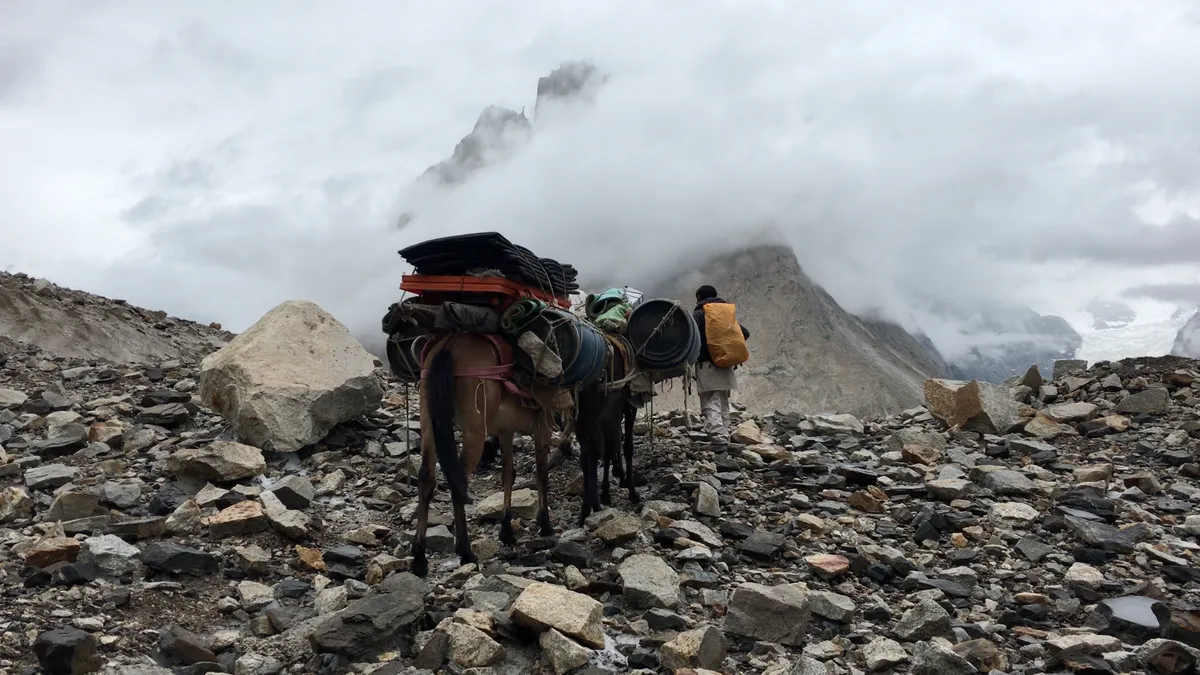
In the restricted zone there is no choice: the permit is issued through a registered operator, and the trip runs with a licensed guide, a cook and porters. Porters on the Baltoro carry a regulated load of about 25 kg each, so a two-week trek for a small group can need a team of twenty or more. Arranging that yourself from abroad is not realistic.
How much does trekking in Pakistan cost?
A guided trek costs US$350 for a two-day meadow walk up to about US$3,800 for a three-week glacier expedition with a local operator. Our prices above include camping gear, meals on the trek, the guide and porter team, and transport from Islamabad; the restricted-zone permit and park fees are included on the treks that need them.
For K2 Base Camp, local operators charge roughly US$1,550 to $2,100 for a base-camp-only group departure, and premium Western companies charge US$3,500 to $4,500 for the same trail. The difference is mostly in group size, leader and inclusions, not the route. Outside the package you will need international flights, the e-visa, travel insurance that covers trekking at altitude and helicopter evacuation, tips for the crew, and a few nights in Islamabad.
Trekking independently on the open-zone routes costs much less. A camp or hut at Fairy Meadows with dinner and breakfast typically runs to around PKR 5,000 to 7,000 a night, and Hunza guesthouses are in the same range. The jeeps that get you to most trailheads are the bigger cost, since you usually hire the whole vehicle.
Is trekking in Pakistan safe?
The trekking regions are the safest part of the country. Neither the US State Department nor the UK Foreign Office restricts travel to Gilgit-Baltistan, where almost every trek in this guide sits. The areas they warn against, Balochistan, Khyber Pakhtunkhwa and the Line of Control, are not on any of these routes. Crime against trekkers in the north is very rare, and hospitality is the thing most visitors remember. Our region-by-region safety guide quotes the advisories in full.
What actually hurts trekkers here is the mountains: altitude, crevasses and rockfall on glacier routes, river crossings swollen by afternoon meltwater, and weather that can turn fast. Rescue is by army helicopter and is slow and expensive, which is why insurance with helicopter cover matters.
Altitude sickness and fitness
Several of these treks sleep above 4,000 m, and K2 Base Camp tops out above 5,000 m. Acute mountain sickness can hit anyone, however fit. The CDC's guidance is to avoid raising your sleeping altitude by more than about 500 m a night once you are above 3,000 m, and to add a rest day every three or four days. Good itineraries are built around that, which is one reason the Baltoro treks take as long as they do.
A rough fitness test: if you can walk 6 to 8 hours on hilly ground two days running and feel fine the next morning, the easy and moderate treks are within reach. The glacier expeditions need months of training and, ideally, an earlier trek above 4,000 m.
Getting to the trailheads
Almost every trek starts from Islamabad. From there you either fly to Skardu (for the Baltoro, Hushe and Thalle La) or Gilgit (for Hunza, Nagar and Fairy Meadows), or drive the Karakoram Highway, which takes one to two days. The flights are short and spectacular but weather-dependent and often cancelled, so most itineraries keep the road as a backup. Jeeps then take you to the trailhead: Askole for the Baltoro, the Raikot Bridge for Fairy Meadows, Minapin for Rakaposhi.
Plan your trek
If you know roughly when you can travel and how much trekking you have done, we can tell you which route fits. You can compare every route, with its grade, dates and price, on our trekking in Pakistan page, or get in touch and our guides will help you pick one.
Frequently asked questions
Do I need a permit to trek in Pakistan?
It depends on the zone. Most treks in Pakistan are in the open zone, where foreigners need no trekking permit and no compulsory guide. That covers Fairy Meadows, the Rupal side of Nanga Parbat, Rush Lake, Rakaposhi Base Camp, Patundas, Shimshal and most other routes in Hunza and Nagar. The Baltoro region beyond Askole is a restricted zone, so K2 Base Camp, Concordia and the Gondogoro La need a trekking permit arranged through a registered Pakistani operator, with a licensed guide. For foreigners the permit costs US$150 per person for one month, plus an environment and waste fee of US$190. Some open-zone routes inside the Central Karakoram National Park, such as the Biafo Glacier on the Snow Lake trek, still carry the park entry fee. Climbing any peak above 6,500 m needs a separate royalty permit. Fees change often, so check the current figures before you book.
When is the best time to go trekking in Pakistan?
The trekking season runs from May to October, and the best month depends on altitude. Low treks such as Fairy Meadows, Nangma Valley and Rakaposhi Base Camp can be walked from late May to October, with September and October giving the clearest views and autumn colour. High lakes and passes like Rush Lake, Thalle La and the Shimshal Pass are best from June to September, because passes above 4,500 m hold snow into June. The Baltoro treks to K2 Base Camp and over the Gondogoro La are best in July and August, which is also when the Snow Lake basin is crossable. From November to April the high routes are snowed in and flights into Skardu and Gilgit are unreliable. In July and August, monsoon rain can cause landslides on the Karakoram Highway, so always build a spare day into your plans.
Is trekking in Pakistan safe for foreigners?
Yes, in the regions where the treks are. Almost every trek in Pakistan is in Gilgit-Baltistan, which neither the US State Department nor the UK Foreign Office restricts. The areas those governments warn against, Balochistan, Khyber Pakhtunkhwa and the Line of Control, are not on the trekking routes. Crime against trekkers in the north is very rare, and local communities are known for hospitality. The real dangers are environmental: altitude sickness, crevasses and rockfall on glacier treks, cold river crossings, and sudden changes in weather. Mountain rescue is by army helicopter, so it is slow to arrange and expensive. Choose a licensed operator with experienced guides, follow a sensible acclimatisation plan, and buy travel insurance that explicitly covers trekking at your maximum altitude and helicopter evacuation before you travel.
Can you trek in Pakistan without a guide?
On some routes, yes. In the open zone a guide is not compulsory, and well-used trails like Fairy Meadows, Patundas Meadows and Rakaposhi Base Camp are walked independently every summer. Beyond those, trekking alone gets difficult quickly. Many trails are unmarked, there is no teahouse network as in Nepal, and the route across a glacier shifts from season to season, so a local guide is often the only reliable way to find the line. You also need to carry or hire everything you sleep in and eat. In the restricted zone, which includes K2 Base Camp and the Gondogoro La, there is no choice: the permit is issued through a registered operator and the trek runs with a licensed guide, a cook and porters. For a first trek in Pakistan, even on an easy route, a guide makes logistics far simpler.
How much does a trek in Pakistan cost?
A guided trek in Pakistan costs from about US$350 per person for a two-day meadow walk such as Patundas, to about US$3,800 for a three-week glacier expedition like Snow Lake and the Hispar La. Mid-length treks such as Rush Lake cost around US$1,800. For K2 Base Camp, local operators typically charge US$1,550 to $2,100 for a base-camp-only group trip, while premium Western companies charge US$3,500 to $4,500 for the same trail. A local operator's price usually includes camping gear, meals on the trek, the guide and porters, transport from Islamabad and any permits. On top of that, budget for international flights, the e-visa, travel insurance with helicopter evacuation cover, tips for the crew, and hotel nights in Islamabad before and after the trek.
What is the easiest trek in Pakistan for beginners?
Fairy Meadows is the easiest well-known trek in Pakistan and the one we recommend for beginners. A jeep takes you most of the way up from the Raikot Bridge on the Karakoram Highway, and the walk to the meadow is about 3 to 4 hours on a clear trail, ending at roughly 3,300 m with a view straight up the Raikot face of Nanga Parbat. Fit walkers can continue the next day to Beyal and the base camp viewpoint. Patundas Meadows in Upper Hunza is another good short option, although it is steeper and reaches 4,200 m, and Rakaposhi Base Camp from Minapin takes three walking days to a meadow at 3,300 to 3,500 m. None of these needs a permit, and all three suit anyone who can walk five or six hours a day on hilly ground.
Ready for Your Next Adventure?
Join our community of explorers and discover the journey of a lifetime. Our expert team is ready to help you plan your perfect expedition.