Is Pakistan Safe to Visit? An Honest 2026 Region-by-Region Answer
Gilgit-Baltistan carries no travel restriction from the US or UK. Three other regions genuinely do. Here is the honest breakdown, from an operator based in Gilgit.
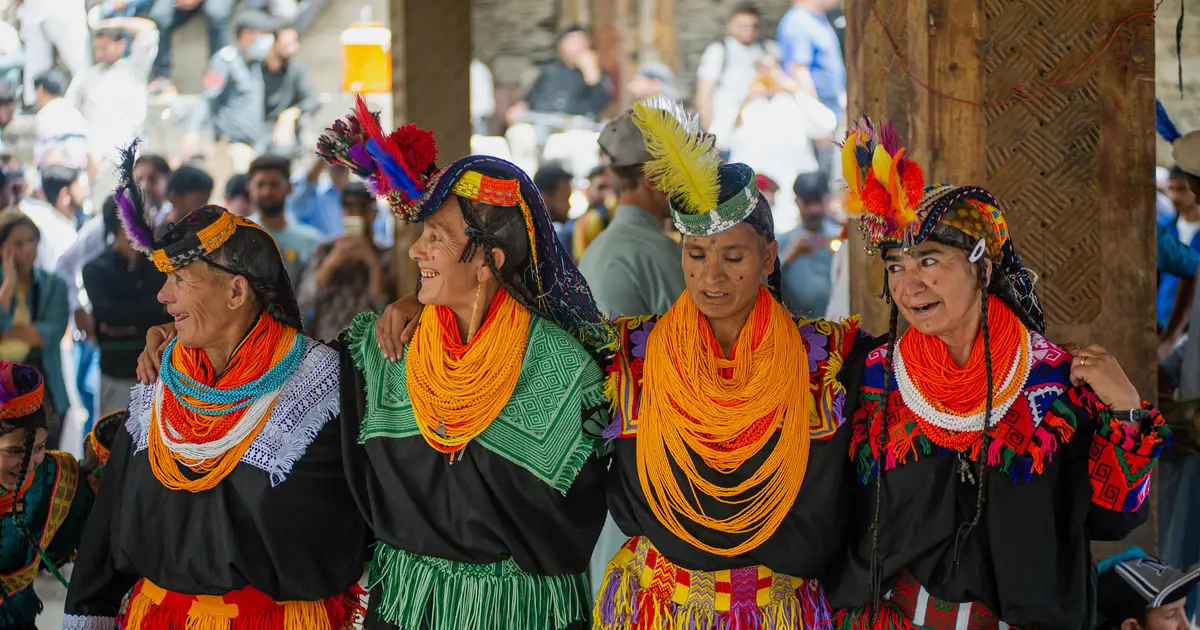
Short answer: yes, if you go north. Gilgit-Baltistan, the region that holds Hunza, Skardu, Fairy Meadows and Deosai, is not named as a danger zone by either the US State Department or the UK Foreign Office. Pakistan as a whole sits at Level 3, "Reconsider Travel" in the US advisory last updated on 6 June 2026, and three areas are genuinely off-limits: Balochistan, Khyber Pakhtunkhwa and the Line of Control. Where you go in Pakistan matters far more than whether you go at all.
Almost every article that answers this question answers it about a country of 240 million people spread across a territory larger than France. That is not useful to you. Pakistan contains a provincial capital under a do-not-travel order and, seven hours' drive away, a valley where the biggest daily risk is a landslide closing the road for an afternoon.
So this guide answers the question the way we answer it on the phone to clients: region by region, with the actual advisory wording, and with the parts that are genuinely flagged left in rather than quietly skipped.
What the travel advisories actually say in 2026
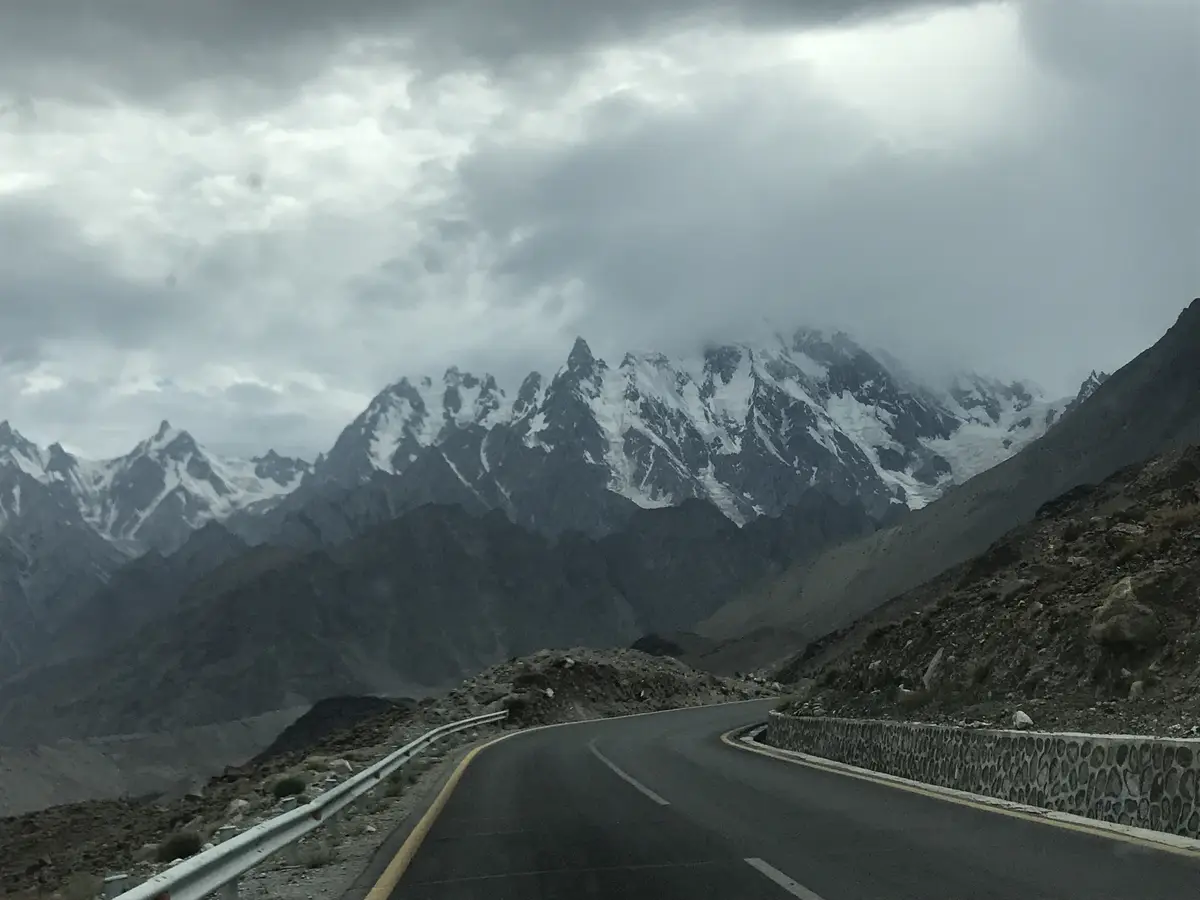
Two governments publish the advisories most travellers rely on, and they work at different resolutions. The Americans rate whole provinces. The British work at district and even road level, which makes their advice far more precise and, for planning a trip, far more useful.
| Source | Overall level | Areas rated "do not travel" |
|---|---|---|
| US State Department (updated 6 June 2026) |
Level 3, Reconsider Travel | Balochistan Province; Khyber Pakhtunkhwa Province, including the former FATA; the immediate vicinity of the Line of Control |
| UK Foreign Office (FCDO) | Advises against travel to specific areas rather than the whole country | Balochistan; 21 named KP districts including Peshawar and Swat; within 10 miles of the Afghan border; within 10 miles of the Line of Control; the Karakoram Highway between Mansehra and Chilas via Battagram, Besham, Dasu and Sazin; the N45 up to Chitral, including the Kalash valleys |
Read the FCDO list again and notice what is missing from it. Gilgit-Baltistan does not appear anywhere in it. Not Hunza, not Skardu, not Gilgit, not the Karakoram Highway north of Chilas. The region that holds five of the world's fourteen 8,000-metre peaks, and the destination for the large majority of foreign visitors to Pakistan, carries no British travel restriction at all.
That absence matters more than anything else on this page, and most articles on Pakistani safety never mention it.
Region by region: where is actually safe
Gilgit-Baltistan: no restrictions
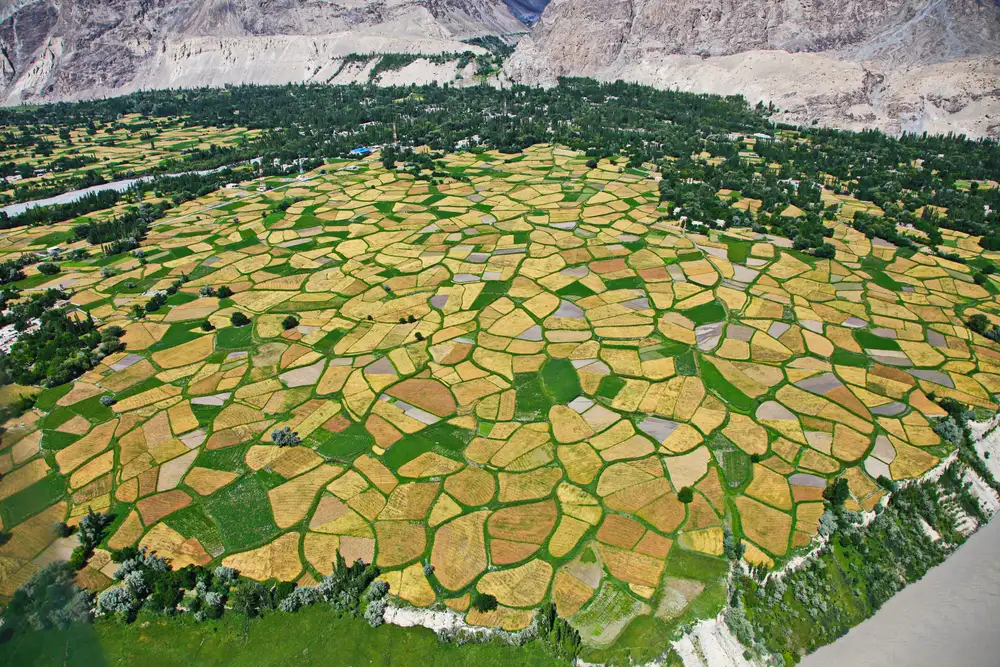
This is Hunza, Skardu, Gilgit, Fairy Meadows, Deosai, Khunjerab, and the approaches to K2. It is a self-governing region with its own administration, a heavy security presence on the main roads, and an economy that has been built around visitors for forty years. Violent crime against tourists is close to unheard of. The genuine hazards here are environmental rather than human: altitude, weather closing high passes, rockfall, and roads that wash out in summer.
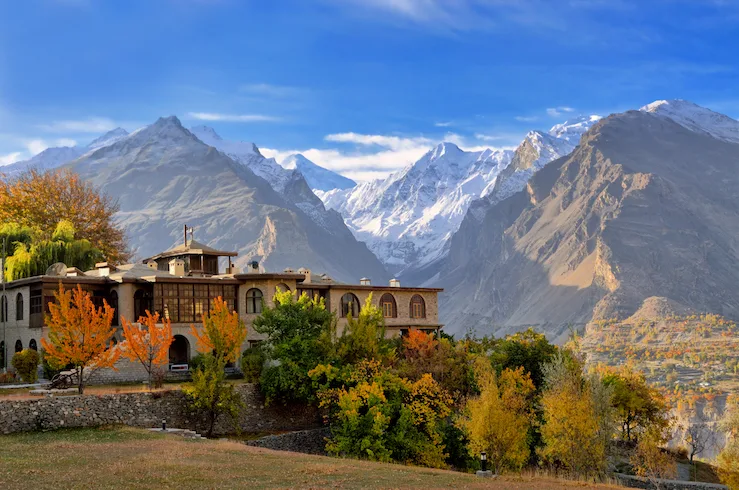
Our own trips run overwhelmingly in this region, and it is the honest reason we can talk about Pakistani travel with any confidence. If you are looking at a Hunza itinerary or a Karakoram trek, you are looking at the part of the country that no government tells its citizens to avoid.
Khyber Pakhtunkhwa: flagged, and we are not going to pretend otherwise
This is where honesty costs us something. KP includes Swat and the Kalash valleys near Chitral. We sell trips to both. The US advisory covers the entire province at Level 4, and the FCDO advises against all travel to Swat district and to the N45 road up to Chitral including Kalash.
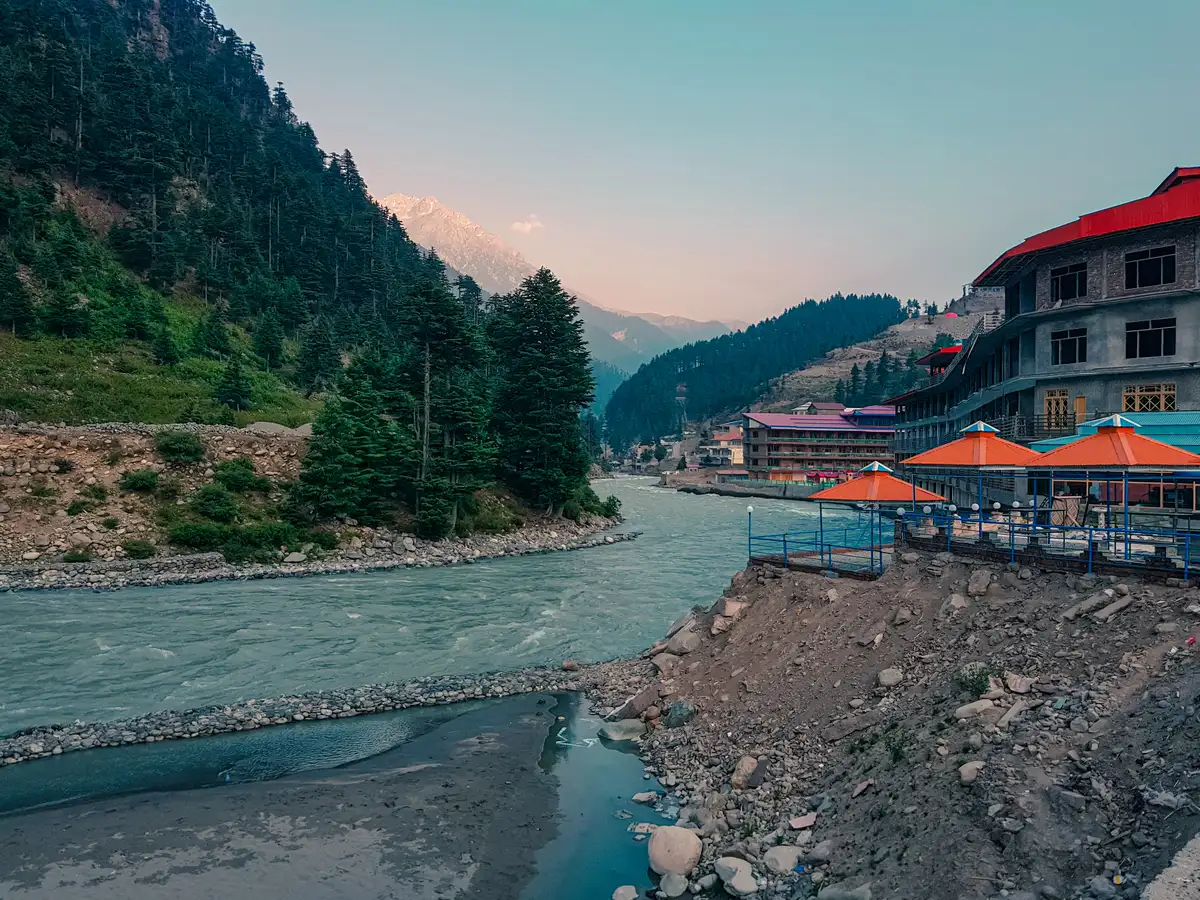
The practical picture on the ground is more mixed than a provincial-level rating suggests. Upper Swat around Kalam and Malam Jabba has been a domestic Pakistani holiday destination for years and sees heavy local tourist traffic every summer, which is why our Swat Valley guide exists at all. But "busy with local tourists" and "cleared by your government" are different claims, and only one of them affects your travel insurance.
What we tell clients who ask about Swat or Kalash: your insurer will very likely void cover for travel against your government's explicit advice, and that is usually the deciding factor rather than the security situation itself. Check your policy wording before you commit to either. If it excludes you, go north instead, and nothing about your trip suffers.
Balochistan: do not go
There is no nuance to add here and no itinerary worth building. Every advisory rates it do-not-travel, an active separatist insurgency operates there, and foreign nationals have been targeted. No reputable operator will take you.
Islamabad, Punjab and Lahore
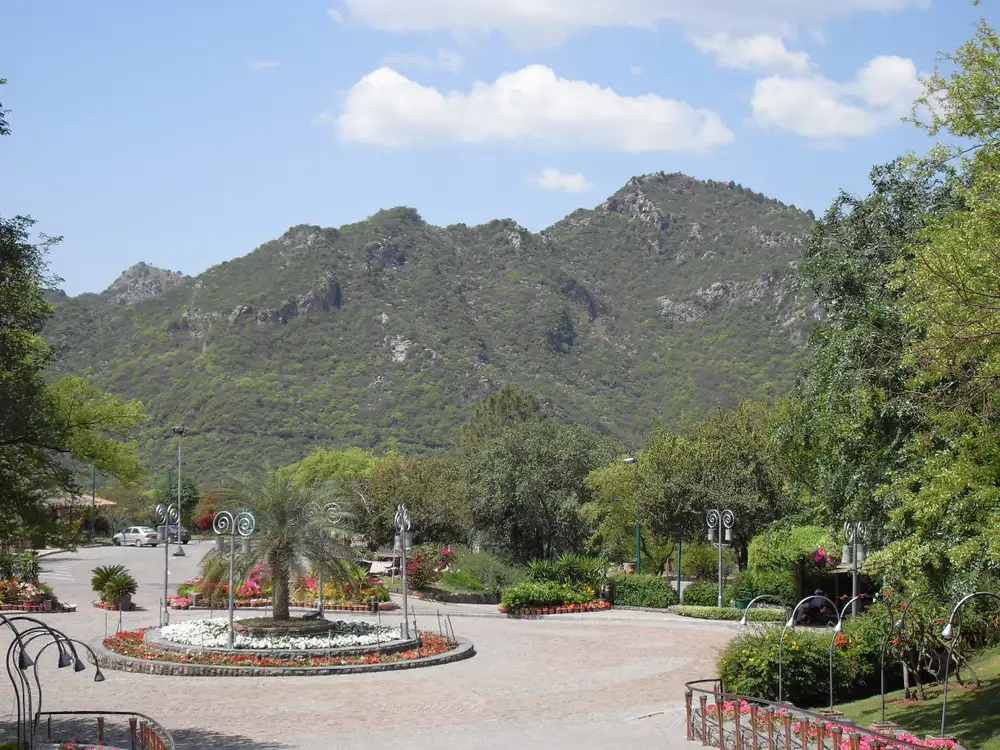
Islamabad is a planned capital, quiet and heavily policed, and it is where nearly every Pakistan trip begins, since the flights north leave from there. Lahore sits under no specific FCDO restriction and receives a steady flow of foreign visitors for the Badshahi Mosque and the Walled City. Watch your bag and your road sense the way you would in Delhi or Cairo. Petty theft and traffic are the realistic concerns, not terrorism.
Azad Kashmir and the Line of Control
The FCDO advises against all but essential travel to Azad Jammu and Kashmir generally, and against all travel within 10 miles of the Line of Control. Cross-border shelling is intermittent and unpredictable. Skip it; you are not missing anything you cannot find in Gilgit-Baltistan.
The routing detail almost nobody mentions
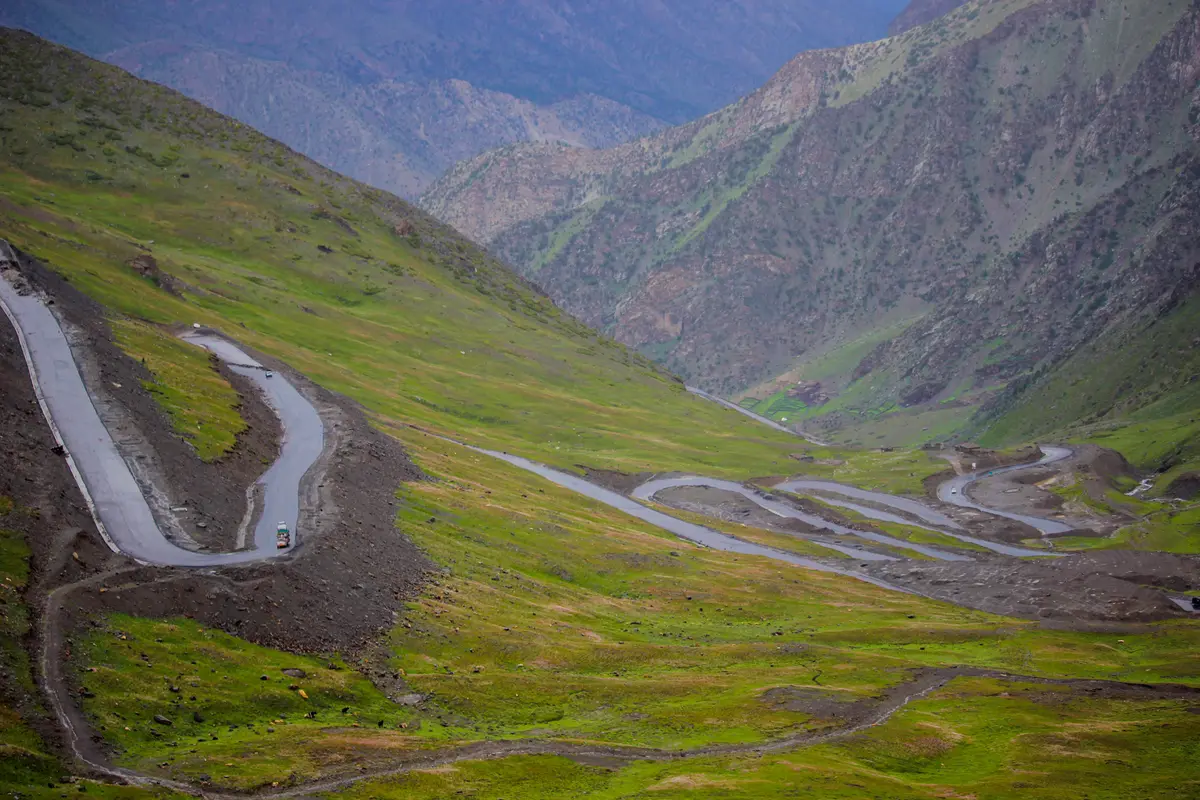
Look closely at the FCDO's highway exclusion. It does not say the Karakoram Highway is unsafe. It names one specific stretch: Mansehra to Chilas via Battagram, Besham City, Dasu and Sazin. That is the low-altitude route through Kohistan, and it is the way most vehicles drive north when the mountain passes are shut.
In summer there is a second way to reach Gilgit-Baltistan by road. The Kaghan Valley route runs Mansehra to Balakot, Kaghan and Naran, then over Babusar Pass and down to Chilas, where it joins the Karakoram Highway. It reaches the same place. It does not pass through Battagram, Besham, Dasu or Sazin, and every district it crosses (Mansehra, then Diamer in Gilgit-Baltistan) is absent from both FCDO lists.
Taken over Babusar between roughly mid-June and late October, the drive from Islamabad to Hunza crosses no area the FCDO advises against. Taken the direct way on the lower KKH, it crosses one. Same destination, same country, different paperwork, and it is the kind of thing you only learn by driving it every season. Flying Islamabad to Gilgit or Skardu sidesteps the question entirely, weather permitting, though those flights cancel often.
What it is actually like on the ground
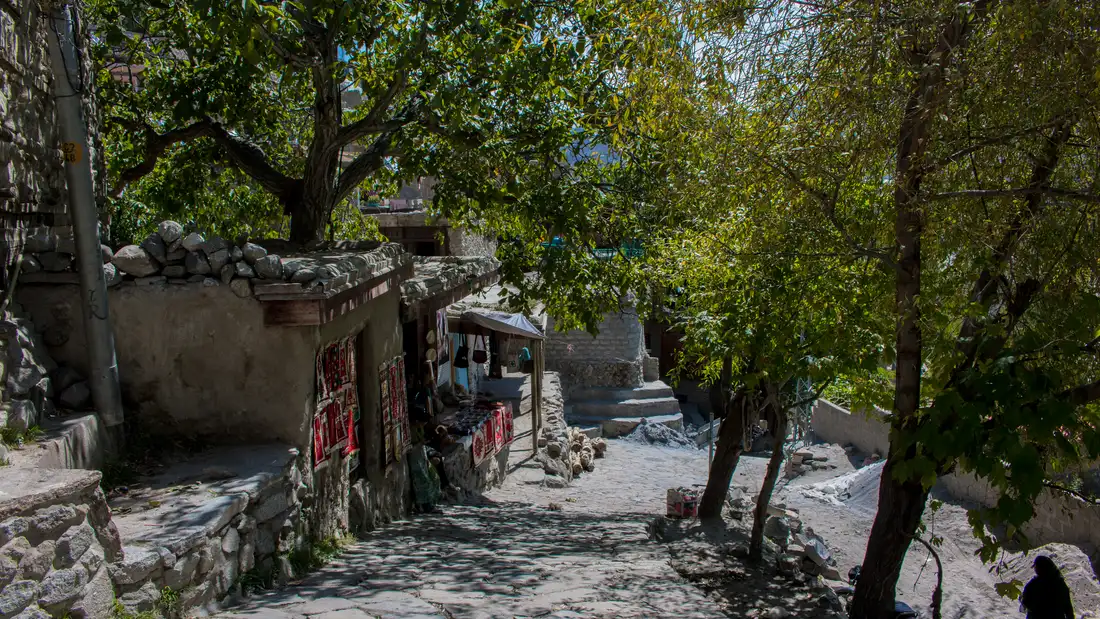
Advisories describe risk; they do not describe what a day there feels like. Foreign visitors in northern Pakistan are still uncommon enough to be interesting, and the reaction is overwhelmingly curiosity and hospitality rather than hostility. You will be invited for tea by strangers more often than you expect, and asked for photographs by people who have never met a foreigner.
A few practical realities worth knowing before you arrive:
- In some areas foreigners get logged at police checkpoints, and occasionally assigned an escort vehicle for a stretch of road. It is routine paperwork rather than a warning sign, and it costs you nothing but time.
- The roads are the actual risk. Mountain driving in Pakistan kills far more people than anything political. Insist on a driver who is not working an eighteen-hour day, and refuse night driving in the mountains.
- Mobile data gets unreliable above Gilgit and disappears altogether in Gojal and on treks, so tell someone your itinerary before you lose signal.
- ATMs exist in Gilgit, Karimabad and Skardu, but they run empty for days at a time. Carry more rupees than you think you need.
- Political demonstrations happen, are usually announced in advance, and are easy to avoid. Do not photograph them.
Is Pakistan safe for women travellers?
More women travel independently in northern Pakistan than most people assume, and the northern valleys are a far easier environment than the big cities. Hunza in particular has high female literacy, women working openly in shops and guesthouses, and a social atmosphere that surprises visitors expecting otherwise.
That said, the honest advice differs from what we would tell a man. Staring is constant and tiring rather than threatening. Dressing modestly, with loose clothing covering shoulders and knees and a scarf available for mosques and conservative villages, removes most friction. The solo women we host say the hassle in Lahore, Rawalpindi and Karachi is a different order of magnitude from anything they meet in Gilgit-Baltistan. Booking a guide for the first few days is not an admission of defeat; it is how a lot of experienced solo travellers get their bearings before striking out alone.
Is Pakistan safe for Americans and other Western visitors?
Yes, and the distinction people expect to matter mostly does not. Americans, Britons, Europeans and Australians travel in northern Pakistan every season without incident. Anti-Western sentiment is not something visitors typically encounter in the mountains, whatever the geopolitics of a given month.
American citizens do not need special permission beyond a standard visa, though the US Embassy in Islamabad restricts its own staff's movements far more tightly than it advises private citizens to, so do not read embassy staff rules as advice to you. Indian nationals and travellers with Indian passports face a genuinely different and much harder situation, and this article does not apply to them.
The rules we actually give clients
- Stay out of Balochistan and away from the Line of Control. Non-negotiable.
- Check whether your insurance covers KP before booking Swat or Kalash. Usually it does not.
- Go over Babusar in summer rather than the lower KKH if you are driving north.
- Do not drive mountain roads after dark, ever.
- Register with your embassy and leave an itinerary with someone at home.
- Use a local operator in the north. Not for protection, but because they know which roads are open today.
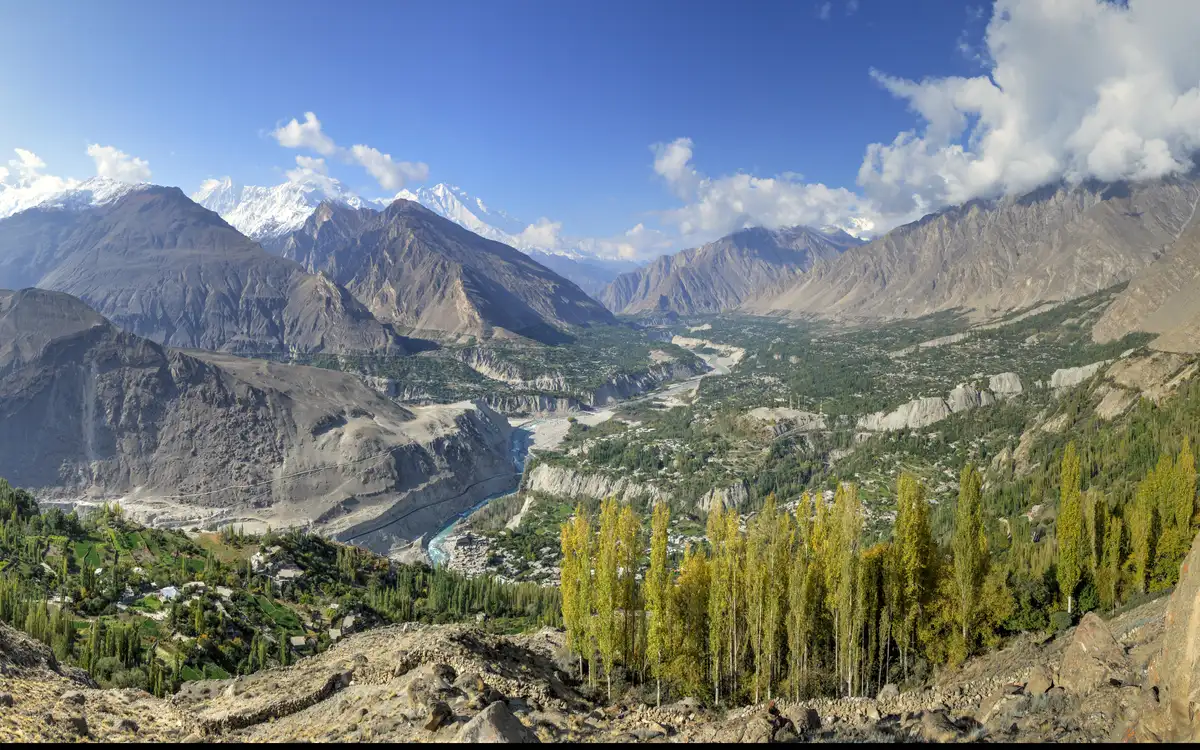
Pakistan takes more planning than most destinations, and the planning is mostly about geography rather than nerve. Get the map right and you get five 8,000-metre peaks with a fraction of the crowds on the Nepali side of the range. Our Gilgit-Baltistan travel guide covers the practicalities of the region in depth.
Frequently asked questions
Is Pakistan safe to visit right now in 2026?
For Gilgit-Baltistan, yes, and that is the region holding Hunza, Skardu, Fairy Meadows and Deosai. The US State Department rates Pakistan as a whole at Level 3, 'Reconsider Travel', in its advisory updated on 6 June 2026, but its do-not-travel designations apply to Balochistan, Khyber Pakhtunkhwa and the Line of Control, not to the northern mountain region where most trekking and tourism happens. The UK Foreign Office does not restrict Gilgit-Baltistan at all. Its list names Balochistan, 21 districts of Khyber Pakhtunkhwa, the areas near the Afghan border and the Line of Control, the lower Karakoram Highway between Mansehra and Chilas, and the N45 road to Chitral. The real hazards in the north are environmental: altitude, weather closing high passes, rockfall and roads that wash out in summer. Advisories change, so check both the US and UK pages before you travel. Our own trips run overwhelmingly in Gilgit-Baltistan.
Is Hunza Valley safe?
Yes. Hunza sits in Gilgit-Baltistan and carries no travel restriction from the US, UK or other major advisories. It has one of the lowest crime rates in Pakistan and decades of experience hosting foreign trekkers and climbers, and violent crime against tourists in the region is close to unheard of. The realistic risks are altitude, road conditions and weather rather than crime or terrorism. Visitors mostly meet curiosity and hospitality, and invitations to tea from strangers are common. Hunza is also one of the easier places in Pakistan for women travellers, with high female literacy and women working openly in shops and guesthouses. A few practical points help. Mobile data gets unreliable above Gilgit and disappears in Gojal, and the ATMs in Karimabad can run empty for days, so carry plenty of rupees. In some areas foreigners are logged at police checkpoints, which is routine paperwork rather than a warning sign.
Is the Karakoram Highway safe to drive?
Mostly, yes. The section north of Chilas, through Gilgit and Hunza up to Khunjerab Pass, carries no advisory restriction and is well maintained. The FCDO does advise against the lower stretch between Mansehra and Chilas via Battagram, Besham, Dasu and Sazin, the low route through Kohistan that most vehicles use when the mountain passes are shut. In summer, roughly mid-June to late October, you can avoid that section entirely by taking the Kaghan Valley route over Babusar Pass instead, which joins the KKH at Chilas and crosses no district on either FCDO list. Flying from Islamabad to Gilgit or Skardu sidesteps the question too, weather permitting, though those flights cancel often. Whichever way you go, the bigger danger is the driving itself. Insist on a driver who is not working an eighteen-hour day, and refuse night driving in the mountains. Landslides can also close a road for an afternoon.
Is Pakistan safe for solo female travellers?
Yes, northern Pakistan is manageable for solo women, and more travel there independently each season than most people assume. The northern valleys are a far easier environment than the big cities. Hunza in particular has high female literacy, women working openly in shops and guesthouses, and a social atmosphere that surprises many visitors. Expect persistent staring rather than threat; it is tiring more than frightening. Dressing modestly, with loose clothing covering shoulders and knees and a scarf available for mosques and conservative villages, removes most friction. The solo women we host say the hassle in Lahore, Rawalpindi and Karachi is a different order of magnitude from anything they meet in Hunza or Skardu. Many hire a guide for the opening days and continue alone afterwards, which is how plenty of experienced solo travellers get their bearings. The general northern rules apply too: avoid mountain roads after dark and leave your itinerary with someone at home.
Can Americans travel to Pakistan?
Yes. US citizens can travel to Pakistan on a standard tourist visa, obtainable online, and no additional clearance is required for Gilgit-Baltistan. The Level 3 advisory is a recommendation to reconsider, not a prohibition, and it does not restrict the northern areas where most American visitors go. Americans, Britons, Europeans and Australians travel in northern Pakistan every season without incident, and anti-Western sentiment is not something visitors typically meet in the mountains. One point causes confusion: the US Embassy in Islamabad restricts its own staff's movements far more tightly than it advises private citizens, so don't read embassy staff rules as advice to you. The do-not-travel areas still apply to Americans, namely Balochistan, Khyber Pakhtunkhwa and the Line of Control, and travel insurance is usually void in them. Register with your embassy and leave an itinerary with someone at home. Travellers on Indian passports face a very different situation.
Is Swat Valley safe to visit?
Swat is far calmer than it was in the 2000s, but for foreign visitors the advisories, not the streets, are the real obstacle. It is busy with Pakistani domestic tourists through the summer, and upper Swat around Kalam and Malam Jabba has been a domestic holiday destination for years. However, it sits in Khyber Pakhtunkhwa, which the US rates Level 4 do-not-travel, and the UK Foreign Office advises against all travel to Swat district specifically. Travel insurance is usually void in areas your government advises against, and that is the practical deciding factor for most visitors rather than the security situation itself. We do sell trips to Swat, and we tell every client the same thing: check your policy wording before you book. If it excludes you, go north to Gilgit-Baltistan instead, and nothing about your trip suffers. The same reasoning applies to the Kalash valleys near Chitral.
What is the biggest actual danger for tourists in Pakistan?
Road accidents, by a wide margin. Mountain roads, long driving days and weather that changes without warning cause far more injuries to visitors than crime or terrorism ever have, and mountain driving in Pakistan kills far more people than anything political. Altitude sickness on treks above 4,000 metres is the second most common serious problem. The fixes are mostly practical. Insist on a driver who is not working an eighteen-hour day, and refuse night driving in the mountains, ever. Build spare days into the plan so nobody feels pushed to cross a pass in bad weather. In Gilgit-Baltistan the hazards are environmental: altitude, high passes closed by weather, rockfall, and roads that wash out in summer or close for an afternoon after a landslide. This is the main reason we tell clients to use a local operator in the north. It is not for protection, but because they know which roads are open today.
Advisory wording checked against the US State Department and UK FCDO pages current at the time of writing; advisories change, so verify both before you travel. Photos via Wikimedia Commons: Karakoram Highway at Passu by Brilliance00, Shigar Valley by Muhammad Hussain Abbass, Kalam hotels by Shahzaib Damn Cruze, Babusar Pass road by Hassanalee, Karimabad street by MhasanShaikh02 and Hunza Valley from Eagle’s Nest by Alllexxxis, all CC BY-SA 4.0; Kalash women at Chilam Joshi by Jugni, CC BY-SA 3.0; Margalla Hills by Fraz.khalid1, CC0.
Ready for Your Next Adventure?
Join our community of explorers and discover the journey of a lifetime. Our expert team is ready to help you plan your perfect expedition.