Best Places to Visit in Pakistan: 14 Destinations for 2026/2027
A local operator's guide to the 14 best places to visit in Pakistan, from the Karakoram peaks of Hunza and Skardu to Mughal Lahore, with the best time to go and how long to stay.
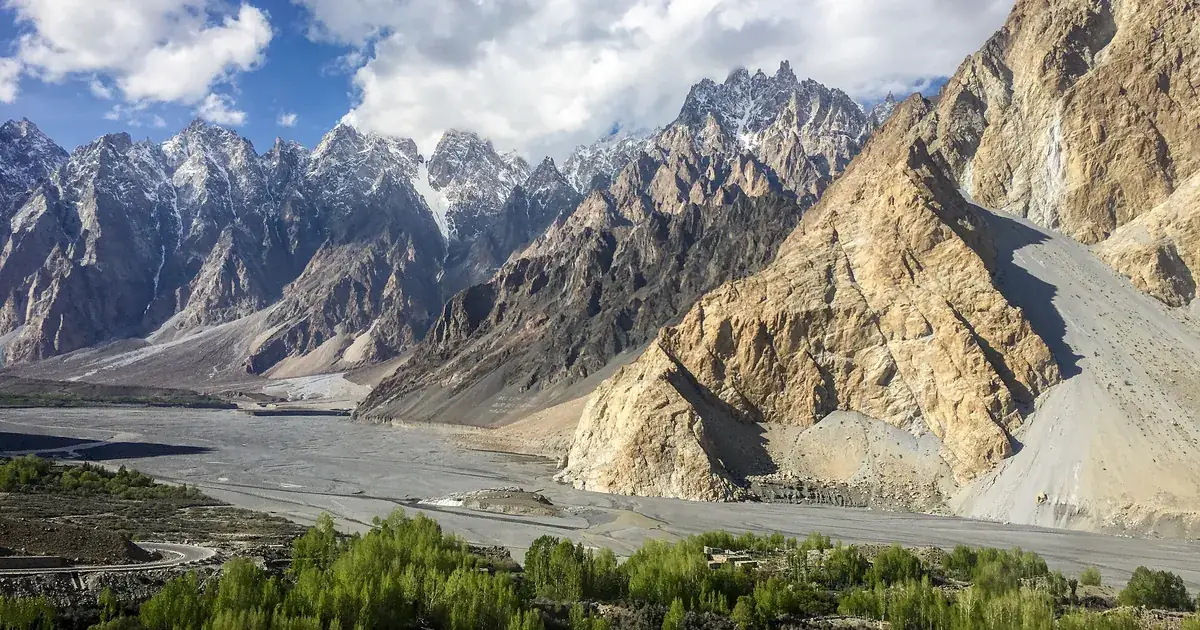
Quick answer: The best places to visit in Pakistan are almost all in the north: Hunza Valley, Skardu, Fairy Meadows, Deosai and the Kalash valleys, where the Karakoram, Himalaya and Hindu Kush ranges meet. Pair them with the Mughal heritage of Lahore and the ancient cities of Sindh for a full picture of the country. The mountains are best from May to October; Lahore and the south are best from October to March.
Pakistan is the kind of place that ruins you for ordinary travel. In a single country you can stand under an 8,000-metre wall of ice in the morning and wander a 400-year-old Mughal courtyard by evening. It holds five of the world's 14 highest peaks, one of the oldest cities on earth, and valleys so green that locals call them the Switzerland of Asia, usually without the crowds you would meet almost anywhere else.
We have been guiding travellers through these regions since 2015, and the list below is the one we actually build trips around. For each place you get the honest version: why it is worth your time, when to go, how long to stay and how to get there. If you would rather see it all in one loop, our Gilgit-Baltistan Grand Tour stitches the northern highlights into a single guided journey.
Is Pakistan safe to visit in 2026?
For the regions in this guide, yes. The northern areas, Gilgit-Baltistan and the Hunza valley in particular, are among the safest mountain destinations in Asia, with famously warm hospitality and very low crime. Tourism has climbed steadily since Pakistan relaxed its visa rules, and a straightforward e-visa now covers most nationalities. As anywhere, check your government's current travel advice, keep to the established valleys, and dress modestly at religious sites. Solo and female travellers regularly describe Hunza and Skardu as easy, welcoming places to move around.
When is the best time to visit Pakistan?
It depends on which Pakistan you want. The mountain north opens up from May to October, with July and August the only reliable months for the highest valleys and passes like Deosai and Khunjerab. Spring brings apricot and cherry blossom to Hunza in late March and April; autumn turns the poplars gold through October. The cultural south (Lahore, Rohtas, Mohenjo-daro) is uncomfortably hot in summer, so save it for October to March. Our full guide to the best time to visit Pakistan breaks it down region by region.
The 14 best places to visit in Pakistan
We have grouped these by region so you can plan a realistic route rather than zig-zag across the map. Most first-time visitors spend the bulk of their trip in Gilgit-Baltistan, then add Lahore or the Kalash valleys if time allows.
Gilgit-Baltistan and the far north
1. Hunza Valley
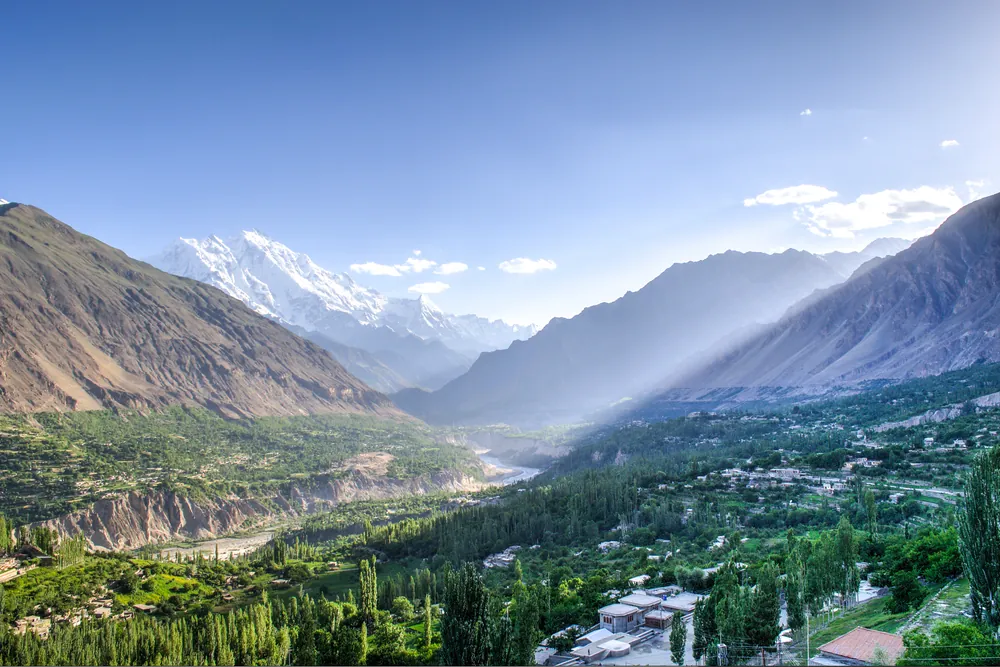
If you visit only one place in Pakistan, make it Hunza. This wide, terraced valley on the Karakoram Highway is ringed by giants: Rakaposhi (7,788m), Ultar Sar and the sawtooth Passu Cones. It centres on the old town of Karimabad, where the restored Baltit and Altit forts look out over apricot orchards a thousand years old. The people are Ismaili Muslims, literacy is near-universal, and the welcome is genuine.
Why go: the finest mountain scenery in the country, with deep culture and easy walking. Best time: April for blossom, October for autumn colour. Ideal stay: 3 to 4 days. Getting there: a day's drive up the Karakoram Highway from Gilgit, itself a short flight from Islamabad. See our Hunza Valley tour for the full itinerary.
2. Attabad Lake
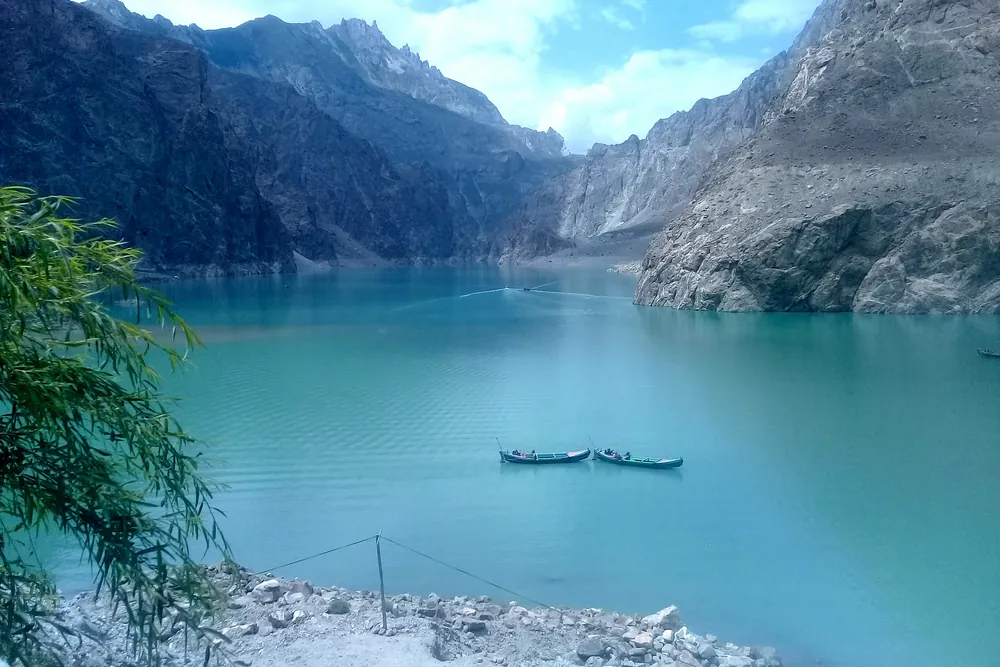
An hour up the valley from Karimabad, Attabad Lake is a startling band of turquoise stretching 21 kilometres through bare rock walls. It was born from tragedy. A 2010 landslide dammed the Hunza River and drowned several villages, and the lake that filled the gorge has become the north's most photographed water, with jet-skis, boat rides and a growing string of lakeside cafes and glass-fronted hotels. Just beyond it, the Passu and Batura glaciers spill almost to the road.
Why go: surreal colour and an easy half-day from Hunza. Best time: May to October. Ideal stay: half a day, or a night in Gulmit or Passu. Getting there: on the Karakoram Highway in Upper Hunza (Gojal), reachable on any Hunza to Khunjerab route.
3. Skardu
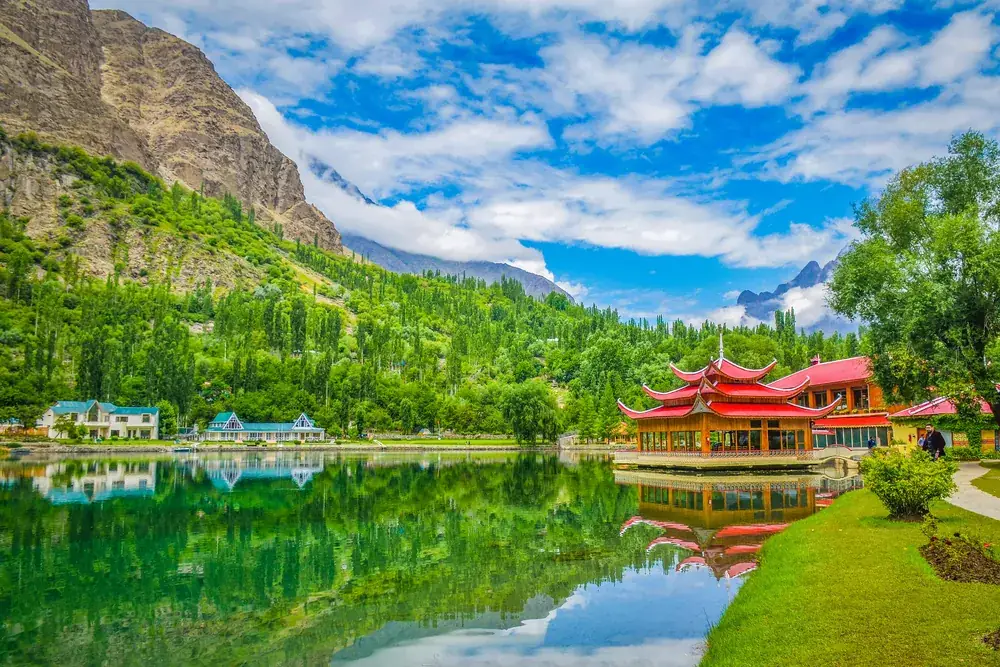
Skardu is the gateway to Baltistan and to the greatest concentration of high peaks on earth. K2, Broad Peak and the Gasherbrums all begin here. The town itself sits in a broad valley on the Indus at around 2,200 metres, with the Shangrila (Lower Kachura) and Upper Kachura lakes, the cold-desert dunes of Katpana, the ancient Kharpocho fort and the old palaces of Shigar and Khaplu within reach. It is the launch point for the K2 Base Camp trek.
Why go: big Baltistan landscapes, lakes, forts and serious trekking. Best time: May to October. Ideal stay: 3 to 5 days. Getting there: a short, spectacular flight from Islamabad, or a two-day drive by the Karakoram Highway. Our Skardu tours cover the valley in depth.
4. Fairy Meadows and Nanga Parbat
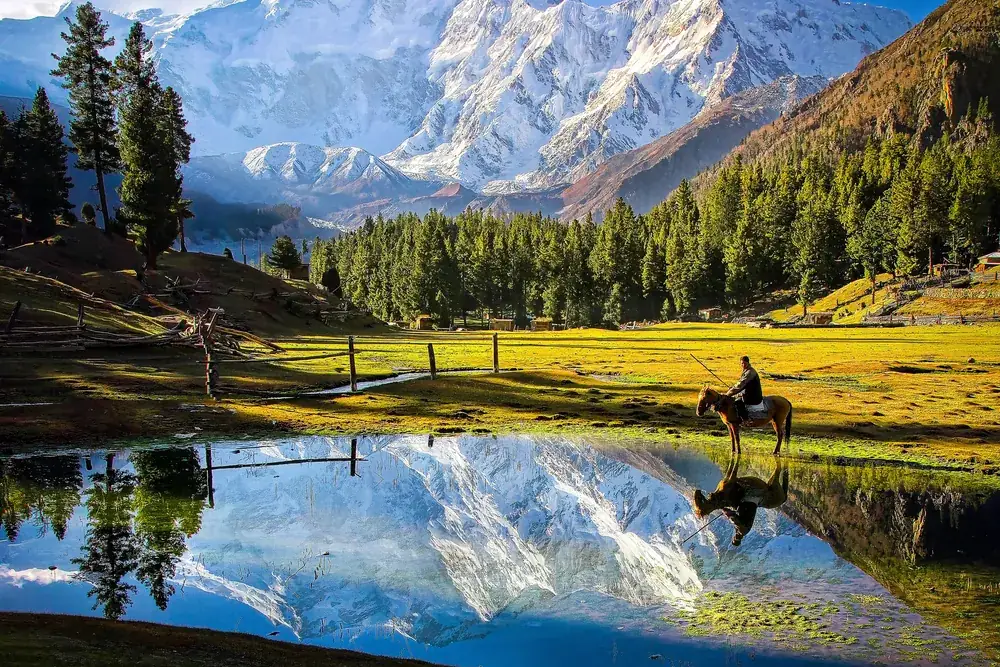
Fairy Meadows is the grassy shelf, at about 3,300 metres, that sits face to face with Nanga Parbat (8,126m), the ninth-highest mountain in the world and the westernmost of the 8,000-metre peaks. Pine forest, log huts and a foreground of wildflowers frame one of the great mountain views anywhere. The trip in is part of the appeal: a white-knuckle jeep track from the Raikot Bridge followed by an hour or two on foot or horseback.
Why go: arguably the single best mountain view in Pakistan. Best time: May to October (the road closes in winter). Ideal stay: 2 to 3 days. Getting there: jeep from the Karakoram Highway at Raikot, then a hike to the meadow. See the Fairy Meadows and Nanga Parbat tour, or read our guide on how to reach Fairy Meadows.
5. Deosai National Park
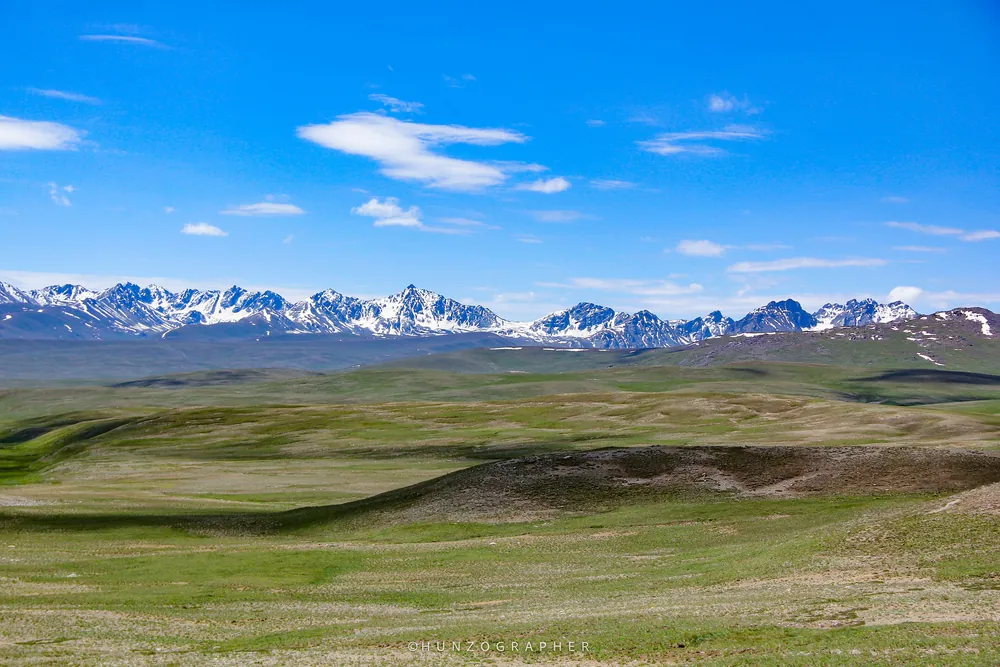
Locals call it the Land of Giants. Deosai is one of the highest plateaus in the world, a rolling 4,000-metre wilderness of summer wildflowers, glassy Sheosar Lake, marmots and the rare Himalayan brown bear. Snow keeps it closed most of the year, so its brief season is genuinely special. You drive for hours across empty green tundra with the Karakoram floating on every horizon.
Why go: a vast, wildlife-rich high plateau unlike anywhere else. Best time: mid-June to mid-September only. Ideal stay: a full day, or camp overnight. Getting there: by jeep from Skardu or Astore. Our Deosai National Park tour runs in the short summer window.
6. Khunjerab Pass
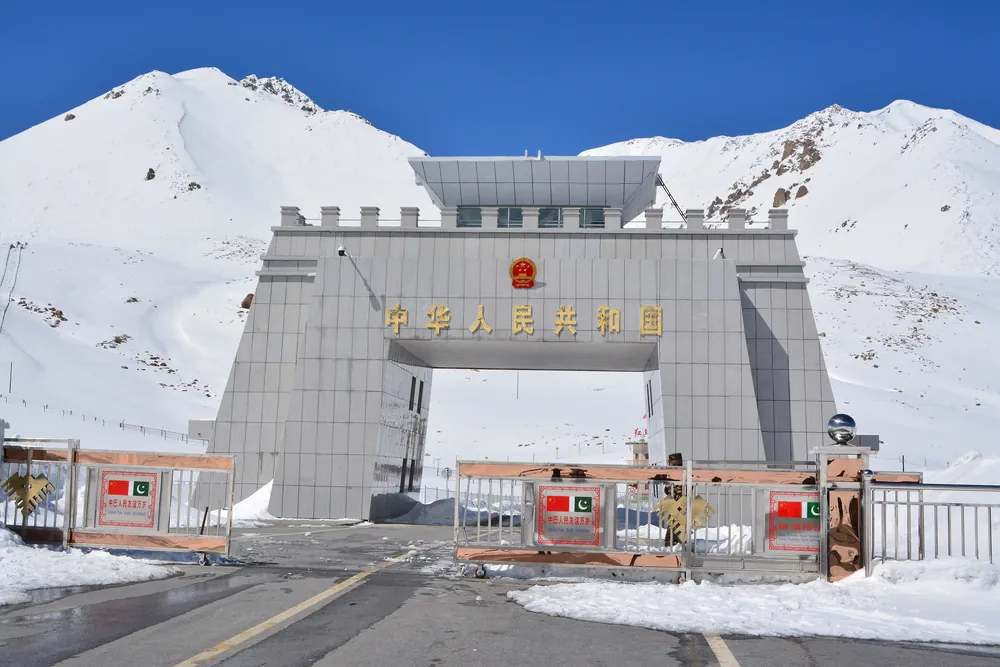
At 4,693 metres, Khunjerab is the highest paved border crossing on the planet, the point where the Karakoram Highway tips over into China. Standing at the border marker among grazing yaks and Marco Polo sheep, with the road unspooling down both sides, is a bucket-list moment for anyone driving the KKH. The surrounding Khunjerab National Park protects snow leopards and ibex.
Why go: the roof of the Karakoram Highway and a true frontier. Best time: May to November (snowbound in winter). Ideal stay: a day trip from Hunza. Getting there: by road from Sost in Upper Hunza. Included on our Khunjerab Pass tour.
7. Naltar Valley
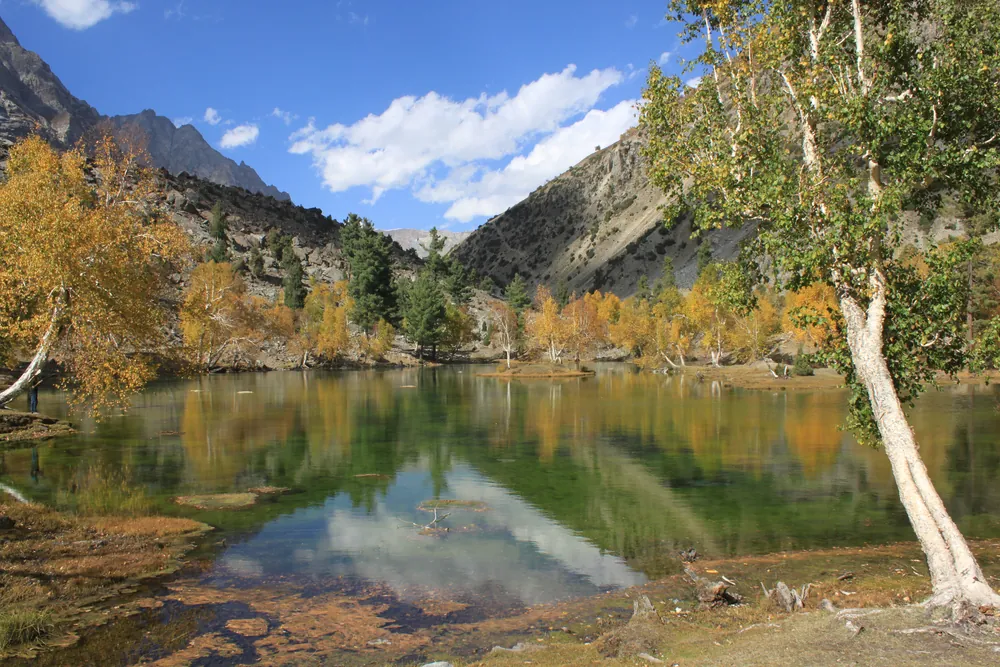
Just a rough jeep ride from Gilgit but a world away, Naltar is a valley of pine forest, alpine pasture and a chain of vividly coloured Naltar (Blue) Lakes. In winter it hosts Pakistan's best-known ski slope; in summer it is all grazing horses, potato fields and quiet trails. It is the north's easiest true off-the-beaten-track detour.
Why go: forests, coloured lakes and few other tourists. Best time: May to October; December to February for skiing. Ideal stay: 1 to 2 days. Getting there: by 4x4 from Gilgit, easily added to a Grand Tour of Gilgit-Baltistan.
Khyber Pakhtunkhwa
8. Swat Valley
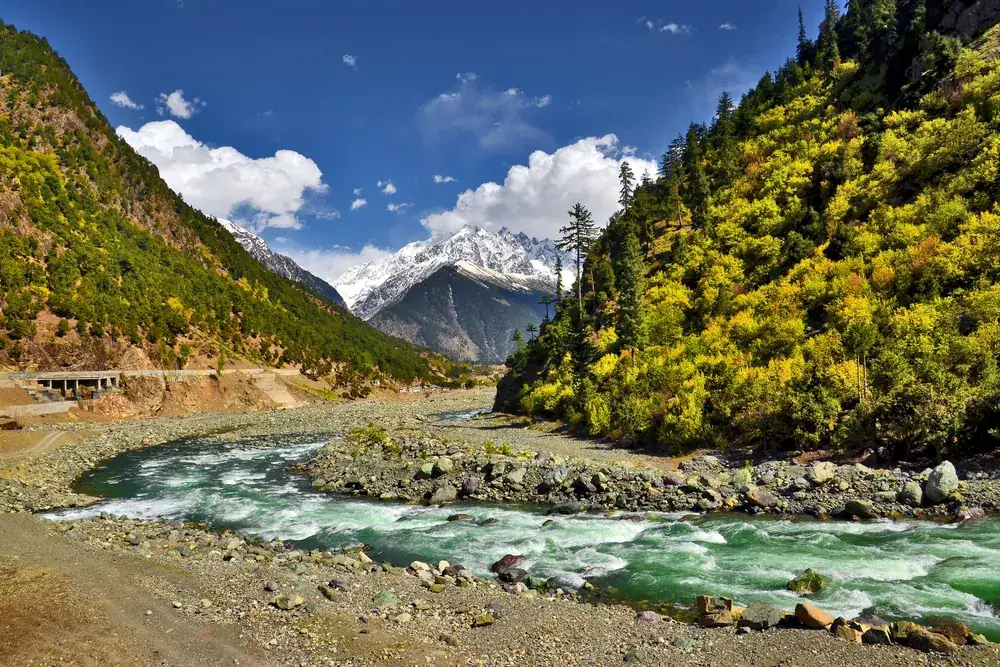
Once the heart of an ancient Buddhist kingdom, Swat earned the nickname Switzerland of Pakistan for its rivers, meadows and forested hills. The upper valley around Kalam, Bahrain and Mahodand Lake is the draw, with trout streams, alpine lakes and cool summer air, while Malam Jabba has the country's main ski resort. Scattered stupas and the Swat Museum tell the older Gandhara story.
Why go: lush green valleys within easy reach of Islamabad. Best time: April to October. Ideal stay: 2 to 3 days. Getting there: a half-day drive from Islamabad. Explore it on our Swat Valley tour.
9. The Kalash Valleys
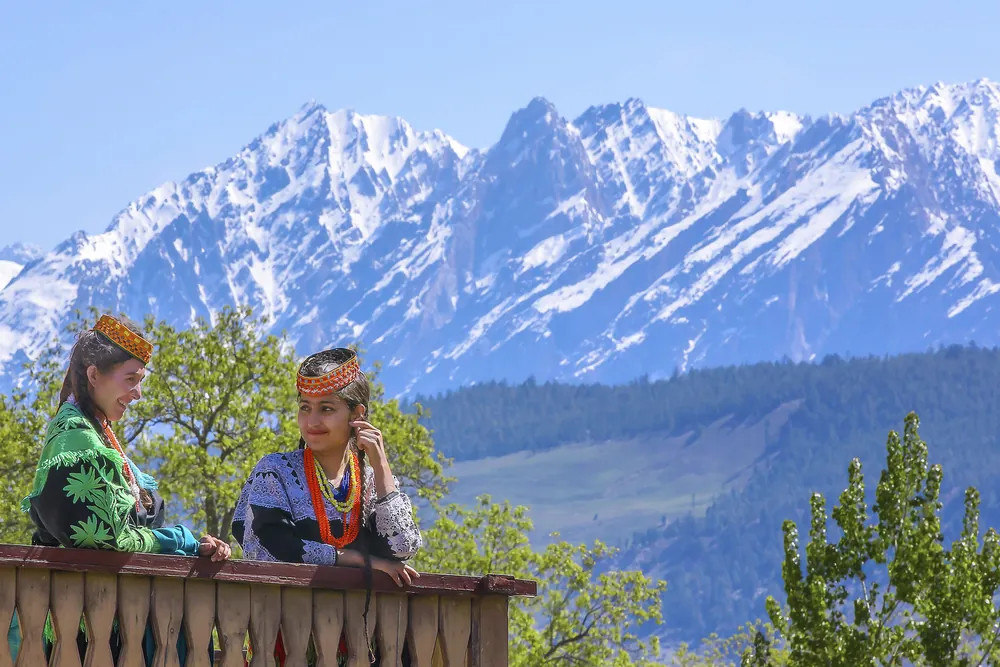
Hidden in the Hindu Kush near Chitral, the three small valleys of Bumburet, Rumbur and Birir are home to the Kalash, a few thousand people who follow an ancient polytheistic religion, speak their own language and hold vivid seasonal festivals unlike anything else in the Muslim world. Visiting the Chilam Joshi spring festival, with its dancing, drumming and flower crowns, is one of the most extraordinary cultural experiences in Asia.
Why go: a living, singular pre-Islamic culture and its festivals. Best time: May for Chilam Joshi, or the winter Choimus solstice; summer for easy travel. Ideal stay: 2 to 3 days. Getting there: by road to Chitral, then jeep. See our Kalash Valley experience.
Punjab, the capital and the south
10. Lahore and the Badshahi Mosque
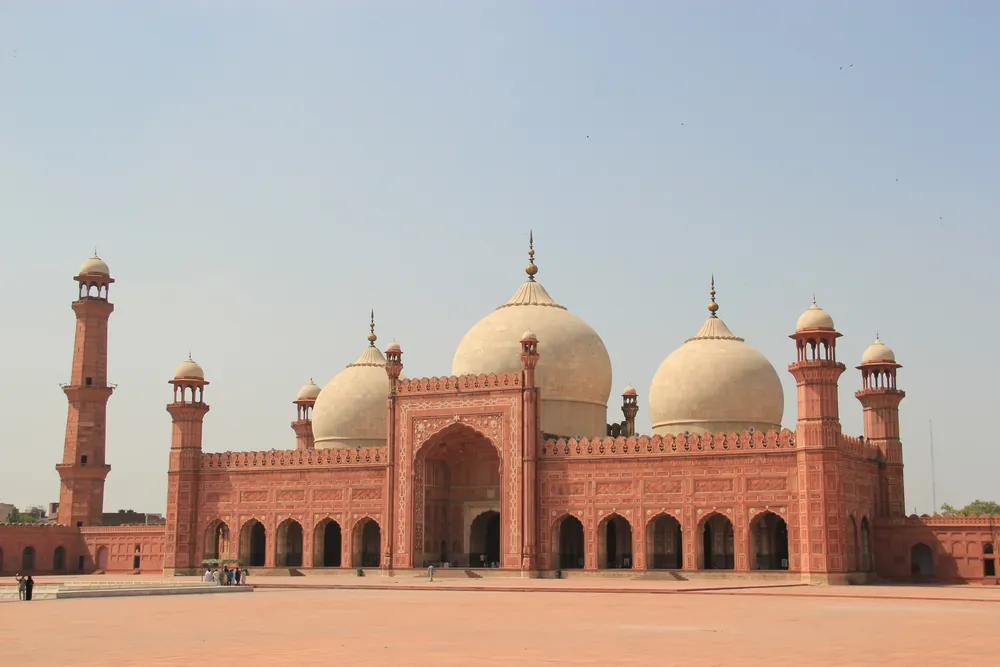
Lahore is the cultural capital, and its old city is Pakistan at its most atmospheric. The Mughal-era Badshahi Mosque (1673) and neighbouring Lahore Fort form a UNESCO-listed pair; nearby, the tiled Wazir Khan Mosque and the food streets of the Walled City reward a full day of wandering. Come evening, Lahori food, from nihari to fresh naan, is reason enough to visit on its own.
Why go: the finest Mughal architecture and food in the country. Best time: October to March. Ideal stay: 2 days. Getting there: Lahore has a major international airport and fast motorway links from Islamabad.
11. Rohtas Fort
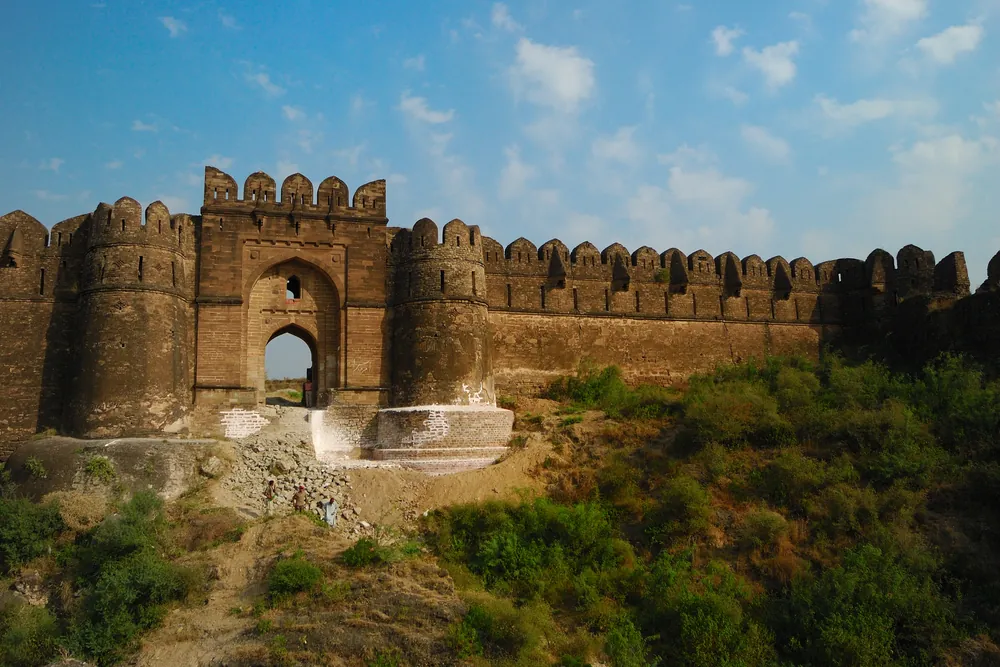
Between Islamabad and Lahore stands one of South Asia's great fortresses. Built by the Afghan king Sher Shah Suri in the 16th century, Rohtas Fort is a four-kilometre ring of colossal walls, bastions and monumental gates, remarkably intact and refreshingly uncrowded. It is a UNESCO World Heritage Site and an easy, rewarding stop on the road north or south.
Why go: a mighty, little-visited 16th-century fortress. Best time: October to March. Ideal stay: a half-day stop. Getting there: a short detour off the GT Road near Jhelum, about two hours from Islamabad.
12. Islamabad and the Margalla Hills
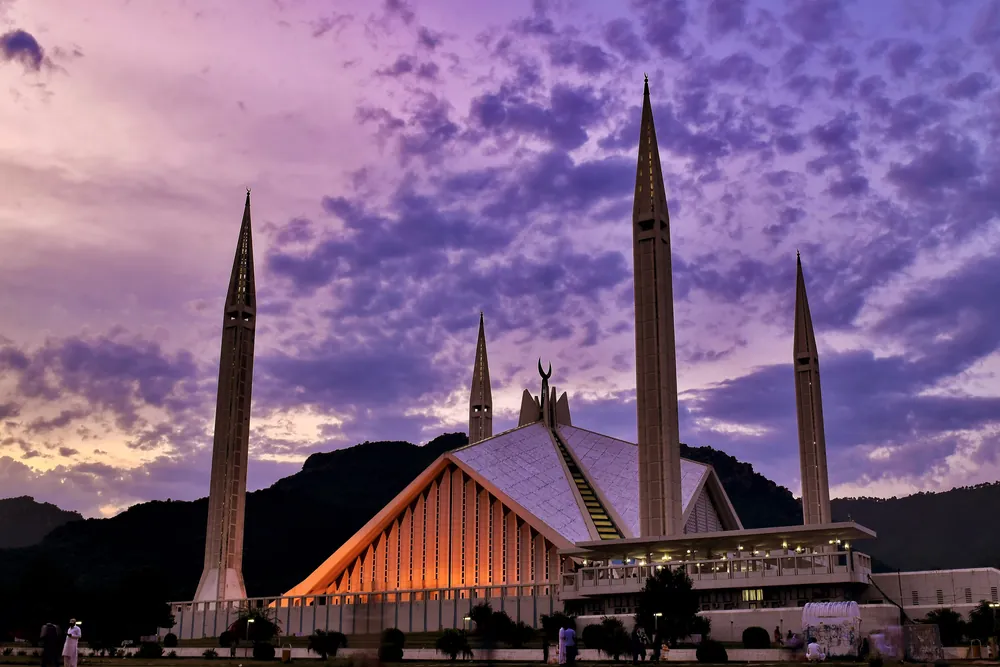
Most northern trips begin in Islamabad, and the green, orderly capital is worth a day of its own. The soaring, tent-shaped Faisal Mosque, the largest in Pakistan, sits at the foot of the forested Margalla Hills, where trails climb to the Daman-e-Koh and Monal viewpoints over the city. It is the country's easiest, calmest introduction before you head for the mountains.
Why go: a gentle, leafy start or finish to a Pakistan trip. Best time: year-round, loveliest from February to April and October to November. Ideal stay: 1 day. Getting there: Islamabad International Airport is the main hub for onward travel north.
13. Mohenjo-daro
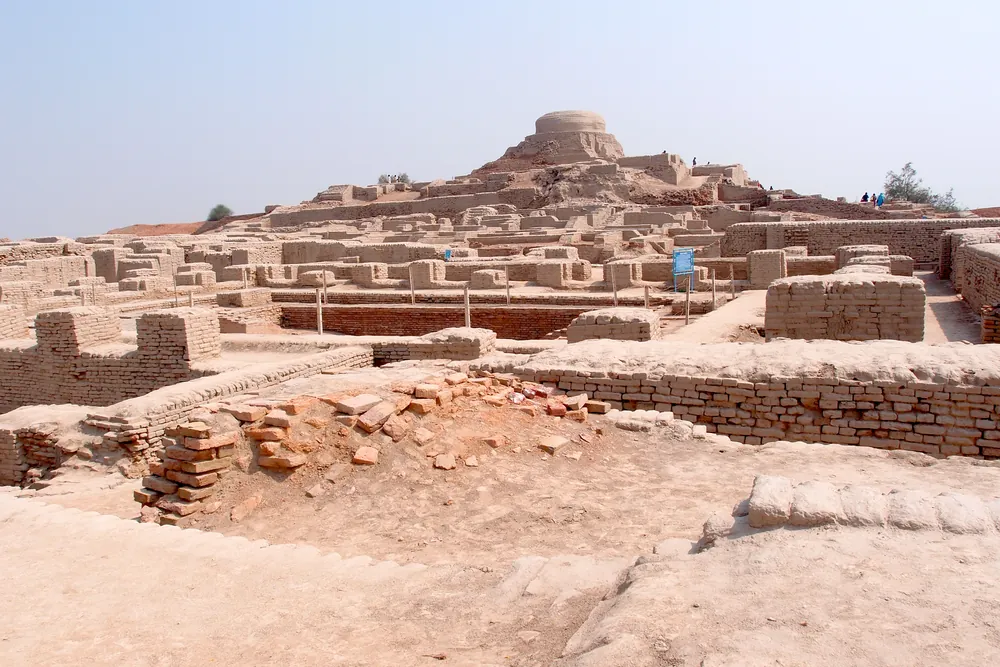
In the plains of Sindh lie the brick streets of Mohenjo-daro, one of the largest cities of the Indus Valley Civilisation and, at roughly 4,500 years old, among the oldest planned cities on earth. Its grid layout, covered drains and the famous Great Bath speak to an astonishingly advanced Bronze Age society. This UNESCO site is for travellers who want the deep history behind the scenery.
Why go: a 4,500-year-old cradle of urban civilisation. Best time: November to February (Sindh is scorching in summer). Ideal stay: a half-day. Getting there: near Larkana in Sindh, with a small airport and rail links from Karachi.
14. Hingol National Park and the Makran Coast
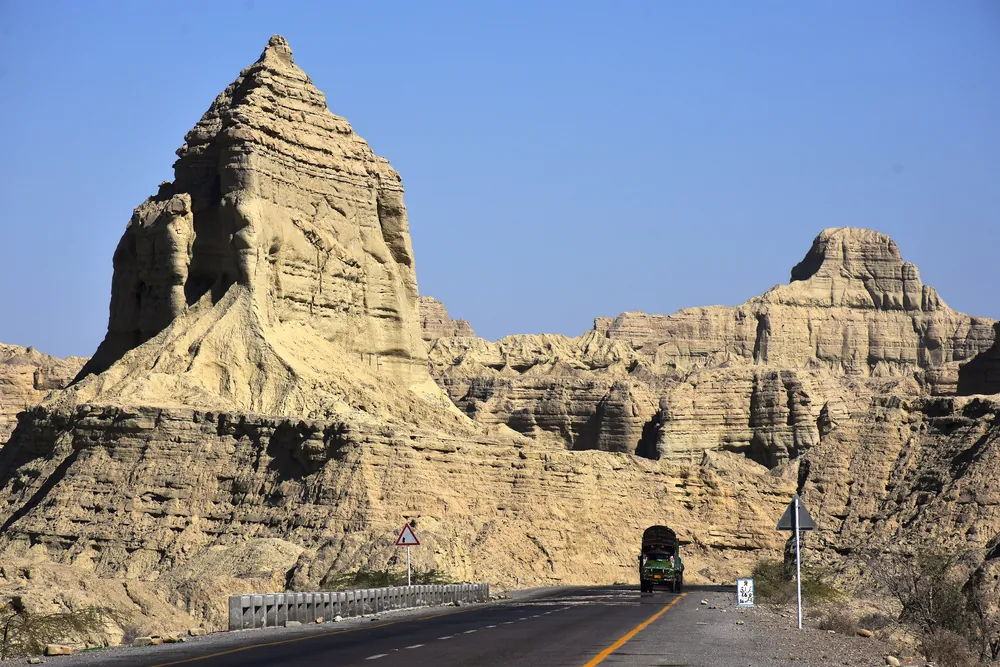
For something completely different, Pakistan's largest national park runs along the Makran Coast of Balochistan, where the desert meets the Arabian Sea. Here you will find wind-carved rock sculptures like the Princess of Hope, bubbling mud volcanoes, the Hinglaj Mata temple (a major Hindu pilgrimage) and empty golden beaches. The drive along the coastal highway from Karachi is a road trip in its own right.
Why go: otherworldly desert-and-sea scenery few travellers ever see. Best time: November to February. Ideal stay: 1 to 2 days. Getting there: by road on the Makran Coastal Highway west of Karachi.
Best places in Pakistan at a glance
| Place | Region | Best season | Suggested days |
|---|---|---|---|
| Hunza Valley | Gilgit-Baltistan | Apr to Oct | 3 to 4 |
| Attabad Lake | Gilgit-Baltistan | May to Oct | ½ to 1 |
| Skardu | Gilgit-Baltistan | May to Oct | 3 to 5 |
| Fairy Meadows | Gilgit-Baltistan | May to Oct | 2 to 3 |
| Deosai | Gilgit-Baltistan | Jun to Sep | 1 |
| Khunjerab Pass | Gilgit-Baltistan | May to Nov | 1 |
| Naltar Valley | Gilgit-Baltistan | May to Oct | 1 to 2 |
| Swat Valley | Khyber Pakhtunkhwa | Apr to Oct | 2 to 3 |
| Kalash Valleys | Khyber Pakhtunkhwa | May and summer | 2 to 3 |
| Lahore | Punjab | Oct to Mar | 2 |
| Rohtas Fort | Punjab | Oct to Mar | ½ |
| Islamabad | Capital | Year-round | 1 |
| Mohenjo-daro | Sindh | Nov to Feb | ½ |
| Hingol / Makran | Balochistan | Nov to Feb | 1 to 2 |
How to plan your Pakistan trip
Most visitors have one to two weeks and spend it in the north, where the scenery is densest and the logistics are simplest. A classic 10 to 12 day loop flies into Islamabad, drives the Karakoram Highway to Hunza, day-trips to Attabad and Khunjerab, crosses to Skardu and Deosai, and returns via Fairy Meadows. Add three or four days for Lahore or the Kalash valleys if you can. Roads are long and mountain weather is fickle, so build in buffer days rather than racing between sights.
Because permits, jeep hire, weather windows and reliable drivers all matter up here, most travellers go with a local operator. If you want the northern highlights handled end to end, our Gilgit-Baltistan Grand Tour is the natural starting point, and our complete northern Pakistan travel guide covers the practical detail. For the wider planning picture (visas, budgets and routes), see our overview of visiting Pakistan.
For official information, use Pakistan's Ministry of Tourism for visa and entry updates, and UNESCO's list of Pakistan's World Heritage Sites for the cultural highlights.
Frequently asked questions
What is the most beautiful place to visit in Pakistan?
The Hunza Valley is the most popular answer, prized for its mix of Karakoram peaks, ancient forts and orchard scenery. Fairy Meadows, facing Nanga Parbat, runs it close for the single best mountain view. Both are in Gilgit-Baltistan in the north.
How many days do you need to visit northern Pakistan?
Plan on 10 to 14 days to comfortably cover Hunza, Skardu, Fairy Meadows and Deosai with the long drives and buffer time the mountains demand. A first trip is possible in 7 days if you fly to Skardu, but you will miss the Karakoram Highway.
Do foreign tourists need permits to visit these places?
Most of Gilgit-Baltistan, including Hunza, Skardu and Fairy Meadows, is open without special permits, though you will pass through checkposts and should carry your passport and visa copies. Some border zones and trekking areas near Khunjerab or K2 require permits, which a local operator arranges for you.
Is Pakistan safe for solo and female travellers?
The northern valleys are widely regarded as safe and welcoming, and many solo and female travellers describe Hunza and Skardu as easy places to move around. Dress modestly, use trusted drivers and guides, and follow current travel advice for the region you are visiting.
What is the best time of year to visit Pakistan?
For the mountains, May to October, with July and August the only reliable months for the highest plateaus and passes. For Lahore and the southern cultural sites, visit October to March, when the plains are cool and comfortable.
Ready for Your Next Adventure?
Join our community of explorers and discover the journey of a lifetime. Our expert team is ready to help you plan your perfect expedition.