Northern Pakistan Travel Guide: Best Time, Places & Itineraries
Where to go, when to visit, how to get around and sample itineraries for Gilgit-Baltistan, Hunza, Skardu, Fairy Meadows and the Karakoram Highway.
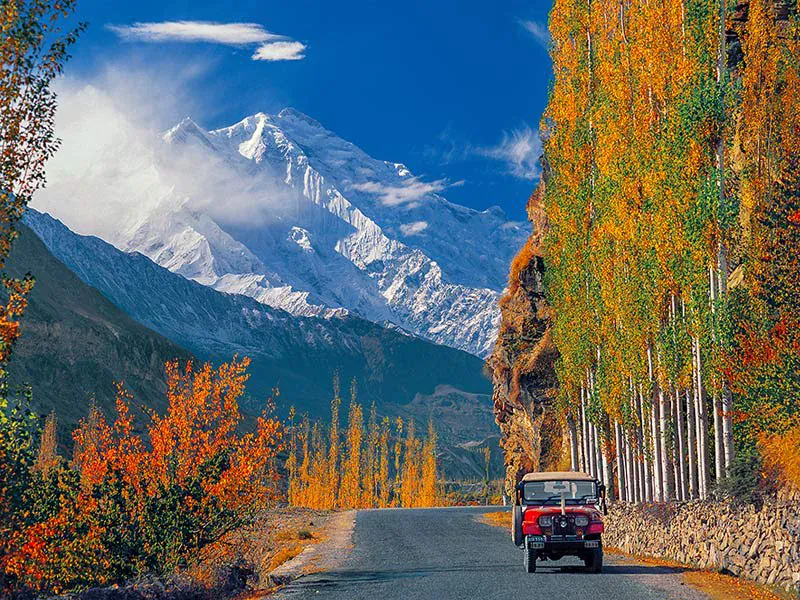
Quick answer: "Northern Pakistan" means the mountain regions of Gilgit-Baltistan, upper Khyber Pakhtunkhwa and Azad Kashmir, where the Karakoram, Himalaya and Hindu Kush ranges meet. The best time to visit is May to October (July and August for the highest valleys), you get there by flying to Gilgit or Skardu or driving the Karakoram Highway from Islamabad, and most first trips run 7 to 14 days around Hunza, Skardu and Fairy Meadows.
Northern Pakistan holds one of the greatest concentrations of high mountains on earth. In a single region, three of the world's mightiest ranges, the Karakoram, the Himalaya and the Hindu Kush, collide around turquoise rivers, apricot orchards, glaciers and 8,000-metre giants. It is remote, friendly, and for a fast-growing number of travellers the most rewarding adventure in Asia. This guide is the practical starting point: what the region is and how it breaks down, the best time to go, the places worth your days, how to get around, sample itineraries, and the visa and safety facts you actually need. We run guided trips across this whole area as a licensed local operator based in Gilgit-Baltistan, so what follows is first-hand rather than borrowed.
Where is Northern Pakistan?
"Northern Pakistan" is a loose name for the country's mountainous north, which splits into three areas:
- Gilgit-Baltistan is the heart of it: Hunza, Nagar, Skardu, the Deosai Plateau, the Karakoram Highway, and the base camps of K2 and Nanga Parbat. This is where most adventure travel happens.
- Upper Khyber Pakhtunkhwa holds the Kaghan and Naran valleys with Saif-ul-Malook lake, the green Swat valley, the Chitral region and the Kalash valleys, and the closer Galyat hill stations such as Nathia Gali.
- Azad Kashmir covers the Neelum valley and Rawalakot, lower and greener than Gilgit-Baltistan and popular for gentler trips.
For most visitors, northern Pakistan effectively means Gilgit-Baltistan plus the Kaghan and Swat valleys, all reached from Islamabad. The region sits on the collision of the Gilgit-Baltistan ranges, which is why it packs so many giant peaks into so little ground.
Best time to visit Northern Pakistan
The short answer: May to October, with July and August the only reliable window for the highest valleys and passes. Here it is season by season.
| Season | Months | What it's like | Best for |
|---|---|---|---|
| Spring | Apr–May | Blossom in Hunza, rivers rising, high passes still under snow | Apricot and cherry blossom, lower valleys |
| Summer | Jun–Aug | Warm, long days; the only time Deosai, the Khunjerab Pass and high treks are open | The classic trip, trekking, high-altitude access |
| Autumn | Sep–Oct | Golden poplars, crisp clear air, the sharpest mountain views of the year | Photography, honeymoons, fewer crowds |
| Winter | Nov–Mar | Cold, heavy snow, many roads and passes closed | Snow scenery and Hunza in winter (limited access) |
If your trip depends on Deosai, the Khunjerab Pass or a high trek like K2 Base Camp, you have to travel in the June to September window. For colour and clear skies, late September to mid-October is many photographers' favourite. Our month-by-month guide to the best time to visit Pakistan goes deeper if you are timing a trip.
Top places to visit in Northern Pakistan
You cannot see all of it in one trip. These are the headline destinations, roughly from the far north down toward Islamabad.
Hunza Valley
The postcard of northern Pakistan: apricot orchards under Rakaposhi (7,788 m) and Ladyfinger Peak, the old forts of Baltit and Altit above Karimabad, and the unreal turquoise of Attabad Lake on the road toward the Khunjerab Pass and the Chinese border. Start with our Hunza Valley tour and our guide to the best places to visit in Hunza.
Skardu and Baltistan
The gateway to K2 and the Karakoram giants, with the Shangrila and Kachura lakes, the Katpana cold desert and, in summer, the Deosai Plateau. See our Skardu tours and when to go in our best time to visit Skardu guide.
Fairy Meadows and Nanga Parbat
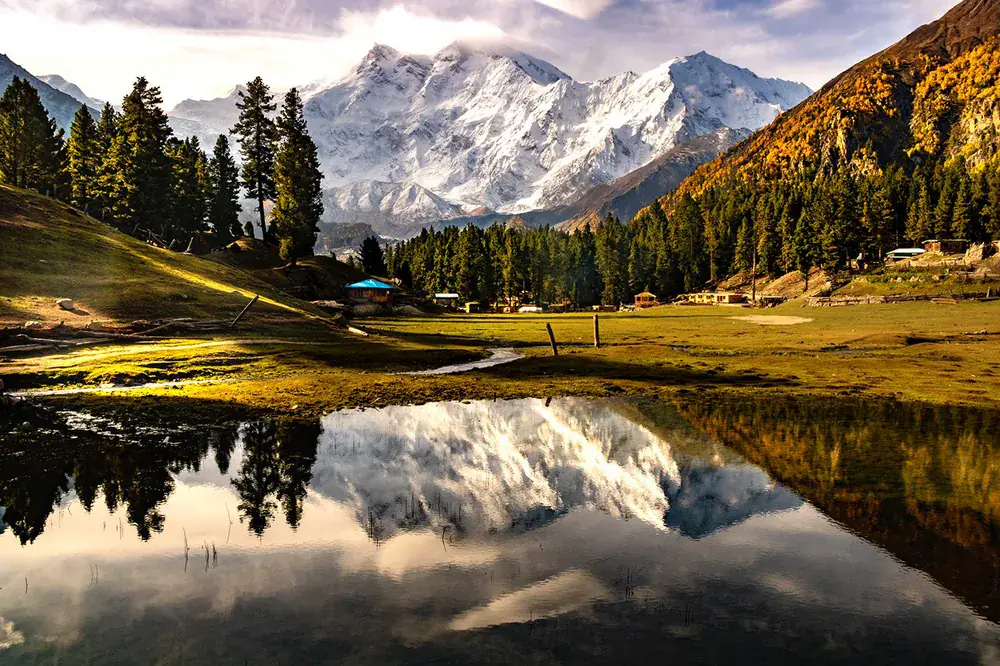
An alpine meadow facing the huge Raikot face of Nanga Parbat (8,126 m), the ninth-highest mountain on earth, reached by a jeep track and a short trek. It is one of the great mountain views anywhere. Read our Fairy Meadows guide.
The Deosai Plateau
The "Land of Giants", a 4,000-metre plateau of summer wildflowers, marmots and the Himalayan brown bear, open roughly mid-June to mid-September. Explore our Deosai National Park tour.
The Karakoram Highway
One of the world's great road journeys, climbing from the plains to the 4,693-metre Khunjerab Pass, the highest paved border crossing on earth. Half the joy of northern Pakistan is the drive itself, past Nanga Parbat, along the Indus, and up into the orchards of Hunza.
Kaghan, Naran and Saif-ul-Malook
Closer to Islamabad in Khyber Pakhtunkhwa, the Kaghan valley climbs to Naran and the mountain lake of Saif-ul-Malook, a popular and accessible first taste of the high country.
Swat and the Kalash Valleys
The green Swat valley, once called the Switzerland of Pakistan, and further west near Chitral the three Kalash valleys, home to a unique pre-Islamic culture and their spring and autumn festivals.
The Galyat and Nathia Gali
The forested hill stations between Murree and Abbottabad, an easy weekend from Islamabad and a gentle introduction to the mountains. See our Nathia Gali travel guide.
How to get around Northern Pakistan
There are two ways in, and most good trips use both:
- By air: short flights from Islamabad to Gilgit or Skardu (about an hour) drop you straight into the mountains. They are spectacular but weather-dependent, so cancellations happen and a road backup is wise.
- By road: the Karakoram Highway from Islamabad to Hunza is a two-day drive, usually broken at Chilas or Besham. It is long, but it is a large part of the experience, and it stays open far more reliably than the flights.
Within the region you travel by private car or 4x4 with a driver; public transport exists but is slow and limiting for a short trip. Many visitors fly one way and drive the other. If the logistics feel daunting, that is exactly what a guided tour takes off your plate.
Sample Northern Pakistan itineraries
Rough templates most first-timers follow:
| Length | Route | Best for |
|---|---|---|
| 7 days | Islamabad to Hunza (fly or drive), Karimabad, Attabad Lake, Khunjerab Pass, and back | A first trip, Hunza focus |
| 10 days | Hunza plus Skardu, adding Deosai and the Kachura lakes | The classic two-valley trip |
| 14 days | Grand loop: Hunza, Khunjerab, Skardu, Deosai, Fairy Meadows, along the Karakoram Highway | Seeing the whole north in one go |
Everything here is customisable. Our Gilgit-Baltistan Grand Tour is the two-week version, and shorter trips build around Hunza or Skardu.
Visa, permits and entry
Most nationalities now need a Pakistan e-Visa, applied for online in advance at the official portal, visa.nadra.gov.pk. As of 2026 the old visa-on-arrival and visa-prior-to-arrival counters are suspended, so apply before you fly. Official processing is around 7 to 10 working days but can take longer, so start a few weeks ahead. The tourist e-Visa typically costs about US$25 to US$50 depending on nationality.
Gilgit-Baltistan and Azad Kashmir are open to tourists and need no special permit for normal travel, and Pakistan has recently lifted restrictions on foreigners in several previously closed areas. Trekking or mountaineering in certain restricted or border zones, such as some high peaks and passes, can still require additional permits, which a licensed operator arranges for you.
Is Northern Pakistan safe?
Yes. Gilgit-Baltistan and the northern valleys are among the most welcoming and settled parts of the country, and tourism is central to the local economy. The real risks in the north are mountain ones, altitude, weather and long mountain roads, rather than security. As anywhere, travel with a reputable local operator, watch the weather and road conditions, and build in a buffer day or two for the flights.
- Acclimatise: many valleys sit above 2,000 to 2,500 m and the passes reach nearly 4,700 m, so take the altitude gently.
- Carry cash: ATMs are limited in the north, so bring enough rupees from Islamabad or Gilgit.
- Pack layers: even in summer the nights are cold at altitude and mountain weather changes fast.
- Respect local customs: dress modestly, ask before photographing people, and follow your host's lead.
How much does a Northern Pakistan trip cost?
Cost varies widely with length, comfort and group size. As a rough guide, a guided week in the north with hotels, a private vehicle and a driver-guide starts in the low four figures per person, rising for longer grand tours, premium hotels, or a private trek with porters and permits. Independent budget travel is cheaper but takes more time and local know-how, especially for the flights and permits. Tell us your dates and style and we will build a plan to fit; you can browse our guided northern Pakistan tours to see the range.
Northern Pakistan FAQ
Where is northern Pakistan?
It is the mountainous north of the country: Gilgit-Baltistan, upper Khyber Pakhtunkhwa (Kaghan, Swat, Chitral) and Azad Kashmir, where the Karakoram, Himalaya and Hindu Kush ranges meet.
What is the best time to visit northern Pakistan?
May to October, with July and August the only reliable window for the highest valleys, Deosai and the Khunjerab Pass. Late September to mid-October brings golden autumn colour and the clearest views.
How many days do you need in northern Pakistan?
About seven days for a Hunza-focused first trip, ten to see Hunza and Skardu, and roughly two weeks for a grand loop that adds Deosai and Fairy Meadows.
How do you get to northern Pakistan?
Fly from Islamabad to Gilgit or Skardu (about an hour, weather permitting), or drive the Karakoram Highway from Islamabad over two days. Many travellers do one of each.
Do you need a visa for northern Pakistan?
Most visitors need a Pakistan e-Visa, applied for online in advance; visa on arrival is suspended as of 2026. Gilgit-Baltistan needs no separate permit for normal travel, though high treks and some border zones can.
Is northern Pakistan safe for tourists?
Yes. Gilgit-Baltistan and the northern valleys are welcoming and stable, and the government has eased tourist access. The main risks are mountain ones, altitude, weather and long roads, not security.
What are the top places to visit in northern Pakistan?
Hunza, Skardu, Fairy Meadows and Nanga Parbat, the Deosai Plateau, the Karakoram Highway and Khunjerab Pass, plus Kaghan and Naran, Swat and the Kalash valleys.
Ready for Your Next Adventure?
Join our community of explorers and discover the journey of a lifetime. Our expert team is ready to help you plan your perfect expedition.