Shimshal Pamir Trek: Days, Altitude, Cost
Every source quotes a different length for this trek, from a week to twenty days. Here is what the numbers mean, how high it actually goes, and what it costs.
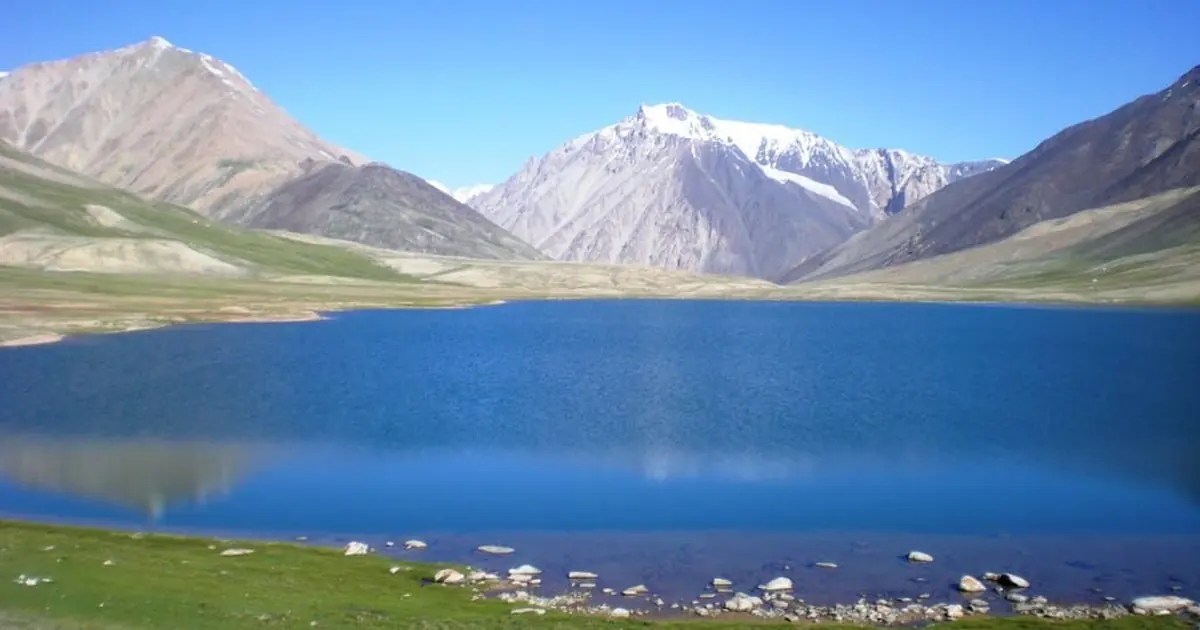
Look up this trek and the first thing you will notice is that nobody agrees how long it takes. One operator says ten days. Another says seventeen, or twenty. A well-read independent guide calls it "about a week". Our own trip is eleven.
They are all telling the truth. They are just counting different things, and none of them says so.
How many days is the Shimshal Pamir trek?
The walking is the small part. What inflates the number is everything wrapped around it: the two days it takes to reach Hunza from Islamabad by road, the jeep up the Shimshal road, acclimatisation days, and the same journey in reverse.
| What is being counted | Days | Who quotes it this way |
|---|---|---|
| On foot, Shimshal village to the Pass and back | 5 to 8 | Independent trekkers and trip reports |
| From Hunza, including the jeep in and out | 8 to 11 | Most operator packages, including ours |
| Islamabad to Islamabad, road both ways | 17 to 20 | Full-service expedition itineraries |
So when you compare two quotes, check where day one starts. A ten-day trip that begins in Hunza and a seventeen-day trip that begins in Islamabad can be the identical walk. The difference is who is paying for the transfers and the contingency days.
How high does it go, stage by stage
The published altitude for the Pass itself is consistent, which is a relief after the day count. Shimshal Pass sits at 4,735 m, and the village below it at 3,113 m, the highest settlement in Hunza District. What almost nobody publishes is what happens in between.
| Stage | Altitude | What it is |
|---|---|---|
| Shimshal village | 3,113 m | Roadhead, last shops, last phone signal |
| Ghar-e-Sar | ~3,670 m | First camp above the village |
| Peryen Sar | ~3,850 m | Second camp, also written Arbab Purien |
| Shuwjerab | ~4,350 m | Summer settlement, the yak pastures begin |
| Minglik Sar base camp | ~4,730 m | Two lakes, Zak Zoi and Lup Zoi |
| Shimshal Pass | 4,735 m | The Pamir plateau and the yak-race ground |
That is about 1,620 m of ascent from the village to the Pass, spread across four or five walking days. It is a sensible profile. You are not sleeping at 4,700 m on night two.
Getting to Shimshal: the 56 km road
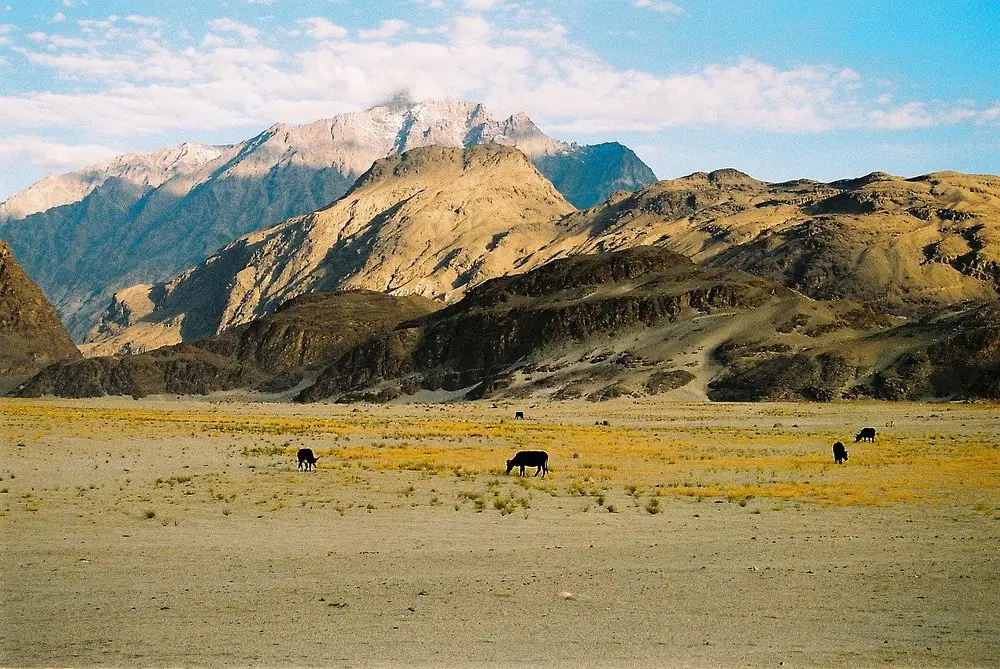
The valley had no road at all until October 2003. Before that, everything came in on foot or on a yak, and Shimshalis walked three days to reach the Karakoram Highway. The road they built runs 56 km from the KKH at Passu, and it is still a jeep track cut into gorge walls, not a highway. Budget three hours or so, longer if there has been rock.
From the highway side, Passu is the turn-off, which makes this an easy add-on if you are already working your way up the Karakoram Highway. Public jeeps run when they fill; a private jeep is the reliable option and the one most trips use.
Shimshal weather, and why the forecasts disagree
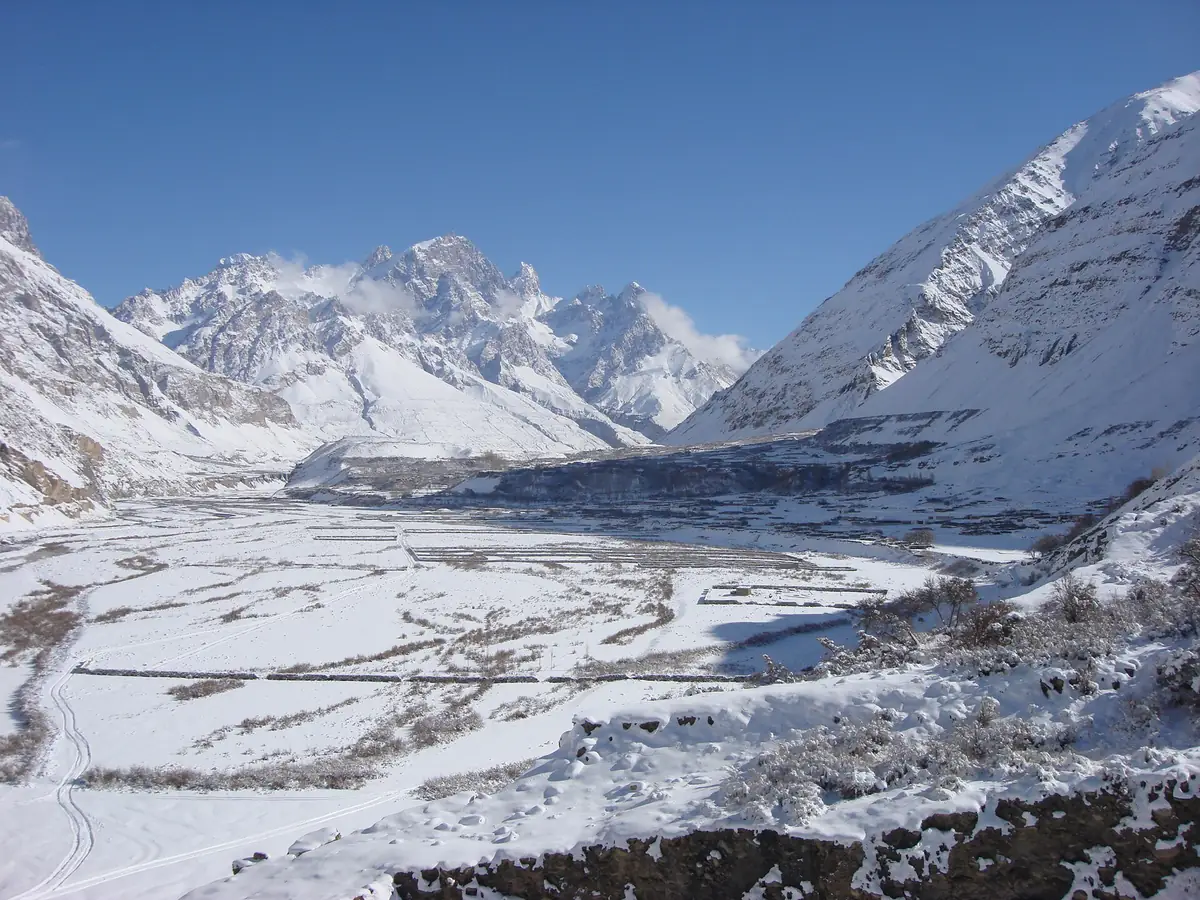
If you check two weather sites for Shimshal you will get answers that look irreconcilable. One will show a July high around 10°C; another will tell you summers reach the low twenties. Both are plausible, because "Shimshal" means two places 1,600 m apart. A forecast pinned to the village at 3,113 m and one pinned to Shimshal Pass at 4,735 m describe genuinely different weather, and roughly 10°C separates them.
What holds regardless of which station you trust:
- The village is pleasant in July and August, cold at night from September, and deep in snow from November.
- The Pamir, up at 4,350 m and above, drops to or below freezing overnight in any month. There is no warm season up there, only a less cold one.
- The road is snowbound seven to eight months of the year, which is the real constraint on when you can go at all.
- Snow falls on around 125 days a year across the valley as a whole.
The practical window is May to October for the valley and June to September for the Pamir itself, with July and August the most settled. June gives you the freshest pasture and fewer people; September gives the clearest air and colder nights.
The Pamir itself: Shuwjerab and the yak herders
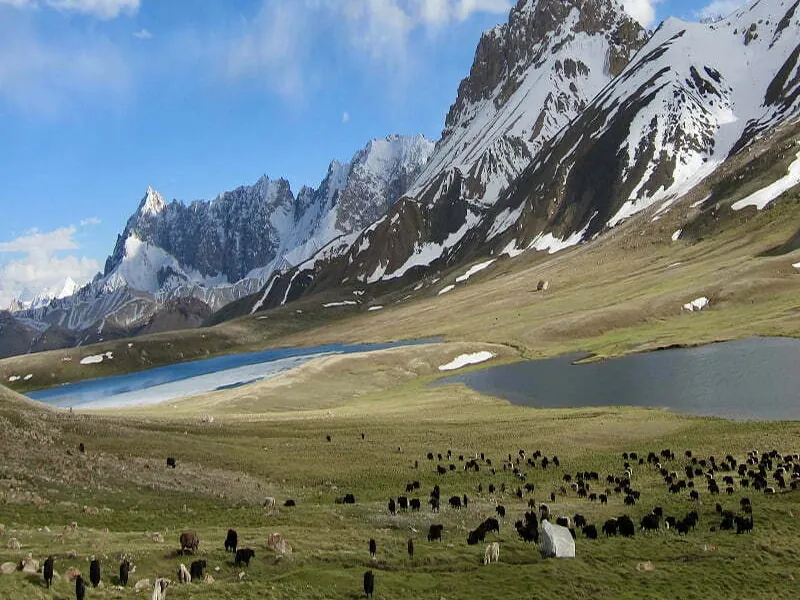
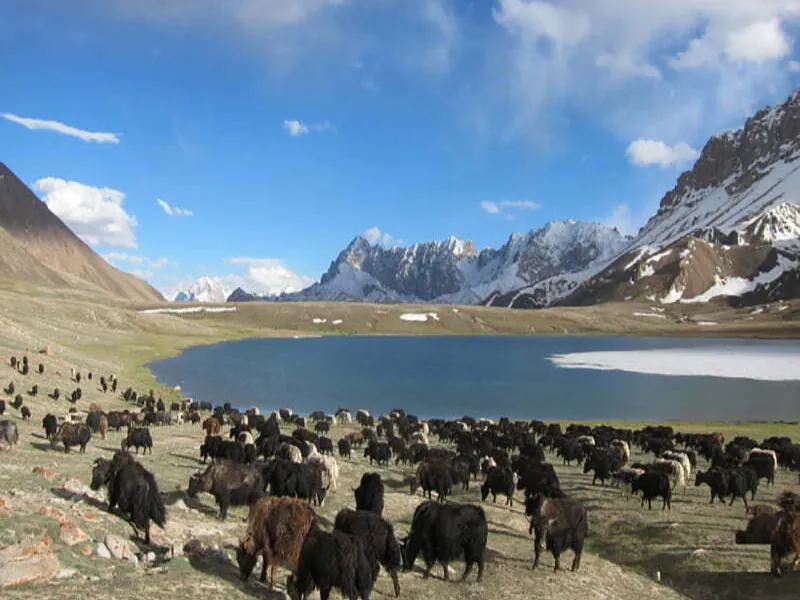
The word Pamir here does not mean the range in Tajikistan. It is the local term for high summer grazing ground, and Shimshal has several: Gujerav, Yazghail, Loopghar and the one this trek visits. Every summer, families move up from the village with yaks, goats and sheep and live at Shuwjerab at about 4,350 m until the weather turns.
The people are Wakhi speakers, and the village runs to a little over 2,000 people in roughly 450 households. The Pass hosts an annual yak race, which is as good a reason to time a trip as any. If the herding side is what draws you rather than the pass itself, our Shimshal yak safari is built around the migration instead of the summit-and-return rhythm.
How hard is it?
Graded strenuous, and the grade is about endurance rather than technique. There is no climbing on the way to the Pass, no fixed rope, and no crevassed glacier on the standard line. What there is: remoteness, four or five consecutive walking days, camps above 4,000 m, and no way to shorten the trip once you are past Shuwjerab.
Ask yourself a simpler question than whether you are fit: can you get up on the fourth morning and do another six hours, at 4,300 m, in the same boots? Porters and pack animals take the camp and the food, so the weight is not the problem. The repetition is.
The stage profile gains height gradually and the camps step up sensibly, so altitude is rarely the thing that goes wrong. What changes the calculation is that you are a long way from a road for several days, and the usual signals matter more when evacuation is slow. Headache, nausea, breathlessness at rest and broken sleep are the ones to act on; the NHS summary on altitude sickness covers it plainly. Give yourself nights in Hunza before the jeep, not after.
What the Shimshal Pamir trek costs
Costs split by how much you are organising yourself.
| Arranged locally in Shimshal | Fully supported package | |
|---|---|---|
| Rough cost | Guide and porters at village rates, plus jeep and food | Around $2,000 to $2,200 per person |
| Includes | People and pack animals. Everything else is yours | Guide, porters, tents, all meals, jeep transfers, fees |
| You need | Your own tent, bag rated well below zero, stove, food for the whole trek | A daypack and boots |
| Suits | Experienced, self-sufficient trekkers already in Gojal | Anyone flying in, or short on time |
The cheaper route is genuine and Shimshal has a strong local guiding tradition, several of its people being well-known mountaineers. But there are no resupply points above the village, so self-sufficiency means carrying everything for the full crossing. Our Shimshal Pass trek sits at the other end, with the jeep, the porter team and the acclimatisation days built in.
Do you need a permit?
No. Shimshal falls inside the open zone, which means your tourist visa is the only paperwork involved. No No Objection Certificate, nothing to file in advance. You will pass a checkpoint or two on the Karakoram Highway and may be asked to write your details in a register, which is not the same thing as a permit.
The exception is climbing. Peaks above 6,500 m need a permit, which is why the trek itself is paperwork-free while some of the summits around it are not.
Adding Minglik Sar to the trek
The Pamir puts you at the foot of one of the most approachable 6,000 m peaks in Pakistan. Minglik Sar, 6,050 m, rises straight off the plateau as a gently angled snow slope, with base camp at about 4,730 m between the lakes of Zak Zoi and Lup Zoi. It sits below the 6,500 m permit line, and for anyone who has walked this far already the summit day is a long slog rather than a technical problem.
Adding it turns a trek into a first Karakoram summit without changing the approach at all, which is why so many Shimshal itineraries quietly include it.
Frequently asked questions
How long is the Shimshal Pamir trek?
Five to eight days on foot from Shimshal village to the Pass and back. Packages from Hunza run eight to eleven days, and full itineraries starting and ending in Islamabad run seventeen to twenty. Our own trip is eleven. The walking is the same in every case; the difference is transfers and contingency days. What inflates the number is the two days it takes to reach Hunza from Islamabad by road, the jeep up the Shimshal road, acclimatisation days, and the same journey in reverse. So when you compare quotes, check where day one starts, because a ten-day trip from Hunza and a seventeen-day trip from Islamabad can be the identical walk. The ascent itself takes four or five walking days, gaining about 1,620 m. Many itineraries also add Minglik Sar, a 6,050 m peak above the Pamir, without changing the approach at all.
How high is Shimshal Pass?
4,735 m. Shimshal village below it sits at 3,113 m, the highest settlement in Hunza District, so the trek gains roughly 1,620 m between the two. That ascent is spread over four or five walking days, with camps at Ghar-e-Sar (about 3,670 m), Peryen Sar (about 3,850 m), the summer settlement of Shuwjerab (about 4,350 m) and Minglik Sar base camp (about 4,730 m) beside the lakes of Zak Zoi and Lup Zoi. It is a sensible profile, and you are not sleeping at 4,700 m on night two. The Pass opens onto the Pamir plateau and the ground used for the annual yak race. The height also explains why weather forecasts disagree: the village and the Pass are about 1,600 m apart, with roughly 10 °C between them. Above 4,350 m it drops to or below freezing at night in any month, so pack accordingly.
Do you need a permit for the Shimshal Pamir trek?
No. Shimshal falls inside the open zone, so a tourist visa is all you need and there is nothing to apply for beforehand: no No Objection Certificate and nothing to file in advance. You will pass a checkpoint or two on the Karakoram Highway and may be asked to write your details in a register, but that is not the same as a permit. Climbing peaks above 6,500 m is a separate matter and does require one, which is why the trek is paperwork-free while some of the summits around it are not. Minglik Sar, at 6,050 m, sits below that line, so you can add it from base camp at about 4,730 m without extra permits. On our Shimshal Pass trek we handle the jeep, porters and fees, so the logistics are covered even though the paperwork is minimal.
What is the best time for the Shimshal Pamir trek?
June to September for the Pamir, with July and August the most settled. June gives you the freshest pasture and fewer people, and September brings the clearest air and colder nights. The valley road is passable roughly May to October and snowbound for the other seven to eight months, which is the real limit on when you can go at all. Expect the village to be pleasant in July and August, cold at night from September and deep in snow from November. Up on the Pamir, at 4,350 m and above, it drops to or below freezing overnight in any month, so there is no warm season there, only a less cold one. The yaks are on the high pastures from June until the weather turns. The Pass also hosts an annual yak race, a good reason to time a trip around it.
How do you get to Shimshal village?
By jeep on the 56 km road that leaves the Karakoram Highway at Passu. It was completed in October 2003, and before then everything came in on foot or by yak, and Shimshalis walked three days to reach the highway. It remains a rough jeep track cut into the gorge walls, not a highway, and it takes around three hours, longer if there has been rockfall. Public jeeps run when they fill, but a private jeep is the reliable option and the one most trips use. Because Passu is the turn-off, Shimshal is an easy add-on if you are already travelling up the Karakoram Highway. Reaching Hunza from Islamabad takes about two days by road. We recommend spending a few nights in Hunza before the jeep ride to help with acclimatisation. The road is snowbound seven to eight months of the year, so the drive only works roughly May to October.
How hard is the Shimshal Pamir trek?
Strenuous but not technical. There is no climbing, no fixed rope and no crevassed glacier on the standard route to the Pass. The grade is about endurance: four or five consecutive long walking days, camps above 4,000 m and genuine remoteness, with no way to shorten the trip once you are past Shuwjerab. A useful test: can you get up on the fourth morning and walk another six hours at 4,300 m in the same boots? On a supported trip, porters and pack animals carry the camp and the food, so weight is not the problem; the repetition is. The camps step up gradually, so altitude is rarely what goes wrong, but evacuation is slow, so act early on headache, nausea, breathlessness at rest or broken sleep. Self-sufficient trekkers have it harder, since there are no resupply points above the village and you carry everything.
What is the Shimshal Pamir?
Pamir is the local word for high summer pasture, not a reference to the range in Tajikistan. Shimshal has several of them, including Gujerav, Yazghail, Loopghar and Shuwjerab, the one this trek visits. Every summer, Wakhi families from Shimshal move their yaks, goats and sheep up to Shuwjerab at around 4,350 m and live there until the weather closes in, often with several hundred animals. Shimshal village itself has a little over 2,000 people in roughly 450 households. The Pamir is grazing ground on a high plateau, and the Shimshal Pass at 4,735 m is where the annual yak race is held. Even in midsummer the nights on the pasture are bitterly cold. If the herding life is what draws you rather than the Pass, our Shimshal yak safari is built around the migration instead of the walk up and back.
Ready for Your Next Adventure?
Join our community of explorers and discover the journey of a lifetime. Our expert team is ready to help you plan your perfect expedition.