Hunza Valley Facts: The Truth About Longevity, Language and Culture
Do Hunza people really live to 120? What language do they speak, and what makes their culture unusual? Here are the real facts about the Hunza Valley and its Burusho people, myths separated from truth.
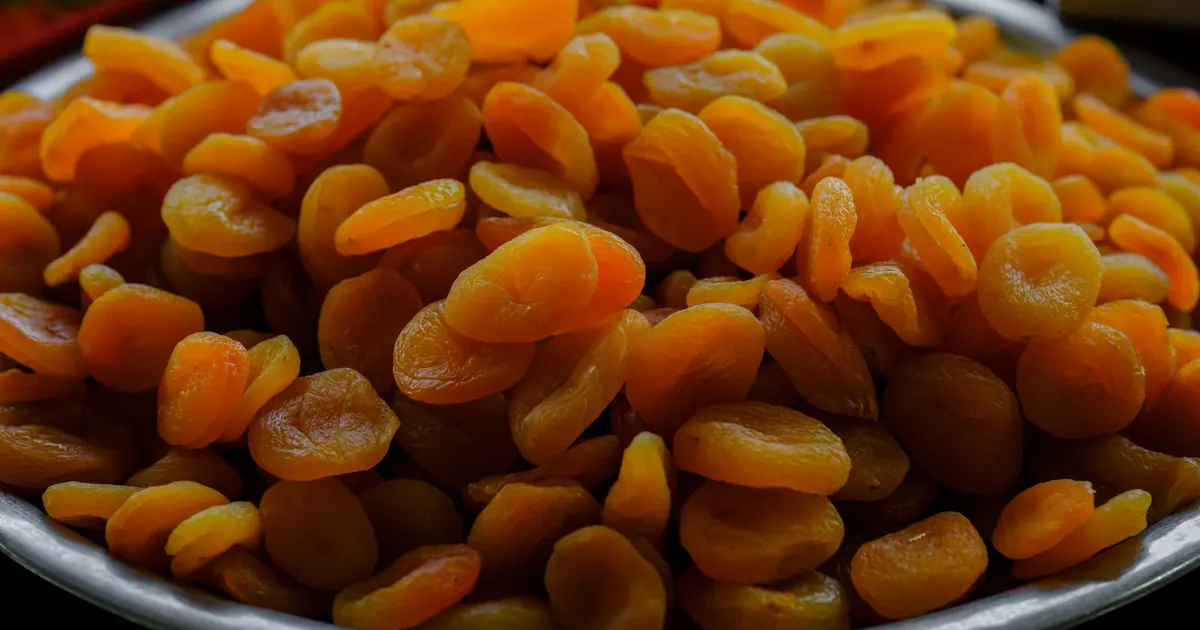
Ask anyone what they know about Hunza and you will usually hear the same line: the people live impossibly long lives on a diet of apricots. It is a good story, and it is mostly wrong. The real Hunza is a small former mountain kingdom in northern Pakistan with a genuinely unusual culture, its own isolate language, and a level of education that stands out across the country. We run trips here every season and know the valley well, so this guide sorts the tourist-brochure myths from what is actually true.
Where is Hunza, and who are the Hunza people?
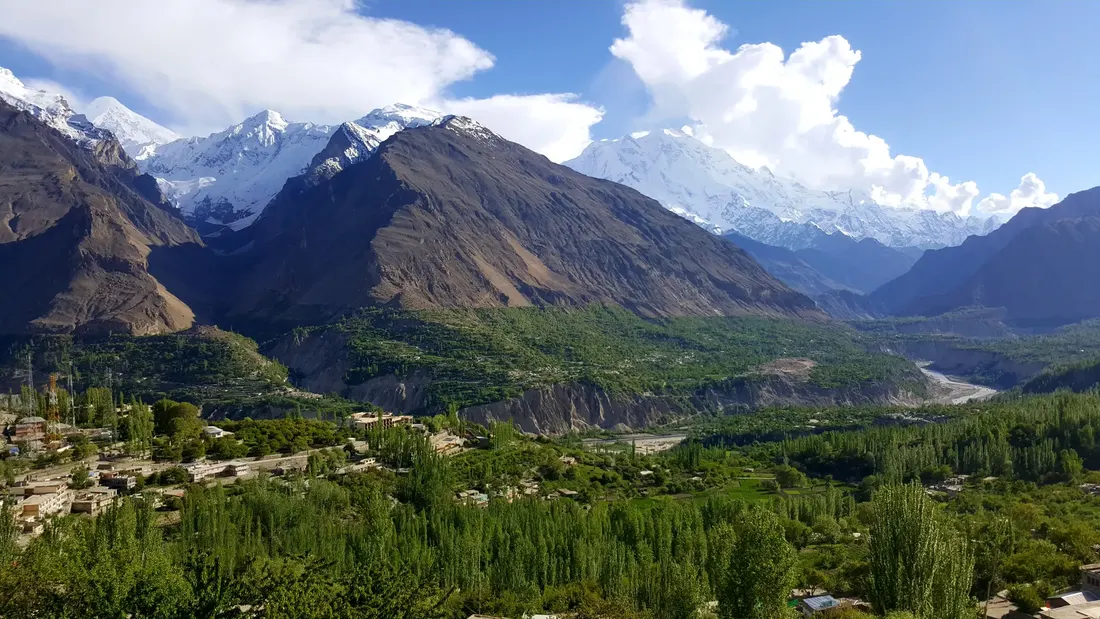
Hunza is a valley in Gilgit-Baltistan, the mountainous far north of Pakistan, strung along the Hunza River and the Karakoram Highway between Gilgit and the Khunjerab Pass on the China border. It sits beneath giants like Rakaposhi (7,788 m) and Ultar Sar, with the main town, Karimabad, terraced up the hillside. The people are the Burusho, sometimes called Hunzakuts. Until 1974 Hunza was a princely state ruled by a hereditary prince, the Mir of Hunza, which is part of why its culture stayed so distinct.
| Fact | Detail |
|---|---|
| Region | Hunza, Gilgit-Baltistan, northern Pakistan |
| Main town | Karimabad (formerly Baltit) |
| People | Burusho (Hunzakuts) |
| Languages | Burushaski (central Hunza), Wakhi (Gojal / Upper Hunza), Shina (Lower Hunza) |
| Population | Around 126,000 Burusho (2018) |
| Religion | Mostly Ismaili Muslims, followers of the Aga Khan |
| Literacy | Among the highest in Pakistan |
| Famous for | Apricots, the longevity legend, Baltit and Altit forts |
Do Hunza people really live to 120?
No. This is the single biggest myth about Hunza, and it does not hold up. The idea took off in the mid-20th century through books and health magazines that described a Shangri-La where people routinely reached 120 to 160 in perfect health. The problem is simple: Hunza kept no birth records, so nobody could actually verify anyone's age. When researchers looked closely, the story fell apart.
A Japanese research team from Kyoto University that examined Hunza residents in 1960 found the opposite of a disease-free paradise, documenting goitre, malnutrition, tuberculosis and high infant mortality. Independent estimates put real life expectancy at the time in the low 50s, roughly in line with the wider region, not the triple-digit figures of the legend. The related claim that Hunzas never get cancer because they eat apricot kernels is also false; medical research has recorded cancer and other diseases among them like anywhere else.
So what is true? The kernel of truth is a genuinely healthy traditional lifestyle: an active life spent farming steep terraces at altitude, a largely unprocessed diet heavy in fruit, vegetables and grains, glacier meltwater, and a close-knit community with low stress. That is worth respecting. It just does not add up to 160-year-olds.
What is "Hunza water"?
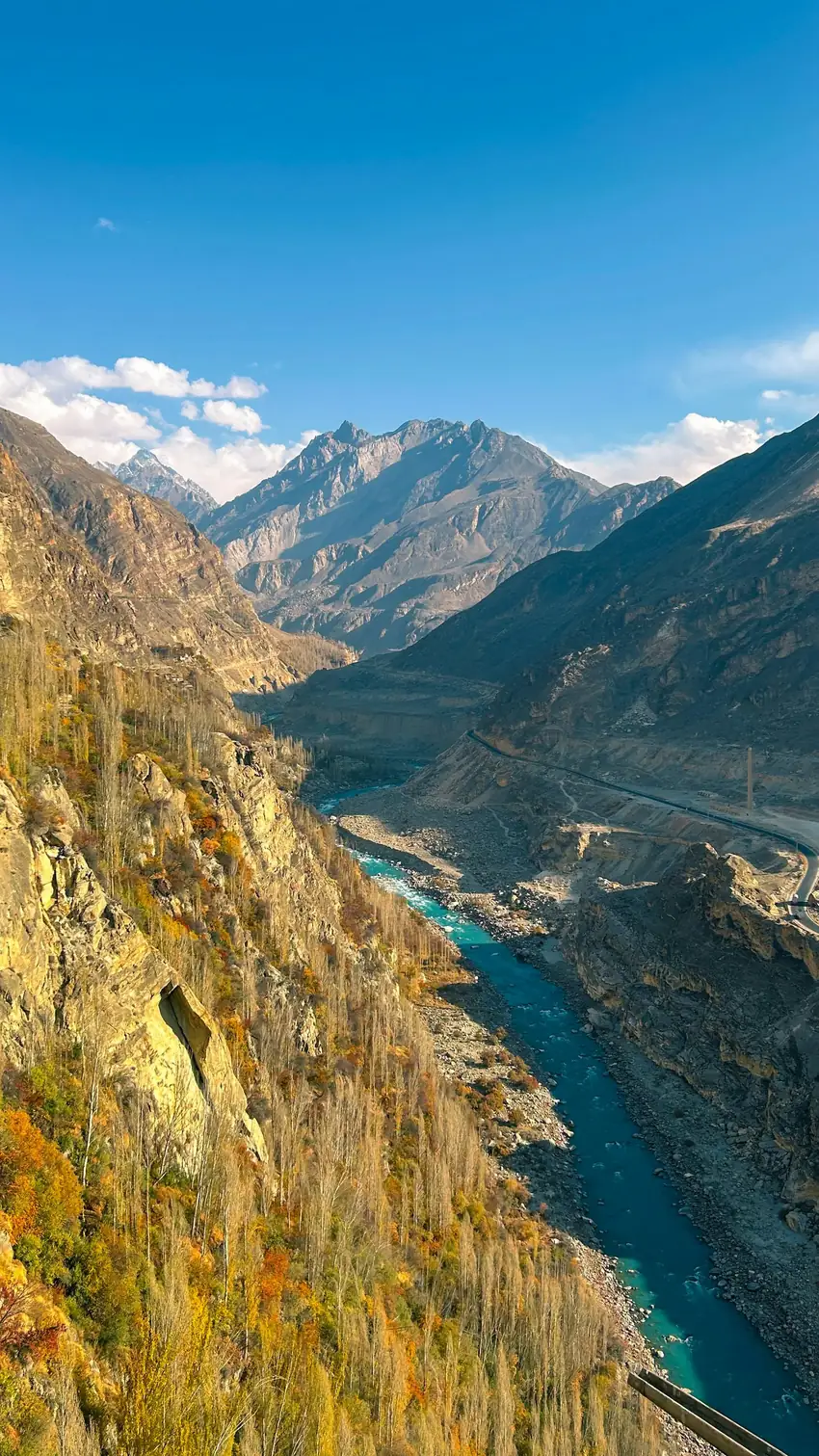
You will often see "Hunza water" mentioned alongside the longevity story. It refers to the valley's glacier meltwater, the cloudy, mineral-rich runoff that locals call glacial milk. As glaciers grind rock into fine powder, the meltwater carries a load of dissolved minerals, which is where the idea of a health-giving "miracle water" came from. Hunza's fields and orchards are irrigated with it through old stone channels, and the milky turquoise Hunza River below Karimabad is the same water on a bigger scale.
Is it a fountain of youth? No. It is genuinely clean, cold mountain water, and drinking unprocessed glacier-fed water is part of the healthy-lifestyle picture, but there is no evidence it extends life on its own. Treat "Hunza water" as a nice real detail of the valley, not a cure. If you visit, the river and the irrigation channels are worth seeing in their own right.
Burushaski: a language unrelated to any other
This is the fact that should be famous instead of the longevity myth. The Hunza speak Burushaski, and it is a language isolate, meaning linguists have never been able to link it to any other language family on earth. It is not Indo-European like Urdu or the languages around it, not Tibetan, not anything. It simply stands alone, spoken by roughly 120,000 people across Hunza, Nagar and Yasin.
Because it is so unusual, Burushaski has drawn decades of academic attention. Some linguists have even proposed a distant link to Basque, the other famous isolate of Europe, though that connection is speculative and unproven. What is certain is that a language surviving in isolation this long, high in the Karakoram, is genuinely rare. Most people in Hunza today also speak Urdu and often good English, but Burushaski is the mother tongue and the real cultural marvel of the valley.
One thing that surprises visitors is that Hunza is not a single-language valley. Burushaski is the language of central Hunza around Karimabad. Head north into Gojal (Upper Hunza), toward Gulmit, Passu and the Khunjerab Pass, and the everyday language becomes Wakhi, a Pamiri tongue related to languages across the border in Tajikistan and Afghanistan. Lower Hunza, toward Gilgit, leans to Shina. Three distinct languages in one small valley is a rare thing, and it tells you how many peoples this corner of the Karakoram has drawn together over the centuries.
Religion and the Aga Khan
Most people in central Hunza are Ismaili Muslims, a branch of Shia Islam whose spiritual leader is the Aga Khan. This matters for the traveller because it shapes the feel of the valley: it is relaxed and open, women are visible and active in daily life, and there are Ismaili jamat khanas (community halls) rather than the large mosques you see elsewhere. Neighbouring Nagar, just across the river, is mainly Twelver Shia, so the religious map shifts valley by valley.
The Ismaili community's development network has also had a huge practical effect. The Aga Khan Development Network built schools, health centres and cultural programmes across Hunza, and famously funded the restoration of the old forts. More than anything else, this is what lies behind Hunza's reputation for education.
Literacy: the fact that really stands out
If one number deserves the attention the longevity myth gets, it is Hunza's literacy. The valley is regularly cited as having one of the highest literacy rates in Pakistan, far above the national average, and, unusually for the region, girls are schooled almost as much as boys. It is common to meet young people from Hunza studying at universities in Karachi, Islamabad or abroad, then returning home.
This did not happen by accident. Decades of investment in schooling, much of it through Aga Khan institutions, turned a remote valley into one of the most educated corners of Pakistan. For a place once known only for a longevity fairy tale, that is the genuinely remarkable modern story.
The real Hunza diet
Fruit is the one part of the food legend that is true. Hunza is an orchard valley, and above all it is apricot country: dozens of local varieties, dried on rooftops for winter and pressed for apricot oil. But the orchards do not stop at apricots. Hunza is famous for its apples, and grows cherries, mulberries, grapes, pears and walnuts too, so from summer into autumn the valley is heavy with fruit. Alongside all that, the traditional diet leans on whole grains like wheat, barley and buckwheat, vegetables and dairy, with meat eaten sparingly. Everyday meals like chapati with dal, and local specialities such as chap shoro (a meat-filled bread), are the reality rather than a mystical superfood plan.
It is a wholesome, largely unprocessed diet, and that is a fair thing to admire. Just skip the apricot-kernel cancer cure; that part is a myth, and raw bitter kernels in quantity are actually unsafe.
Culture, clans and daily life
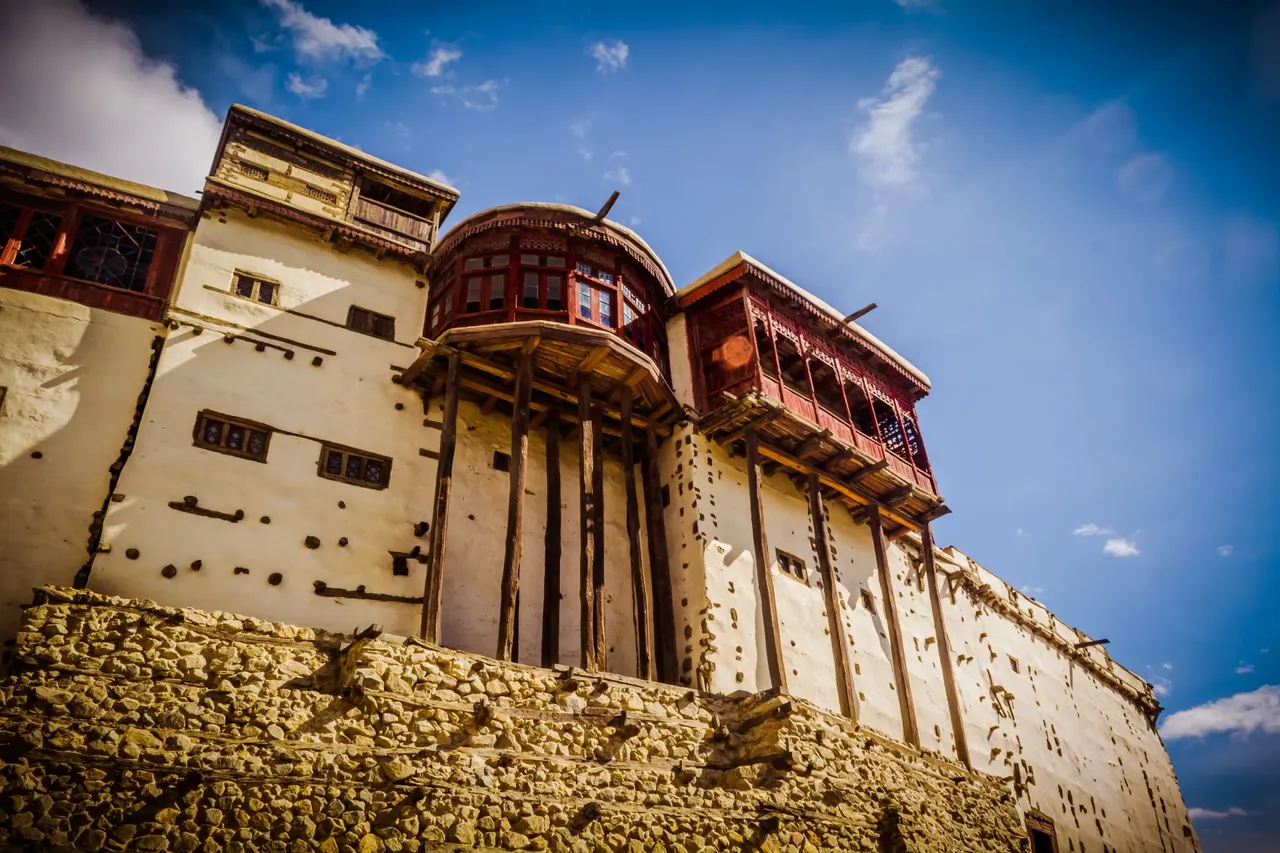
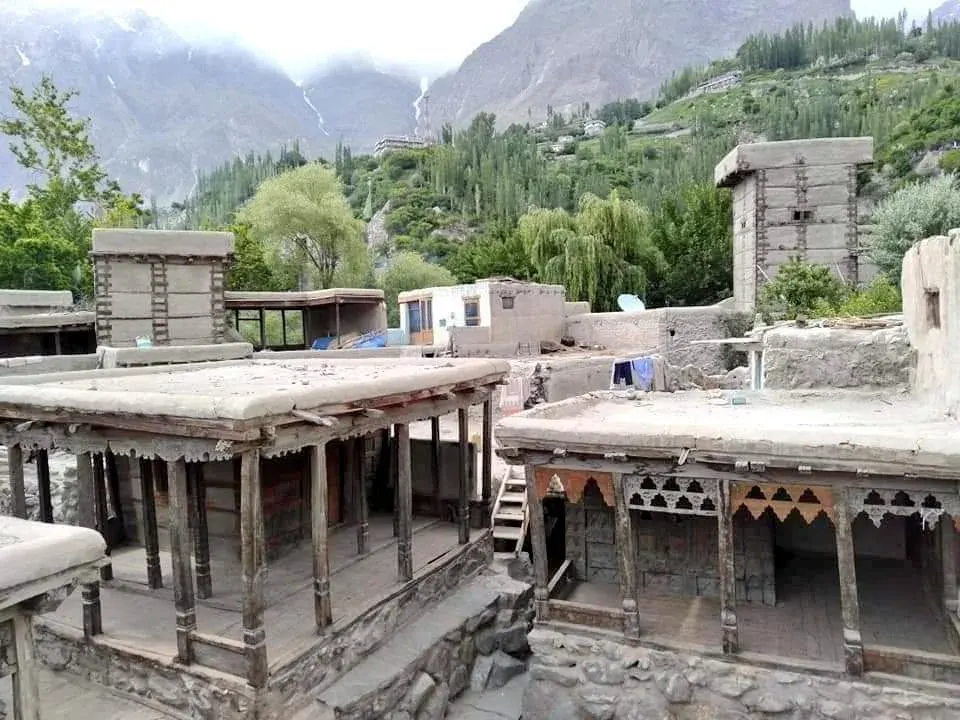
Hunza's culture is anchored by two remarkable buildings. Baltit Fort, above Karimabad, is around 700 years old and was the seat of the Mir; it was restored by the Aga Khan Trust for Culture and is now a museum. Below it, Altit Fort is even older, roughly 1,000 years, and is often called the oldest surviving monument in Gilgit-Baltistan. The old Burusho society around Baltit was traditionally divided into four clans.
Day to day, Hunza is known for its hospitality, its love of polo and music, and a strong sense of community. Traditional dress, folk dance at festivals, and the old stone-and-timber village architecture of places like Ganish, the valley's oldest settlement, are all still very much alive. Compared with much of the surrounding region, women in Hunza tend to have a more visible public role, which visitors often notice quickly.
The old Silk Road and the Sacred Rocks of Hunza
Hunza was never as cut off as the Shangri-La legend suggests. For centuries the valley sat on a branch of the ancient Silk Road, the web of trade routes that carried goods, faiths and armies between the subcontinent, Central Asia and China. Caravans, pilgrims and traders came up the Hunza River gorge on their way over the high passes, and the valley's forts guarded that traffic.
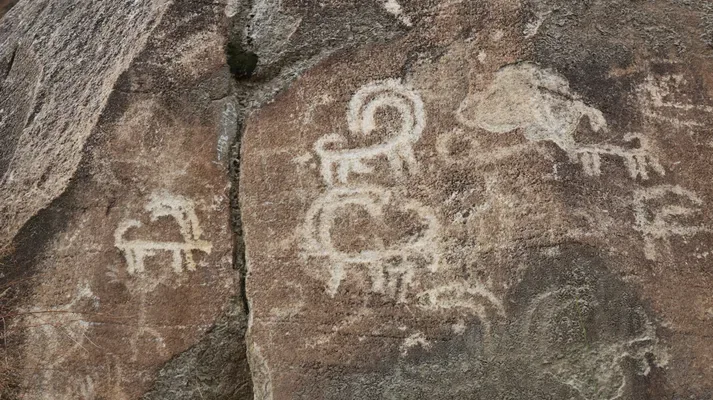
The most remarkable proof sits in plain sight near the old village of Ganish. The Sacred Rocks of Hunza, also called Haldeikish, are boulders covered in more than 2,000 years of carvings: ibex and hunting scenes pecked into the stone, alongside inscriptions left by passing travellers in ancient scripts. It is an open-air record of everyone who came through, and one of the best places in Pakistan to actually touch the Silk Road.
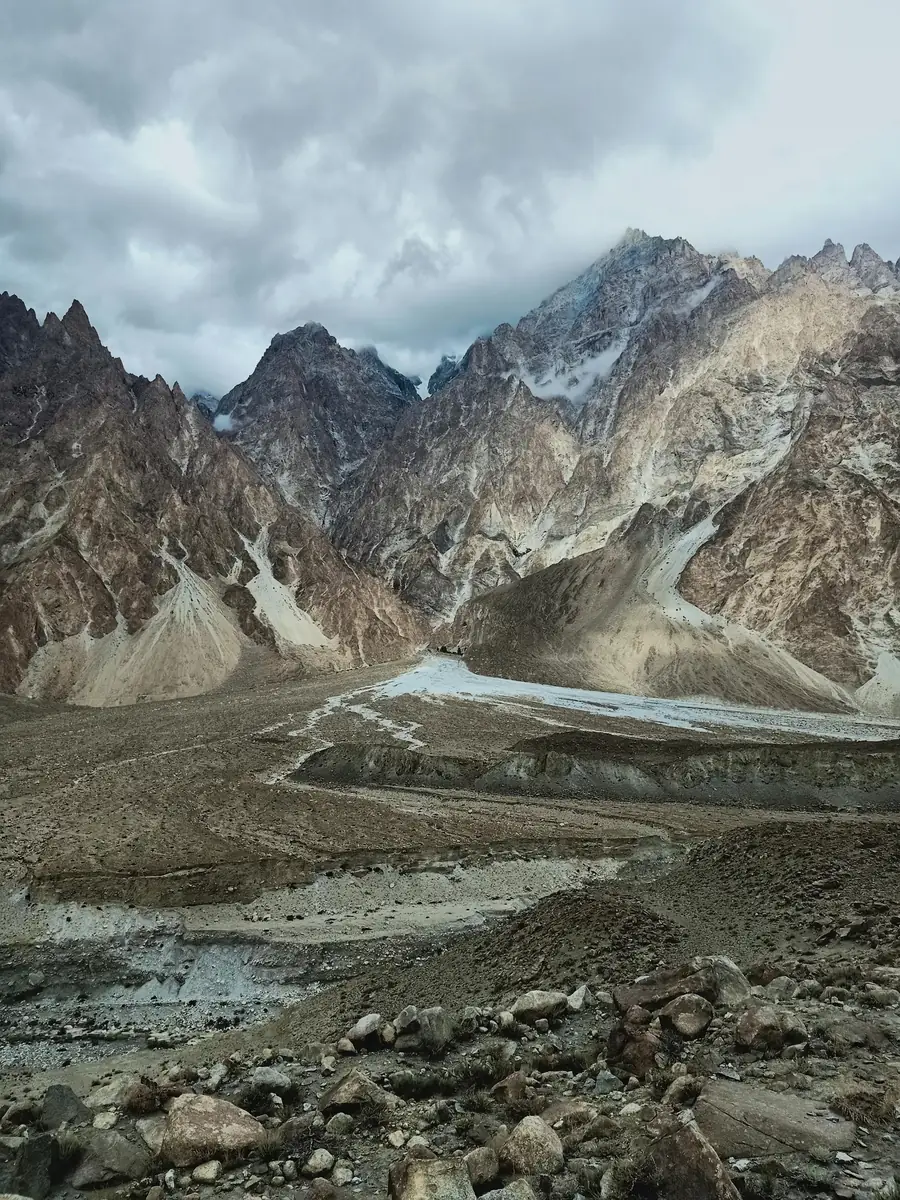
Today the trade route has become the Karakoram Highway, which threads the same gorge past Passu and the Khunjerab Pass to the Chinese border. It is often called the modern Silk Road, and driving it is the easiest way to grasp how this remote valley was always a crossroads.
Hunza rubies and gemstones
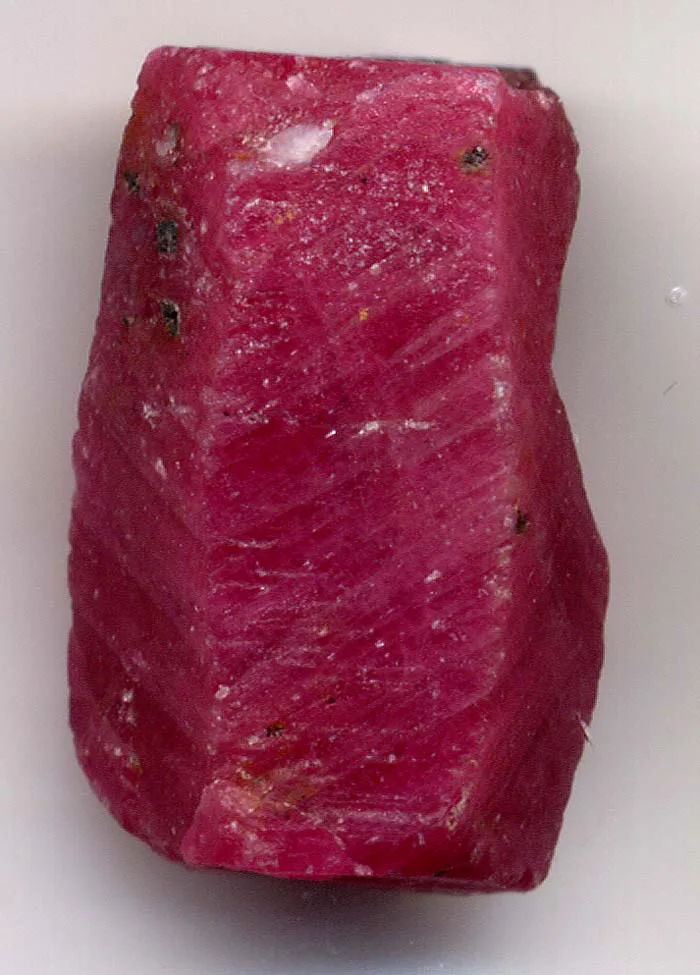
Hunza has one more surprise underground. The valley and the mountains around it are a source of gemstones, including rubies, mined for generations from the marble and rock near central Hunza. The Hunza ruby has a long local reputation, and in Karimabad you will still find small shops selling rough and polished rubies along with other Karakoram stones like aquamarine, topaz and tourmaline. Gem cutting and trading remain a real part of the local economy, a quiet counterpoint to the farming and tourism the valley is better known for.
How to experience Hunza culture for yourself
The best way to understand any of this is to spend time in the villages rather than just passing through. Our Hunza cultural heritage tour is built around exactly that: the forts at Baltit and Altit, the old village of Ganish, local homes and food, and time with people who can explain the place from the inside. If you want the wider valley too, the Hunza Valley tour pairs the culture with the big landscapes around Karimabad and Attabad Lake.
For planning, our guide to the best places to visit in Hunza covers the sights valley by valley, and if you are choosing when to come, spring brings the cherry blossom and October the autumn colours. For the full history, the Wikipedia entries on the Burusho people and the Burushaski language are good, well-sourced reads.
Frequently asked questions
Do Hunza people really live to 120 or 160 years?
No. There are no birth records to support the claim, and it has been debunked. The legend took off in the mid-20th century through books and health magazines describing a Shangri-La where people routinely reached 120 to 160 in perfect health. Because Hunza kept no birth records, nobody could actually verify anyone's age. A 1960 Kyoto University team found disease and high infant mortality in Hunza, documenting goitre, malnutrition and tuberculosis too. Real life expectancy at the time was estimated in the low 50s, similar to the wider region. The related claim that apricot kernels kept them free of cancer is also false. The extreme-longevity story is a mid-20th-century myth, though the traditional active lifestyle and unprocessed diet are genuinely healthy. People farmed steep terraces at altitude, ate plenty of fruit, vegetables and grains, drank glacier meltwater and lived in a close-knit community. That deserves respect, but it never added up to 160-year-olds.
What language do Hunza people speak?
The Hunza speak Burushaski, a language isolate with no proven relationship to any other language on earth. It is not Indo-European like Urdu, and it is not Tibetan either. It is spoken by around 120,000 people in Hunza, Nagar and Yasin. Some linguists have proposed a distant link to Basque, but that idea is speculative and unproven. Most people also speak Urdu, and many speak English, but Burushaski is the mother tongue. Hunza is not a one-language valley, though. Burushaski belongs to central Hunza around Karimabad. Head north into Gojal, or Upper Hunza, toward Gulmit, Passu and the Khunjerab Pass, and the everyday language becomes Wakhi, a Pamiri tongue related to languages in Tajikistan and Afghanistan. Lower Hunza, toward Gilgit, leans to Shina. Three distinct languages in one small valley is rare, and it shows how many peoples this corner of the Karakoram has drawn together.
What religion are the Hunza people?
Most people in central Hunza are Ismaili Muslims, followers of the Aga Khan, which gives the valley a relaxed, open feel with a visible public role for women. Ismailism is a branch of Shia Islam. In Hunza you will see Ismaili jamat khanas, or community halls, rather than the large mosques found elsewhere in Pakistan. Neighbouring Nagar, across the river, is mainly Twelver Shia, so the religious map shifts from one valley to the next. Faith has had a very practical effect here too. The Aga Khan Development Network built schools, health centres and cultural programmes across Hunza, and funded the restoration of the old forts, including Baltit Fort above Karimabad, which is now a museum. That investment is the main reason Hunza has one of the highest literacy rates in Pakistan, with girls schooled almost as much as boys.
Why is Hunza famous?
Hunza is famous for the longevity legend, which is largely a myth, but the real reasons to know it are its Burushaski language isolate, one of the highest literacy rates in Pakistan, its apricot culture, and the historic Baltit and Altit forts set beneath Rakaposhi. Baltit Fort is around 700 years old and was the seat of the Mir of Hunza, who ruled the valley as a princely state until 1974. Altit Fort is older still, at roughly 1,000 years. The valley also sat on a branch of the ancient Silk Road, and the Sacred Rocks of Hunza near Ganish carry more than 2,000 years of carvings left by passing travellers. Today the Karakoram Highway follows the same gorge to the Khunjerab Pass on the China border. Hunza is also known for its rubies, sold in small shops in Karimabad. Our Hunza cultural heritage tour covers the forts, Ganish and local homes.
What do Hunza people eat?
The traditional Hunza diet is built on apricots (fresh, dried and pressed for oil), mulberries, walnuts, whole grains like wheat and barley, vegetables and dairy, with meat eaten sparingly. Apricots come first. There are dozens of local varieties, and families dry them on their rooftops to last through the winter. The orchards also produce apples, which Hunza is famous for, along with cherries, grapes and pears, so the valley is heavy with fruit from summer into autumn. Buckwheat is another traditional grain. Everyday meals are simple, like chapati with dal, and local specialities include chap shoro, a bread filled with meat. It is wholesome and largely unprocessed, but the idea that apricot kernels make them immune to cancer is false. Raw bitter kernels eaten in quantity are actually unsafe. On our Hunza trips we include local homes and food, so you can try these dishes in the villages yourself.
Facts on longevity, Burushaski and the Burusho drawn from Wikipedia and published research; figures reflect the most recent reliable sources at the time of writing. Ruby crystal photo by Adrian Pingstone (public domain) via Wikimedia Commons.
Ready for Your Next Adventure?
Join our community of explorers and discover the journey of a lifetime. Our expert team is ready to help you plan your perfect expedition.