Autumn in Pakistan: Best Places & Time to See the Fall Colors
Every October the poplars and orchards of the Karakoram turn gold. Here is when the autumn colours peak, where to see them, and how to plan a trip through Hunza, Skardu and Gilgit-Baltistan.
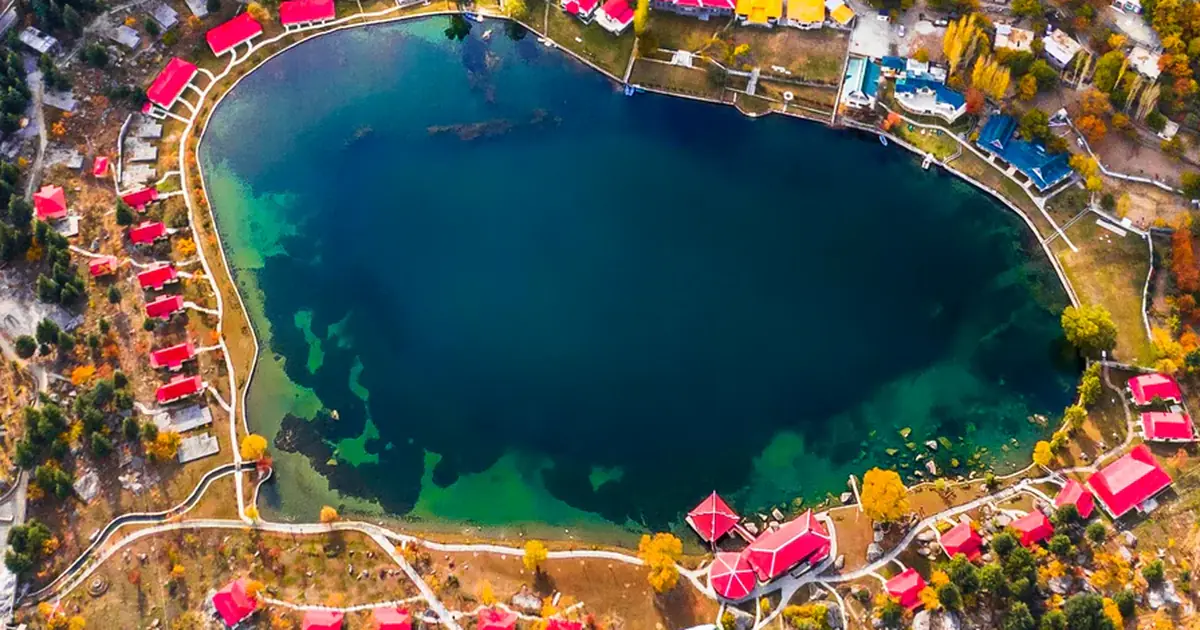
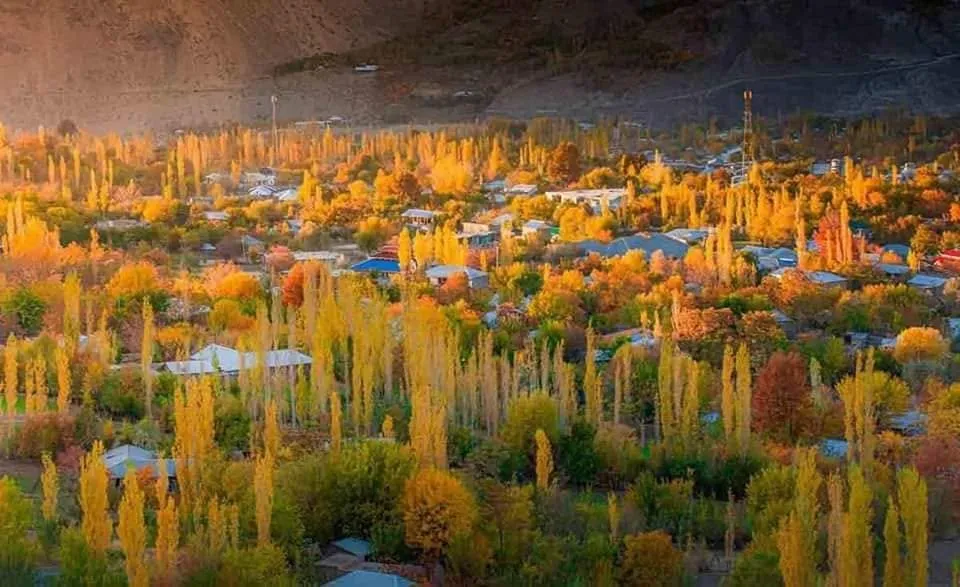
For a few short weeks each year, the brown-and-grey canyons of northern Pakistan catch fire. The poplars that line every field go bright yellow, the apricot and cherry trees turn orange and deep red, and the whole thing sits under fresh snow on peaks like Rakaposhi and the Passu Cones. Locals call it the second blossom. It is quieter than the spring rush, the light is cleaner, and the roads are still open. If you have only seen photos of Hunza in summer green, autumn is the version worth planning a trip around.
This guide covers when the fall colours peak, which valleys to aim for, what the weather is doing, and how to actually get there before the first heavy snow closes the high passes.
When is autumn in Pakistan?
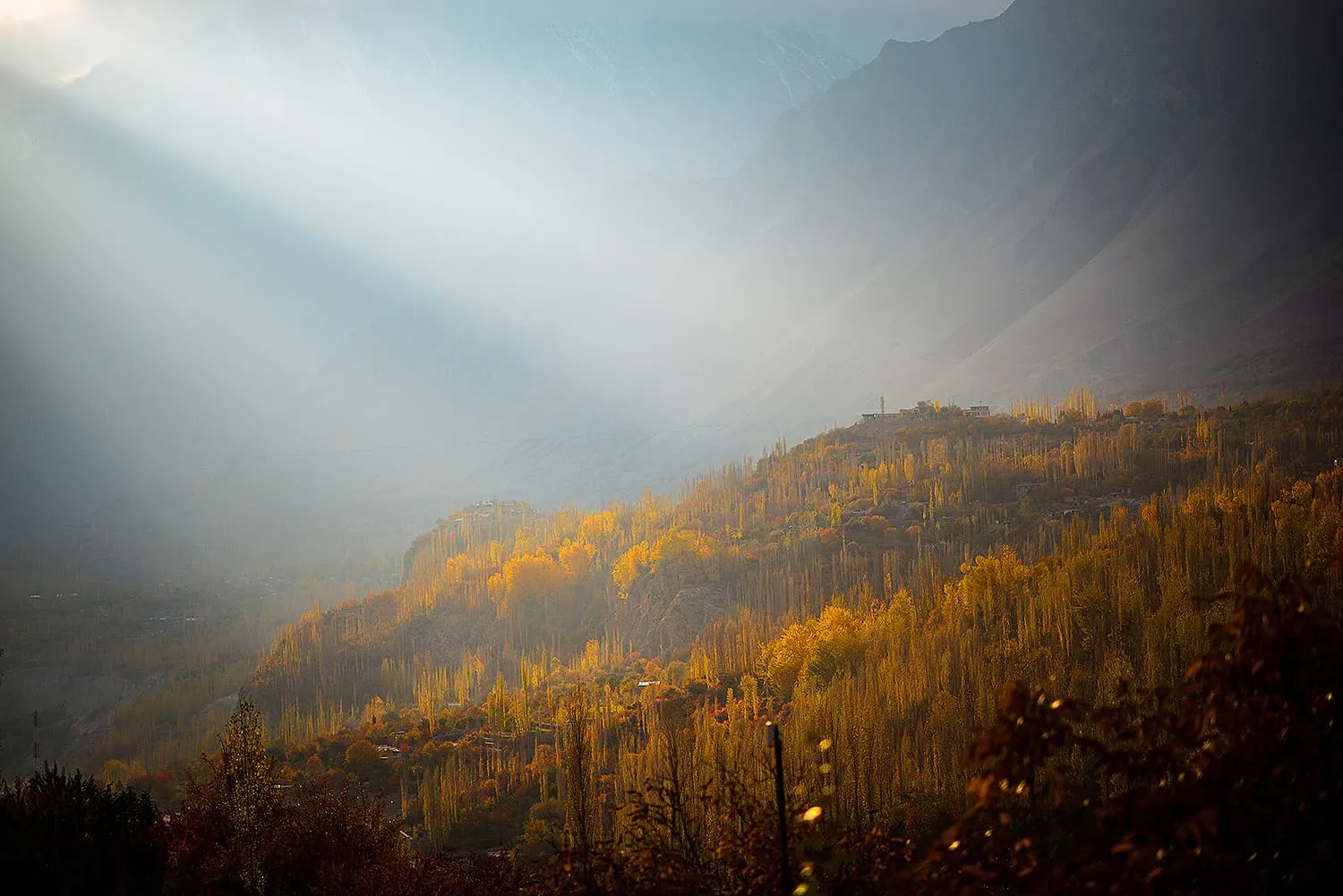
In the northern mountains, autumn runs from roughly late September to mid-November, and the colour peaks in October. That is the honest answer for travellers, and it differs from the calendar autumn people quote for the plains. Down in Lahore and Islamabad, September and October just feel like the end of a long summer. The gold everyone comes to photograph happens up in Gilgit-Baltistan.
The exact peak moves a little every year with the first cold snap. A warm October pushes it later; an early cold spell brings it forward and can strip the leaves fast once the wind picks up. As a rule, aim for the second and third weeks of October and you will catch most of the region at or near its best.
| Area | Rough elevation | Peak colour window |
|---|---|---|
| Upper Gojal, Shimshal, Ghizer & Phander | 2,700 m + | Late September to mid-October |
| Naltar Valley | ~2,900 m | Early to mid-October |
| Central Hunza & Nagar (Karimabad, Altit, Hopar) | ~2,400 m | Mid to late October |
| Skardu & Baltistan (Shigar, Khaplu) | ~2,200 m | Mid to late October |
| Gilgit & lower valleys | ~1,500 m | Late October into early November |
Why the timing shifts from valley to valley
Autumn in Gilgit-Baltistan does not switch on everywhere at once. It works its way down the mountain. The high side valleys such as Shimshal, upper Gojal and Phander cool first, so their trees turn while central Hunza is still green. A week or two later the main Hunza and Nagar orchards colour up, then Skardu, and finally the lower ground around Gilgit town holds its leaves into early November.
That staggering is useful. If you arrive and the central valley looks like it has already dropped its leaves, drive lower. If it still looks green, go higher. A good local guide reads this daily and will simply point the jeep at wherever the colour is that morning. It is the main reason a flexible itinerary beats a fixed one in October.
Best places to see autumn colours in Pakistan
You can find good colour across most of the north, but a handful of valleys are worth building a trip around.
Hunza Valley
Hunza is the classic choice, and for good reason. Karimabad, Altit and Ganish sit in a bowl of terraced orchards under Rakaposhi and Ultar Sar, so you get gold foliage in the foreground and snow peaks behind it. Walk up to Baltit Fort or Altit Fort for the wide view, drive out to Attabad Lake where the turquoise water sits against yellow slopes, and carry on to Passu and the Gojal valley for the Passu Cones framed by autumn scrub. Our Hunza Valley tours run right through this window and can be shaped around wherever the colour has landed.
Nagar Valley and Hopar
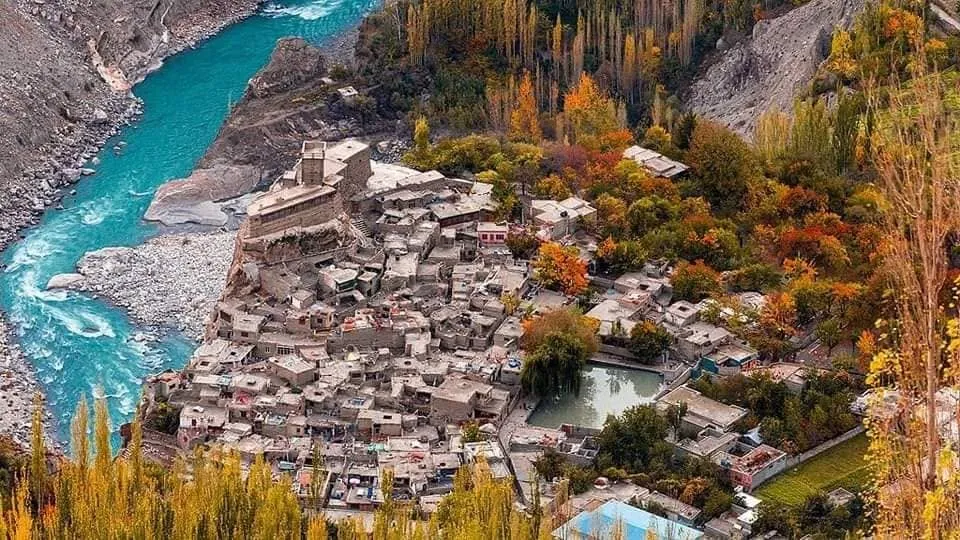
Directly across the river from Hunza, Nagar gets less traffic and holds some of the best orchard colour in the region. The road up to Hopar and its glacier passes through villages where apricot and walnut trees turn deep orange, and the Rakaposhi base camp trail above Minapin is a fine day walk with autumn ground cover if the weather holds.
Skardu and Baltistan
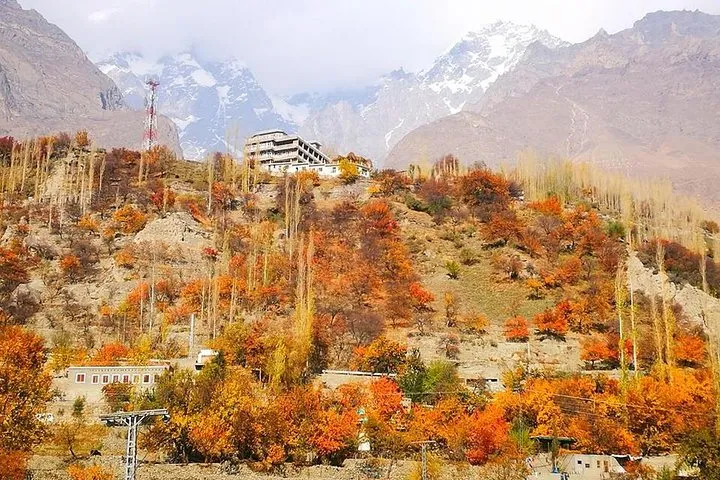
Baltistan trades Hunza's tight canyons for broad river valleys and cold desert. In autumn the poplar avenues around Shigar and Khaplu glow against bare mountains, and the old forts and Balti villages make strong foreground for photos. Skardu also holds its colour a touch later than upper Hunza, so it works well at the end of an October trip. See our Skardu tours for how the Baltistan side fits together.
Ghizer, Phander and Gupis
West of Gilgit, the Ghizer valley runs toward Shandur along a string of trout rivers and quiet lakes. Phander and Khalti lakes turn into mirrors of yellow willow and poplar in early October, and the whole route sees far fewer visitors than Hunza. It is the pick for travellers who want autumn without the roadside crowds.
Naltar Valley
A rough jeep road climbs from Gilgit into Naltar, a higher pine-and-poplar valley with three coloured lakes. Because it sits above 2,900 m, it turns early, often by the first week of October, and the mix of evergreens and gold larch-like poplars is different from the orchard look lower down.
What the autumn colours actually look like
The gold you see in most Hunza photos is poplar, planted in long lines as windbreaks and for timber. Around them, the fruit trees that make this a farming region put on the warmer tones: apricot and cherry go orange and red, walnut and mulberry turn brown-gold, and the vines on village walls add streaks of crimson. Set all of that against grey rock and white summits and you understand why photographers plan a year ahead for it.
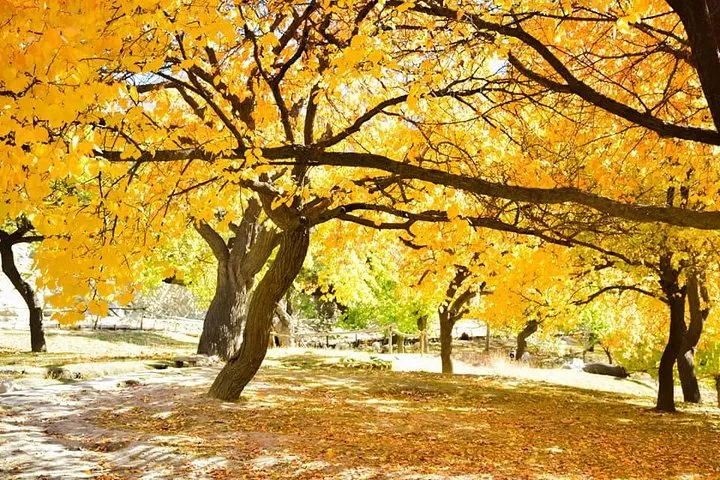
Skies help too. The monsoon is over by October, so the air is dry and clear and the light stays sharp from mid-morning to late afternoon. Early snow on the high peaks is common, which gives you green, gold, rock and snow in a single frame.
Autumn weather and what to pack
October days in the valleys are pleasant, around 12 to 20 °C in the sun, but nights drop close to or below freezing, and it is properly cold at altitude or after dark. Rain is rare, which is part of the appeal. Pack for a wide daily swing:
- Warm layers: a fleece or light down jacket, plus a windproof shell.
- A hat and gloves for early mornings and higher valleys like Naltar and Phander.
- Comfortable walking shoes for forts, orchards and short trails.
- A power bank and spare camera batteries, which drain faster in the cold.
- Sunglasses and sunscreen, because the high-altitude sun is strong even when the air is cool.
Getting there and getting around
Most trips start in Islamabad. From there you either fly or drive. Flights to Gilgit and Skardu take under an hour but are weather-dependent and cancel often, so never pin a tight schedule to them. Driving the Karakoram Highway to Hunza takes roughly 20 to 24 hours and is usually split over two days with a night in Chilas or Besham. The road itself is part of the trip in autumn, with the shoulder-season traffic light and the river valleys already turning.
Two timing points matter in autumn. The Babusar Pass shortcut through Kaghan closes with the first heavy snow, often by early November, after which everything routes the longer way via the KKH. The Khunjerab Pass at the China border also shuts for winter around late November. Neither affects the valley colour, but both shape how you get in and out late in the season. Because the good light and the open roads overlap only for a few weeks, this is a trip worth booking with a local operator who can adjust day to day. For the wider regional picture, our Gilgit-Baltistan travel guide covers routes, permits and where to stay.
Autumn or spring: which season should you pick?
Spring brings the pink-and-white cherry blossom in Hunza, usually late March into April, when the orchards flower before the leaves come. Autumn is the reverse palette, gold and rust and red, with clearer skies and the first snow on the peaks. Spring is softer and greener; autumn is warmer in tone and generally more reliable for cloudless mountain views. If your priority is dramatic light and photography, October is the stronger pick. If you want blossom and milder weather, aim for April.
Frequently asked questions
When does autumn start in Pakistan?
In the northern mountains autumn colour begins in late September in the high valleys and builds through October. Peak foliage across Hunza, Skardu and Gilgit-Baltistan is usually the second and third weeks of October, with lower areas holding leaves into early November. On the plains, the calendar autumn of September to November feels more like the tail of summer, so Lahore and Islamabad are not where the colour happens. Up north the season runs roughly from late September to mid-November. It works down the mountain: Shimshal, upper Gojal and Phander turn first, then central Hunza and Nagar, then Skardu, and finally the ground around Gilgit town. The exact timing shifts every year with the first cold snap. A warm October pushes the peak later, while an early cold spell brings it forward and strong wind can strip the trees in days. That is why we keep October itineraries flexible.
Where are the best places to see fall colours in Pakistan?
The strongest colour is in Gilgit-Baltistan: Hunza and Nagar valleys, Skardu and Baltistan around Shigar and Khaplu, the Ghizer valley with Phander and Khalti lakes, and Naltar valley above Gilgit. Hunza is the most accessible and photogenic, while Ghizer and Phander are quieter alternatives. In Hunza you get gold orchards around Karimabad, Altit and Ganish with Rakaposhi and Ultar Sar behind, plus Attabad Lake and the Passu Cones further up. Nagar, across the river, sees less traffic and has deep orange apricot and walnut trees on the road to Hopar. Baltistan has broad valleys, so the poplar avenues around Shigar and Khaplu stand out against bare mountains. Naltar sits above 2,900 m and often turns by the first week of October, with evergreens mixed among the gold. Our Hunza and Skardu tours run through this window and can follow the colour.
What is the best time to visit Hunza for autumn?
Mid to late October is the sweet spot for Hunza. Central Hunza around Karimabad and Altit usually peaks then, with clear skies and fresh snow on Rakaposhi and Ultar Sar. The upper Gojal valleys and Shimshal, at 2,700 m and above, turn earlier, from late September to mid-October. If you arrive and the central valley has already turned, drive lower toward Gilgit; if it is still green, head up to Gojal and Passu. Our guides check this every morning and point the jeep at wherever the colour has landed, which is why a flexible plan works better than a fixed one. Days in the valley are usually around 12 to 20 °C in the sun, but nights get close to freezing, so bring warm layers. Rain is rare by then because the monsoon is over. Baltit Fort, Altit Fort and Attabad Lake all look their best at this time.
When do the autumn colours peak in Skardu?
Skardu and the wider Baltistan region peak in mid to late October, a little after upper Hunza. The poplar avenues and orchards around Shigar and Khaplu are the highlights, and Skardu works well at the end of an October itinerary because it colours slightly later. Sitting at around 2,200 m, Baltistan is lower than central Hunza's roughly 2,400 m, which is part of why it holds its leaves a touch longer. The landscape is different too: broad river valleys and cold desert instead of tight canyons, so the gold poplars glow against bare brown mountains. The old forts and Balti villages make a strong foreground for photographs. Flights from Islamabad take under an hour but cancel often in poor weather, so leave slack in your plan. Our Skardu tours show how the Baltistan side links up with Hunza in a single autumn trip.
Is the Karakoram Highway open in autumn?
Yes. The Karakoram Highway stays open through autumn and is one of the best times to drive it, with light traffic and colour along the river. The Khunjerab Pass at the China border closes around late November, and the Babusar Pass shortcut closes with the first heavy snow, often by early November. The main valleys stay reachable via the KKH after that. Driving from Islamabad to Hunza takes roughly 20 to 24 hours, and most people split it over two days with a night in Chilas or Besham. Flying to Gilgit or Skardu takes under an hour, but flights depend on the weather and cancel often, so we never build a tight schedule around them. None of these closures affect the colour in the valleys. They do change how you get in and out late in the season, which is one reason we adjust routes day to day.
What should I pack for an autumn trip to northern Pakistan?
Pack layers for a big day-to-night temperature swing: a fleece or light down jacket, a windproof shell, and a hat and gloves for cold mornings. October days in the valleys reach around 12 to 20 °C in the sun, but nights drop close to or below freezing, and it gets properly cold at altitude or after dark. Gloves and a hat matter most in higher valleys such as Naltar and Phander. Add comfortable walking shoes, sunglasses and sunscreen for the strong high-altitude sun, and spare batteries or a power bank, which drain quickly in the cold. Shoes should handle forts, orchards and short trails rather than serious trekking. Rain is rare once the monsoon has ended, so a heavy waterproof is less important than warmth. If you plan to photograph the colour at first light, keep a warm layer to hand, because early mornings are the coldest part of the day.
Ready for Your Next Adventure?
Join our community of explorers and discover the journey of a lifetime. Our expert team is ready to help you plan your perfect expedition.