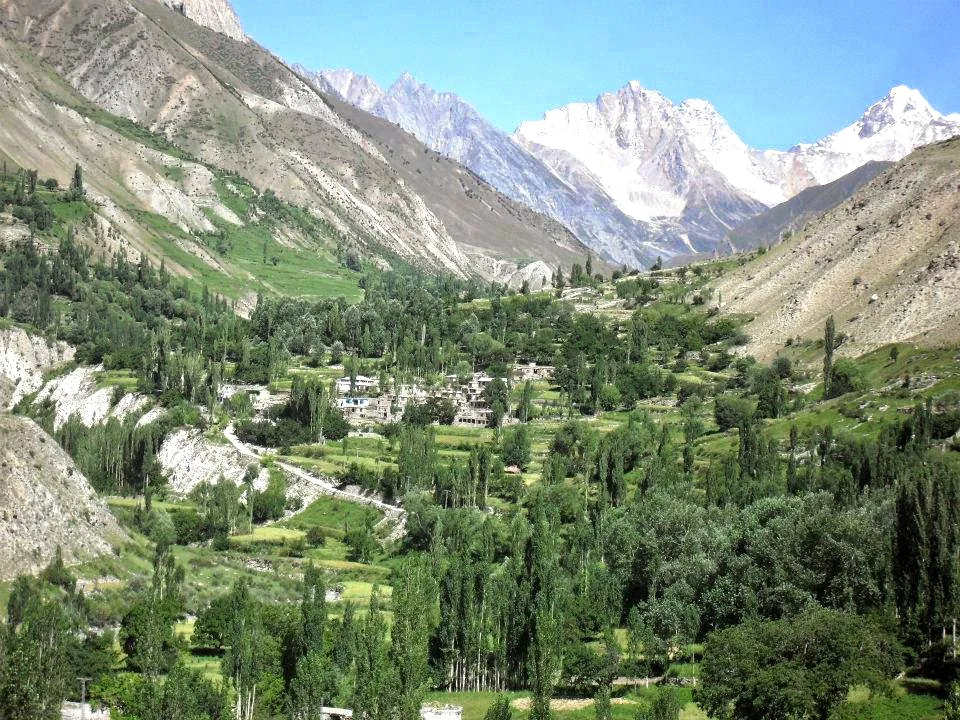
Stak La Trek: Tormik Valley to Stak Valley over a 4,570 m Pass
From Harimal up the Tormik valley, over Stak La and down the Stak valley past Rama to Shanu, Rondu, Skardu District, Gilgit-Baltistan
The Stak La trek crosses the ridge between two side valleys of the Indus in Rondu, west of Skardu: up the green Tormik valley from Harimal, over Stak La at about 4,570 m, where the top is corniced, and down the Stak valley below Haramosh, about 33 km, June to August. Our trip is 11 days from Islamabad, from US$1,550.
Last updated: · Reviewed by Javeed Iqbal, Founder
About This Tour
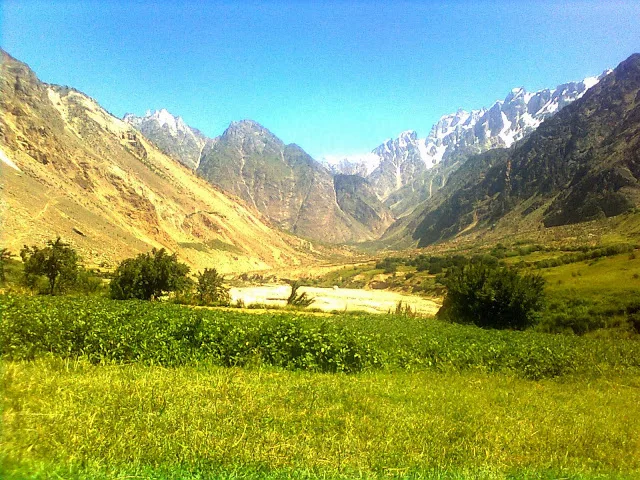
Stak La is the pass at the head of two of Rondu's side valleys, the stretch of the Indus gorge between Skardu and Gilgit. On one side is the Tormik, green with fields, poplars and summer pastures; on the other is the Stak, the biggest valley in Rondu, rockier and wilder, with Haramosh and the Kutia Lungma glacier at its head. Both valleys open onto the Skardu road, so the crossing makes a natural one-way walk from one road to the other.
We walk it from the Tormik side. From Harimal the path climbs past Odortsok to Dunsah, where the herders of Rondu play polo on their summer ground, and on to Chutron, the last camp at the head of the valley. Next morning we cross a small glacier to the pass at about 4,570 m, drop over the corniced top on a rope and descend the Stak side past Rama to Shanu, about 33 km in all.
Our trip is 11 days from Islamabad. We fly to Skardu, drive down the Indus into Rondu, walk four days over the pass and drive back to Skardu from the Stak valley. A spare day covers weather on the pass or a cancelled flight.
The national park grades it extreme and technical, and the top is the reason: a short, steep snow slope under a cornice that needs a rope and an ice axe in most years. The rest is a steady valley walk. It suits trekkers who have been on snow with crampons before and want a quiet crossing that almost no foreign groups make. More crossings like this one: see all our High Passes
| Location | Rondu, Skardu District, Gilgit-Baltistan, Pakistan: on the ridge between the Tormik and Stak valleys, north of the Indus between Skardu and Gilgit. |
|---|---|
| Route | Harimal, Odortsok, Dunsah, Chutron, Stak La, Rama and Shanu, then out to Tookla (the national park lists it either way). |
| Distance | About 33 km (32.8 km in the national park's guidebook). |
| Altitudes | Stak La about 4,570 m, the highest point; published figures run from 4,500 m to 4,601 m. Skardu, where the trip starts, is at about 2,230 m. |
| Walking days | Five days from the Tormik road head to Tookla. 11 days from Islamabad to Islamabad, with a spare day. |
| Grade | Strenuous, with a technical top: a small glacier and a corniced snow slope on the west side that needs a rope, crampons and an ice axe. |
| Season | June to August; July and August are the most reliable. |
| Group size | Minimum five, maximum twelve trekkers. |
| Permits | Open zone: no trekking permit or liaison officer; a Pakistan tourist visa is enough. |
| Price | From US$1,550 per person for a group of five or more, Islamabad to Islamabad. |
Curated Program
Day-by-Day Itinerary
All Transfers & Permits Included
1Arrive in Islamabad
Arrive in Islamabad
- Meet your guide
- Hotel night
2Fly Islamabad to Skardu (2,230 m)
2,230 m
Fly Islamabad to Skardu (2,230 m)
- Flight option
- Hotel night
3Skardu to the Tormik valley, walk to Harimal
Skardu to the Tormik valley, walk to Harimal
- Jeep road
- Trekking day
- Night in camp
4Harimal to Dunsah
Harimal to Dunsah
- Trekking day
- Night in camp
5Dunsah to Chutron, below the pass
Dunsah to Chutron, below the pass
- Trekking day
- Acclimatisation
6Over Stak La (about 4,570 m) to Rama
4,570 m
Over Stak La (about 4,570 m) to Rama
- High pass
- Glacier
- Viewpoint
7Rama to Shanu
Rama to Shanu
- Trekking day
- Night in camp
8Shanu to Tookla, drive to Skardu
2,230 m
Shanu to Tookla, drive to Skardu
- Trekking day
- Jeep road
- Hotel night
9Spare day
Spare day
- Buffer day
10Fly Skardu to Islamabad
Fly Skardu to Islamabad
- Flight option
- Road transfer
11Depart Islamabad
Depart Islamabad
| Day | Stage | Walking time | Night |
|---|---|---|---|
| 3 | Road head in the Tormik valley to Harimal | 1 to 2 h | Harimal |
| 4 | Harimal past Odortsok to Dunsah | 5 to 6 h | Dunsah |
| 5 | Dunsah to Chutron, below the pass | 3 to 4 h | Chutron |
| 6 | Over Stak La (about 4,570 m) and down the glacier | 7 to 9 h | Rama |
| 7 | Rama down the Stak valley | 5 to 6 h | Shanu |
| 8 | Shanu to Tookla, jeep to Skardu | 3 to 4 h | Skardu (hotel) |
Stak La Trek Guide
The Route: Tormik Valley, the Pass and the Stak Valley
Rondu is the narrow stretch of the Indus between Skardu and the Gilgit river, where the road runs through a gorge and the villages sit in side valleys to the north. Two of the biggest are the Tormik and, west of it, the Stak. Their streams both rise at Stak La, so a walk up one and down the other is a clean crossing between two points on the same road.
On the Tormik side the path is an old herders' route: Harimal, where the track to Ganto La and the Basha valley branches off, then Odortsok, Dunsah and its summer polo ground, and Chutron at the head of the valley. A small glacier leads to the pass at about 4,570 m. On the Stak side you descend about 500 m of glacier to Rama, then follow the Stak river down past Shanu to Tookla, the last village, about 33 km from Harimal.
How Hard Is the Stak La Trek?
The national park grades it extreme and technical, and we grade it strenuous with a technical top. Most of the walk is on herders' paths, but the last part of the climb crosses a small glacier, and the west side of the pass is corniced: a short, steep snow slope with an overhanging lip that has to be passed on a rope in most seasons. Pass day is seven to nine hours.
You should have used crampons and an ice axe before, even on a one-day course, and be fit for two long days back to back. Our guide fixes the rope at the top, and we carry crampons, harnesses and helmets for the group. If the cornice or the snow is unsafe, we wait at Chutron with the spare day or walk back down the Tormik.
Where Is Stak La?
Stak La is in Rondu, in Skardu District of Gilgit-Baltistan, northern Pakistan. It sits at the head of the Tormik and Stak valleys, which open onto the right bank of the Indus between Skardu and Gilgit. To the north-west are Haramosh, 7,409 m, and the Kutia Lungma glacier; to the north-east the Goropha glacier leads towards the Chogo Lungma and the Basha valley.
Don't confuse it with Stok La in Ladakh, India, a better-known pass near Leh that fills most search results for the name. The two are hundreds of kilometres apart, on opposite sides of the Line of Control. The Pakistani pass is also written Stak-La, and the valley is called Stak Nala locally.
Haramosh and the Kutia Lungma Glacier
The camp at Rama, below the pass on the Stak side, has the view the route is known for: Haramosh's east side and its long glacier, the Kutia Lungma, filling the head of the valley. In 1953 the Kutia Lungma surged about 12 km in three months, still often cited as the fastest glacier advance ever recorded, and the moraine it left is part of the walk out.
The Tormik side is the opposite: irrigated fields, forest and springs, and in July the pasture at Dunsah busy with herders, their animals and polo. Few foreigners walk either valley, so expect curiosity and tea at the huts.
How We Run the Trek
The nights on the trek are in tents: sleeping tents with mattresses, a mess tent, a kitchen tent and a toilet tent. Our cook makes three meals a day with supplies bought in Skardu, and drinking water is boiled or filtered. Porters from the valley carry up to 15 kg of your kit. The nights in Islamabad and Skardu are in hotels.
There is no mobile signal above the villages, so the guide carries a satellite phone. Anyone unwell before the pass goes back down the Tormik with a member of the crew; after it, down the Stak. A helicopter is called through your insurance if it is ever needed.
Combine It With Ganto La or Another Baltistan Trek
Harimal is also the start of Ganto La, the pass from the Tormik to the Chutrun hot spring in the Basha valley, so the two can be joined into a longer loop. For an easier crossing nearby, Simbi La links the Braldu and Basha valleys in a day; for another glacier pass in the Haramosh range, see Rakhan Gali. Or add a few days around Skardu with our Skardu travel guide.
Why Book With Us
We are based in Gilgit-Baltistan and run treks in Baltistan every summer with local guides and porters. On Stak La we walk with crew from the valleys, fix the rope on the cornice, keep groups small, hold a spare day for the pass and tell you plainly how hard the crossing is.
Safety First
Certified guides, comprehensive insurance, and rigorous safety protocols on every expedition.
- Emergency protocols
- Medical support
- Satellite communication
Local Expertise
Our team includes local guides who know every trail, village, and hidden gem in the region.
- Born & raised locally
- Cultural ambassadors
- Language fluency
Curated Experiences
Each journey is carefully designed to balance adventure, culture, and authentic encounters.
- Handpicked routes
- Hidden gems
- Authentic stays
Sustainable Travel
Committed to responsible tourism that benefits local communities and preserves nature.
- Community support
- Leave no trace
- Carbon offset
Stories from Our Travelers
“We did a set of tours with Go Witu Guide, starting in Lahore and continuing in Shigar and Hunza Valley. Organisation was very good throughout. Knowledgeable guides. Fluent in English and all local languages. An excellent trip. Highly recommend using them.”“We just visited Pakistan and Javeed was our driver and tour guide for the Northern Pakistan leg which included Skardu, Gilgit and Hunza. We had an exceptional experience! Javeed is a very experienced driver, very knowledgeable about the area, easy to talk to and he went out of his way to show us sites at sunset. We highly recommend his services.”“Javeed Hunzai has been a wonderful guide, he identified exactly what I was looking for when even I did not know what I was in Hunza for, and showed me the best places to trek, and stop and absorb Nature. Highly recommend, 10/10. I came to Hunza with little idea of what I wanted to do or where I wanted to go, in upper Hunza alone, he showed me places I hadn't seen the last 4-5 times I had been to Hunza.”Frequently Asked Questions
Where is Stak La?
Where is Stak La?
How long is the Stak La trek?
How long is the Stak La trek?
How much does the Stak La trek cost?
How much does the Stak La trek cost?
How hard is the Stak La trek?
How hard is the Stak La trek?
How high is Stak La?
How high is Stak La?
Do I need ropes and crampons for Stak La?
Do I need ropes and crampons for Stak La?
Do I need a permit or a special visa?
Do I need a permit or a special visa?
When is the best time to trek Stak La?
When is the best time to trek Stak La?
How do you get to the Tormik valley, and back from the Stak valley?
How do you get to the Tormik valley, and back from the Stak valley?
Can I walk Stak La the other way, from the Stak valley?
Can I walk Stak La the other way, from the Stak valley?
Start Your Journey
Tell us about your trip
No commitment: we'll send back a free itinerary.
Related Reading
Route guides, seasons and practical advice from our team in Gilgit-Baltistan.
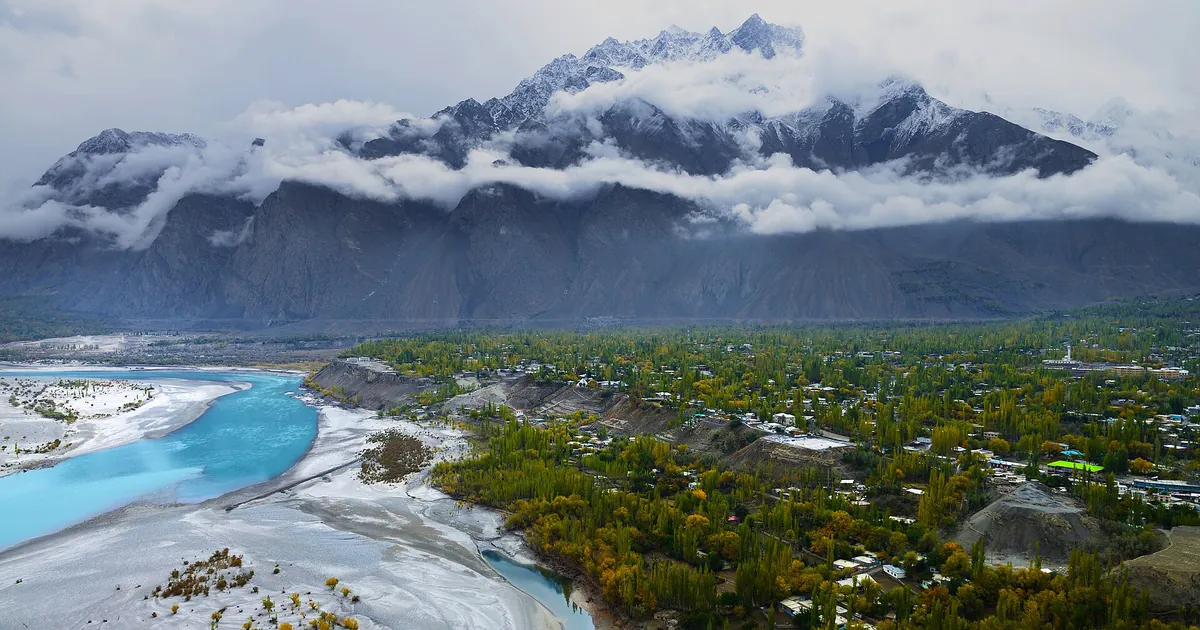
20 Best Places to Visit in Skardu
Lakes, forts, cold deserts and high valleys around Skardu, with real drive times, altitudes and the order to see them in.
Read the full guide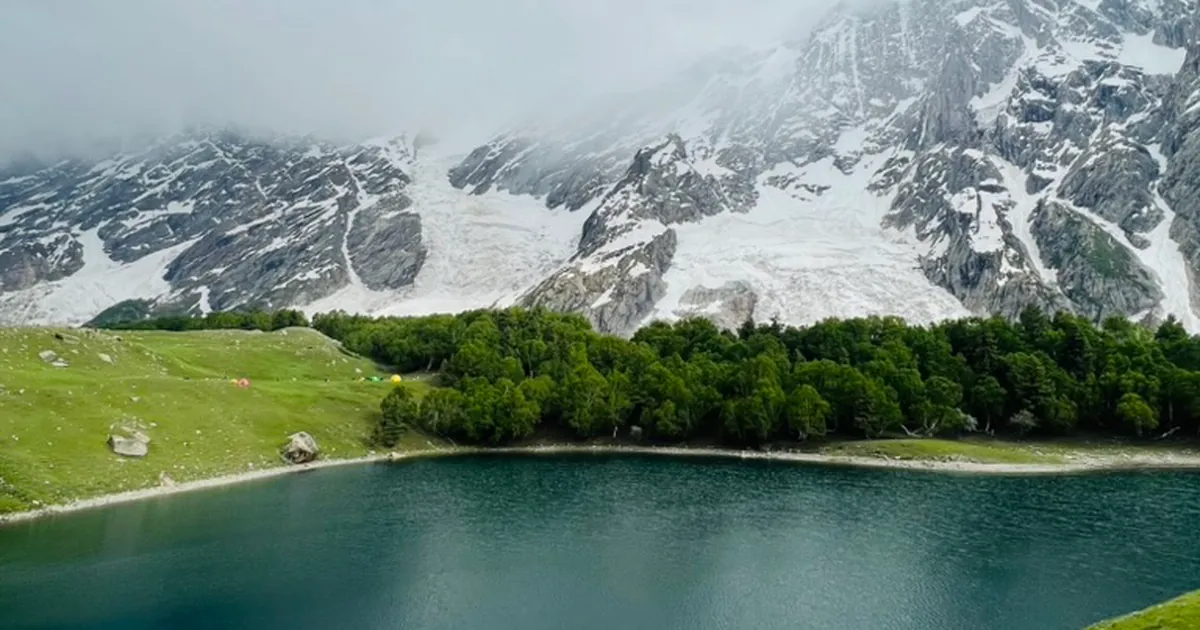
Kutwal Lake & Haramosh Valley: A Trekking Guide
A turquoise lake at 3,300 m under a rarely climbed 7,409 m peak, two hours from Gilgit and almost empty.
Read the full guide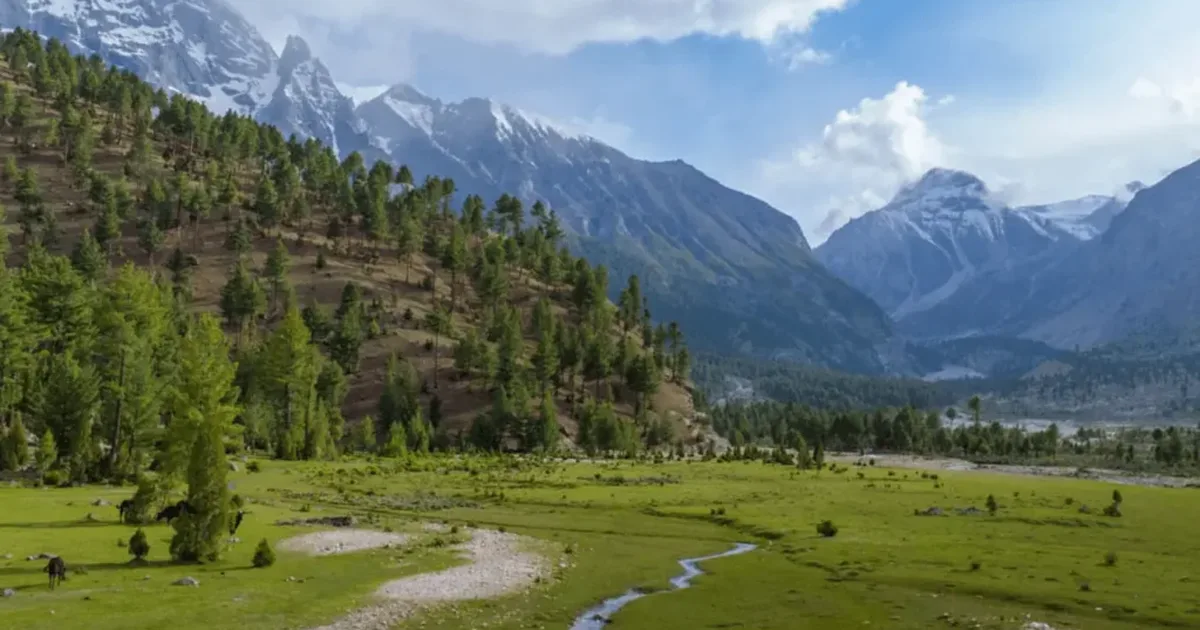
Basho Valley Skardu: Complete Travel Guide
Pine forest and grazing meadow 40 km from Skardu, at 3,000 to 3,600 m, reached on a 10 km jeep track and needing no permit.
Read the full guide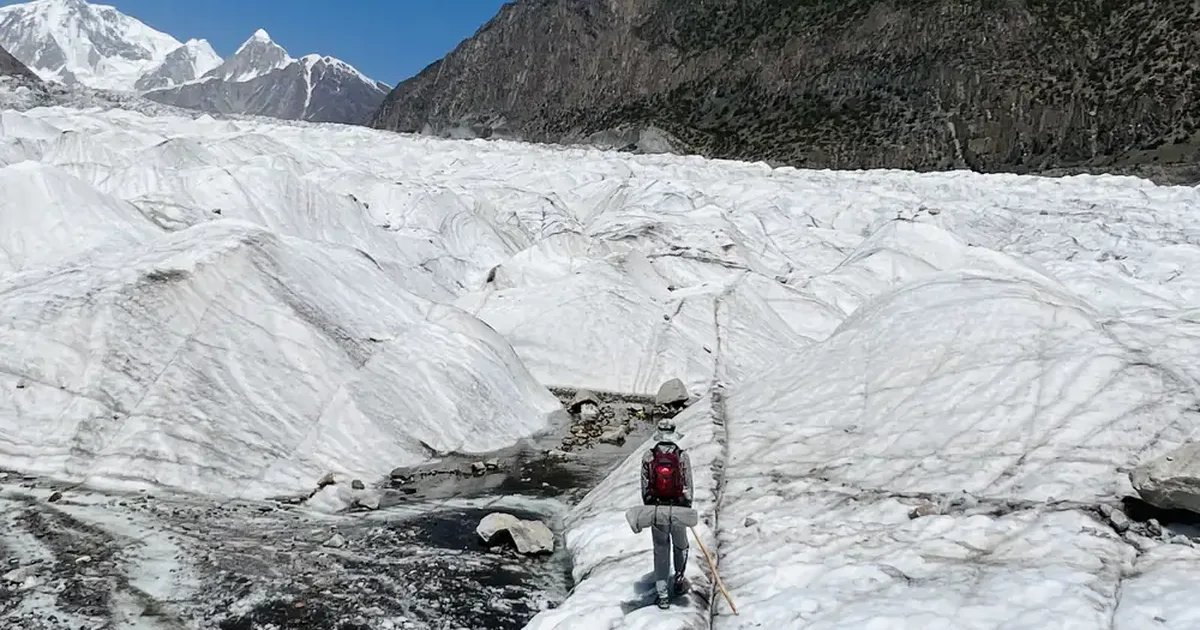
Trekking in Pakistan: The Complete Guide (2026/2027)
The best treks in Pakistan by grade, how the open and restricted zones work in 2026, when to go, real costs from US$350, and how safe it is.
Read the full guide