Adventures in the Karakoram: 18 Thrilling Things to Do in Hunza, Nagar and Skardu
Suspension bridges, ziplines and jet skis, paragliding over Karimabad, ice climbing, rafting and snow leopards: where to do each one, when, and what it costs.
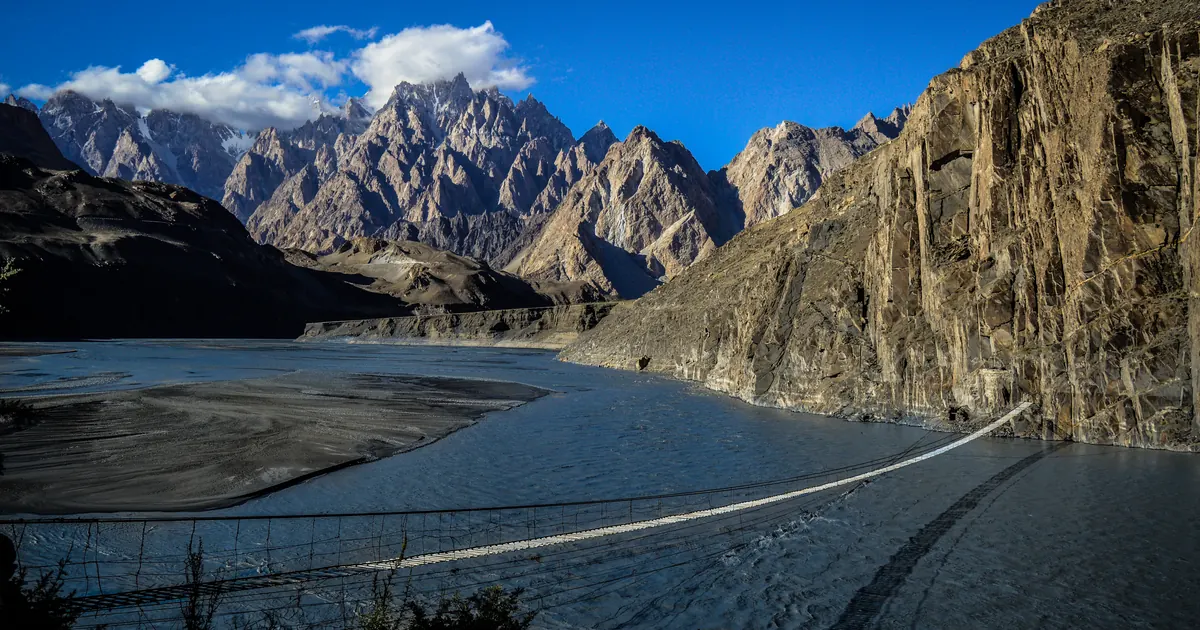
The Karakoram is better known for K2 than for ziplines, but the valleys under the big peaks have quietly filled with things to do. Some are old and slightly terrifying, like the plank bridges of Gojal. Some are new, like the jet skis on a lake that did not exist before 2010. A few, like ice climbing in Hushe, only took off in the last couple of winters.
Here are eighteen, from easy afternoon thrills to serious expeditions, with where each one happens, when to go and what it roughly costs. Prices are local operators' published rates for 2025 and 2026 and change often, so treat them as a guide. Most of these sit along the Karakoram Highway between Gilgit and the Chinese border, and our Hunza Valley tour can be built around whichever ones you choose.
Karakoram adventures at a glance
| Adventure | Where | Best season | Level |
|---|---|---|---|
| Hussaini suspension bridge | Hussaini, Gojal | Apr to Oct | Easy, but exposed |
| Ziplining | Hussaini bridge (Attabad unconfirmed) | Apr to Oct | Easy |
| Jet skiing and boating | Attabad Lake | May to Oct | Easy |
| Passu suspension bridge | Passu, Gojal | Apr to Oct | Moderate, exposed |
| Paragliding | Duikar, above Karimabad | May to Oct | Easy (tandem) |
| River rafting | Indus, Shigar, Hunza rivers | Varies by river | Moderate to expert |
| Ice climbing | Hushe valley, Hunza, Shimshal | Dec to Feb | Advanced |
| Rock climbing | Trango Towers, Passu crags | Jun to Aug | Advanced to elite |
| Trophy hunting | Community conservancies | 15 Oct to 10 Apr | Permit only |
| Khunjerab Pass | China border, 4,693 m | Apr to Nov | Easy (altitude) |
| Jeep safari to Shimshal | Passu to Shimshal | May to Oct | Easy |
| Glacier walks | Batura, Passu, Hopar | May to Oct | Moderate |
| Skiing | Naltar, near Gilgit | Dec to Mar | All levels |
| Cycling the KKH | Gilgit to Khunjerab | May to Oct | Moderate to hard |
| Snow leopard tracking | Upper Hunza, Khunjerab | Dec to early Apr | Moderate |
| Yak safari | Shimshal | Jun to Sep | Moderate |
| Treks and trekking peaks | Rush Lake, Patundas, Minglik Sar | Jun to Sep | Moderate to hard |
| Camping at Borith Lake | Near Hussaini | May to Oct | Easy |
On the water and across the river
1. Cross the Hussaini suspension bridge
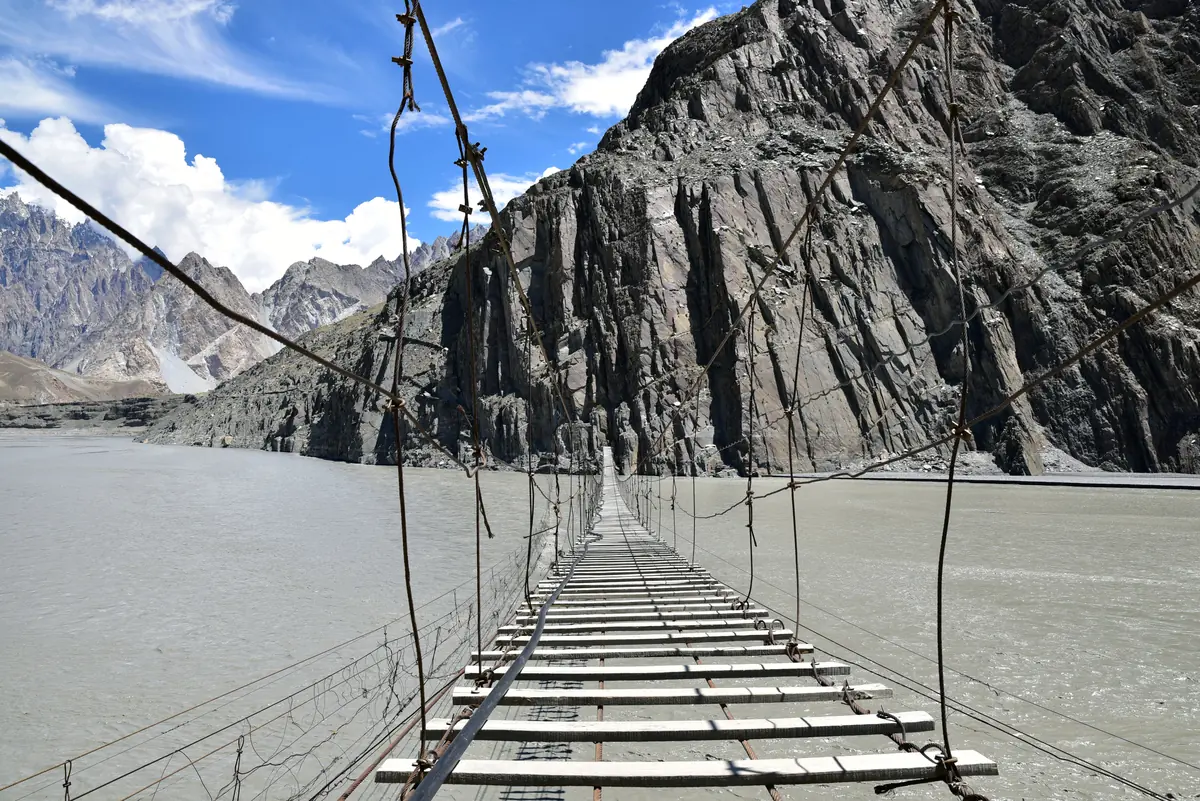
The Hussaini suspension bridge hangs about 194 m across the Hunza River, linking Hussaini village with the hamlet of Zarabad. It was first built in the late 1960s after Ayub Khan, then president, saw the crossing on a hunting trip, and it has been rebuilt since with steel cables and wooden planks laid with gaps you can see the river through. In wind it swings, which is the whole point.
The local community collects a small fee, reported at PKR 100 to 300 for Pakistanis and more for foreigners. Take it seriously: in July 2022 a visitor fell and drowned, and the bridge was closed for several days. Cross one at a time on your own feet, keep phones in zipped pockets, and skip it in strong wind. The Passu Cones rise behind it, which is why it is the most photographed bridge in Pakistan.
2. Zipline over the Hunza River
A zipline now runs beside the Hussaini bridge, so you can walk across and fly back, or the other way round. Several visitor reports from 2024 and 2025 put the price at roughly PKR 1,000 to 2,000, one-way or return, and it runs in the warmer months from about April to October. Children too young for the bridge are sometimes allowed on the zipline.
You will also see a zipline mentioned at Attabad Lake. We could not confirm a regular operator, length or price there, so ask on the day rather than planning around it.
3. Jet ski and boat on Attabad Lake
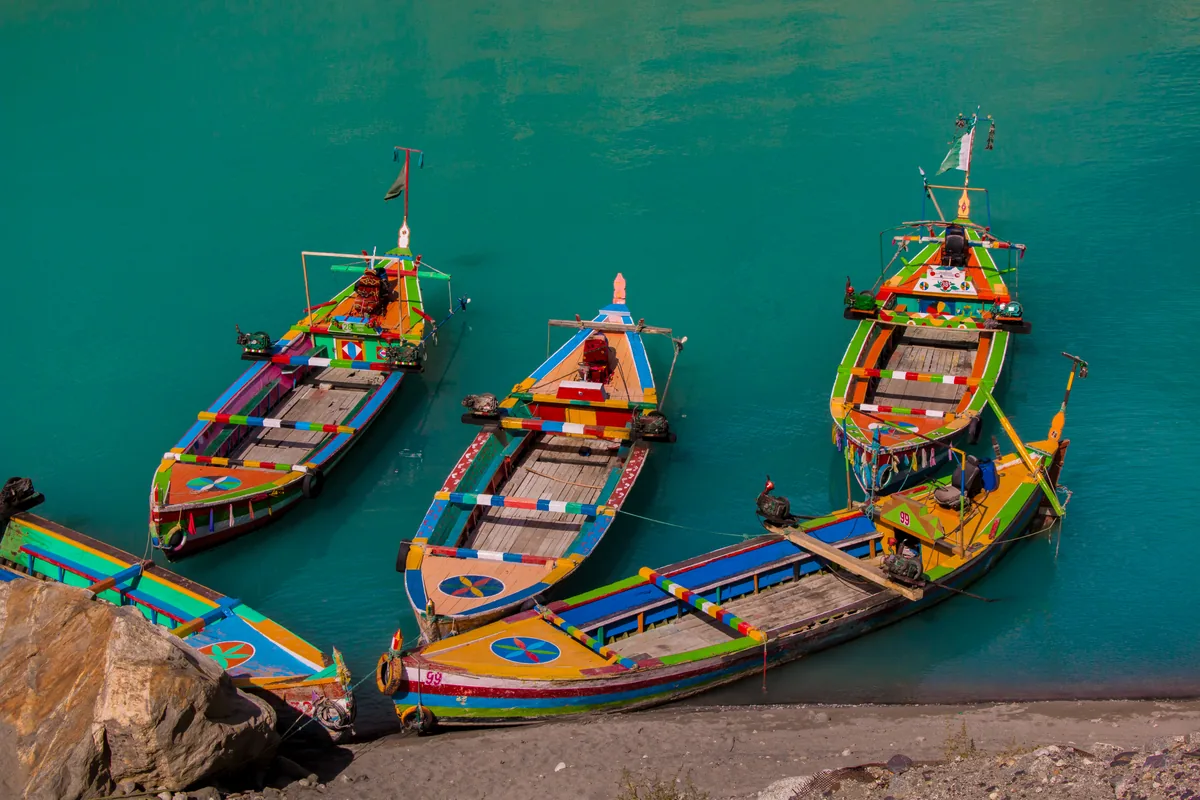
Attabad Lake was born in a disaster. On 4 January 2010 a landslide blocked the Hunza River, killed 20 people and drowned villages and a long stretch of the Karakoram Highway. The lake it left behind is up to 21 km long and an improbable turquoise, and the highway now runs past it through five tunnels opened in 2015.
The lakeshore at the tunnels and at Gulmit is now the busiest playground in Hunza. A short jet ski ride costs around PKR 1,500 to 2,000, and a boat trip on the lake around PKR 500 to 2,000 per person or a few thousand for a private boat, at 2025 and 2026 rates. Kayaks are also available at some points. Life jackets should be standard; ask for one if it is not offered. Our Attabad Lake guide covers the viewpoints and where to stay.
4. Brave the Passu suspension bridge
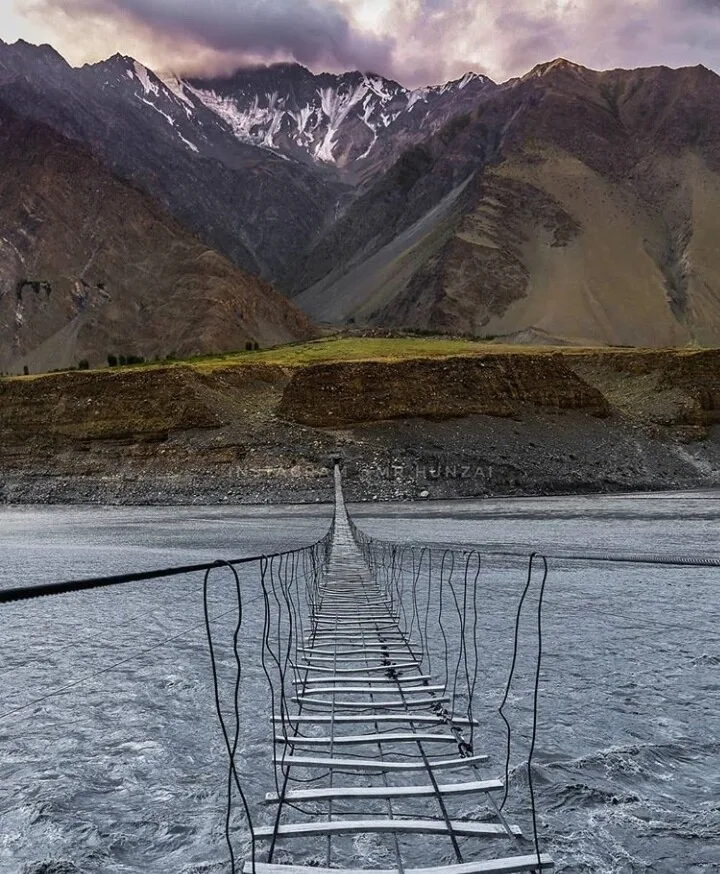
Upstream from Hussaini, a second cable-and-plank footbridge crosses the Hunza River near Passu. The path leaves the Karakoram Highway at the first hairpin south of the village, and you can walk a loop that takes in both bridges. Local drivers will tell you the Passu bridge is in rougher shape than Hussaini, with wider gaps and older planks, which makes it the more serious of the two. Go with someone who has crossed it recently, and only in calm weather.
In the air and on the rivers
5. Paraglide above Karimabad
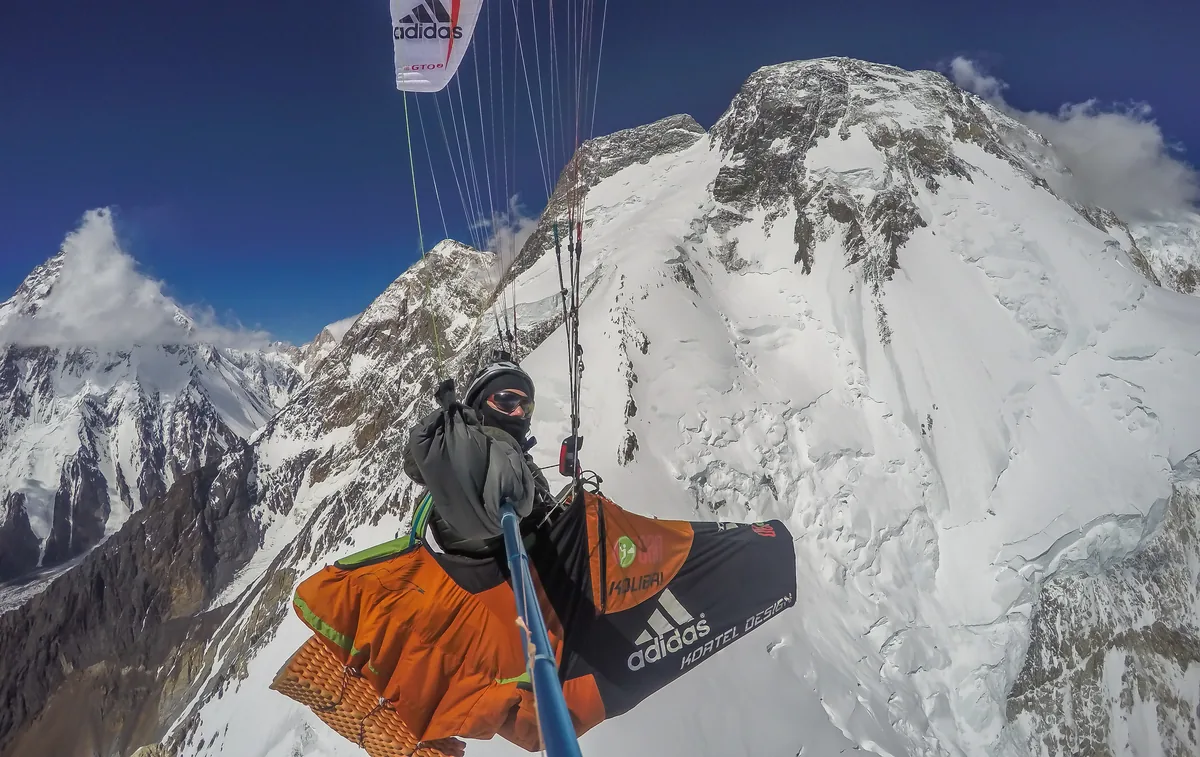
Tandem paragliding has taken off in central Hunza, launching from the slopes near Duikar, the village above Karimabad known for the Eagle's Nest viewpoint, at around 2,400 m. From the air you look straight across at Rakaposhi and down on Baltit and Altit forts. Flights last about 15 to 25 minutes with a qualified pilot, and published tandem prices from local clubs ranged from about PKR 15,000 to 35,000 in 2025 and 2026. May to October is the flying season, and every flight depends on the wind on the day.
6. Raft the Indus and the glacier rivers
The rivers of Gilgit-Baltistan are fed by glaciers, which makes them cold, silty and powerful. The big one is the Indus between Skardu and the Gilgit confluence, about 140 km through the Rondu Gorge, where a recent expedition described class 5 rapids. That stretch is for expert kayakers and expedition teams only. Gentler sections exist on the Shigar, Gilgit and Hunza rivers, and short guided trips are run by a handful of local operators.
There is no formal grading system here and no single rafting season. Snowmelt makes the rivers highest and wildest from June to August, and some operators prefer the lower water of autumn. Book only with an operator who supplies helmets, wetsuits and a safety kayaker.
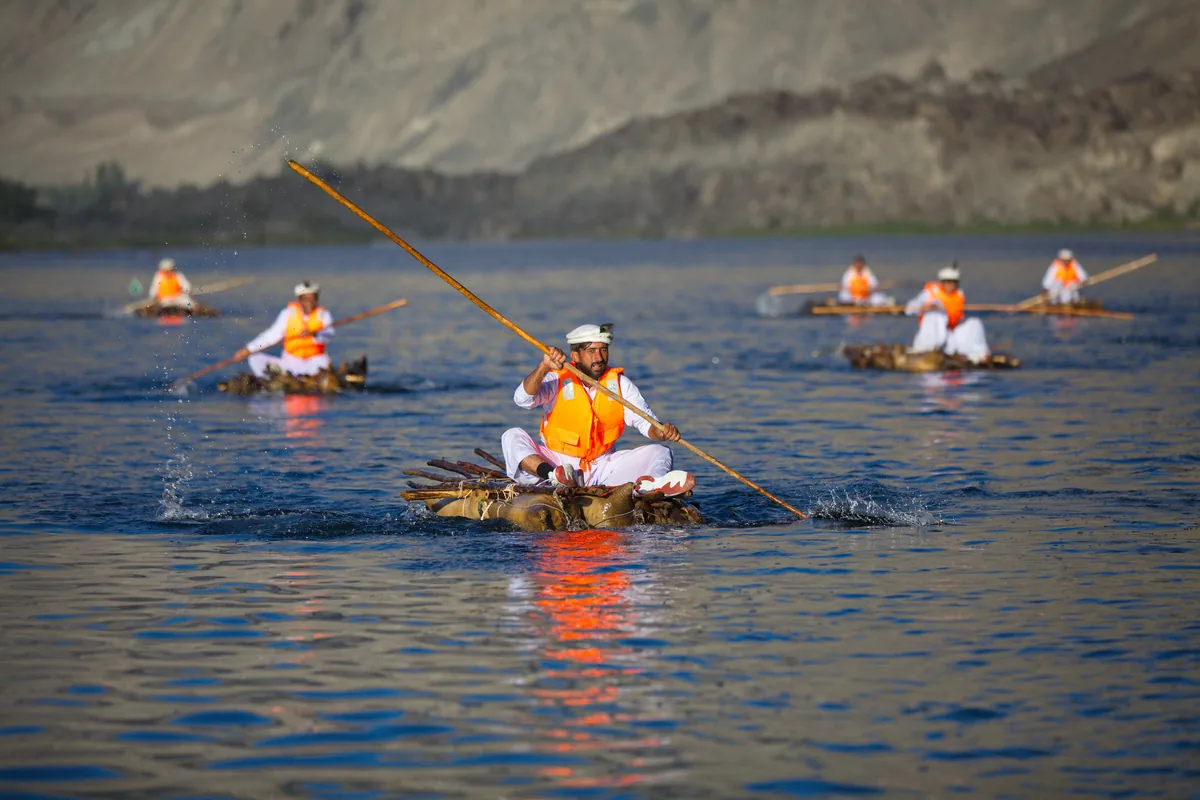
On the Indus at Skardu you will also see the zakh, the traditional raft of inflated animal skins on a wooden frame, which Balti boatmen still paddle and race at local festivals.
Ice and rock
7. Climb frozen waterfalls in winter
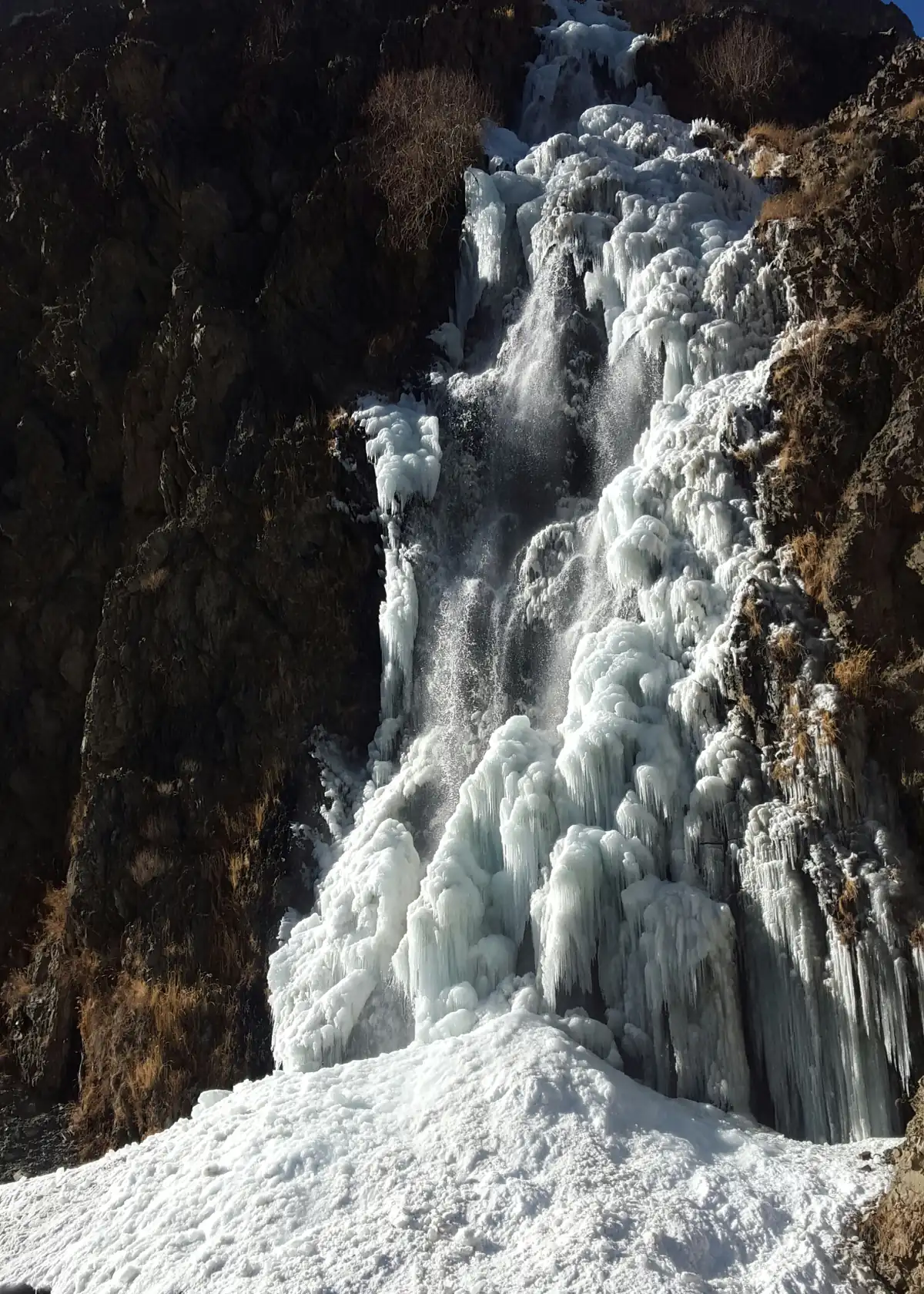
Ice climbing is the Karakoram's newest adventure. In February 2024 a Spanish-French team spent two weeks in the Hushe valley and climbed lines up to WI4+, including the 300 m Wasoq falls, while training local guides. Earlier routes were climbed near Karimabad and Attabad in 2018, and Pakistan's national ice climbing championship has been held on the Malangudi glacier in Shimshal. Guided ice climbing in Hushe began commercially in 2025.
The season is December to February, when temperatures stay well below freezing. You need ice-climbing experience or a dedicated course with a qualified guide, plus proper winter clothing for nights far below zero.
8. Rock climbing, from Passu crags to the Trango Towers
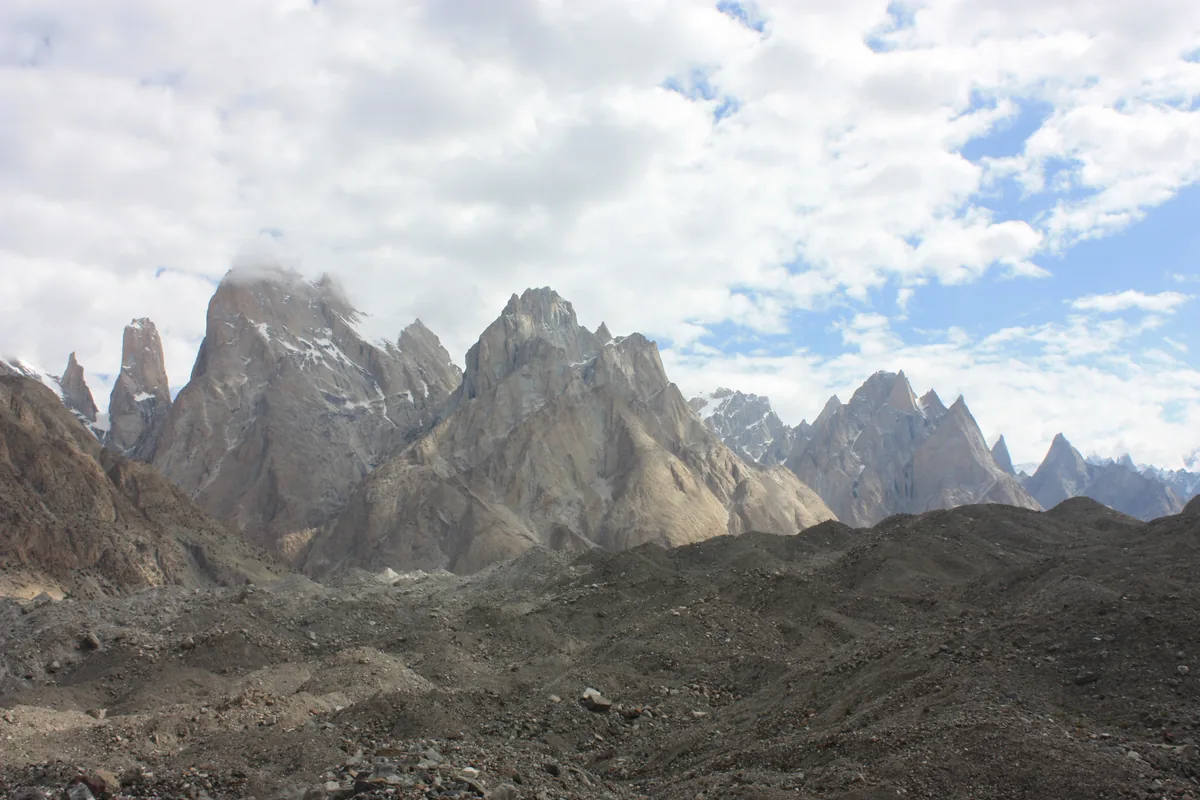
The Karakoram holds some of the most famous big walls on Earth. On the Trango Nameless Tower above the Baltoro Glacier, the route Eternal Flame climbs 650 m and 24 pitches at up to 7c+, first climbed in 1989 and first freed by the Huber brothers in 2009. That is elite territory, reached on the K2 Base Camp trek route. Closer to the road, sport climbers have started bolting short routes on the granite around Passu, though the scene is still tiny and you should bring your own gear.
Wildlife and hunting
9. Trophy hunting with community conservancies
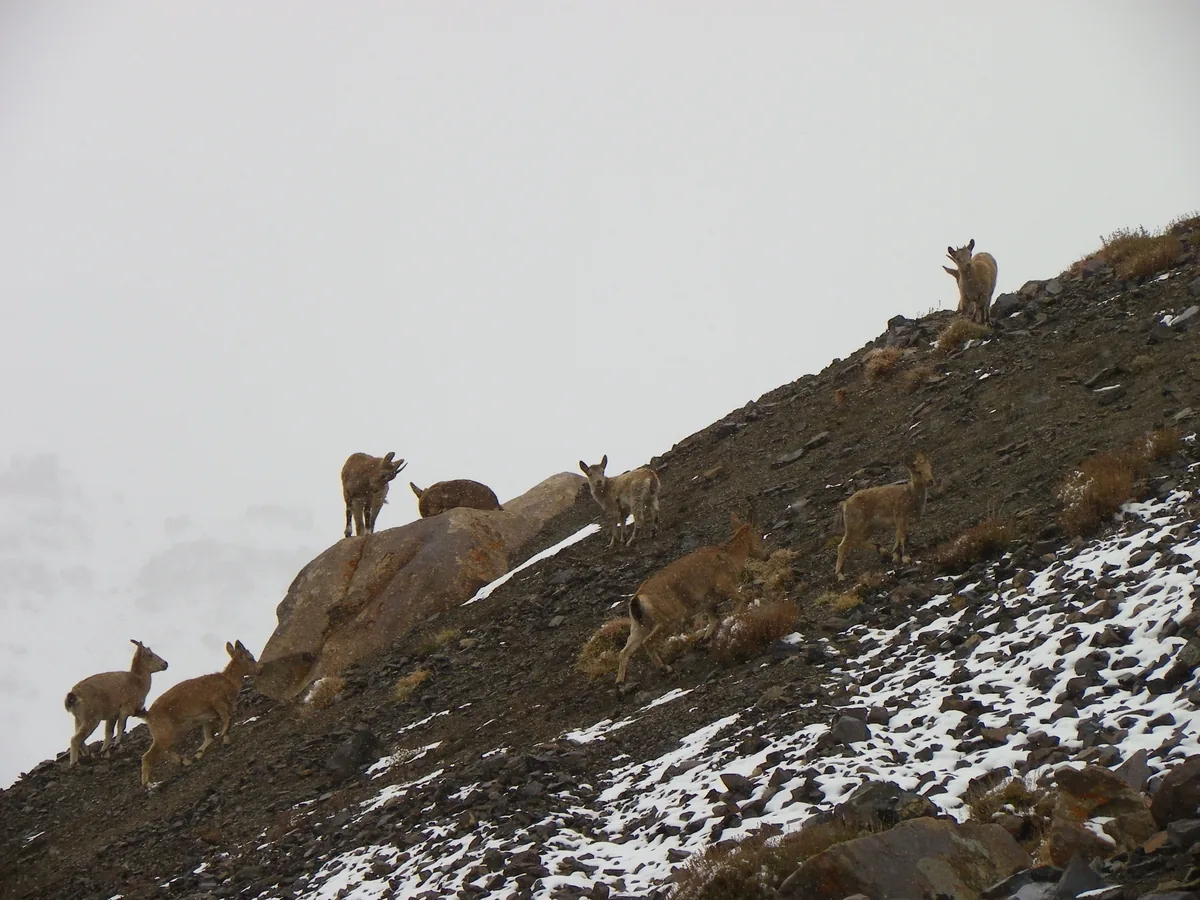
Gilgit-Baltistan runs one of the world's best-known community-based trophy hunting programmes, which began in Bar valley in Nagar in 1990. Each year a small number of permits is auctioned, and 80 per cent of the fee goes to the local community, 20 per cent to the government. The money has helped bring Himalayan ibex and markhor numbers back.
For the 2026-27 season (15 October 2026 to 10 April 2027), 117 permits were offered: 100 Himalayan ibex, 14 blue sheep and 3 markhor. Base prices were $11,000 for ibex, $25,000 for blue sheep and $200,000 for markhor, and winning ibex bids reached about $13,000. In 2025 an Astore markhor permit sold for a record $370,000. Hunts are booked only through licensed outfitters; see our ibex hunting page for how it works.
10. Track snow leopards in winter
Winter pushes ibex down to the valley floors from mid-December, and the snow leopards follow. Small groups now track them in upper Hunza and around Khunjerab National Park, which has one of the highest snow leopard densities in the region, from December to early April. Allow seven to ten days, expect long hours behind a spotting scope in serious cold, and understand that no honest operator can promise a sighting. Our snow leopard trips explain how we run them.
Roads, glaciers and high places
11. Drive to the Khunjerab Pass
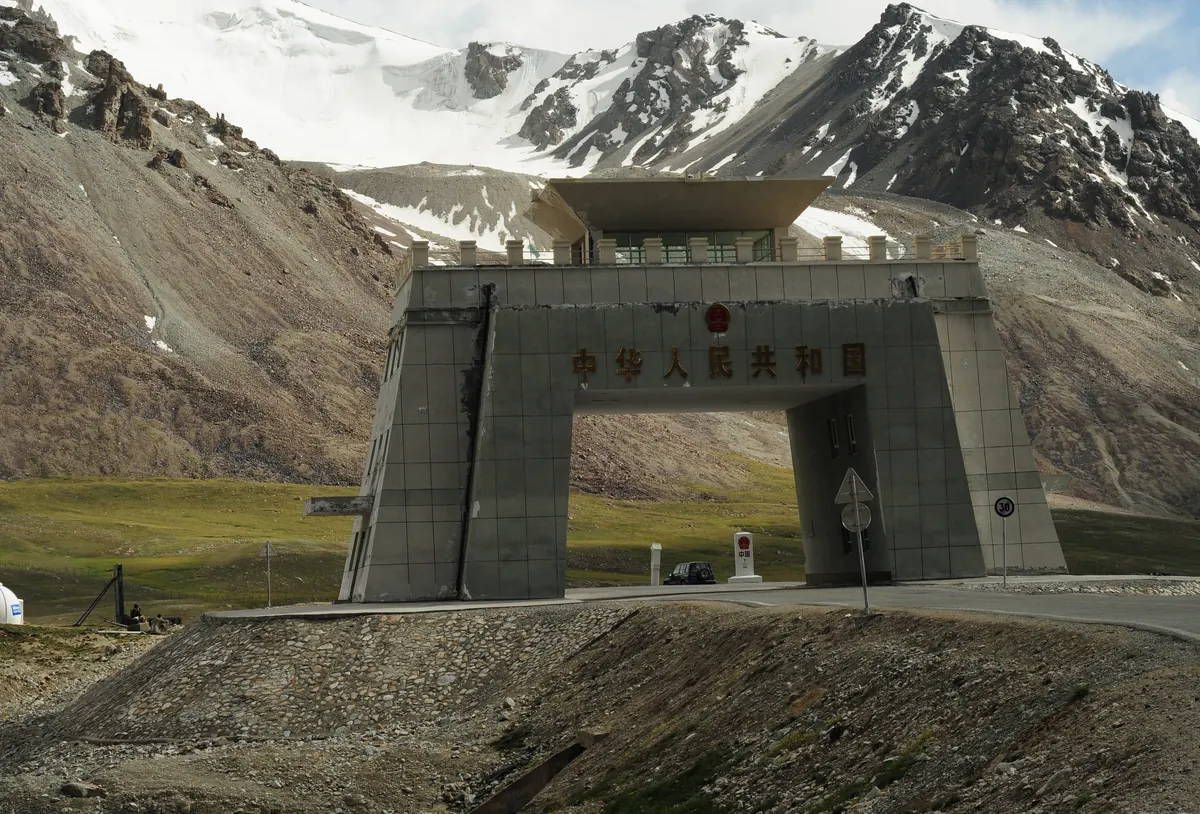
At 4,693 m, the Khunjerab Pass on the Chinese border is the highest paved international border crossing in the world and the top of the Karakoram Highway, about 75 km beyond Sost. It sits inside Khunjerab National Park, where ibex and the occasional Marco Polo sheep graze the slopes, and the highest ATM in the world stands at the top. The pass has traditionally been open from April to November; check the current season before you go. Take it slowly at the top, as the altitude hits hard after a fast drive. Our Khunjerab Pass tour makes a day of it from Hunza.
12. Jeep safari to Shimshal
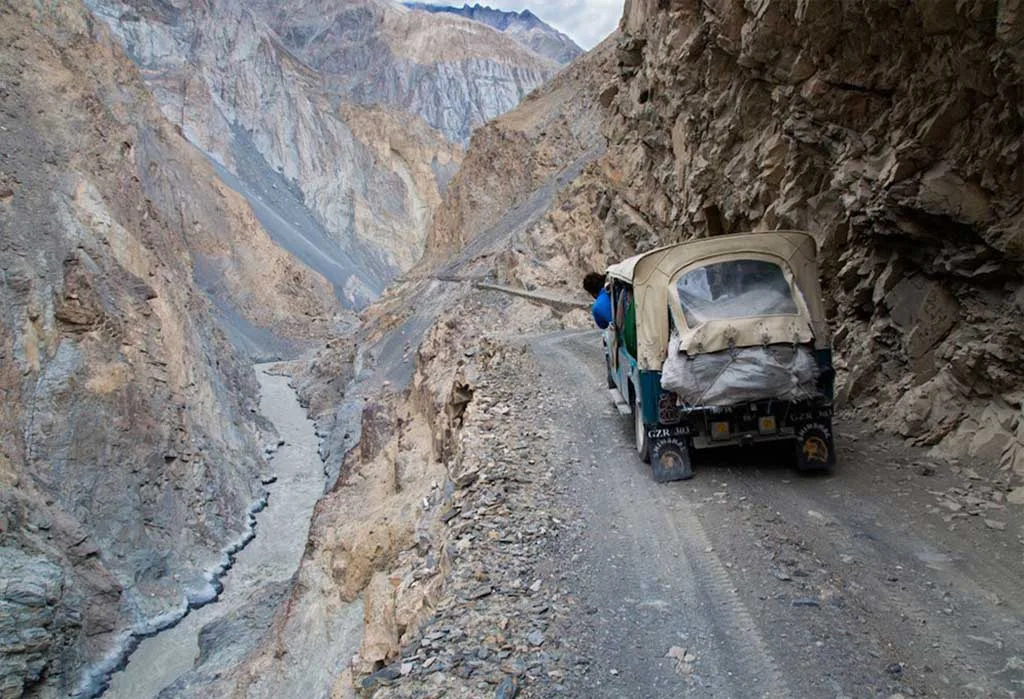
The Shimshal road, carved along a gorge from Passu over nearly two decades and finished in 2003, is one of the wildest drives in Pakistan: about 55 km of cliff-hanging jeep track that takes three to five hours. It leads to Shimshal, a village of around 2,400 people that is the gateway to the Pamir pastures and the Shimshal to Askole high passes. A local driver and a 4x4 are essential.
13. Walk on a glacier
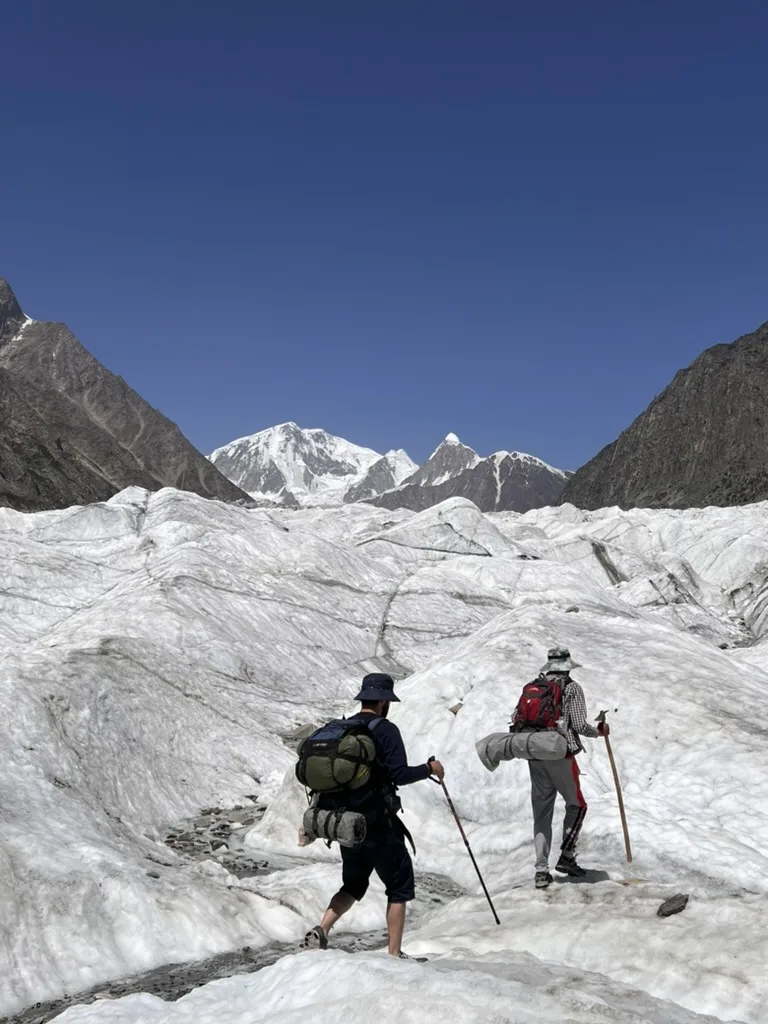
The Batura Glacier, 57 km long and one of the longest outside the polar regions, reaches almost to the Karakoram Highway near Passu. Day walks onto its moraine and longer treks up its edge start from the road, and our Batura Glacier trek follows it to the summer pastures. In Nagar, the Hopar (Bualtar) Glacier starts at the edge of Hopar village, and you can cross it to the Barpu side in an hour or two with a local guide.
14. Ski at Naltar
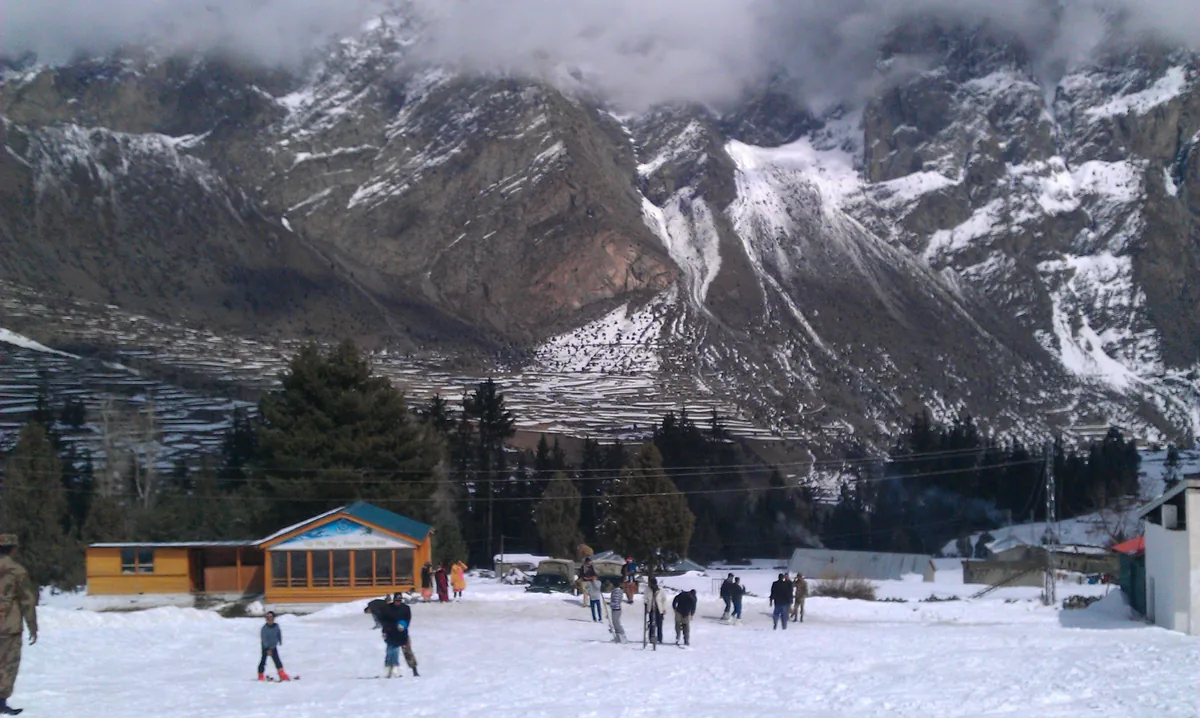
About 40 km north-west of Gilgit, Naltar is Pakistan's main ski venue and home of the national ski championships, run by the Pakistan Air Force. A chairlift built in the mid-2010s serves the slopes through the season from roughly December to March. Check before travelling, as facilities and access depend on the year and the snow. Our Naltar Valley guide covers the summer lakes too.
15. Cycle the Karakoram Highway
Riding the Karakoram Highway to Khunjerab is a bucket-list climb: a smooth road that climbs about 2,300 m from Karimabad to the pass, past Attabad Lake and the Passu Cones. The Tour de Khunjerab race brought around a hundred riders here in 2018 and 2019. Most cyclists go from May to October with a support vehicle, and our KKH cycling expedition handles bikes, stages and logistics.
16. Yak safari in Shimshal
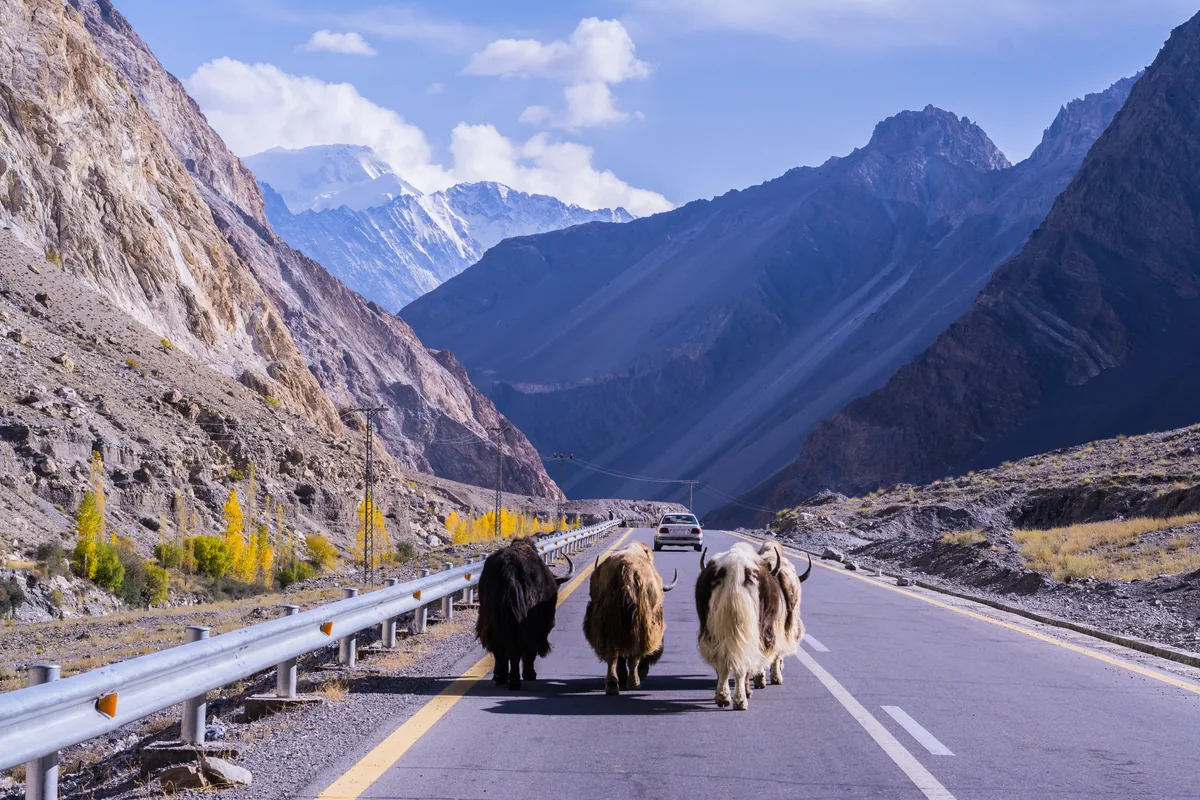
In summer, Shimshal's herders move their yaks up to the Pamir pastures of Shuwert and Shujerab, and visitors can follow with yaks carrying the loads, crossing rivers on yak-back where the water is high. It is part trek, part cultural immersion in Wakhi village life. See our Shimshal yak safari. Season: June to September.
17. Treks and a first 6,000 m peak
Short treks are the easiest way into the big mountains. Rush Lake at about 4,694 m, reached from Hopar over the glaciers, is one of the highest alpine lakes in the world. Patundas is a high meadow between the Passu and Batura glaciers with a famous view of the Passu Cones. For a first summit, Minglik Sar near the Shimshal Pass is a non-technical trekking peak of about 6,000 m. Season: June to September.
18. Camp under the stars at Borith Lake
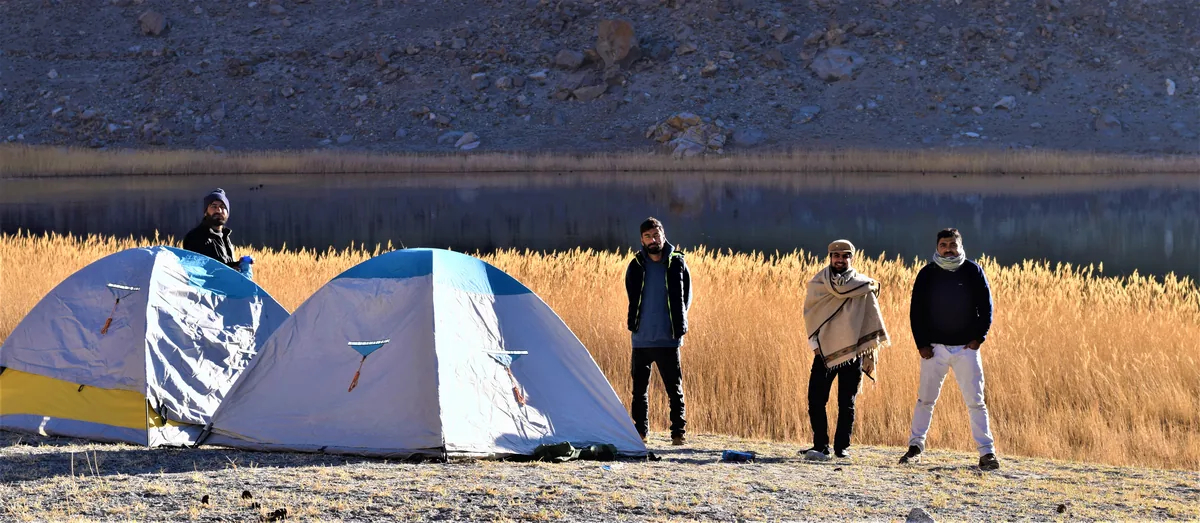
Above Hussaini, at about 2,600 m, Borith Lake is a small, slightly salty lake with a campground, reached by a short jeep road or a two to three hour walk across the snout of the Ghulkin Glacier. Away from the highway lights, the night sky over Gojal is extraordinary. Pair it with sunrise at the Eagle's Nest above Karimabad, where Rakaposhi, Ultar, Lady Finger and Golden Peak light up one after another.
Frequently asked questions
What are the best adventure activities in Hunza?
The best adventure activities in Hunza are crossing the Hussaini suspension bridge and riding the zipline beside it, jet skiing and boating on Attabad Lake, tandem paragliding from Duikar above Karimabad, and driving the Karakoram Highway to the Khunjerab Pass at 4,693 m. For more effort, you can walk onto the 57 km Batura Glacier near Passu, trek to Rush Lake at about 4,694 m from Hopar in Nagar, or take the cliff-hanging jeep road to Shimshal. In winter the options change completely: ice climbing on frozen waterfalls, snow leopard tracking in upper Hunza and skiing at Naltar near Gilgit. Most summer activities run from May to October and are easy to combine in a week, because they all sit along the same stretch of highway between Karimabad, Gulmit and Passu. Prices are modest by international standards, from a few hundred rupees for the bridge to around PKR 35,000 for a tandem paragliding flight.
Is there a zipline at Attabad Lake?
The zipline we could confirm is at the Hussaini suspension bridge, not on Attabad Lake itself. It runs alongside the bridge over the Hunza River, so visitors can cross one way on the planks and fly back on the line, and recent visitor reports put the price at about PKR 1,000 to 2,000 depending on one-way or return. It operates in the warmer months, roughly April to October. A zipline at Attabad Lake does appear in a few travel reviews, but we found no named operator, length or published price, so it may be occasional or seasonal. If you are planning around a zipline, aim for Hussaini, which is only about 20 minutes up the highway from the Attabad tunnels. Attabad Lake's confirmed activities are jet skiing, boat trips and kayaking, which cost from around PKR 500 to 2,000 per person at 2025 and 2026 rates.
Is the Hussaini suspension bridge safe?
The Hussaini bridge is crossed by thousands of visitors every summer, but it is genuinely exposed and should be treated with care. It is about 194 m long, hung over the fast Hunza River, with wooden planks laid on steel cables and wide gaps between them, and it swings noticeably in wind. In July 2022 a visitor fell and drowned, and the bridge was closed for several days afterwards. To cross safely, go one at a time or in very small numbers, use both hands on the cables, keep your phone zipped away rather than filming, wear shoes with good grip, and do not cross in strong wind or rain. Children and anyone uneasy with heights should skip it; the zipline beside it is often allowed for children who are too young for the bridge. The local community collects a small fee, reported at about PKR 100 to 300.
Can you go ice climbing in Pakistan?
Yes. Ice climbing in Pakistan is new but growing, centred on the Hushe valley in Baltistan and on frozen waterfalls in Hunza and Shimshal. In February 2024 a Spanish-French team climbed routes up to WI4+ in Hushe, including the 300 m Wasoq falls, and trained local guides, and guided commercial ice climbing there began in 2025. Climbers put up multi-pitch lines near Karimabad and Attabad in 2018, and Pakistan's national ice climbing championship has been held on the Malangudi glacier in Shimshal. The season runs from December to February, when temperatures stay far below freezing and nights can be extremely cold. You need prior ice-climbing experience or a proper course with a qualified guide, and full winter equipment. Upper Hunza and border areas can require extra permission, so book through an operator who can arrange access and logistics in winter.
How much does trophy hunting cost in Gilgit-Baltistan?
Trophy hunting in Gilgit-Baltistan is sold by auction, and fees are set each season. For the 2026-27 season, running from 15 October 2026 to 10 April 2027, the base price was $11,000 for a Himalayan ibex permit, $25,000 for blue sheep and $200,000 for markhor, with 117 permits offered in total. Winning ibex bids reached about $13,000, while markhor bids went as high as about $356,000, and a 2025 Astore markhor permit set a record at $370,000. Eighty per cent of each fee goes to the local community conservancy and twenty per cent to the government, which is why the programme, started in Nagar's Bar valley in 1990, is credited with helping ibex and markhor populations recover. Hunts must be booked through licensed outfitters, and the permit fee does not include guiding, travel, trophy export or accommodation.
When is the best time for adventure activities in the Karakoram?
For most adventures in the Karakoram, the best time is May to October. That is when the Hussaini zipline and Attabad Lake jet skis operate, paragliding flights run above Karimabad, the Shimshal road and Khunjerab Pass are open, and treks such as Rush Lake and Patundas are free of snow, with June to September best for the high treks. Winter is a separate season with its own adventures. From December to February the waterfalls of Hushe and Hunza freeze for ice climbing, from December to early April snow leopards come down towards the valleys, and from December to March Naltar has snow for skiing. Trophy hunting runs from mid-October to early April. Spring and autumn are the quietest times, with blossom in April and golden poplars in late October, though some water activities may not be running.
Ready for Your Next Adventure?
Join our community of explorers and discover the journey of a lifetime. Our expert team is ready to help you plan your perfect expedition.