Shimshal to Askole Trek: Tilman Pass, Lukpe La and Khurdopin Pass
Three glacier crossings from Hunza to Baltistan: where each pass goes, how high, how long, and what the history really says about Tilman Pass.
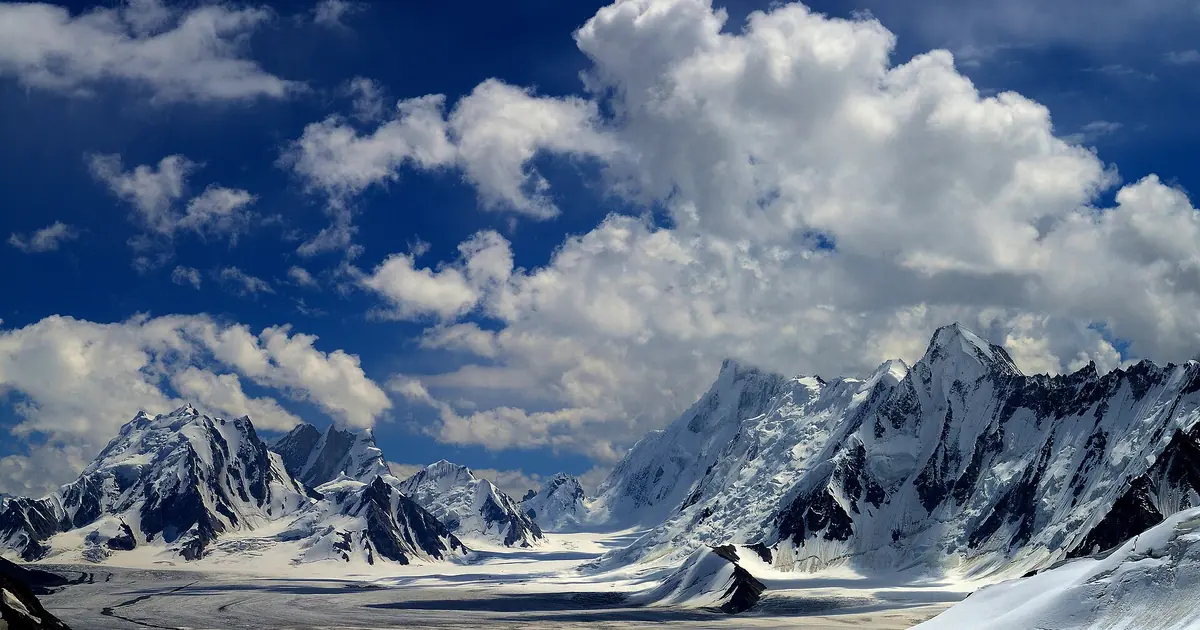
Most people who reach Shimshal walk up to the Pamir and turn round. A few keep going. Beyond the yak pastures the Braldu, Virjerab and Khurdopin glaciers run south into the biggest ice field outside the poles, and three passes cross it into Baltistan. Whichever you choose, you finish at Askole, the village where K2 expeditions start, having walked from one side of the Karakoram to the other.
This guide compares the three crossings honestly. Tilman Pass in particular gets marketed as a famous route, and the paper trail behind it is thinner than the brochures suggest. I'll show you what is documented and what is not, so you can choose with your eyes open.
The three passes at a glance
| Pass | Altitude | Crosses from | Comes out via | Typical trip |
|---|---|---|---|---|
| Lukpe La (Braldu Pass) | 5,695 m | Braldu glacier | Sim Gang glacier, Snow Lake, Biafo glacier | 26 to 28 days |
| Tilman Pass | About 5,500 m | Upper Braldu glacier | Nobande Sobande and Panmah glaciers | About 30 days |
| Khurdopin Pass | About 5,800 m | Khurdopin glacier | Snow Lake and the Biafo, or Nobande Sobande | 26 to 29 days |
Door-to-door figures include the flights or drive, the jeep road into Shimshal, rest days and the weather days you will almost certainly use. The walking alone is roughly three weeks.
The common start: Shimshal and the Shimshal Pass
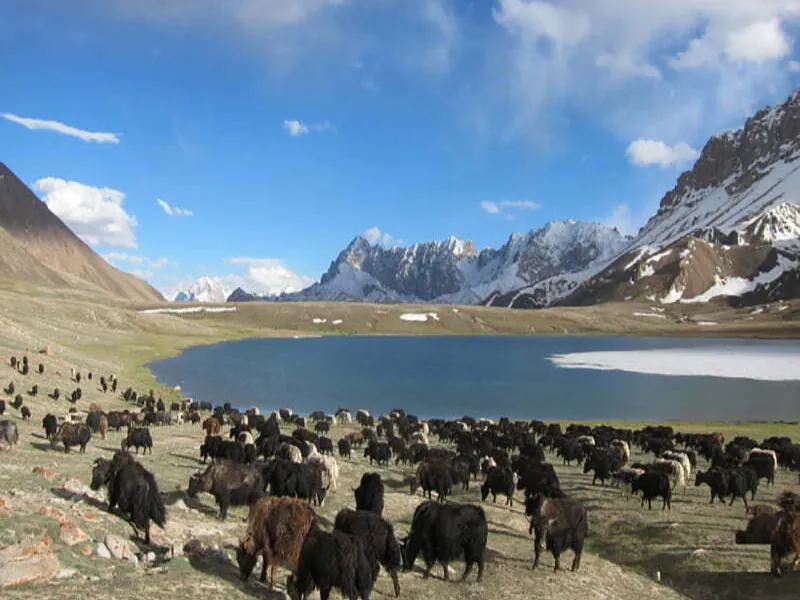
All three routes begin in Shimshal, the highest village in Hunza at 3,113 m, reached by a 56 km jeep road from Passu on the Karakoram Highway that only opened in 2003. From the village the trail climbs the Shimshal gorge through Ghar Sar, Wuch Furzeen and Arbob Purian to Shujerab, then onto the Shimshal Pass at 4,735 m, the open Pamir where Wakhi families graze yaks all summer.
That first week does real work: it acclimatises you before the glaciers, and the Shimshali porters who carry your loads come from these families. Our Shimshal Pamir guide covers this section stage by stage. From the Pamir the routes split. Lukpe La and Tilman Pass drop east into the Braldu valley; Khurdopin starts from the village itself and heads up its own glacier.
Route 1: Lukpe La, the classic crossing
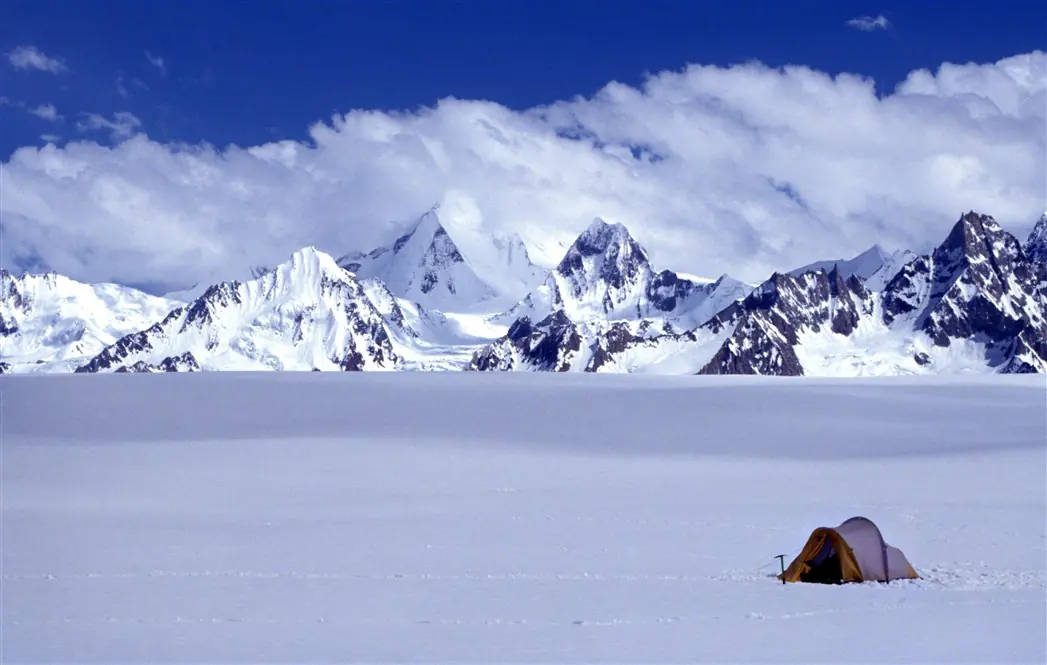
Lukpe La, also called the Braldu Pass, is the best-documented of the three. From the Pamir you descend to the Braldu river, follow it to the snout of the Braldu glacier and walk up the ice for several days to the pass at 5,695 m, which links the Braldu with the Sim Gang glacier. The descent drops you into Snow Lake, the great snow basin at about 4,800 m where the Biafo and Hispar glaciers meet.
From Snow Lake you walk out down the Biafo glacier, about 67 km of ice, to Askole. Eric Shipton walked the Braldu side of this route in 1937 at the end of the Shaksgam expedition, and it has been crossed regularly by small trekking parties since. If you want the full Shimshal to Askole experience with the least uncertainty, this is the one. Our Biafo Hispar guide describes the Snow Lake and Biafo end in detail.
Route 2: Tilman Pass, the exploratory line
Tilman Pass leaves the upper Braldu glacier further east and crosses at about 5,500 m onto the Nobande Sobande glacier. You descend that to the Panmah glacier and come out at the Panmah and Jhola camps on the Askole to Baltoro trail, a day or two from Askole. It avoids Snow Lake entirely, so it feels more remote than Lukpe La.
Be careful with the history you read. Bill Tilman was on the 1937 Shaksgam expedition with Shipton, Auden and Spender, and the expedition reports in the Himalayan Journal describe him crossing the head of the Braldu and working towards the Nobande Sobande and Biafo glaciers. Beyond that the record is thin: the reports give no altitude, and the 5,500 m figure, along with claims that the pass went uncrossed from 1937 until 2019, come from operator itineraries rather than published expedition accounts. Treat Tilman Pass as an exploratory crossing that a strong, experienced team can attempt, not a trail with a known line.
Route 3: Khurdopin Pass
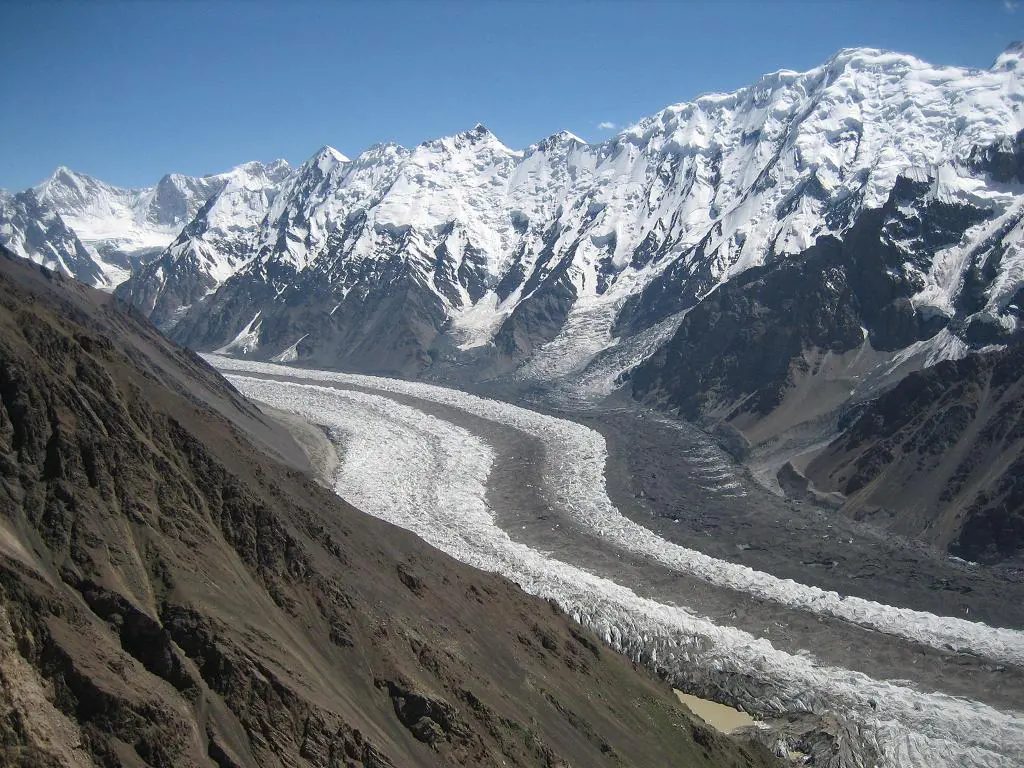
Khurdopin Pass, at about 5,800 m, is the highest of the three and the one that starts closest to the village. Instead of going over the Shimshal Pass, you head east from Shimshal up the Virjerab valley onto the Khurdopin glacier, under the walls of Kanjut Sar, and cross into the Snow Lake basin. From there you either walk out down the Biafo or swing onto the Nobande Sobande.
The Khurdopin glacier surges every few decades; the most recent surge, around 2017, dammed the Shimshal river and formed a lake above the village. That changes the approach from year to year, so the line on the ice is chosen on the ground each season. It is a serious, rarely done route, and it suits climbers more than trekkers.
How hard is it?
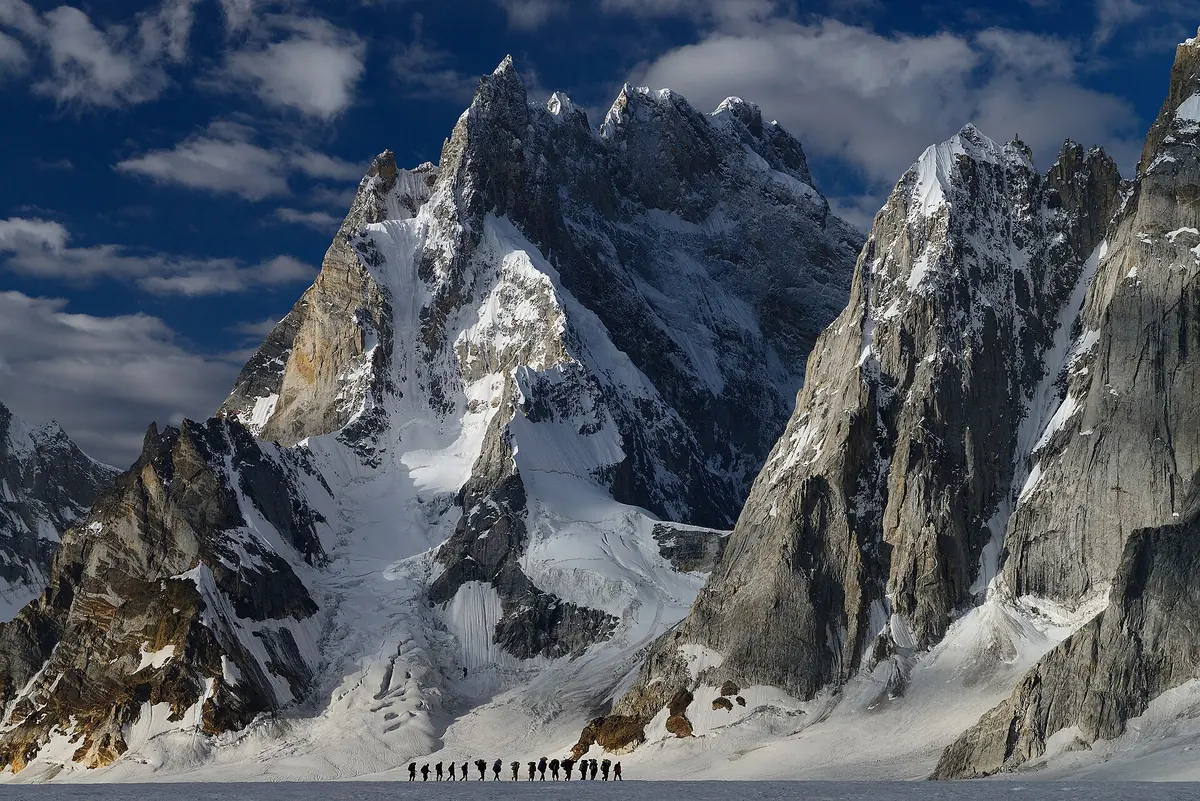
Harder than any standard trek in Pakistan. The difficulty is not one technical move but the sum of everything:
- Glacier travel for two to three weeks, roped up through crevasse fields on all three passes.
- Crampons, ice axe, harness and helmet on the pass days, with fixed rope on steeper sections.
- Days between 4,500 m and 5,800 m, so the acclimatisation on the Pamir in week one matters.
- No village and no road between Shimshal and the Askole side; evacuation is by helicopter, weather permitting.
You do not need to be a mountaineer, but you should have done multi-day glacier treks before, be comfortable on crampons, and be fit enough to carry a light pack for 8 to 10 hours on consecutive days. If you have not, start with the Snow Lake and Hispar La trek, which teaches you the same glacier world on a better-trodden line.
When to go
July and August are the only reliable months. Before July the snow bridges over crevasses are soft and the Braldu crossings run high; by September the nights on the passes are bitterly cold and storms close in faster. Plan to be on the passes in late July or early August, with the Pamir and Shimshal sections either side.
Visa, permits and fees
This is a trekking visa route. The Shimshal to Snow Lake, Lukpo La and Panmah glacier treks are on NADRA's official list of treks, so you apply for the Mountaineering & Trekking visa, not a tourist visa. It needs a sponsor letter from a tour operator authorised by the Department of Tourist Services and takes about four weeks to process. Our Pakistan visa guide explains the difference.
Once you are in Pakistan, the Gilgit-Baltistan trekking fee is US$150 per person in summer. You also pay the Shimshal Nature Trust fee for the Shimshal side and the Central Karakoram National Park fee for the Snow Lake and Biafo side, and you must travel with a licensed guide. A good operator handles all of this before you arrive.
How long it takes and what it costs
Allow 26 to 30 days from Islamabad and back: a few days to reach Shimshal via Gilgit and Hunza, about a week on the Shimshal and Pamir section, ten to fourteen days on the glaciers and passes, two or three days out from Askole to Skardu, and contingency for weather and flights. Fully supported group packages on the market start at around US$4,000 per person; private trips and small groups cost more because porters and staff are shared across fewer people.
We run these crossings as private expeditions on request, with Shimshali porters and guides who know the Braldu and Khurdopin glaciers. See our Shimshal to Askole high-pass expedition for what is included, or tell us your dates and experience and we will recommend the pass that fits.
Frequently asked questions
What is the Shimshal to Askole trek?
The Shimshal to Askole trek is a 26 to 30 day glacier crossing of the central Karakoram, from Shimshal village at 3,113 m in upper Hunza to Askole at about 3,000 m in Baltistan. The first week climbs the Shimshal gorge to the Shimshal Pass at 4,735 m, where Wakhi herders graze yaks on the Pamir. From there you cross one of three high passes: Lukpe La at 5,695 m between the Braldu and Sim Gang glaciers, Tilman Pass at about 5,500 m from the upper Braldu onto the Nobande Sobande glacier, or Khurdopin Pass at about 5,800 m from the Khurdopin glacier into the Snow Lake basin. You then walk out down the Biafo or the Panmah glacier to Askole. It is done only in July and August, roped up on crevassed ice, and it needs Pakistan's trekking visa.
Where is Tilman Pass and who discovered it?
Tilman Pass is a glaciated col of about 5,500 m in the central Karakoram of Pakistan, between the upper Braldu glacier north of Snow Lake and the Nobande Sobande glacier, which drains into the Panmah glacier and the Askole side of Baltistan. It is named after Bill Tilman, who was on the 1937 Shaksgam expedition with Eric Shipton, John Auden and Michael Spender. The Himalayan Journal reports describe Tilman crossing the head of the Braldu and working towards the Nobande Sobande and Biafo glaciers, but they give no altitude. The 5,500 m figure and the claim that nobody crossed the pass between 1937 and 2019 come from operator itineraries rather than published expedition accounts. It is not the Tilman Pass in Nepal's Langtang region, which is a different trek with the same name, so check the country when you read about it.
Which pass is easiest: Lukpe La, Tilman Pass or Khurdopin?
Lukpe La is the most established of the three and the one we recommend for most experienced trekkers. At 5,695 m it links the Braldu glacier with the Sim Gang glacier and drops into Snow Lake, then walks out down the Biafo glacier to Askole, a line that small parties have crossed regularly since Eric Shipton walked the Braldu side in 1937. Tilman Pass, at about 5,500 m, is lower but far less travelled and poorly documented, so the route is found on the ground and the risk of turning back is higher. Khurdopin Pass, at about 5,800 m, is the highest and approaches over a glacier that surged around 2017 and keeps changing, which suits climbers more than trekkers. All three need crampons, an ice axe, a harness and roped glacier travel, so none of them is easy in any normal sense.
How many days does the Shimshal to Askole trek take?
Plan on 26 to 30 days from Islamabad and back. That covers a few days to reach Shimshal by air or road through Gilgit and Hunza, including the 56 km jeep road from Passu, about a week climbing the Shimshal gorge and acclimatising on the Pamir at 4,735 m, ten to fourteen days on the glaciers and the pass itself, and two or three days from Askole by jeep to Skardu and back to Islamabad. Lukpe La trips usually run 26 to 28 days, Khurdopin 26 to 29, and Tilman Pass about 30 because the descent via the Nobande Sobande and Panmah glaciers is longer. Build in at least two spare days for weather on the passes and for cancelled flights between Skardu and Islamabad. The walking alone is roughly three weeks, with no village or road between Shimshal and the Askole side.
Do you need a special visa or permit for the Shimshal to Askole trek?
Yes. The Shimshal to Snow Lake, Lukpo La and Panmah glacier treks are on NADRA's official list of treks, so foreign trekkers need Pakistan's Mountaineering and Trekking visa rather than an ordinary tourist visa. You apply online at visa.nadra.gov.pk with your passport, a photo, the trekking application form and a sponsor letter from a tour operator authorised by the Department of Tourist Services, and processing takes about four weeks, so apply early. After the visa is granted, the Gilgit-Baltistan trekking fee is US$150 per person in summer, paid in Pakistan. You also pay the Shimshal Nature Trust fee for the Shimshal side and the Central Karakoram National Park fee for the Snow Lake and Biafo side, and you must travel with a licensed guide. A good operator arranges all of this before you land.
Ready for Your Next Adventure?
Join our community of explorers and discover the journey of a lifetime. Our expert team is ready to help you plan your perfect expedition.