Deosai National Park: Complete Guide (2026/2027)
Everything you need to plan a trip to Deosai, the world's second-highest plateau: when to go, how to get there, what it really costs, and what to see across the Land of Giants.
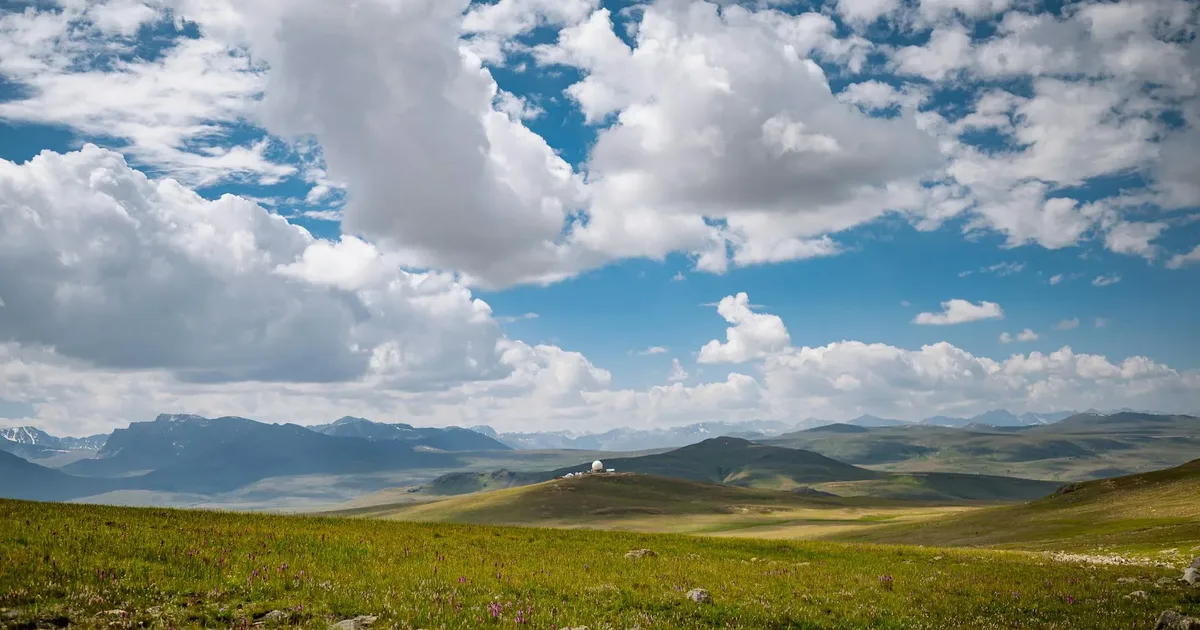
Quick answer: Deosai National Park is a high alpine plateau in Gilgit-Baltistan, Pakistan, sitting at an average of 4,114 m (13,497 ft), which makes it the second-highest plateau in the world. It is open only in summer, roughly early July to early September, and you reach it by 4x4 from Skardu (about 2 to 3 hours) or via Chilam in Astore. Highlights are Sheosar Lake, the Himalayan brown bear, and endless wildflower meadows. A small park entry fee is collected at the Bara Pani checkpost.
Locals call it Deosai, the "Land of Giants," and once you stand on it the name makes sense. For half the year this 3,000 square kilometre plateau is buried under snow and completely cut off. For the other half it turns into a rolling green sea of grass, wildflowers and glacier-fed streams, framed by snow peaks on every horizon. This guide covers what most Deosai articles skip: the real cost of getting in, both access routes with honest drive times, when the plateau actually opens, and how to plan a day trip or an overnight camp without getting caught out by the altitude or the weather. We run trips here every summer, so these are the numbers and timings we plan our own departures around.
What and where is Deosai National Park?
Deosai National Park is a protected alpine plateau in the Gilgit-Baltistan region of northern Pakistan, wedged between the Skardu valley to the north and the Astore valley to the west. It became a national park in 1993, largely to protect the last stronghold of the Himalayan brown bear. At an average elevation of about 4,114 metres, only the Tibetan plateau sits higher, which is where the "second-highest plateau on Earth" line comes from. The landscape is treeless tundra: no forest, no villages, just wide meadows, braided streams and the occasional herd of grazing horses, with marmots whistling from their burrows. For the deeper natural history, the park background on Wikipedia is a good primer.
| Feature | Detail |
|---|---|
| Location | Gilgit-Baltistan, Pakistan, between Skardu and Astore |
| Average elevation | 4,114 m (13,497 ft) |
| Area / status | About 3,000 km²; national park since 1993 |
| Claim to fame | World's second-highest plateau, the "Land of Giants" |
| Best time to visit | Early July to early September |
| Access | 4x4 jeep only; snowbound and closed November to May |
| Star sights | Sheosar Lake, Bara Pani, Himalayan brown bear, wildflowers |
| Nearest base | Skardu (about 2 to 3 hours by jeep) |
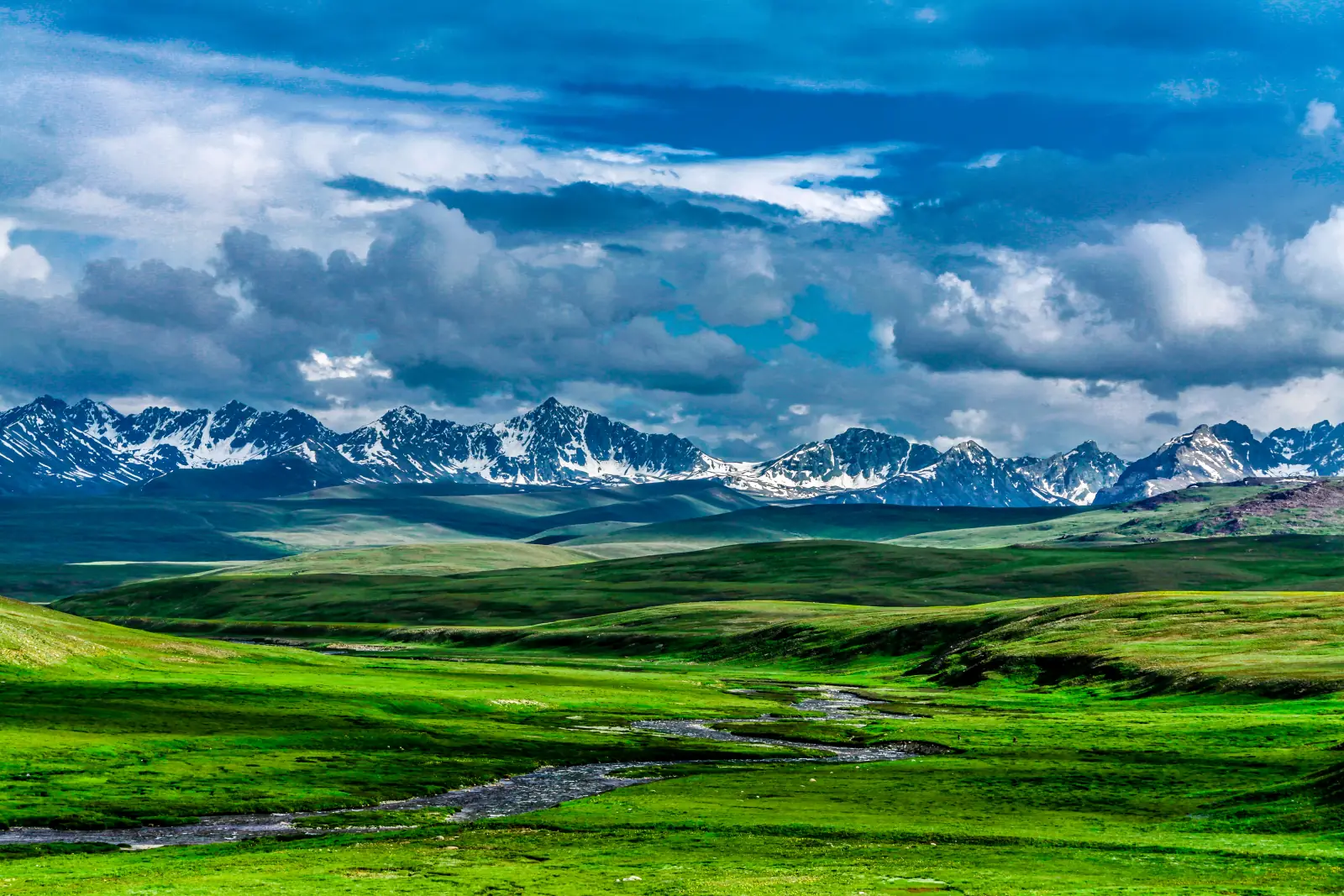
Best time to visit Deosai National Park
The plateau is only reachable in the short summer window, from about early July to early September, once the winter snow finally melts off the tracks. Some years the road opens in the last week of June; some years snow lingers into mid-July. From November to May the plateau is under deep snow and effectively closed, so there is no winter Deosai trip to plan.
Within that window, mid-July to mid-August is peak season, when the meadows are greenest and the wildflowers are out in force. It is also the busiest and the wettest stretch, with afternoon cloud and the odd rain shower. Late August into early September is our quiet favourite: fewer vehicles, clearer skies and crisp nights, though the first snows can arrive without much warning. Daytime temperatures in summer sit around 12 to 20°C, but nights routinely drop to near or below freezing even in July, so this is not a place you visit in a t-shirt and nothing else. If you are timing a wider Baltistan trip, our best time to visit Skardu guide lines up Deosai with the rest of the region's seasons.
How to reach Deosai National Park
There is no airport, bus or paved road onto the plateau. You need a 4x4 and a driver who knows the tracks, and you approach from one of two directions. Most visitors come up from Skardu; travellers arriving from the Nanga Parbat side often use the Astore route instead.
| Route | Approx. time | Road | Best for |
|---|---|---|---|
| Via Skardu (Sadpara Lake) | 2 to 3 hours to Bara Pani | Rough, steep switchbacks, high pass | Most visitors; easy to combine with a Skardu trip |
| Via Astore (Chilam) | About 1.5 hours from Chilam | Gentler, smoother gravel | Anyone coming from Astore, Rama or Nanga Parbat |
The Skardu route climbs past Sadpara Lake and over a high pass before dropping onto the plateau near Bara Pani. It is the shorter line on the map but the rougher drive, and it is the one nearly everyone takes because Skardu is the regional hub with flights, hotels and jeep operators. The Astore route comes in through Chilam and is the more comfortable ride, which makes it the natural choice if you are already in the Astore valley or coming off a Fairy Meadows and Nanga Parbat trip. To reach the starting point, Skardu is a one hour flight from Islamabad or a long two-day drive up the Karakoram Highway. See our full Gilgit-Baltistan travel guide for the regional logistics.
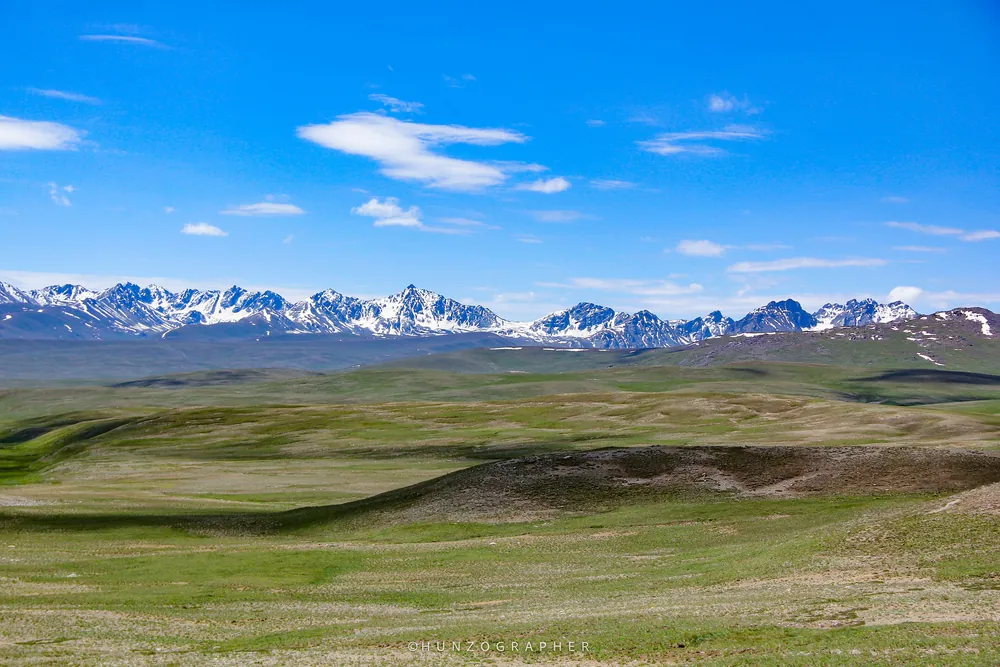
Permits, entry fees and costs
Here is the part almost every other Deosai guide leaves out. Deosai is a protected national park, so there is a small entry fee, collected in person at the Bara Pani checkpost run by the Gilgit-Baltistan Wildlife Department. You do not need to arrange a permit in advance; you pay at the gate. Bring cash in Pakistani rupees, because there is no card machine on a plateau with no electricity.
| Item | Approx. cost (PKR) | Notes |
|---|---|---|
| Park entry, Pakistani visitor | Rs 500 per person | Paid at the Bara Pani checkpost |
| Park entry, foreign visitor | Higher, set by the Wildlife Department | Rates change; confirm the current figure at the gate |
| Trout fishing permit | Rs 500 | From fisheries staff, if you want to fish |
| Shared 4x4 day trip from Skardu | Roughly Rs 15,000 to 25,000 per jeep | Split between passengers; a full jeep takes 4 to 6 |
Fees for foreign nationals are higher than the local rate and are revised from time to time, so treat any figure you read online as a guide rather than gospel and confirm it at the checkpost. If you travel with us on a guided Deosai jeep tour, the entry fee, the 4x4, the driver and a cook are handled as one package, which usually works out cheaper and far less hassle than piecing it together at the last minute in Skardu.
Things to do and what to see
Deosai is not a checklist of attractions so much as one enormous open landscape, but a few places anchor any visit.
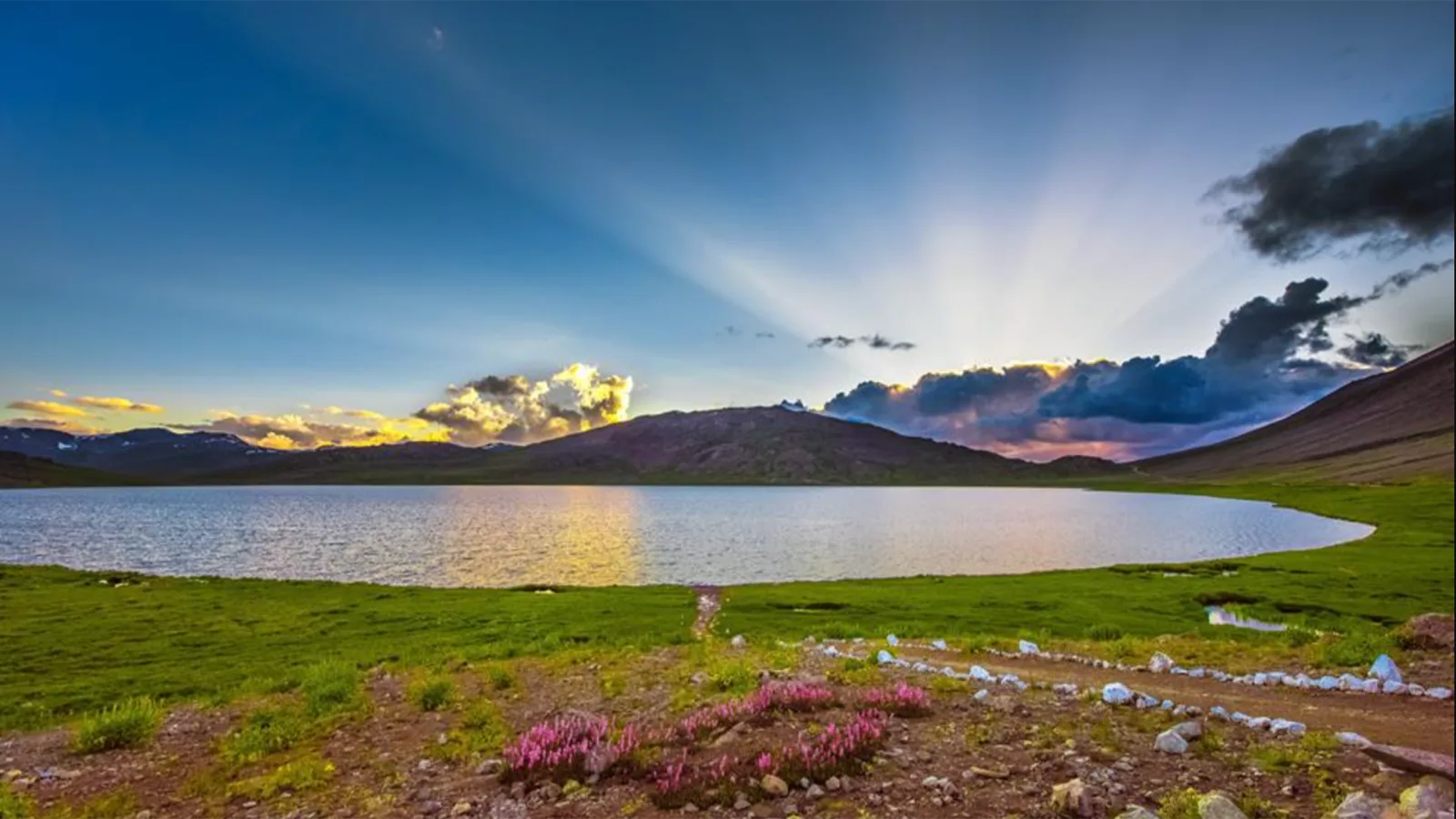
Sheosar Lake
Sheosar Lake is the jewel of the plateau, a deep blue alpine lake at around 4,142 m near the Astore side of the park. On a still morning it mirrors the surrounding peaks almost perfectly, and in July and August its shoreline is thick with wildflowers. If you enter via Chilam it is one of the first sights you reach; from the Skardu side it is a longer drive across the plateau, so day-trippers from Skardu often do not make it all the way to Sheosar and back. If the lake is your priority, plan an overnight or come in from Astore.
Bara Pani and Kala Pani
Bara Pani, meaning "big water," is the main camping ground and the practical heart of the plateau, roughly midway on the Skardu crossing, where a stream runs under a small bridge. Kala Pani, "black water," is another well-known stop. Both are good places to break the drive, brew tea and watch for wildlife along the water. Bara Pani is also where the checkpost sits, so you will pass through it either way.
Wildflowers and stargazing
Through July and August the meadows explode with wildflowers, and the plateau is a favourite with photographers for exactly this reason. Because there is no town, no light pollution and thin, dry air, Deosai also has some of the darkest night skies in the country. If you camp, the Milky Way overhead on a clear night is reason enough to have made the trip.
Wildlife: the Himalayan brown bear
Deosai exists as a national park mainly because of one animal, the Himalayan brown bear. This was one of its last refuges in Pakistan, and the population had crashed to fewer than 20 animals in the early 1990s. Decades of protection have slowly turned that around, with recent surveys counting somewhere in the region of 70 to 80 bears on the plateau. Sightings are never guaranteed, and you should keep a very respectful distance if you are lucky enough to see one. Alongside the bears you may spot red foxes, golden marmots, ibex on the higher slopes, and birds of prey including golden eagles overhead. A dedicated Deosai wildlife safari with a naturalist gives you the best odds and keeps both you and the animals safe.
Camping on Deosai
An overnight camp is how you see the best of Deosai. A day trip from Skardu can feel rushed, with hours of rough driving bracketing a short time on the plateau, whereas a night at Bara Pani gives you the golden evening light, the dawn, and a real chance at wildlife when the plateau is quiet. Nights are cold, so a proper four-season sleeping bag and warm layers are not optional. There are no lodges or fixed facilities, so you either bring a full camping setup or join an organised trip that carries tents, mattresses, a cook and a mess tent. Our Deosai camping trip at Bara Pani handles all of that, which is the difference between a miserable freezing night and a genuinely magical one.
Altitude and staying safe
Deosai sits above 4,000 metres, high enough that some visitors feel mild altitude effects, usually a headache, breathlessness or poor sleep. The best protection is to acclimatise first: spend a night or two in Skardu at about 2,230 metres before heading up, drink plenty of water, and take it easy on your first hours on the plateau. Weather can turn fast, with sun, cloud and cold rain all in one afternoon, so carry warm and waterproof layers even on a clear morning. There is no mobile signal, no fuel and no shops once you are on the plateau, so start with a full tank, carry all the food and water you need, and never rely on finding help up there. Travelling with an experienced local driver removes most of the risk.
Suggested itineraries
How much time you give Deosai changes the trip completely.
- Day trip from Skardu: an early start, the drive up via Sadpara, a few hours at Bara Pani and the nearer meadows, and back to Skardu by evening. Doable, but you will not reach Sheosar Lake and the day is dominated by driving.
- Overnight camp at Bara Pani: our recommendation. Drive up, camp on the plateau, catch sunset, the stars and dawn, then explore further, including toward Sheosar, before descending on day two.
- Deosai as a through-route: cross the plateau between Skardu and Astore, linking Deosai with Sheosar Lake, Rama and Fairy Meadows into one Gilgit-Baltistan loop. This is the most rewarding way to see it if you have the days.
What to pack for Deosai
- Warm layers: a proper insulated jacket, fleece, hat and gloves, even in July.
- Waterproofs: a rain shell and warm, waterproof footwear.
- Four-season sleeping bag if you are camping, rated for below-freezing nights.
- Sun protection: high-factor sunscreen, sunglasses and a hat, as UV is fierce at altitude.
- Cash in rupees for the entry fee, plus all your food, water and any fuel.
- A power bank, because there is nowhere to charge on the plateau.
Plan your Deosai trip
Deosai rewards a bit of planning, and the short season means the good operators and vehicles get booked up through July and August. If you would rather not wrangle jeeps, permits and cold-weather camping gear yourself, we can build the whole thing around your dates with local Balti drivers and guides who know the plateau in every mood. Browse our Deosai National Park tours, pair it with lakes, forts and the cold desert on a wider Skardu tour, or message us and we will help you time it right.
Frequently asked questions
What is the best time to visit Deosai National Park?
Early July to early September, once the winter snow has melted off the access tracks. Some years the road opens in the last week of June, and in others snow lingers into mid-July, so the edges of the window move. Mid-July to mid-August is the greenest and busiest stretch, with the wildflowers out in force but also afternoon cloud and the odd rain shower. Late August into early September is our quiet favourite, with clearer skies, fewer vehicles and cold nights, though the first snows can arrive without much warning. Daytime temperatures in summer sit around 12 to 20°C, and nights drop to near or below freezing even in July, so pack warm layers whatever the month. The plateau is snowbound and closed from November to May, which means there is no winter Deosai trip to plan. Good vehicles get booked up through July and August, so it pays to fix dates early.
How do you get to Deosai National Park?
Only by 4x4, with a driver who knows the tracks. There is no airport, bus or paved road onto the plateau. The usual route climbs from Skardu past Sadpara Lake and over a high pass, taking about 2 to 3 hours to reach Bara Pani. It is the shorter line on the map but the rougher drive, with steep switchbacks. The alternative comes in via Chilam in the Astore valley, a smoother gravel drive of around 1.5 hours, which suits anyone already in Astore or coming off a Fairy Meadows and Nanga Parbat trip. To reach the region, Skardu is a one hour flight from Islamabad or a two-day drive up the Karakoram Highway, and it is also where most jeep operators are based. Once you are on the plateau there is no fuel, no shops and no mobile signal, so start with a full tank. On our trips the 4x4 and driver come as part of the package.
Is there an entry fee for Deosai National Park?
Yes. A small park entry fee is collected in person at the Bara Pani checkpost, which is run by the Gilgit-Baltistan Wildlife Department. You do not need to arrange a permit in advance. Pakistani visitors pay around Rs 500 per person. Foreign visitors pay a higher rate that the Wildlife Department revises from time to time, so treat any figure you read online as a guide and confirm the current one at the gate. Bring cash in rupees, because there are no card facilities on a plateau with no electricity. If you want to fish for trout, a separate Rs 500 permit is available from the fisheries staff. Bara Pani sits roughly midway on the Skardu crossing, so you pass the checkpost either way. When you travel with us on a guided Deosai jeep tour, the entry fee is handled together with the 4x4, the driver and a cook as one package.
How high is Deosai and will I get altitude sickness?
Deosai sits at an average of about 4,114 metres (13,497 ft), and only the Tibetan plateau is higher, so some visitors feel mild altitude effects such as a headache, breathlessness or poor sleep. The best protection is to acclimatise first by spending a night or two in Skardu, at about 2,230 metres, before heading up. Stay hydrated and take your first hours on the plateau slowly, and most people are fine. Sheosar Lake is slightly higher again at around 4,142 metres. If you plan to camp, the night is the part to take seriously, since temperatures drop near or below freezing even in July. Weather turns fast up there too, with sun, cloud and cold rain all in one afternoon, so carry warm and waterproof layers on a clear morning. There is no mobile signal and no help on the plateau, and travelling with an experienced local driver removes most of the risk.
Can you see brown bears in Deosai?
Yes, sometimes, though sightings are never guaranteed. Deosai is one of the last refuges of the Himalayan brown bear, and it became a national park in 1993 largely to protect it. The population had crashed to fewer than 20 animals in the early 1990s. Decades of protection have slowly turned that around, with recent surveys counting roughly 70 to 80 bears on the plateau. A wildlife safari with a naturalist and an early start give you the best chance, and an overnight camp helps because the plateau is quiet at dawn. Always keep a respectful distance from any bear you see. Alongside the bears you may spot red foxes, golden marmots, ibex on the higher slopes and birds of prey, including golden eagles. Bara Pani and Kala Pani are both good places to stop by the water, brew tea and watch for wildlife.
Can you camp in Deosai National Park?
Yes, and an overnight camp is the best way to experience the plateau. Bara Pani, roughly midway on the Skardu crossing, is the main camping ground. A night there gives you the golden evening light, the dawn and a real chance at wildlife when the plateau is quiet. With no town and no light pollution, Deosai also has some of the darkest night skies in the country, and the Milky Way on a clear night is reason enough to stay. There are no lodges or facilities, so you either bring a full camping setup, including a four-season sleeping bag rated for below-freezing nights, or you join an organised camping trip that provides tents, mattresses, food, a cook and a mess tent. Our Deosai camping trip at Bara Pani handles all of that. There is nowhere to charge on the plateau, so pack a power bank along with warm and waterproof layers.
How long do you need for Deosai?
At least one night, ideally more. A day trip from Skardu is possible but rushed: hours of rough driving bracket a short time on the plateau, and you will not reach Sheosar Lake. You leave early, drive up via Sadpara, spend a few hours at Bara Pani and the nearer meadows, and return to Skardu by evening. An overnight camp at Bara Pani is far better and is what we recommend. It gives you sunset, the stars and dawn, then time to explore further, including towards Sheosar, before descending on day two. With more days you can cross the whole plateau between Skardu and Astore, linking Deosai with Sheosar Lake, Rama and Fairy Meadows into one Gilgit-Baltistan loop. That through-route is the most rewarding way to see it if you have the time. Add a night or two in Skardu beforehand to acclimatise, since the plateau averages about 4,114 metres.
What is Sheosar Lake?
Sheosar Lake is a deep blue alpine lake at around 4,142 metres on the Astore side of Deosai, ringed by wildflower meadows in summer and one of the plateau's signature sights. On a still morning it mirrors the surrounding peaks almost perfectly, and in July and August its shoreline is thick with flowers. It is easiest to reach from the Chilam and Astore approach, where it is one of the first sights you come to. From Skardu it is a long drive across the plateau, so day-trippers often do not make it to Sheosar and back. If the lake is your priority, camp at Bara Pani and push on towards it on the second day, or come in from Astore. It also sits on the through-route that links Deosai with Rama and Fairy Meadows. Like the rest of the plateau, it is reachable only in the short summer season, roughly early July to early September.
Ready for Your Next Adventure?
Join our community of explorers and discover the journey of a lifetime. Our expert team is ready to help you plan your perfect expedition.